Decentralized finance, blockchain, and crypto markets
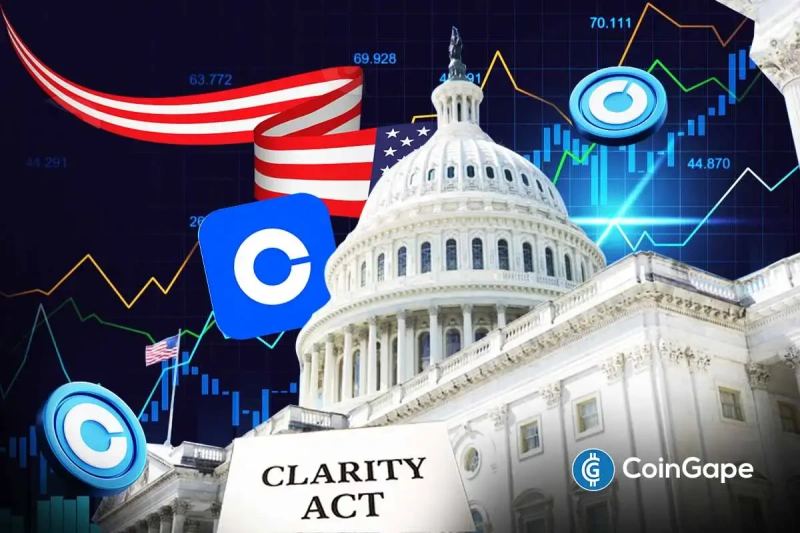
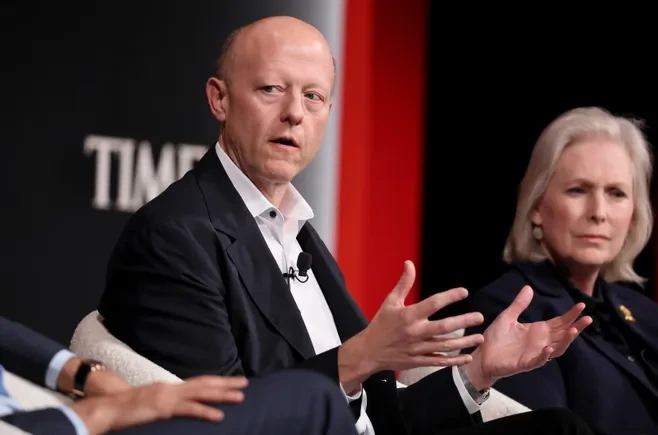
Coinbase, Circle and Bitcoin rallied after reports of a Senate ethics compromise, but the CLARITY Act still needs Democrats and time before the August recess.
Final on-chain votes on Uniswap protocol fees would direct new fee streams into UNI burns, including activity on Robinhood Chain, giving DeFi investors a fresh test of whether usage can translate into token economics.
Visa and Brale are testing SBC stablecoin settlement on Canton Network, making privacy controls the core feature for institutional blockchain payments.
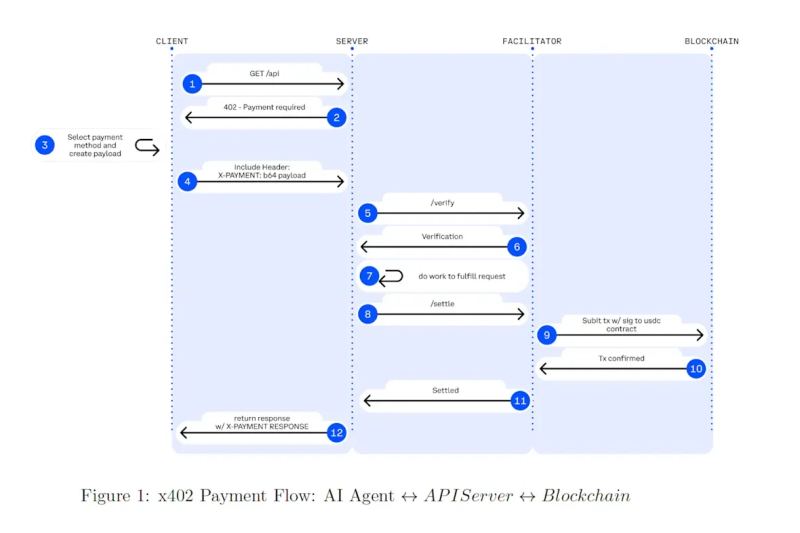
The Linux Foundation says the x402 Foundation is now operational with 40 members, including Coinbase, Circle, Solana Foundation, Stripe, Visa, Mastercard, and major cloud providers.
The House Financial Services digital-assets subcommittee held a July 17 field hearing in New York on the CLARITY Act, keeping market-structure legislation at the center of crypto's U.S. policy fight.
Coinbase says its new UK MiFID license broadens what it can offer in one of Europe's most important financial markets, reinforcing the company's push to become a regulated everything-exchange across crypto, derivatives, and tokenized assets.
Coinbase says its new UK investment-services authorization will let users trade derivatives and equities alongside crypto, marking what the company calls its biggest UK product expansion since entering the market.
DTCC says more than 30 firms participated in real production trades using tokenized DTC-held securities on Besu and Canton, a step ahead of its October 2026 tokenization-service launch and a stronger sign that tokenized market structure is moving into institutional operations.
Coinbase says publishers on AWS CloudFront and WAF can now monetize AI agent traffic through x402, reviving HTTP 402 as a programmable payment layer and pushing stablecoin settlement deeper into the web's application plumbing.
Ripple says it now holds full MiCA CASP authorisation in Luxembourg, giving it a regulated path to offer cryptoasset services across the European Economic Area and strengthening the case that institutional crypto scale will depend on licensed operating reach.
Circle says the OCC has approved its national trust bank, a move that would place key USDC infrastructure under direct federal oversight and push stablecoin competition toward regulated custody, reserve management and bank-grade operating trust.
Ripple is spotlighting the XRPL Lending Protocol just as XRP Ledger documentation marks the feature as enabled, signaling a broader shift from token-transfer narratives toward credit primitives, vault structures and production-grade onchain finance.
Circle's July 10 approval to establish a national trust bank matters because it gives USDC custody and future reserve-management operations a path into direct federal oversight.
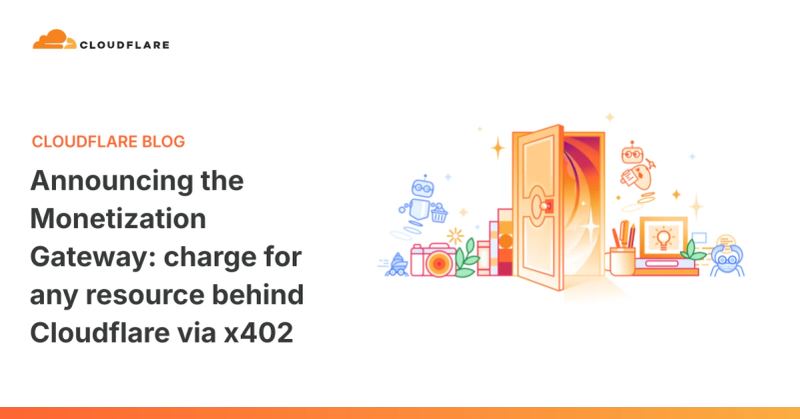
Cloudflare's Monetization Gateway matters because it treats stablecoin settlement and x402 not as a crypto side project, but as infrastructure for charging machines and agents by the request.
Circle's final approval to establish Circle National Trust matters because it moves key parts of USDC's custody and future reserve-management stack under direct federal supervision, tightening the link between public blockchains and regulated finance.
OFAC's July 1 expansion of the ISIS-K sanctions entry to include 134 cryptocurrency wallet addresses matters because it turns terrorism-finance enforcement into an operational test for exchanges, stablecoin issuers, and screening vendors that claim they can track risk fast enough to matter.
Standard Chartered's new integrated USDC access with Circle matters because it places minting and redemption inside a global bank's institutional service stack, pulling stablecoin usage closer to mainstream treasury, settlement, and liquidity workflows.
Circle's final OCC approval to establish a national trust bank matters because it moves stablecoin credibility deeper into federally supervised custody and reserve infrastructure, suggesting the next big crypto competition may be about regulatory plumbing rather than speculative volume.
Coinbase and Spiko say regulated European UCITS money market funds can now accept USDC and EURC for subscriptions and redemptions, pushing stablecoins deeper into real cash-management workflows instead of leaving them at the exchange edge.
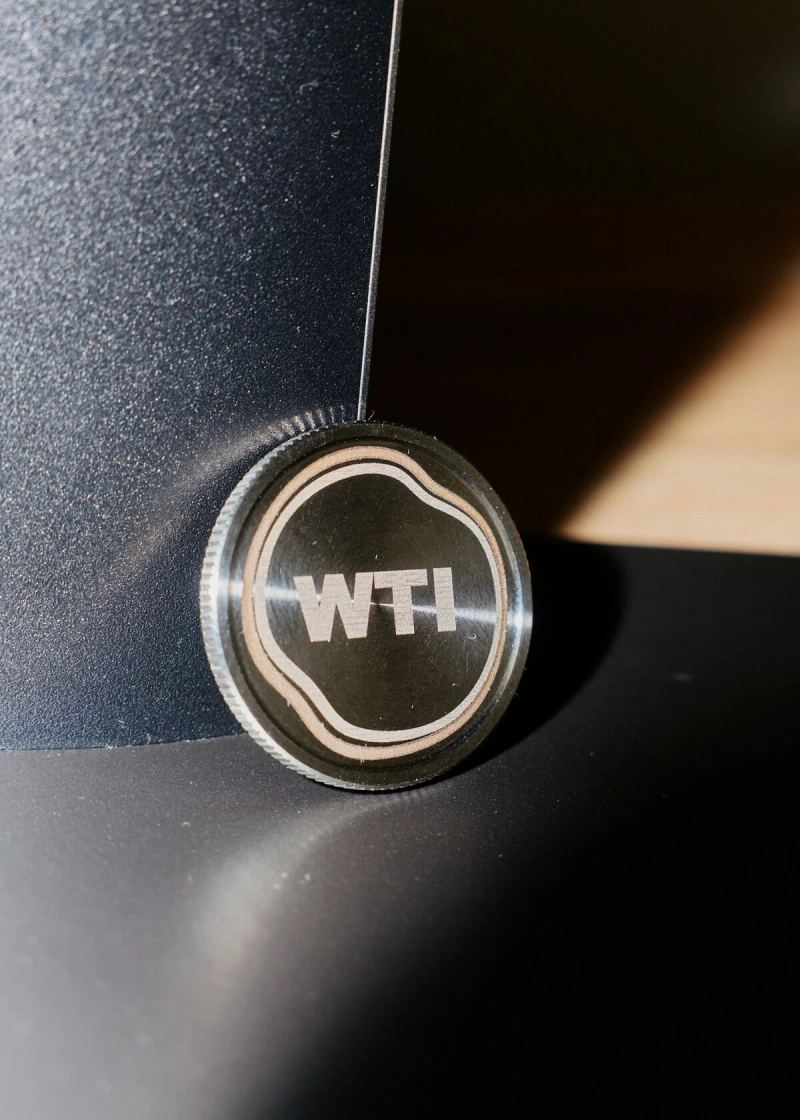
Fresh reporting on July 9 highlights a startup effort to bring crude exposure on-chain, signaling that the next tokenization race may be about turning hard commodities into programmable markets rather than keeping crypto inside its own sandbox.
Kraken's latest derivatives expansion matters because it brings the market's most important contract type into a more domesticated compliance frame, reinforcing that serious crypto growth now depends on regulated access, trust infrastructure, and durable account architecture.
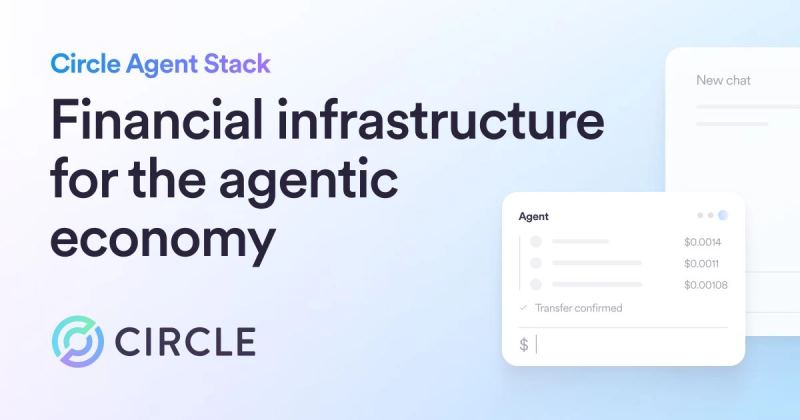
Circle's Agent Stack matters because it packages wallets, payments, service discovery, and programmable USDC flows into a practical toolkit for autonomous software, which is a more concrete crypto narrative than broad claims about onchain finance changing everything.
Coinbase's July 7 UK MiFID approval matters for crypto because it turns exchange expansion into a regulatory stack story, where derivatives, equities, and digital assets start sharing one supervised account surface.
Solana Foundation's June 1 push for fully onchain perpetuals matters because it argues that performance, delegation tools, and capital-market depth have reached the point where derivatives no longer need hybrid offchain crutches.