Decentralized finance, blockchain, and crypto markets
Coinbase's June machine-commerce announcements suggest the strongest near-term crypto moat may come from programmable payment rails for agents and publishers rather than exchange spectacle or token marketing.
Ripple's June 2026 agentic-payments tooling and stablecoin infrastructure messaging suggest the strongest crypto value may come from predictable settlement, operational controls, and multi-asset payment plumbing for software agents.
Coinbase's latest product sequence suggests crypto exchanges want to become the programmable financial rail for AI agents, publishers, merchants, and cross-border payouts all at once.
Coinbase's June 3 launch of a SpaceX pre-IPO perpetual future shows crypto platforms trying to pull private-company speculation onto 24/7 stablecoin rails long before traditional brokerages can productize it.
Kraken's June 18 rollout of app-native onchain trading for thousands of Solana tokens shows centralized exchanges are racing to absorb early DeFi access instead of ceding it to separate wallets and DEX interfaces.
Kraken's June 15 launch of CFTC-regulated perpetual futures in the United States suggests the most important crypto products are moving onshore, where liquidity, regulation, and account design can finally converge.
Coinbase says it is the first US-regulated FCM connecting clients to global crypto options and perpetual futures liquidity, a move that could redraw where serious crypto trading happens for American institutions.
Coinbase's June 2026 launches show a widening ambition: bundle tokenized stocks, pre-IPO perpetuals, stablecoin payments, and agent-ready web payments into one account layer so crypto infrastructure becomes a broader financial interface.
Kraken's June 15 and June 18, 2026 launches show a clear product thesis: bring regulated derivatives and on-chain token access into one familiar interface so users can reach crypto's deeper markets without mastering every piece of DeFi infrastructure first.
Coinbase's June 11, 2026 launch of Coinbase for Agents and its June 16 system update point to a bigger crypto ambition: turn exchange accounts into permissioned operating wallets that software agents can use to trade, pay, and execute tasks under user-set limits.
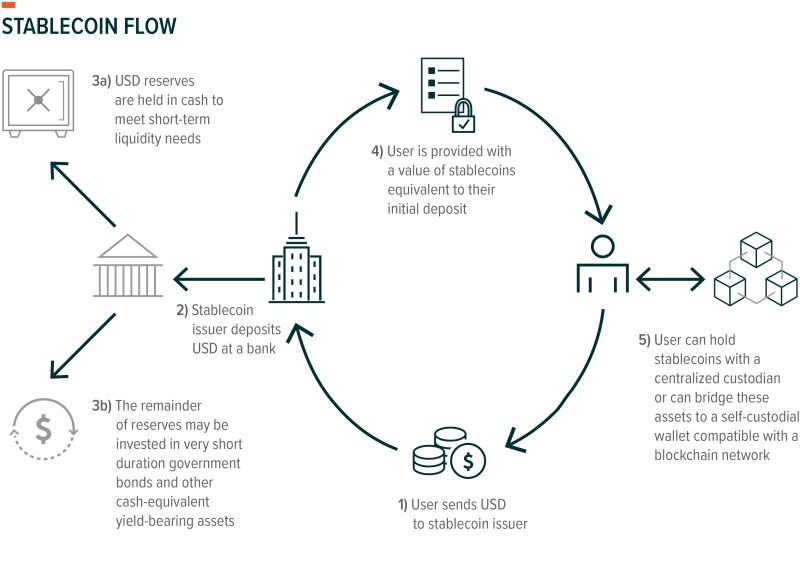
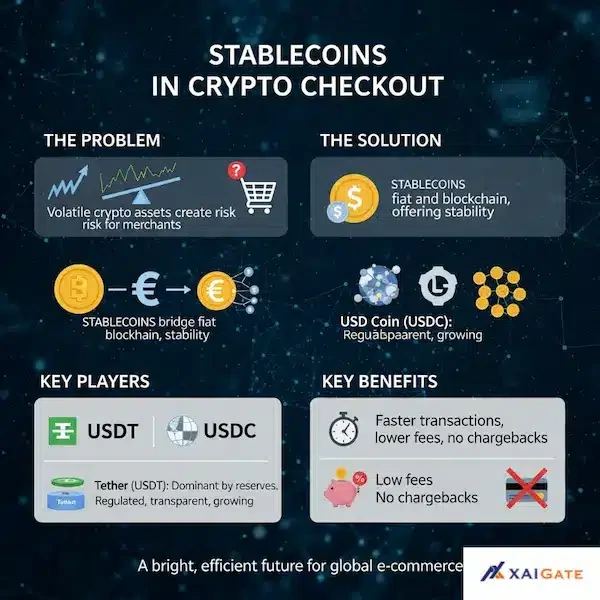
Coinbase's June 2 partnership with Checkout.com reframes stablecoins as a merchant-acceptance product for large enterprises instead of a crypto-native side channel. If big merchants can accept USDC and USDT while still settling in dollars through familiar infrastructure, crypto rails start looking less like a niche add-on and more like a practical commerce backend.
Coinbase's June 11, 2026 MassPay partnership suggests the most durable crypto growth lane right now is not louder consumer speculation, but using stablecoins as treasury and payout rails for global businesses that want faster settlement with less cross-border friction.
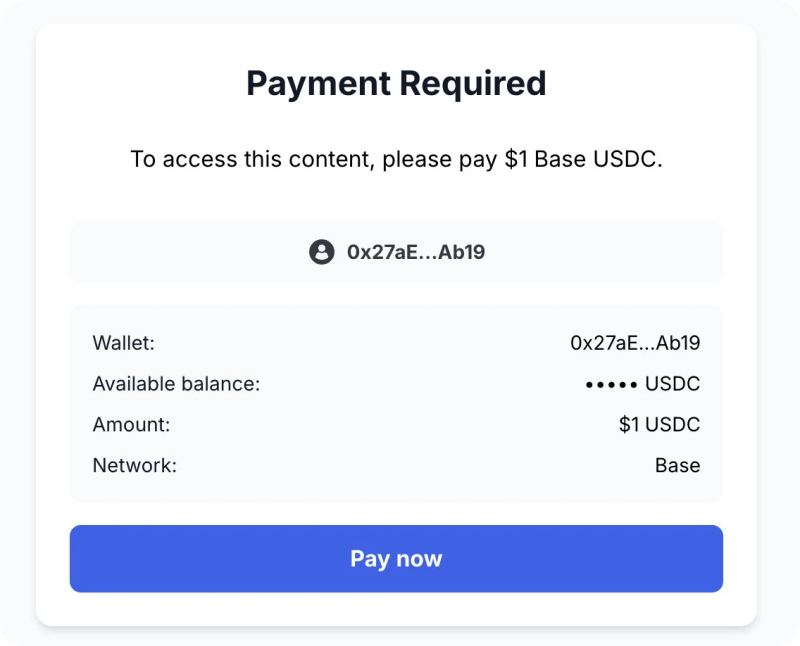
Coinbase's June 15, 2026 x402 work with AWS WAF reframes crypto utility around machine-to-machine payments for APIs, archives, and publisher content rather than consumer speculation alone.
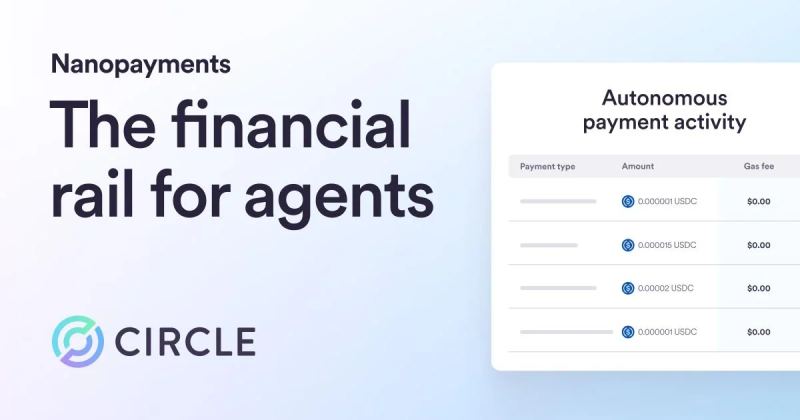
Circle's May 2026 agentic-economy rollout and its move of Nanopayments to mainnet suggest the strongest crypto infrastructure story right now is programmable USDC settlement for agents and APIs rather than exchange-driven speculation.
Coinbase's June 9, 2026 push around Coinbase Payments suggests the strongest near-term crypto adoption story may be production-grade stablecoin payment rails for merchants, PSPs, and business operations rather than speculative market activity.
Coinbase's June 9 to June 15 product sequence around Payments, Agents, and AWS-backed x402 support suggests crypto firms are trying to turn stablecoins and wallets into the default operating rails for machine-to-machine commerce.
Ripple's June 11 expansion with Bitso puts MXNB onto XRPL's Permissioned DEX and suggests the next crypto payments race in Latin America is about regulated peso-dollar settlement infrastructure for enterprises.
Kraken's June 4 partnership with Tempo shows stablecoin infrastructure shifting toward institutional bundles that combine liquidity, custody, listings, and on-off ramps around real payment flows.
Coinbase's June 11 MassPay partnership and its earlier Checkout.com merchant rollout show that the next crypto payments fight is being won in enterprise treasury, payouts, and merchant infrastructure rather than on speculative exchanges.
SoFi's May 27, 2026 consumer rollout of SoFiUSD and BitGo's infrastructure partnership show that stablecoins are moving deeper into regulated banking surfaces, where distribution and compliance matter as much as crypto-native reach.
Ripple's June 11 expansion with Bitso moves MXNB onto XRPL's Permissioned DEX alongside RLUSD, signaling that stablecoin competition is shifting from token issuance toward corridor-specific enterprise settlement infrastructure.
Coinbase's June 11 agent launch and its June 9 managed payments rollout point to a crypto market where the real prize is not token speculation, but programmable financial accounts that AI systems can use to trade, pay, and settle work directly.
Ripple and Bitso's June 11 expansion around MXNB on XRPL's permissioned infrastructure suggests the next crypto payments fight is not simply about stablecoin volume, but about regulated local-currency liquidity that enterprises can actually settle through.
Circle's June 8 cirBTC launch on Ethereum shows the next crypto infrastructure fight is moving from token hype toward institution-grade bitcoin collateral that can travel across lending, treasury, and settlement workflows.