Decentralized finance, blockchain, and crypto markets
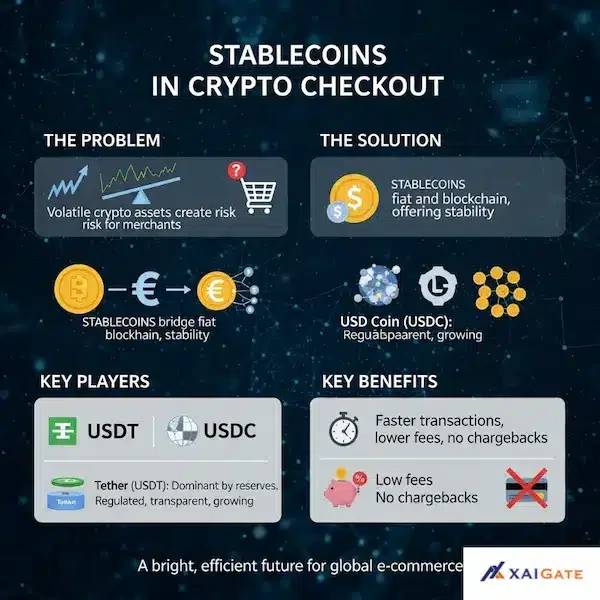
Coinbase's June 2 partnership with Checkout.com reframes stablecoins as a merchant-acceptance product for large enterprises instead of a crypto-native side channel. If big merchants can accept USDC and USDT while still settling in dollars through familiar infrastructure, crypto rails start looking less like a niche add-on and more like a practical commerce backend.
Coinbase's June 11, 2026 MassPay partnership suggests the most durable crypto growth lane right now is not louder consumer speculation, but using stablecoins as treasury and payout rails for global businesses that want faster settlement with less cross-border friction.
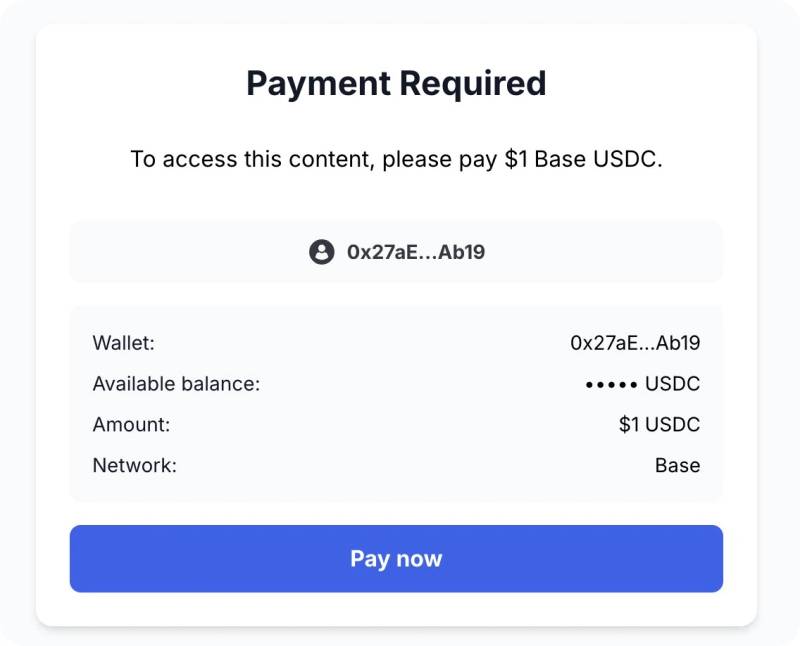
Coinbase's June 15, 2026 x402 work with AWS WAF reframes crypto utility around machine-to-machine payments for APIs, archives, and publisher content rather than consumer speculation alone.
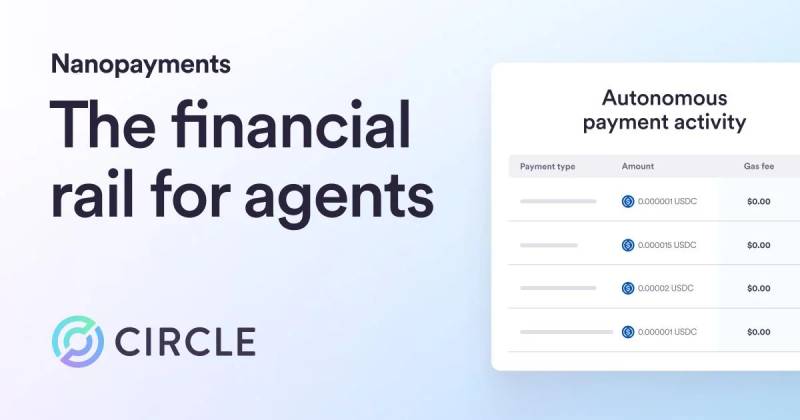
Circle's May 2026 agentic-economy rollout and its move of Nanopayments to mainnet suggest the strongest crypto infrastructure story right now is programmable USDC settlement for agents and APIs rather than exchange-driven speculation.
Coinbase's June 9, 2026 push around Coinbase Payments suggests the strongest near-term crypto adoption story may be production-grade stablecoin payment rails for merchants, PSPs, and business operations rather than speculative market activity.
Coinbase's June 9 to June 15 product sequence around Payments, Agents, and AWS-backed x402 support suggests crypto firms are trying to turn stablecoins and wallets into the default operating rails for machine-to-machine commerce.
Ripple's June 11 expansion with Bitso puts MXNB onto XRPL's Permissioned DEX and suggests the next crypto payments race in Latin America is about regulated peso-dollar settlement infrastructure for enterprises.
Kraken's June 4 partnership with Tempo shows stablecoin infrastructure shifting toward institutional bundles that combine liquidity, custody, listings, and on-off ramps around real payment flows.
Coinbase's June 11 MassPay partnership and its earlier Checkout.com merchant rollout show that the next crypto payments fight is being won in enterprise treasury, payouts, and merchant infrastructure rather than on speculative exchanges.
SoFi's May 27, 2026 consumer rollout of SoFiUSD and BitGo's infrastructure partnership show that stablecoins are moving deeper into regulated banking surfaces, where distribution and compliance matter as much as crypto-native reach.
Ripple's June 11 expansion with Bitso moves MXNB onto XRPL's Permissioned DEX alongside RLUSD, signaling that stablecoin competition is shifting from token issuance toward corridor-specific enterprise settlement infrastructure.
Coinbase's June 11 agent launch and its June 9 managed payments rollout point to a crypto market where the real prize is not token speculation, but programmable financial accounts that AI systems can use to trade, pay, and settle work directly.
Ripple and Bitso's June 11 expansion around MXNB on XRPL's permissioned infrastructure suggests the next crypto payments fight is not simply about stablecoin volume, but about regulated local-currency liquidity that enterprises can actually settle through.
Circle's June 8 cirBTC launch on Ethereum shows the next crypto infrastructure fight is moving from token hype toward institution-grade bitcoin collateral that can travel across lending, treasury, and settlement workflows.
Coinbase's new MassPay partnership suggests stablecoin adoption is shifting from exchange-centric narratives into enterprise payout infrastructure where treasury, compliance, and cross-border settlement matter most.
Coinbase is making direct INR deposits and withdrawals available in India, signaling that the next growth phase in crypto markets will be decided by local banking access and compliance readiness as much as by token breadth.
Coinbase is extending crypto market structure into adjacent asset classes, using perpetual-style instruments and regulated derivatives access to widen what onchain-native trading venues can become.
Ripple's June 2, 2026 Türkiye expansion matters because it turns RLUSD from a global stablecoin product into a locally distributed institutional liquidity instrument in one of the world's most active crypto markets.
Figure's May 5, 2026 YLDS launch on Stellar matters because it pushes the stablecoin conversation away from pure payments and speculation toward compliant yield-bearing dollar savings distributed through fintech apps.
The April 13, 2026 EURAU launch on Stellar matters because it shows stablecoin competition widening into regulated euro settlement, where institutional distribution and compliance matter as much as blockchain speed.
Circle's April 8, 2026 Managed Payments launch matters because it turns stablecoin settlement into a compliance-ready full stack that mainstream institutions can adopt without owning the crypto complexity themselves.
Mastercard's June 3, 2026 settlement update matters because it moves stablecoins deeper into the plumbing of global card payments, where liquidity timing and operating flexibility matter more than consumer spectacle.
Ripple's June 2, 2026 RLUSD expansion into Türkiye matters because the next phase of crypto adoption looks less like speculative exchange trading and more like regulated local distribution, institutional access, and market-specific payment utility.
Circle's June 4, 2026 MiCA update matters because it reframes stablecoin adoption in Europe around licensing, redemption, and reserve structure rather than just chain support or market cap.