Decentralized finance, blockchain, and crypto markets
Coinbase and Marex are testing a regulated clearing workflow in which USDC can move into derivatives margin operations, making stablecoins a settlement tool for market infrastructure rather than only a trading balance.
RealFi's Phase 1 testnet opens swap, stake, and unstake flows around USDr and sUSDr, offering a live experiment in whether stablecoin capital can connect to real-world credit markets.
Visa’s Stablecoin Platform gives banks, fintechs, and payment providers a managed path to mint, move, store, and redeem stablecoins, shifting the conversation from token launches to operational infrastructure.
Tether's U.S.-focused USAT stablecoin is moving beyond Ethereum onto Celo, where native minting, burning, and fee abstraction make regulated dollars easier to use in payment-oriented applications.
CFTC guidance around perpetual contracts and digital-asset collateral gives US institutions a clearer route into global crypto derivatives while leaving leverage, custody, and cross-border risk unresolved.
Circle’s OCC approval and a live USDC margin workflow with Marex show digital assets moving deeper into regulated custody, clearing, and treasury operations.
Stellar's x402 implementation shows how stablecoin settlement, HTTP payment terms, and facilitator verification could let software buy digital services without prebuilt accounts or subscriptions.
The Bank of England's draft rules put prompt redemption, reserve discipline, and central-bank oversight at the center of a 2027 path for systemic sterling stablecoins.
Uniswap’s new v4 hook standard checks wallet eligibility and liquidity permissions at the pool layer, giving tokenized funds and securities a route into AMM trading without relying on a frontend gate.
Visa’s Stablecoin Platform is less a consumer crypto wallet than an operations layer for institutions that need governed minting, redemption, transfers, and settlement controls in one place.
Uniswap’s new v4 permissioned-pool standard is a bet that regulated assets can use automated market makers without abandoning programmable settlement or composability.
Fresh SEC-CFTC alignment around crypto market structure is shifting the question from whether digital assets trade to where, how and under which rulebook.
The CFTC's July comment-period extension keeps perpetual-contract market structure in focus as crypto derivatives push toward regulated U.S. venues.
With crypto market-structure bills still facing timing risk, the SEC's safe-harbor agenda is becoming the practical near-term path for DeFi builders.
The Senate's shrinking pre-recess calendar and CFTC's parallel market-structure agenda are turning U.S. crypto regulation into a test of legislative bandwidth.
The CFTC's extended comment period on 24/7 trading and perpetual contracts keeps crypto market-structure reform focused on customer protection, resilience and product classification.
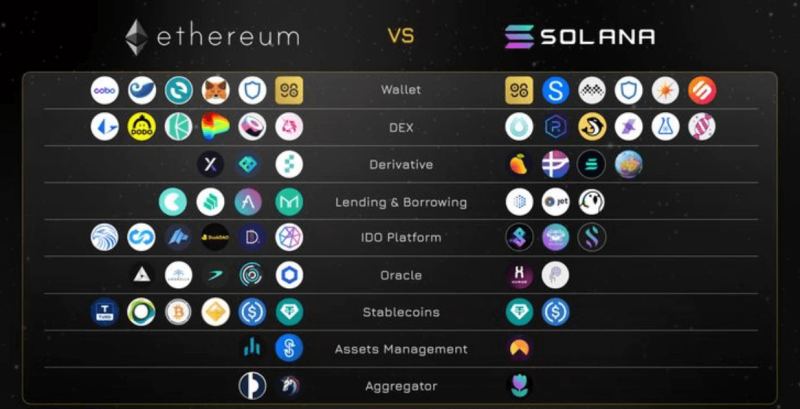
Fresh market data points to busier Ethereum, Solana and Avalanche networks even as costs fall, putting DeFi's next test on real usage rather than token-price momentum alone.
The CFTC's July 27 comment deadline on 24/7 trading and perpetual-style contracts gives crypto venues a formal opening to argue that always-on markets need clearer U.S. derivatives rules.
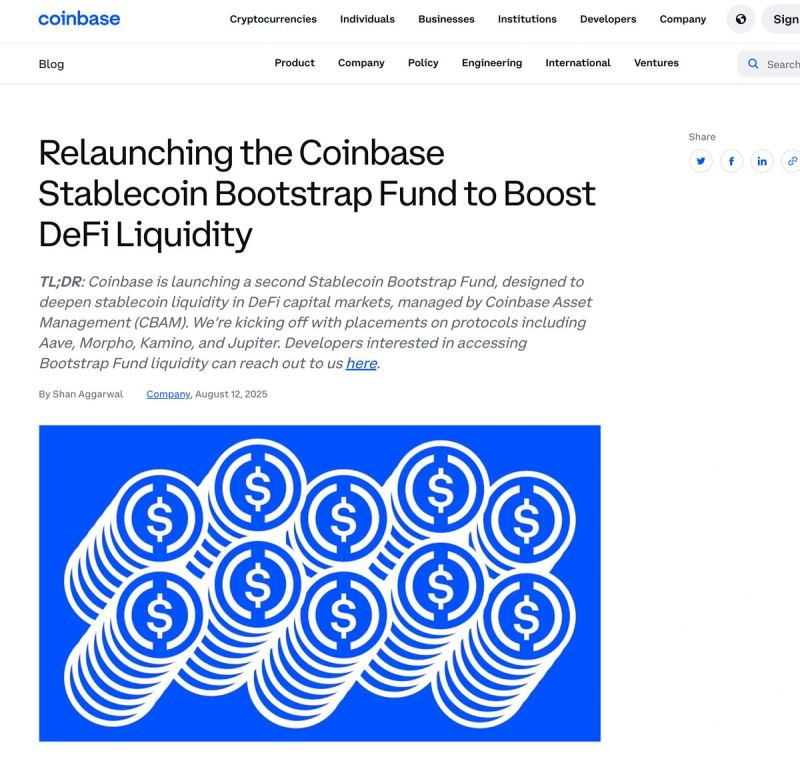
Coinbase Asset Management is reviving its Stablecoin Bootstrap Fund to seed USDC liquidity in DeFi, turning a crypto-native incentive into a more institutional market-structure tool.
U.S. GENIUS Act implementation is putting redemption timing, issuer supervision, reserve quality, and state-federal oversight at the center of the stablecoin market structure debate.
Circle's current USDC circulation data and Ramp's Stripe-powered rollout show stablecoins moving from crypto trading balances into controlled corporate payment workflows.
Europe's MiCA transition has moved from preparation to enforcement, forcing exchanges, custodians, and DeFi-adjacent service providers to prove authorization or leave EU users in wind-down mode.
A market bounce around Coinbase and Circle shows traders want crypto market-structure law, but the Senate fight is now as much about conflicts as tokens.
The Block and CoinDesk both flagged fresh exploit stories around Arbitrum-based AFX Trade and the Balance stablecoin, keeping infrastructure risk at the center of DeFi's market narrative.