Decentralized finance, blockchain, and crypto markets
Standard Chartered's July 2 integration with Circle matters because it gives institutional clients direct access to USDC minting and redemption through a global bank relationship, tightening the link between regulated treasury flows and stablecoin rails.
Open Standard's June 30 unveiling of Open USD matters because it reframes the stablecoin race around who shares reserve economics, who controls the roadmap, and which real-world payment networks are willing to distribute the asset.
Coinbase's June 30 announcement with Spiko matters because it pushes USDC and EURC beyond exchange settlement and into regulated money-market fund entry and exit, compressing a legacy timing gap that traditional fund plumbing rarely solves.
Open Standard's June 30 launch of Open USD matters because it reframes stablecoin competition around shared reserve economics, neutral governance, and enterprise distribution instead of single-issuer control.
Circle's July 1 Cronos rollout matters because it combines native USDC, EURC, and CCTP into a single interoperability package for trading, payments, DeFi, and agent-driven applications.
Circle's July 1 expansion of Stablecoin Payouts through Circle Mint France matters because it brings compliant USDC and EURC third-party payouts further into European operating workflows.
Kraken says eligible US traders can now access CFTC-regulated perpetual futures on Kraken Pro, a sign that one of crypto's biggest offshore product categories is being rebuilt inside US rules instead of around them.
Coinbase's June 30 Spiko announcement matters because it connects USDC and EURC directly to UCITS Treasury funds, pushing stablecoins from crypto-native settlement into regulated fund subscriptions and redemptions.
Coinbase's investment in ProShares' IQMM fund matters because it shifts stablecoin competition toward the cash-management and redemption machinery that sits behind every tokenized dollar promise.
Coinbase and Spiko's June 30, 2026 launch matters because it connects regulated money-market fund access with stablecoin funding rails, pushing treasury products closer to always-open onchain liquidity instead of banking-hour settlement.
BNY's June 29, 2026 expansion with Circle matters because it moves USDC beyond headline adoption and into a bank-grade custody, mint, and burn workflow that institutions can actually operate at scale.
The June 30 Open USD launch matters because it reframes stablecoins from issuer-owned products into shared infrastructure backed by payment networks, banks, cloud firms, and crypto platforms.
BNY's expanded Circle relationship matters because it makes USDC custody, minting, and redemption look less like specialist crypto plumbing and more like a native institutional treasury function inside a major bank.
Solana's new Subscriptions & Allowances program gives developers native recurring billing and delegated spending, pushing crypto toward budget-bounded agent wallets instead of ad hoc signatures.
Coinbase's June partnership with MassPay shows how stablecoins are moving from exchange-native activity into a more enterprise-ready payout and treasury operating layer.
BNY and Circle's June 29 expansion links USDC custody, minting, and burning inside one institutional operating model, pushing stablecoins closer to treasury infrastructure and further away from their old exchange-first identity.
Coinbase's June payments messaging and its MassPay partnership suggest the company's clearest crypto growth path is becoming a stablecoin operations layer for enterprises that need treasury, wallets, and cross-border payouts to behave like infrastructure.
Ripple's Japan launch for RLUSD with SBI VC Trade shows the next stablecoin growth phase is not just minting supply, but securing regulated local channels that can serve institutions and retail users under country-specific rules.
Coinbase's June derivatives push suggests the next phase of crypto-market structure is about packaging scarce private-asset exposure into always-on, token-settled trading rails.
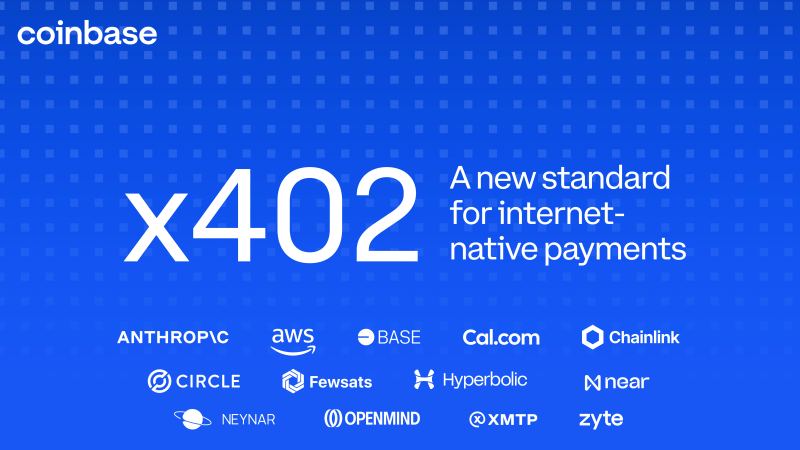
Coinbase's x402 work with AWS points to a more practical crypto use case: letting APIs, agents, and websites charge tiny stablecoin payments directly at the network edge.
Ripple's June expansion moves for RLUSD in Japan and Latin America suggest the next crypto battleground is not proving that stablecoins work, but embedding them through local partners, permissions, and enterprise corridors.
Coinbase's June product push around stocks, pre-IPOs, direct deposit, and its "Everything Exchange" vision shows crypto platforms trying to become full-spectrum financial operating systems rather than single-purpose trading venues.
Checkout.com's June stablecoin push with Fireblocks and Coinbase shows digital assets moving deeper into merchant settlement, where speed, liquidity, and always-on payout windows matter more than crypto branding.
Circle's 2026 nanopayments rollout suggests crypto's most defensible next chapter may be high-frequency machine commerce and usage billing, not louder consumer-token narratives.