Decentralized finance, blockchain, and crypto markets
MoonPay's May 14, 2026 Headless Onramps launch matters because it turns crypto buying into an embedded payments primitive that wallets and apps can own end to end instead of outsourcing the user experience to a branded redirect.
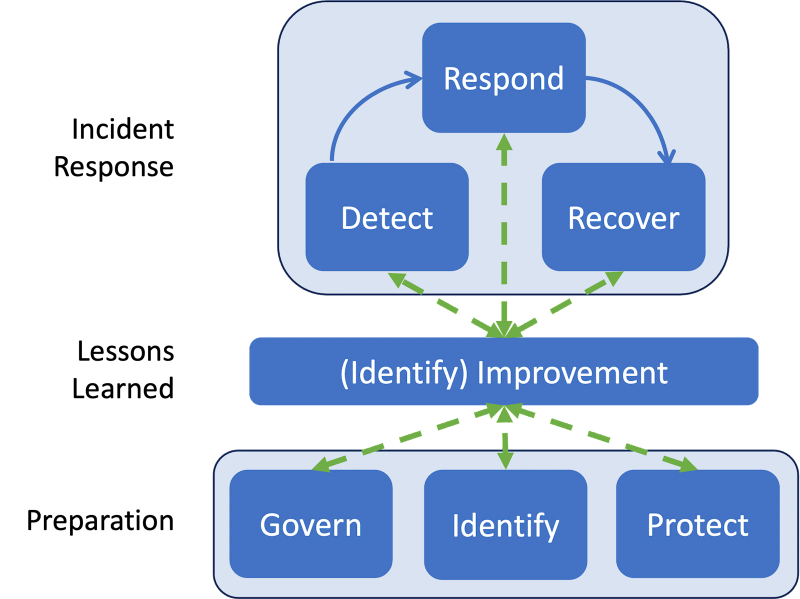
Stellar's CAP-77 and Protocol 26 materials matter because they treat emergency response as a first-class protocol function: auditable, reversible, and validator-governed instead of improvised in an off-chain panic.
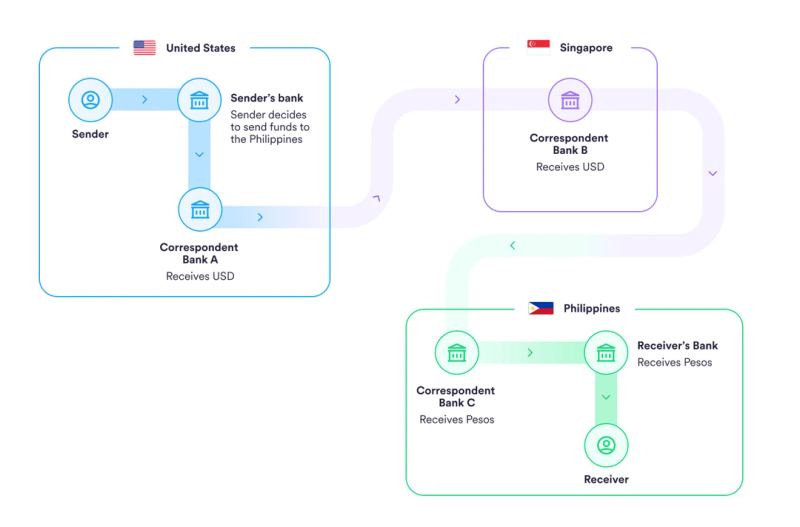
The May 27, 2026 Circle-Nium partnership matters because it connects USDC settlement to last-mile payouts in more than 190 countries and pushes stablecoins closer to a complete cross-border payments workflow.
Ethereum's May 12, 2026 clear-signing launch matters because it reframes crypto security around the last decision a user makes before losing funds: approving an unreadable transaction, a weakness the ecosystem is now trying to turn into a human-readable, auditable control point.
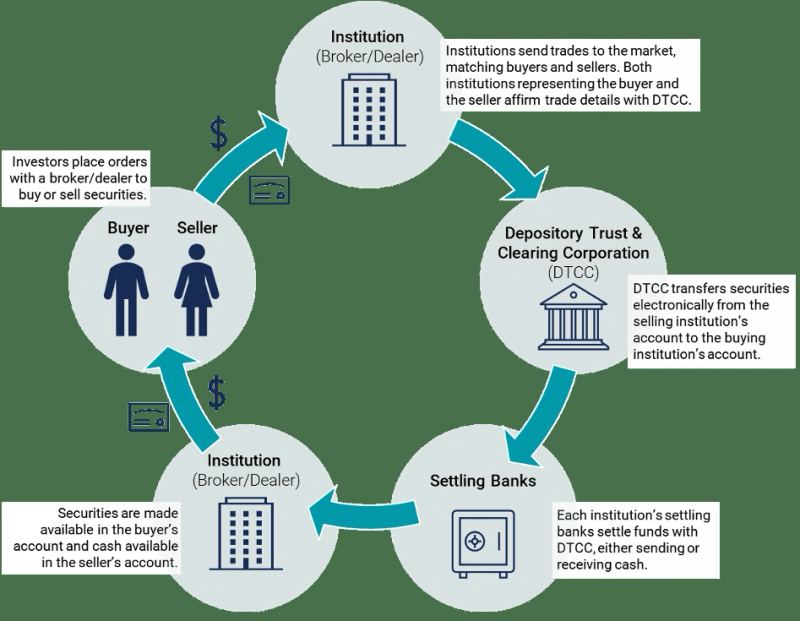
DTCC's May 4, 2026 tokenization update matters because it moves digital-asset infrastructure away from speculative narratives and toward production market structure, with limited tokenized-securities trades planned for July and a broader launch targeted for October.
Visa's April 29, 2026 expansion of its stablecoin settlement pilot to nine blockchains matters because it frames crypto less as a consumer novelty and more as backend financial infrastructure that large networks can route through when speed, programmability, and nonstop settlement matter.
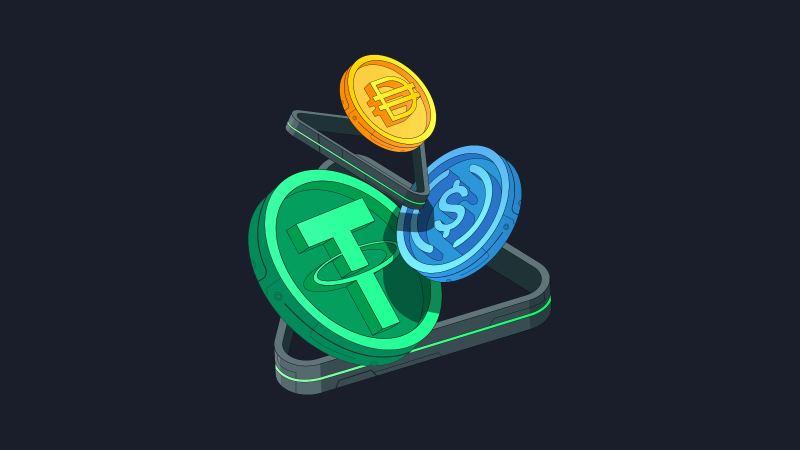
Tether's May 25, 2026 GELT announcement matters because it treats stablecoins less as offshore trading tools and more as government-aligned currency infrastructure tied to a national regulatory framework.
Figure's May 5, 2026 YLDS launch on Stellar matters because it pushes stablecoins toward regulated, yield-bearing savings products distributed through fintech apps, not just trading and settlement infrastructure.
Visa's April 14, 2026 Tempo validator launch matters because it moves the company deeper into blockchain operations just as its stablecoin settlement pilot expands from experimentation into multi-chain payment infrastructure.
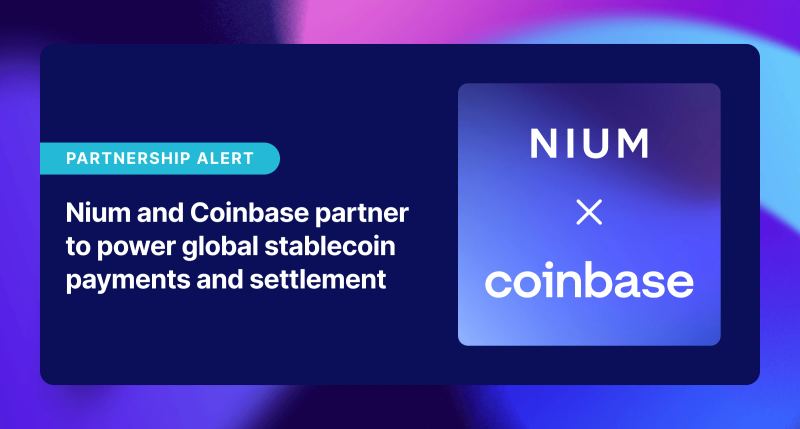
Nium's April 21, 2026 Coinbase partnership matters because it turns USDC into a behind-the-scenes operational rail for treasury, payouts, and card programs across a licensed cross-border payments network.
Stellar's May 12, 2026 Bermuda announcement matters because it shifts the onchain-finance conversation from token speculation toward government payments, merchant costs, and national-scale money movement.
Circle's May 11, 2026 Agent Stack launch matters because it packages wallets, marketplaces, micropayments, and command-line controls into infrastructure for AI agents to hold and spend USDC under explicit guardrails.
Circle's May 18 MiCA positioning matters because it reframes stablecoin competition around compliant distribution and redemption access across Europe rather than pure on-chain growth metrics.
Coinbase's May 19, 2026 custom-stablecoin push matters because it reframes stablecoins as programmable distribution and loyalty rails for platforms, marketplaces, and AI-native products rather than back-office settlement tools alone.
Circle's April and May product updates matter because they turn stablecoin settlement into a managed service for banks and PSPs instead of asking every institution to become a crypto operator.
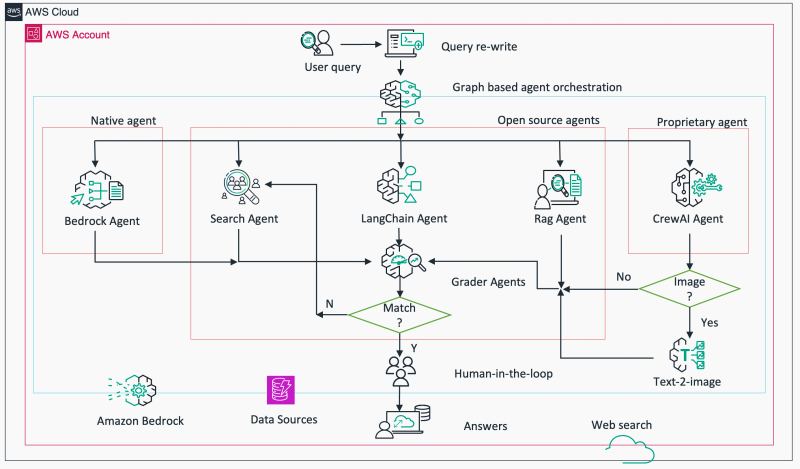
Stripe's May 7 partnership with AWS AgentCore matters because it packages wallets, spending controls, and stablecoin settlement into a managed payment layer for autonomous software agents.
Circle's May 11 Agent Stack launch matters because it packages wallets, micropayments, service discovery, and programmable settlement into a crypto infrastructure layer built specifically for software agents.
Coinbase's custom stablecoin push matters because it shifts the market from trading tokens toward distributing programmable dollar rails that businesses and autonomous agents can actually use at scale.
Circle's Payments Network push is notable because it treats stablecoins less like speculative assets and more like cross-border settlement plumbing for regulated financial institutions.
Visa's latest stablecoin move is less about adding blockchains for marketing optics and more about admitting that mainstream crypto settlement will be negotiated across multiple chains, partners, and compliance models at once.
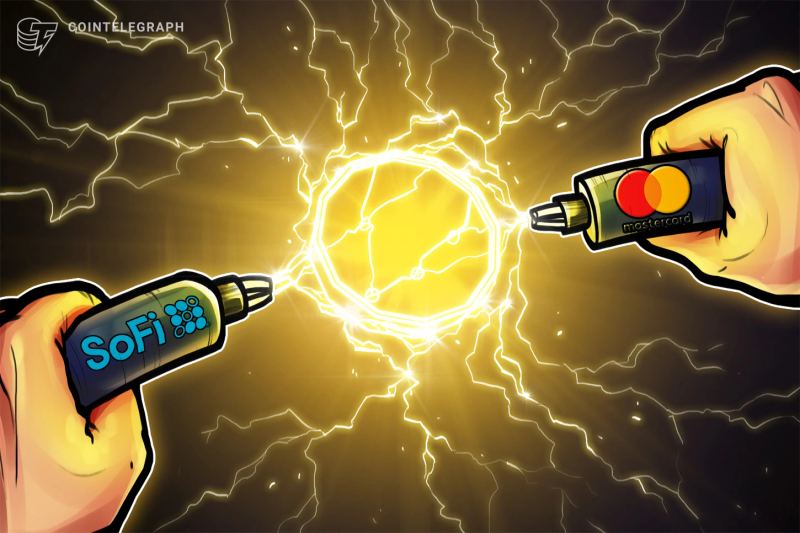
Mastercard's MoonPay partnership suggests the next stablecoin battleground is not token issuance alone, but whether crypto balances can move through familiar merchant rails at global scale.
Payward's planned acquisition of Reap shows the crypto market's most serious commercial energy shifting from token speculation toward card issuing, treasury, and cross-border payment infrastructure.
Mesh's May 7, 2026 integration with Stellar shows the crypto payments market shifting away from speculative token narratives and toward institution-grade settlement, regulated liquidity, and interoperable payment infrastructure.
Mastercard's March 2026 crypto program, trust framework, and BVNK acquisition point to a market where stablecoin infrastructure is being folded into mainstream payment-network strategy rather than left to standalone crypto firms.