AMD's Taiwan buildout says AI hardware leadership will be bought in packaging, optics, and ecosystem depth
AMD's May 2026 plan to invest more than $10 billion across Taiwan matters because the AI hardware race is now being decided by packaging capacity, supply-chain density, and ecosystem execution, not chip design alone.
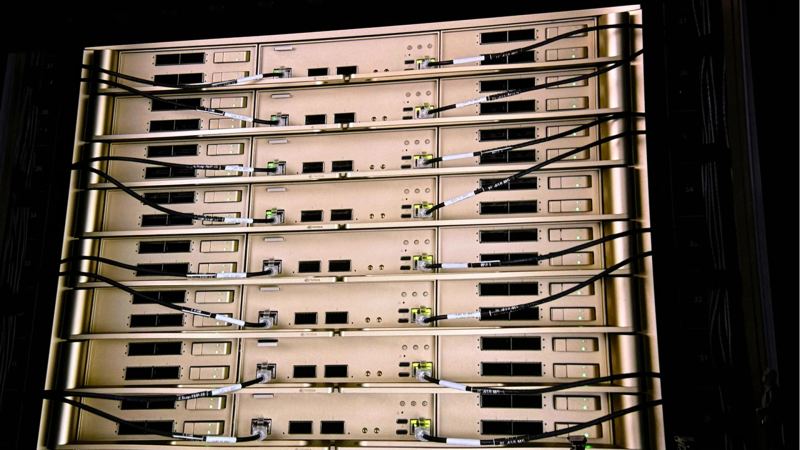
NVIDIA and Corning say AI hardware bottlenecks are moving into optics and materials, not just chips
NVIDIA's May 6, 2026 manufacturing partnership with Corning matters because AI infrastructure scale now depends on fiber, glass, and interconnect capacity as much as it does on the processors inside the rack.
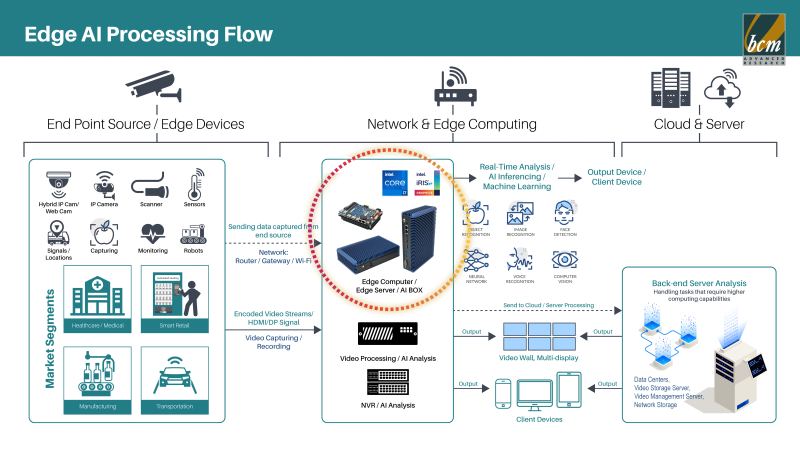
Intel's edge robotics push says physical AI is chasing cheaper local compute, not bigger cloud stacks
Intel said on May 20, 2026 that Core Ultra Series 3 is becoming a standard edge compute layer for robotics, which matters because physical AI economics improve when vision, language, and motion workloads move onto one local chip instead of depending on discrete GPUs and constant cloud handoffs.
AMD's Taiwan investment wave says AI hardware leadership is being bought in packaging, not just chip design
AMD's May 21, 2026 plan to invest more than $10 billion across the Taiwan ecosystem matters because AI hardware competition is being decided by advanced packaging, interconnect, and deployable system economics as much as by silicon roadmaps.
AMD's smaller Versal Prime Gen 2 parts say edge AI hardware is being won by system density, not just raw silicon bragging
AMD's May 27, 2026 launch of new Versal Prime Series Gen 2 devices matters because it targets embedded and edge builders who need more compute per board area, stronger video and memory capability, and easier platform reuse across robotics, vision, and industrial systems.
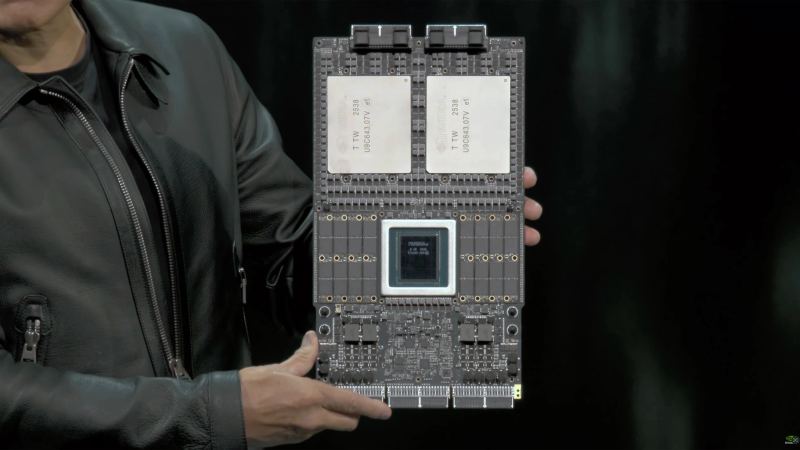
AMD's Venice ramp says AI server competition is shifting from roadmap slides to 2nm manufacturing readiness
AMD's May 21, 2026 production-ramp announcement for its next-generation EPYC processor Venice matters because AI compute competition is no longer just about architectures and partnerships; it is now about who can turn leading-edge foundry access into shipping server capacity on time.

AMD's $10 billion Taiwan push says AI hardware advantage now depends on packaging ecosystems, not just chip design
AMD's May 21, 2026 investment plan across Taiwan matters because the next AI hardware bottleneck is moving beyond silicon roadmaps into packaging, bandwidth, manufacturing coordination, and the ability to ship rack-scale systems at industrial volume.

NVIDIA and Corning's optical-manufacturing pact says AI hardware bottlenecks now extend beyond chips
NVIDIA and Corning's May 6, 2026 partnership matters because it shows the AI infrastructure race is now constrained by fiber, optics, and plant capacity as much as by GPUs and advanced packaging.

Qualcomm's FastConnect 8800 says AI hardware needs smarter wireless systems, not just faster chips
Qualcomm's March 2, 2026 FastConnect 8800 launch matters because it treats connectivity as part of the AI hardware stack, with 4x4 Wi-Fi, Wi-Fi 8, and proximity intelligence built for context-aware devices.

Figure's YLDS launch on Stellar says onchain dollars are competing to become savings products, not just settlement chips
Figure's May 5, 2026 YLDS launch on Stellar matters because it pushes stablecoins toward regulated, yield-bearing savings products distributed through fintech apps, not just trading and settlement infrastructure.
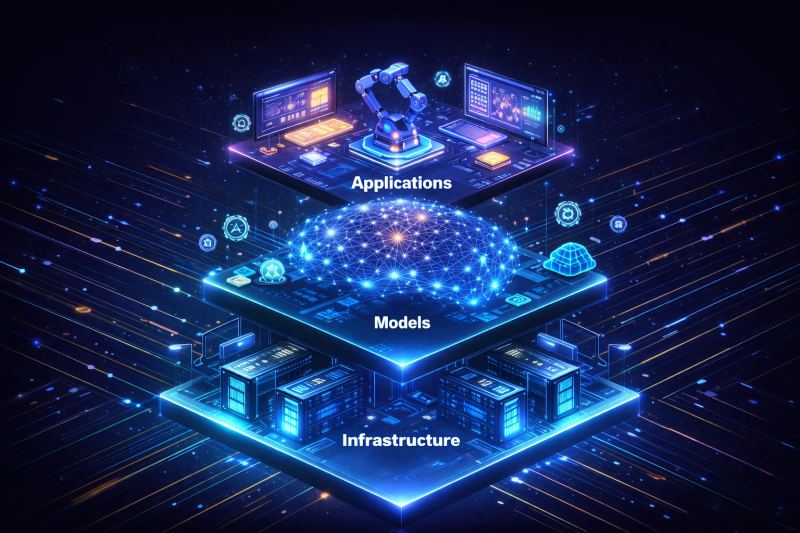
Intel and Google say the next hardware moat is balanced AI infrastructure, not accelerator theater
Intel's April 9, 2026 expansion with Google matters because it reframes AI hardware competition around CPUs, IPUs, orchestration, and system efficiency rather than accelerator headlines alone.

Mastercard's Virtual C-Suite says fintech is moving from payment rails to agentic operating intelligence
Mastercard's March 10, 2026 Virtual C-Suite launch matters because it extends the payments giant from transaction infrastructure into AI-guided decision systems for small-business finance and commerce.
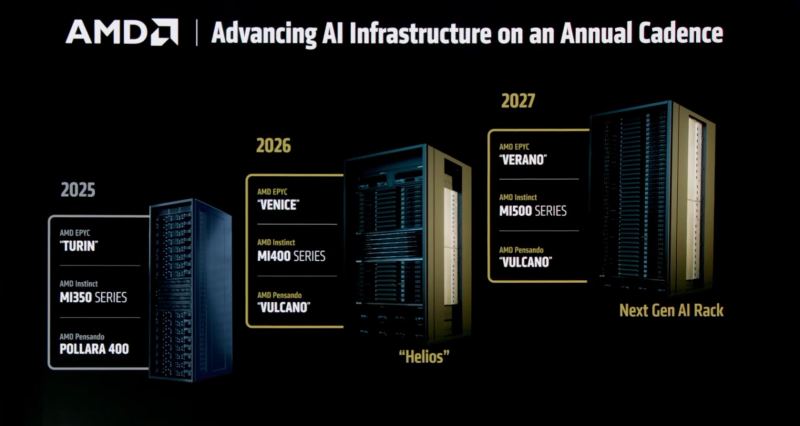
AMD's Venice production ramp says the AI server race is moving from roadmap claims to 2nm manufacturing execution
AMD's May 21, 2026 Venice update matters because it turns 2nm AI server CPU ambition into production-ramp execution and ties future supply directly to the infrastructure buildout for agentic workloads.
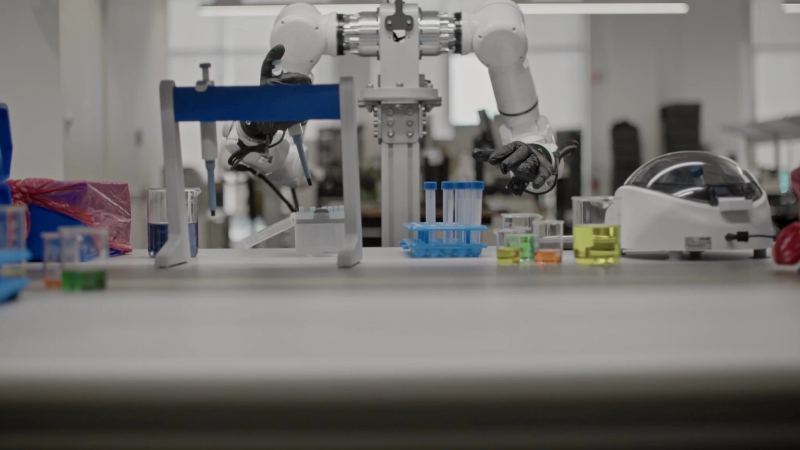
Genesis AI's GENE-26.5 says physical AI is racing toward general manipulation, not single-task demos
Genesis AI's May 6, 2026 GENE-26.5 launch matters because the company is tying robotic intelligence to a full-stack data engine and dexterous hardware instead of isolated robotics demonstrations.
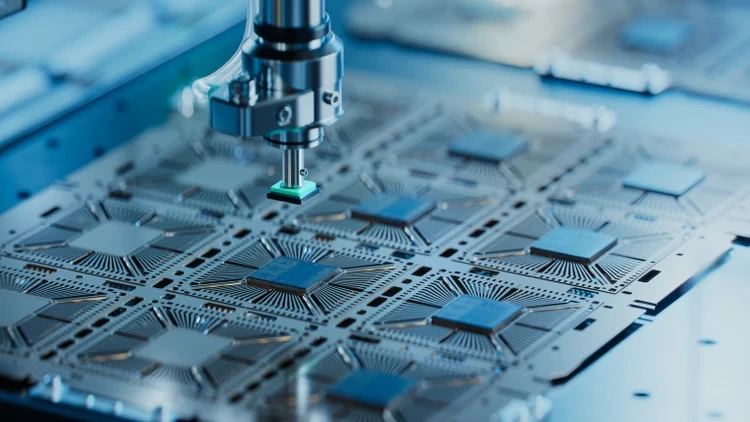
AMD's Taiwan spending spree says the next AI hardware bottleneck is advanced packaging, not just access to accelerators
AMD's May 21, 2026 announcement of more than $10 billion in Taiwan ecosystem investments matters because the AI hardware race is shifting toward packaging capacity, interconnect efficiency, and rack-scale deployment readiness.
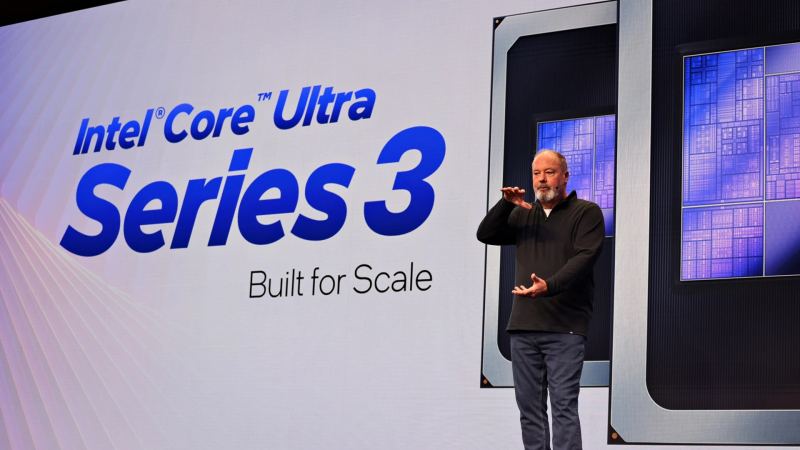
Intel's Core Ultra Series 3 push says edge robotics hardware now wins on integrated AI economics, not GPU prestige
Intel's May 20 Core Ultra Series 3 robotics message matters because it frames edge AI compute as a total-system economics problem where integrated CPU, GPU, and NPU matter more than attaching discrete accelerators everywhere.
Adyen's Intelligent Money Movement says treasury is becoming a live operating layer, not a reconciliation chore
Adyen's May 20, 2026 launch of Intelligent Money Movement matters because it turns treasury decisions into a continuous optimization system across accounts, entities, and payment flows instead of a slow back-office routine.
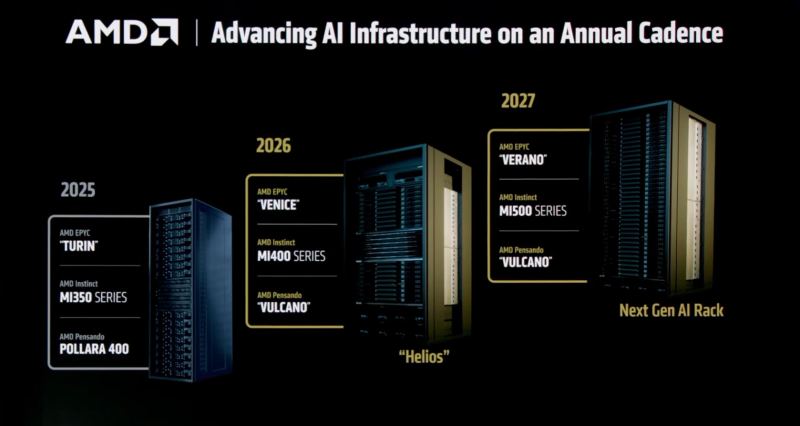
AMD's Venice ramp says the next hardware moat is manufacturing readiness for AI infrastructure, not just benchmark theater
AMD's May 21 Venice milestone matters because it ties AI server demand to foundry execution, packaging scale, and supply confidence rather than only to chip specifications.
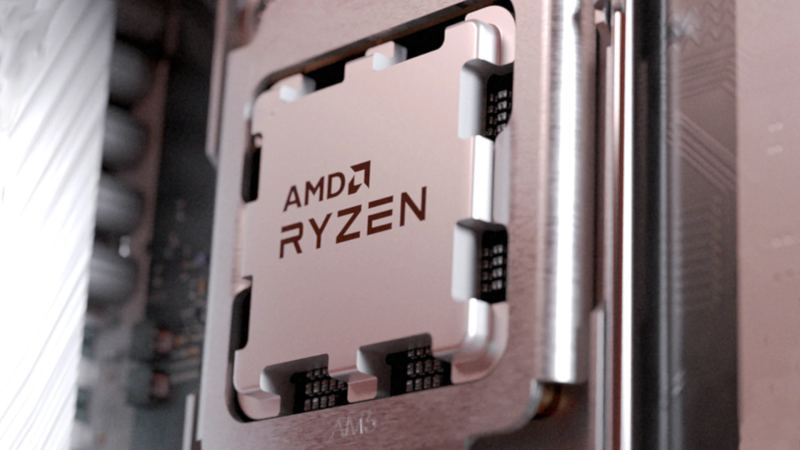
AMD wants agent computers to run serious local models, not just sprinkle AI features onto PCs
AMD's May 20 Ryzen AI Halo and Max PRO push matters because it frames the next hardware fight around local agent execution, unified memory, and workstation-class AI on a single compact system.
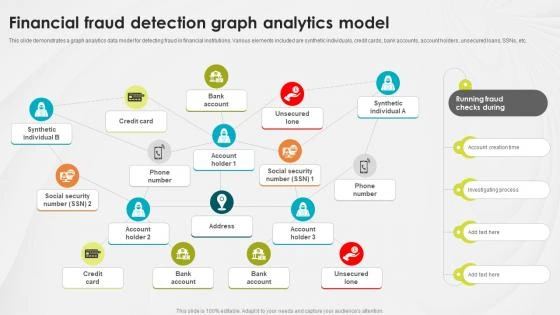
Plaid's Ti3 says the next fintech edge is network-level fraud intelligence, not one-app risk models
Plaid's May 18 launch of Trust Index 3 matters because it expands fraud detection from app-level signals to a much larger cross-network relationship graph built for coordinated attacks.
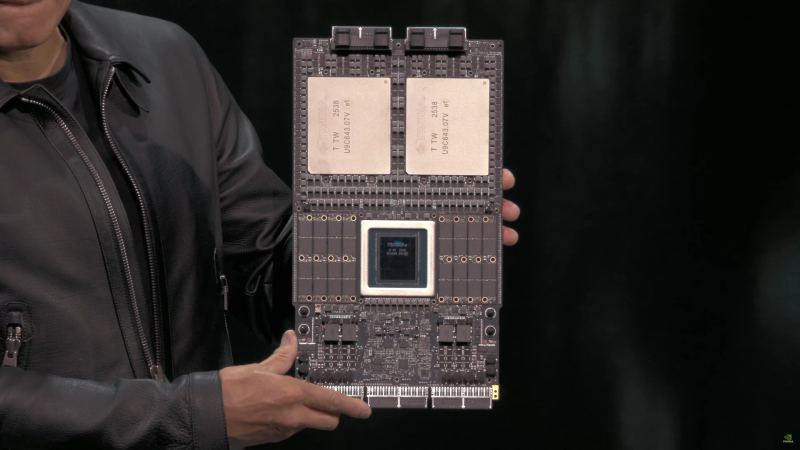
NVIDIA's Vera Rubin push says the next hardware moat is the rack-scale AI factory, not the individual accelerator
NVIDIA's 2026 Rubin and Vera Rubin messaging matters because it reframes AI hardware as a fully co-designed rack-scale system built for long-context, multi-agent, low-latency workloads rather than a simple chip upgrade cycle.
Adyen is trying to turn treasury from a fragmented back office into a real-time operating layer for global commerce
Adyen's Intelligent Money Movement launch matters because it connects pay-ins, liquidity management, and payouts in one stack, aiming to give large enterprises more direct control over how money moves through their operations.
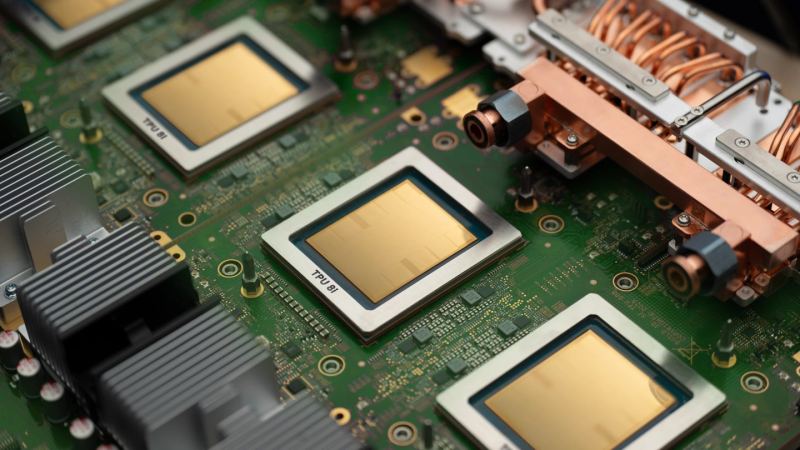
Google's TPU split says the next AI hardware race is about specialized infrastructure for agents, not one-chip-fits-all bragging rights
Google's TPU 8i and 8t launch matters because it shows hyperscale AI hardware is fragmenting into purpose-built systems for inference agents and giant training workloads rather than one generalized compute story.
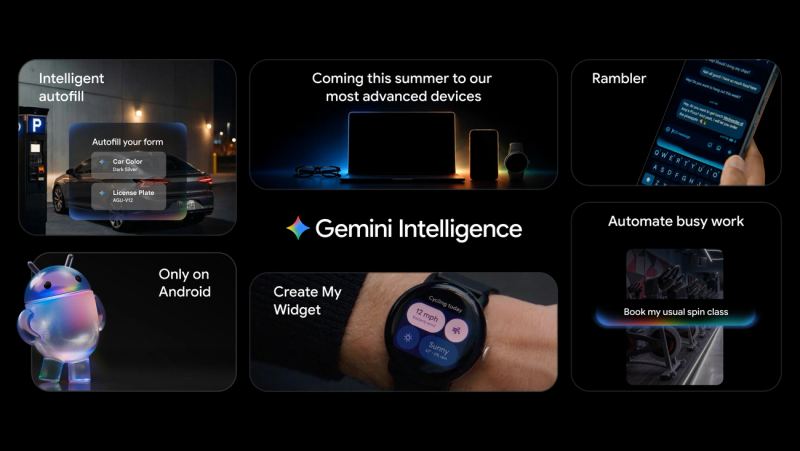
Google is turning Android into a proactive AI operating layer instead of a phone OS you manage by hand
Google's Gemini Intelligence push matters because it reframes Android as an AI system that can complete multi-step work across apps, not just a mobile platform that waits for taps.