
Plaid is trying to turn financial data context into the control layer for AI-native banking and consumer finance
Plaid's latest Bank Intelligence and AI-finance messaging matters because it argues the next advantage in fintech will come from cross-institution context, not just owning a front-end app.
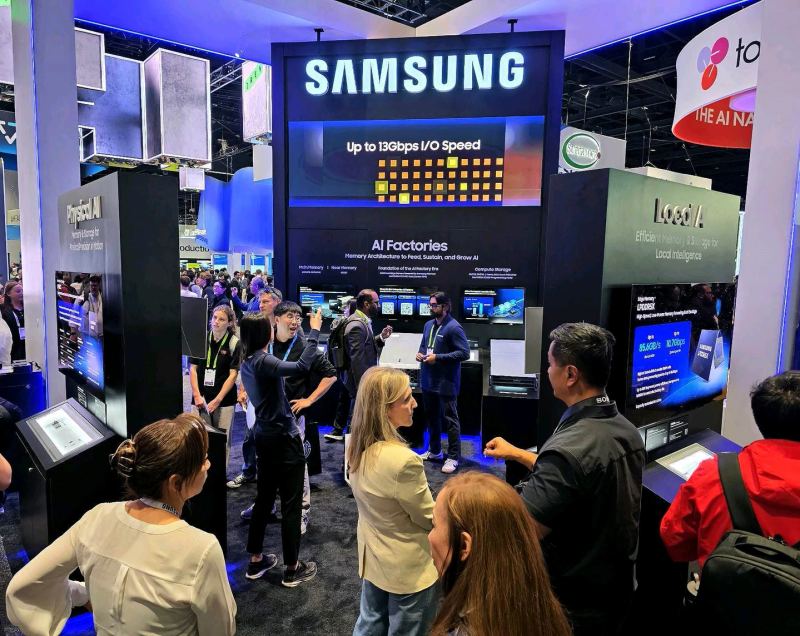
Samsung and AMD are making memory bandwidth the next frontline of AI infrastructure
Samsung and AMD's expanded collaboration shows that the AI hardware race is no longer just about accelerators, but about who can deliver memory, packaging, and rack-scale coordination as one performance system.
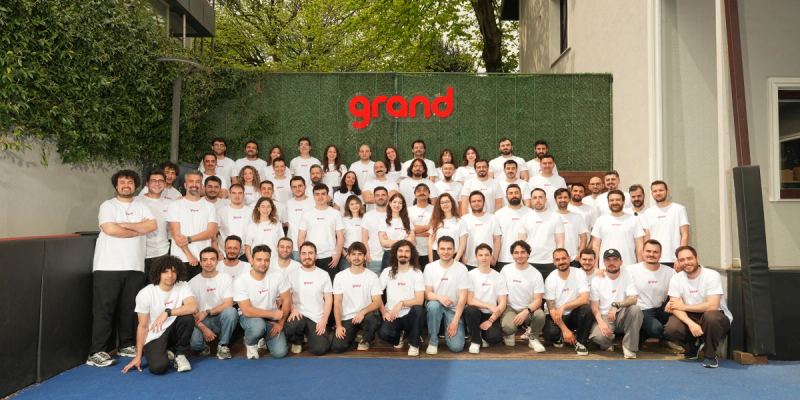
Gaming's May deal flow says the business is moving from hit releases to intelligence, funding, and installed-base leverage
Sensor Tower's move on AppMagic, Grand Games' $70 million round, and Switch 2's early installed-base momentum point to a gaming market where data, capital discipline, and platform scale are becoming as important as the next hit launch.

Intel's Computex 2026 message says AI hardware is circling back to system design, not just accelerator count
Intel's May 5, 2026 Computex preview and its April infrastructure collaboration with Google show the company trying to reposition CPUs and open system architecture as core ingredients of scalable AI, rather than leftovers beside GPUs.
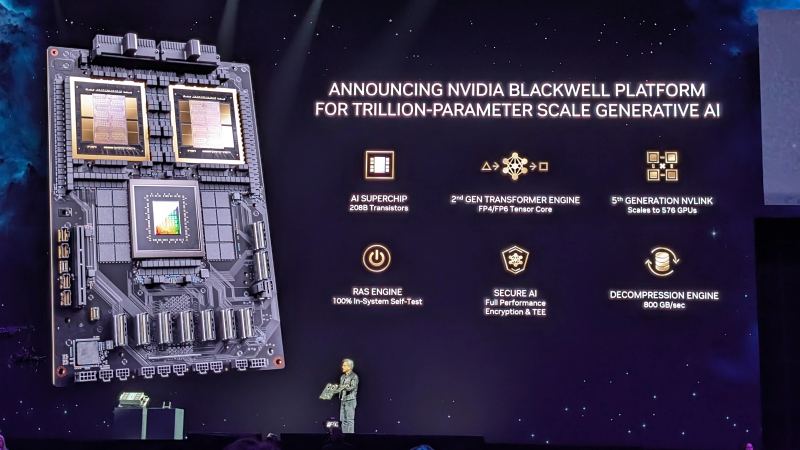
AMD's latest AI surge says the hardware battle is moving from single chips to full-stack deployment readiness
AMD's May 5, 2026 results and event positioning show an AI hardware market that is now being won through supply, systems, and deployment confidence as much as through accelerator specs.
AMD's six-gigawatt Meta deal says AI hardware is now being won at utility scale, not server scale
AMD's February 24, 2026 announcement with Meta reframes AI hardware competition around power envelopes, supply commitments, and datacenter system scale rather than individual accelerator launches.
Intel and Google's deeper AI infrastructure pact says the next hardware bottleneck is orchestration silicon, not just GPUs
Intel's April 9, 2026 infrastructure pact with Google and the later surge in AI CPU demand suggest the hardware race is widening beyond accelerators toward Xeons, IPUs, and system balance.

Google's Gemini Intelligence push turns Android from an app platform into a software layer that tries to act for you
Google's Android Show announcements on May 12, 2026 reposition Android as an intelligence system, extending Gemini from an assistant app into a software layer that can automate tasks, fill forms, and mediate app behavior.
Qualcomm's latest Snapdragon 6 and 4 chips show the next AI hardware fight is moving down into affordable phones
Qualcomm's May 7, 2026 Snapdragon 6 Gen 5 and 4 Gen 5 launches suggest AI-era hardware differentiation is expanding beyond flagship devices into the mass market where battery life, image quality, and responsiveness still decide adoption.

Anthropic's Google-Broadcom compute pact says AI infrastructure power is shifting from model headlines to gigawatt planning
Anthropic's April 6 partnership disclosure and Broadcom's later capacity filing show frontier AI competition moving into a harder physical layer: multi-gigawatt data-center planning, custom TPU deployment, and chip-to-power commitments that look more like utility projects than cloud rentals.
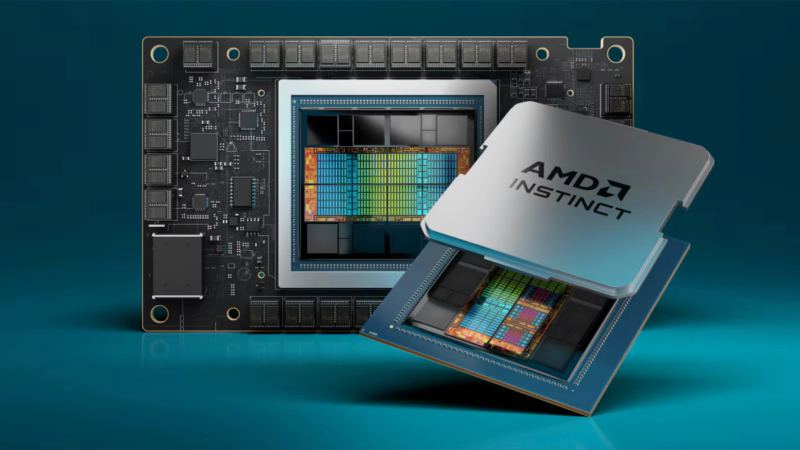
AMD's Q1 results argue that AI infrastructure demand is broadening from headline GPUs into full platform contracts
AMD's latest quarterly results and recent Meta partnership point to a hardware market where AI demand is increasingly won through multi-generation platform deals, not single-chip launches alone.
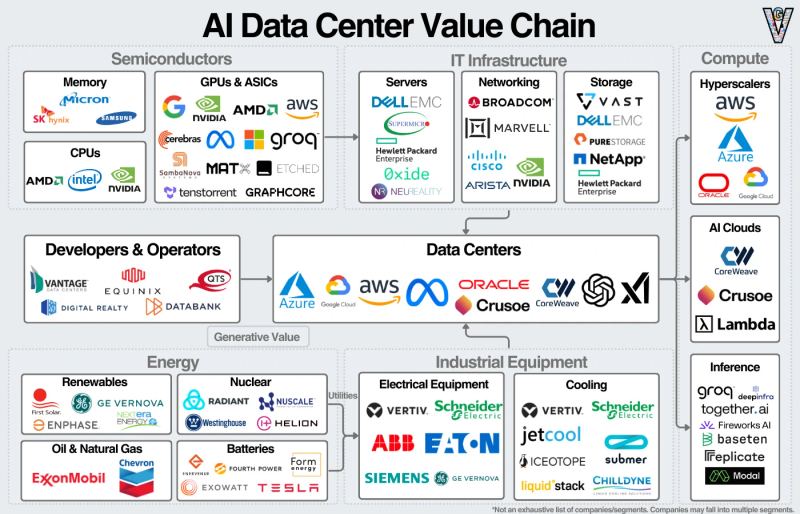
Intel and Google are making the case that AI infrastructure still depends on CPUs, not just GPU headlines
Intel's deeper AI infrastructure work with Google is a reminder that the hardware fight is widening from accelerators alone to the orchestration, networking, storage, and efficiency layers that actually let large AI systems run at scale.
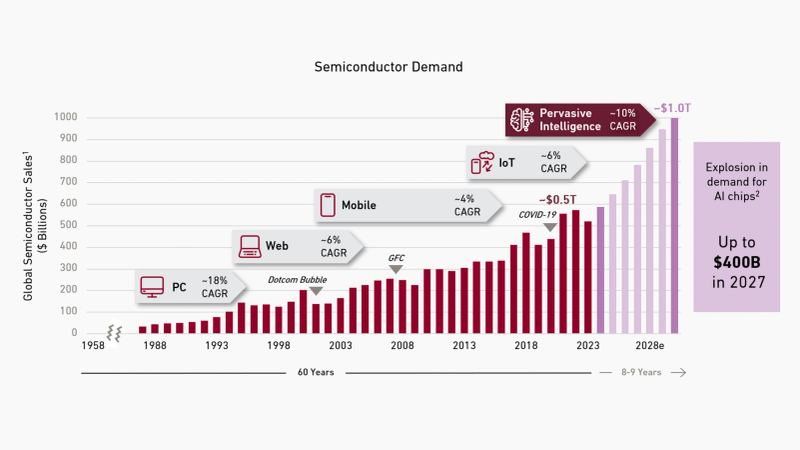
Global chip sales jump to $298.5B in Q1 as AI demand widens beyond accelerators
The Semiconductor Industry Association says first-quarter chip sales rose 25% from Q4 2025, with March sales up 79.2% year over year, reinforcing how AI infrastructure demand is lifting the broader semiconductor stack.
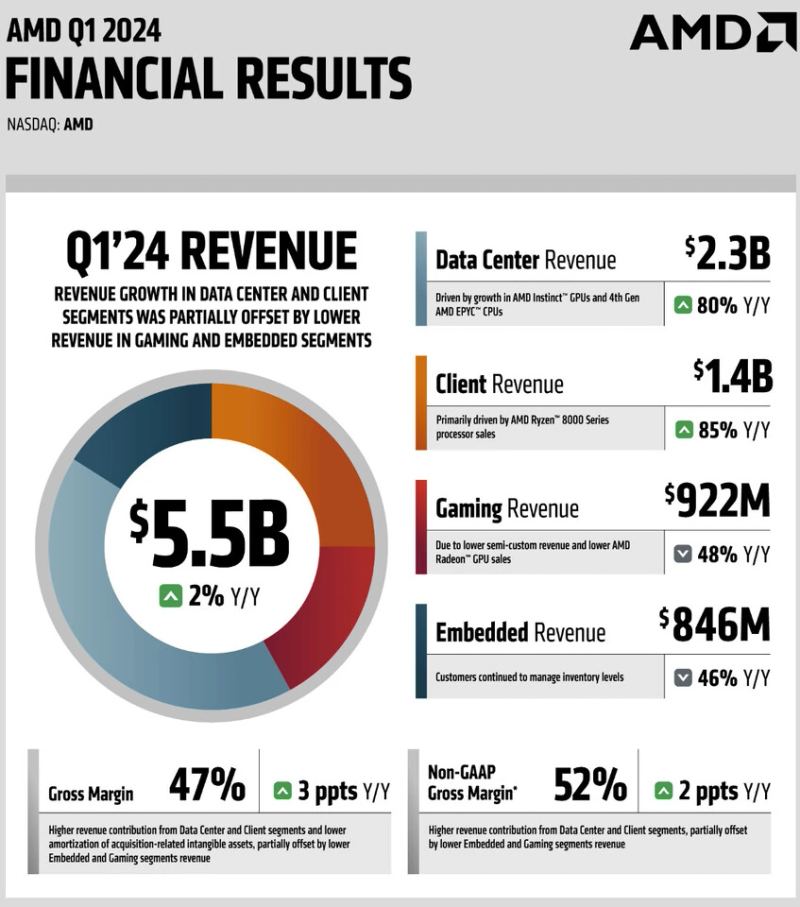
AMD's first quarter says AI hardware demand is real, but the next pricing shock may hit the broader PC market first
AMD's May 5, 2026 results show the upside of the AI buildout and the strain it creates elsewhere: data center revenue keeps accelerating, but rising memory and component costs are starting to squeeze the consumer side of the hardware market.
Nvidia's IREN deal says the AI hardware race is now constrained by power, land, and build speed
Nvidia's investment and infrastructure partnership with IREN is not just another AI capex headline. It shows that the next bottleneck in AI hardware is not only chips. It is access to power, data-center land, cooling capacity, and operators that can deploy large-scale infrastructure quickly enough to keep pace with demand.
Software Morning Briefing: AI Infrastructure, Enterprise Pivots, and Market Shifts
A roundup of today’s software landscape: Zyphra’s AMD-backed AI cloud, BlackBerry’s automotive cybersecurity pivot, Paycom’s earnings beat, and critical warnings on cracked software distribution.
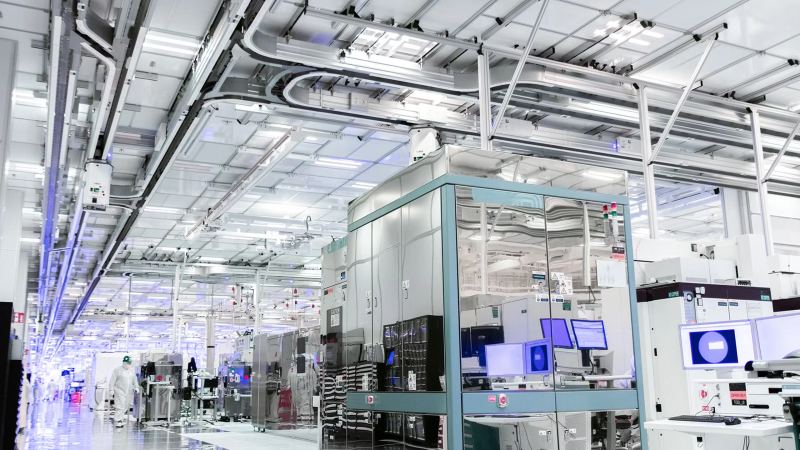
Morning Hardware Briefing: Apple-Intel Manufacturing Deal Reshapes Supply Chains
Semiconductor markets react to Apple’s landmark manufacturing pact with Intel, surging SK Hynix demand, and shifting hardware investment patterns across the industry.
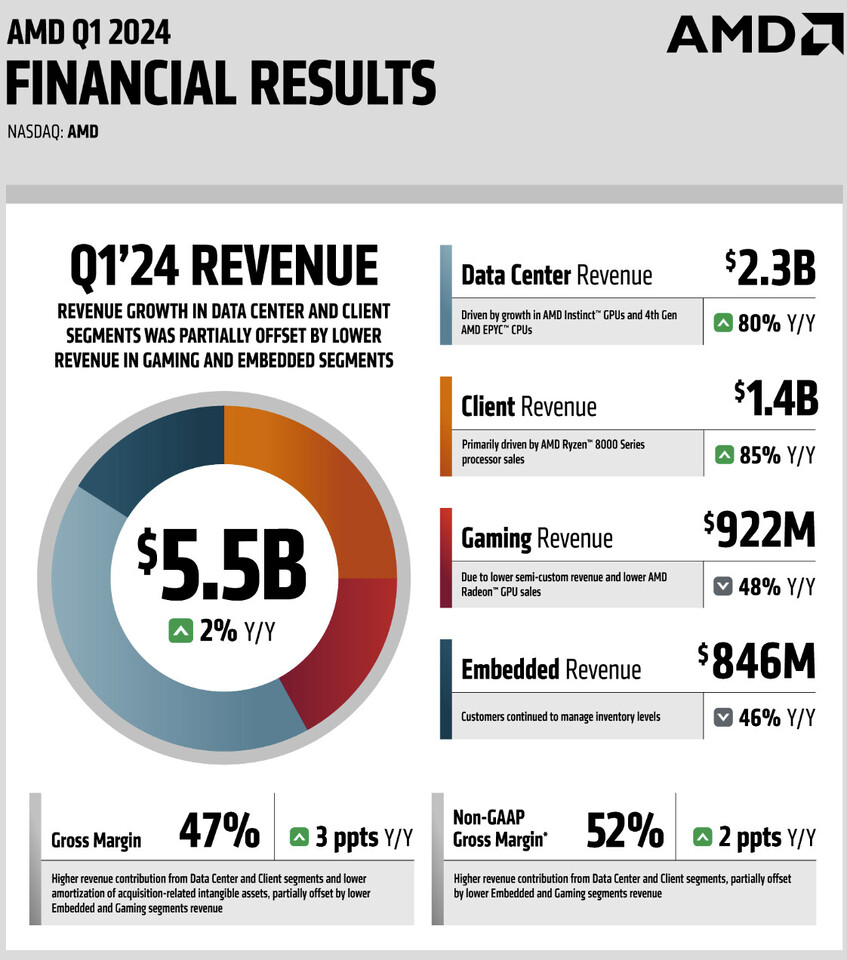
AMD's first-quarter results say the hardware winner in AI may be the vendor that can scale supply faster than demand is rational
AMD reported first-quarter 2026 results on May 5 showing $10.3 billion in revenue and Data Center as the main driver of growth. The larger hardware signal is that the AI infrastructure race is no longer just about peak chip launches. It is about who can translate demand into deliverable systems, supply visibility, and large-scale deployment confidence.
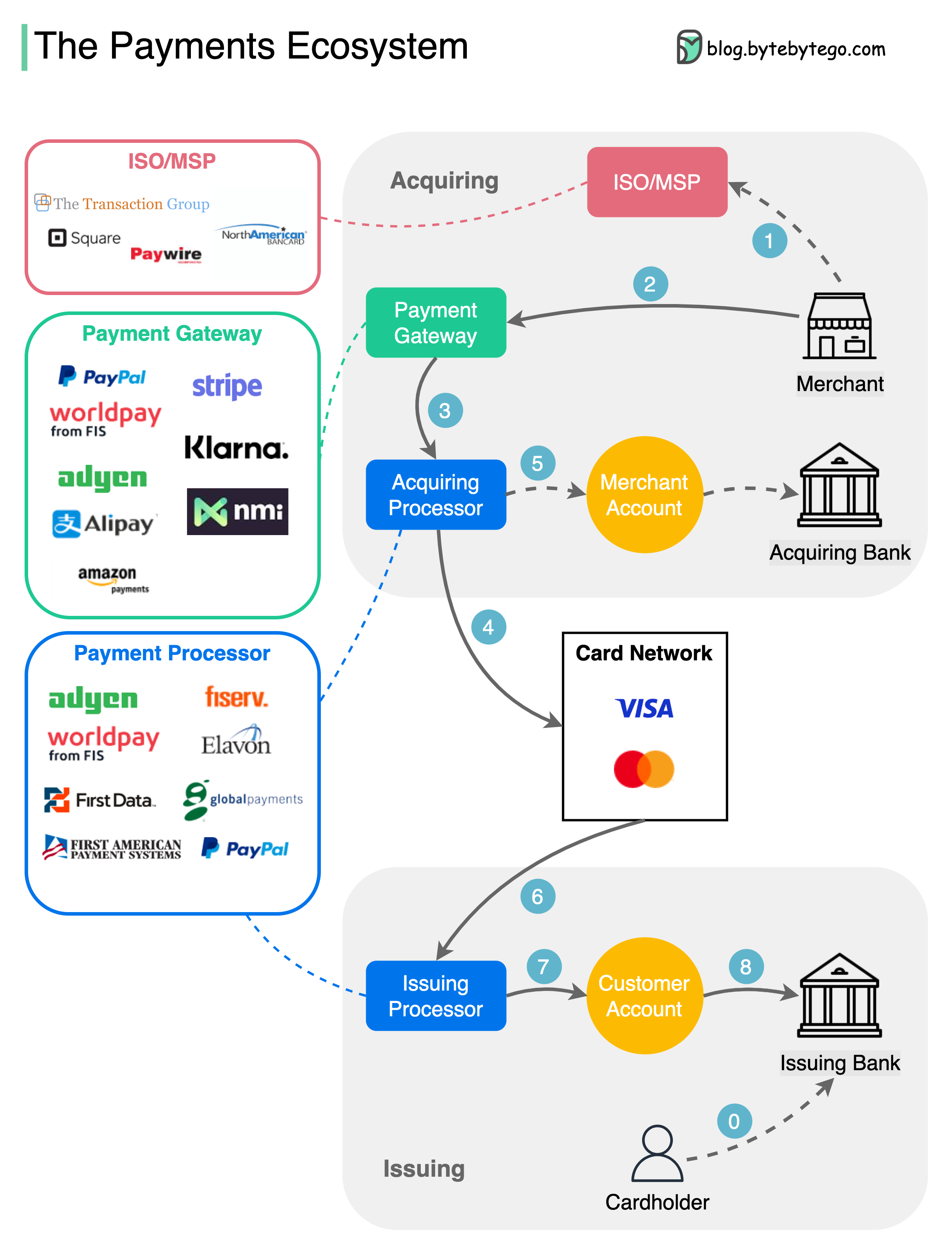
Adyen's latest payments push says fintech platforms want to control transaction logic before the card is even charged
Adyen's May 6, 2026 business update paired steady payments growth with two strategic signals: its Talon.One acquisition and its new Intelligent Money Movement product. Together they show fintech platforms trying to unify pricing, liquidity, payouts, and payment execution into one operating layer that can support increasingly automated commerce.

Rackspace and AMD pitch governed AI cloud as regulated buyers push back on generic GPU rental
Rackspace and AMD said on May 7, 2026 that they signed a multiyear framework to build a governed Enterprise AI Cloud around AMD Instinct GPUs and EPYC CPUs. The story matters because hardware differentiation in AI is shifting from raw accelerators alone toward who can package compute, governance, and accountability into a deployable stack for regulated workloads.
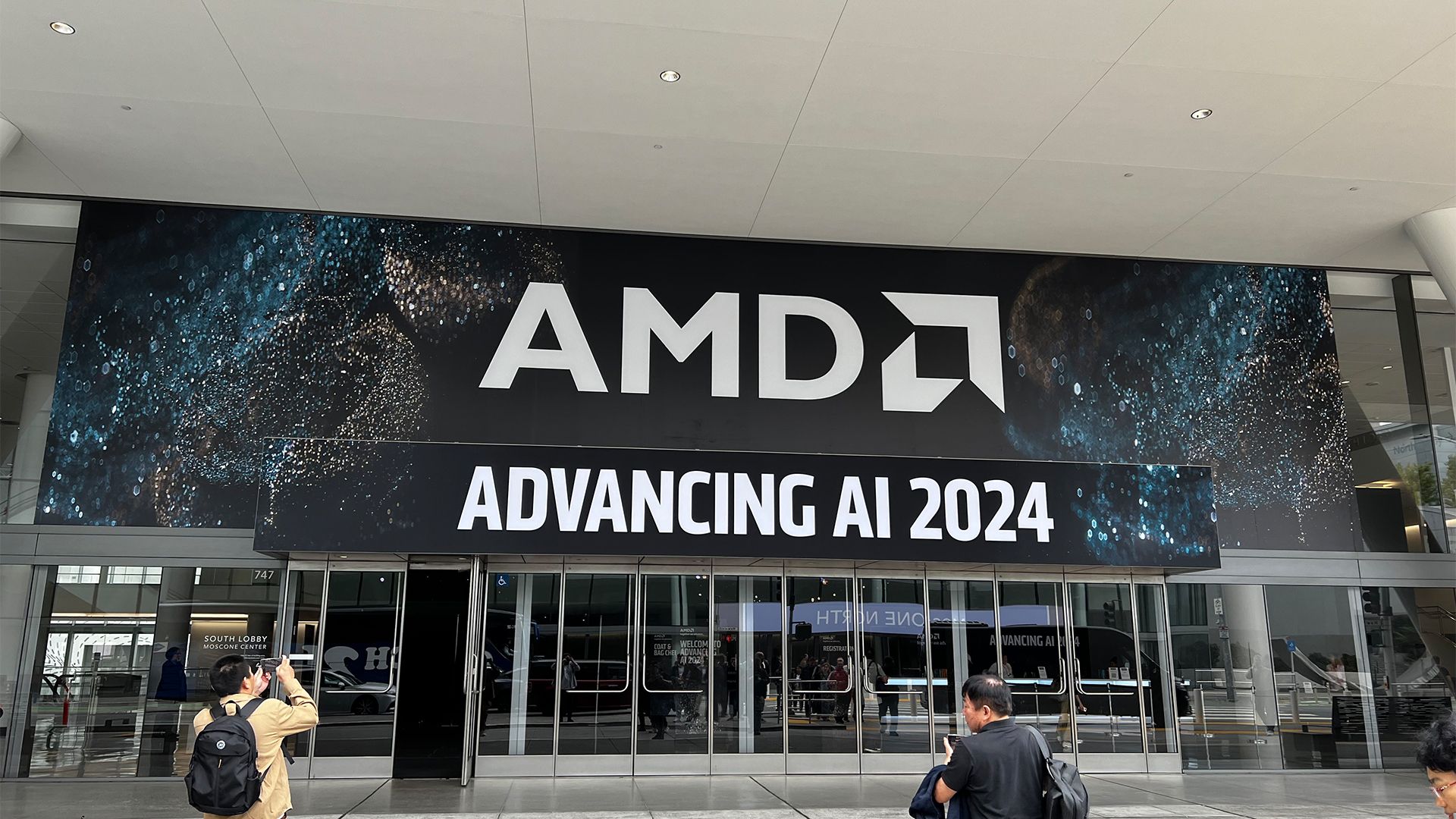
AMD's Advancing AI event announcement says hardware buyers now want a full platform story before launch day
AMD's late-April announcement for its Advancing AI 2026 event matters because it telegraphs where hardware competition is moving: toward whole-system storytelling around racks, software, networking, memory, and ecosystem readiness. The market now wants the platform narrative lined up before the products even ship.

Genesis AI's new manipulation model says robotics wants a common brain before it wants one perfect robot
Genesis AI's May 6 rollout of GENE-26.5 matters because it frames physical AI as a general manipulation problem rather than a one-robot product race. The companys pitch is that a shared model for dexterous control could matter more than any single hardware shell, which would shift value in robotics toward the common intelligence layer.
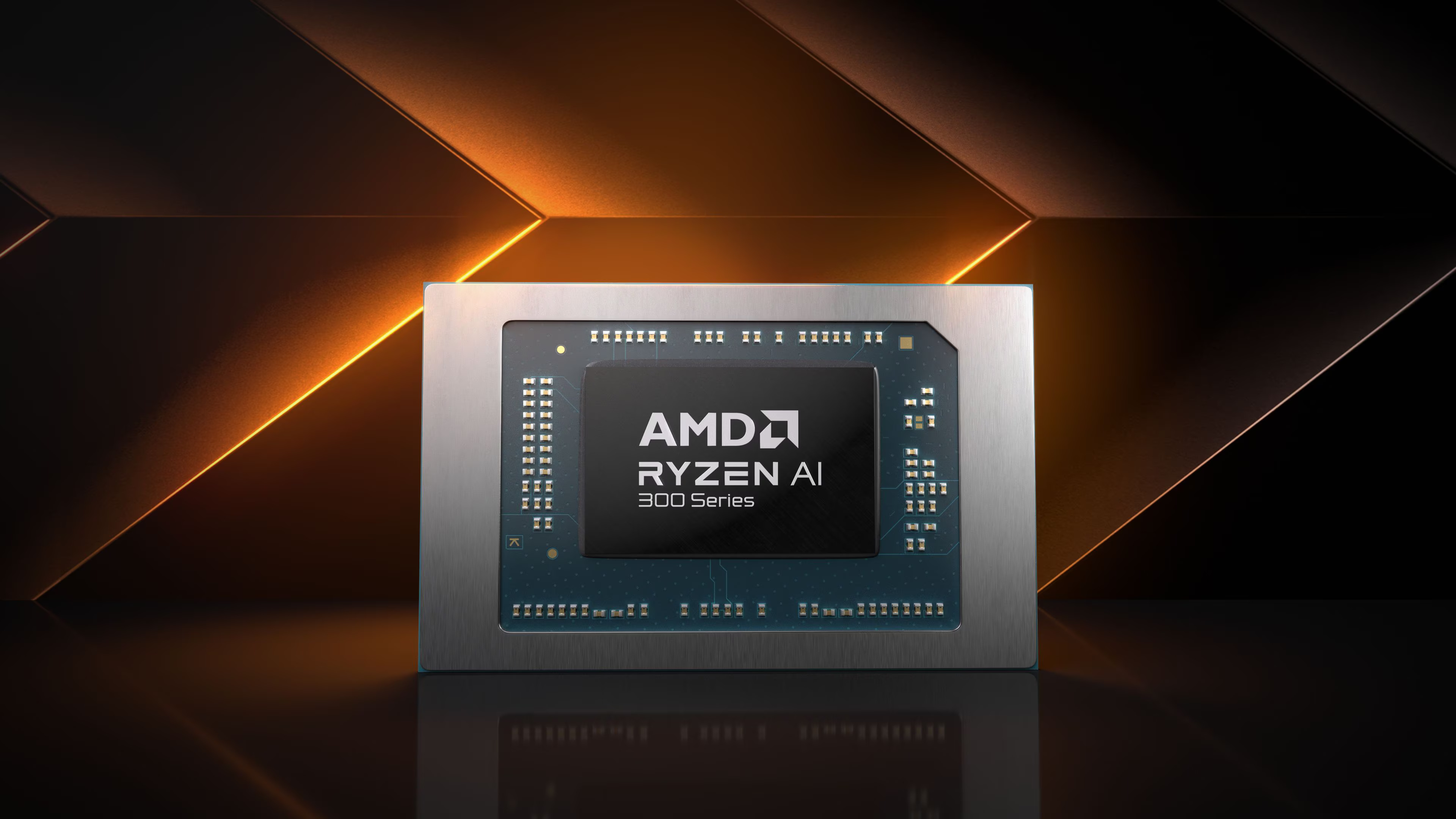
AMD's latest quarter says AI hardware demand is broadening beyond the GPU headline
AMD's May 5 first-quarter results matter because they show AI hardware demand spreading across a fuller systems stack. With data-center revenue up 57% to $5.8 billion, stronger EPYC adoption, continued Instinct ramp, and new collaborations spanning Meta, cloud providers, Samsung, and TCS, the story is less about one accelerator cycle and more about whether AMD is turning AI infrastructure into a multi-product platform business.

Colin Angle's new home-robot company says physical AI is coming back through care, not chores
Familiar Machines & Magic matters because it revives consumer robotics with a different thesis from the Roomba era. Instead of winning through task utility first, Colin Angle's new company is betting that emotionally aware, edge-heavy physical AI can become a trusted daily presence in the home and eventually a broader platform for embodied intelligence.