
AMD's UK buildout says the hardware race is shifting from single chips to sovereign AI capacity
AMD's June 8 U.K. investment and Imperial partnership show the new hardware contest is no longer just who ships the fastest accelerator, but who helps countries assemble durable compute, software, and research capacity around AI.
Qualcomm's Dragonwing IQ10 design says robotics platforms are becoming full-stack deployment systems, not component science projects
Qualcomm is packaging compute, sensing, networking, control, and software into one robotics reference design, showing how the robotics market is shifting from isolated subsystems toward production-grade embodied AI platforms.

Intel's latest Xeon and infrastructure push says the AI hardware race is broadening from accelerator bragging rights toward the control-plane systems that keep agentic workloads fed, connected, and affordable
Intel is pitching CPUs, networking, and future accelerators as one coordinated stack for agentic AI, arguing that orchestration and data movement are becoming the real infrastructure bottlenecks.

Meta's Muse Spark launch says the next AI race is no longer just about bigger models but about packaging reasoning, safety, and multimodal agency into a personal product stack
Meta is framing Muse Spark as the first consumer-facing step in a broader personal superintelligence strategy, pairing multimodal reasoning with a more formal safety and deployment framework.
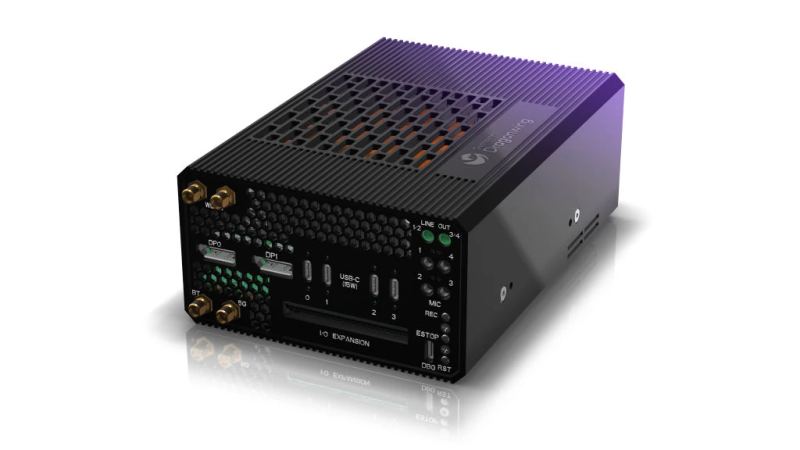
Qualcomm's Dragonwing IQ10 reference design says robotics vendors now want a deployment stack, not just a robot brain
Qualcomm's June 1, 2026 Dragonwing IQ10 robotics reference design matters because it packages compute, sensors, software, and AI tools into a full-stack starting point for mobile robots, industrial systems, and humanoids.
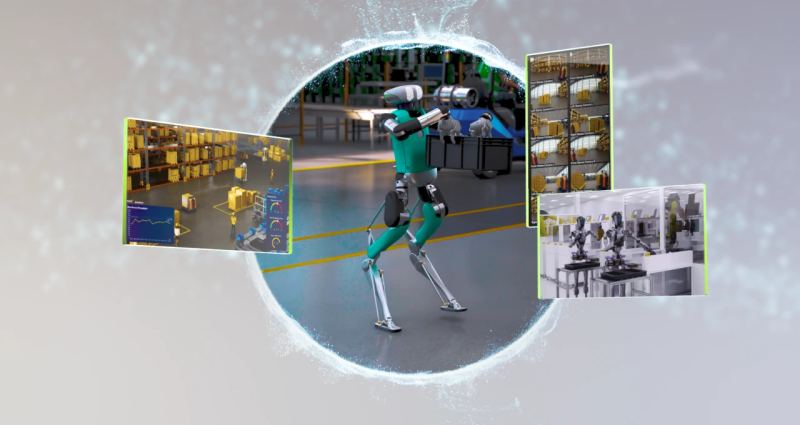
Qualcomm's new robotics reference design says physical AI is moving from demos to deployment-ready system stacks
Qualcomm's June 1, 2026 Dragonwing IQ10 Robotics Reference Design matters because it packages compute, sensing, control, and software into a production-style platform for builders who are tired of stitching robotics systems together from scratch.
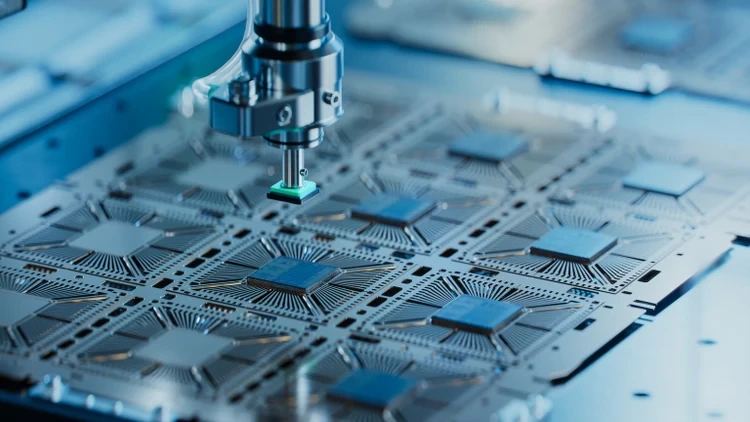
AMD's $10 billion Taiwan push says AI hardware advantage now depends on packaging capacity, not silicon alone
AMD's May 21, 2026 Taiwan investment plan matters because it treats advanced packaging, ecosystem coordination, and rack-scale deployment as the real bottlenecks in AI infrastructure, not just chip design.
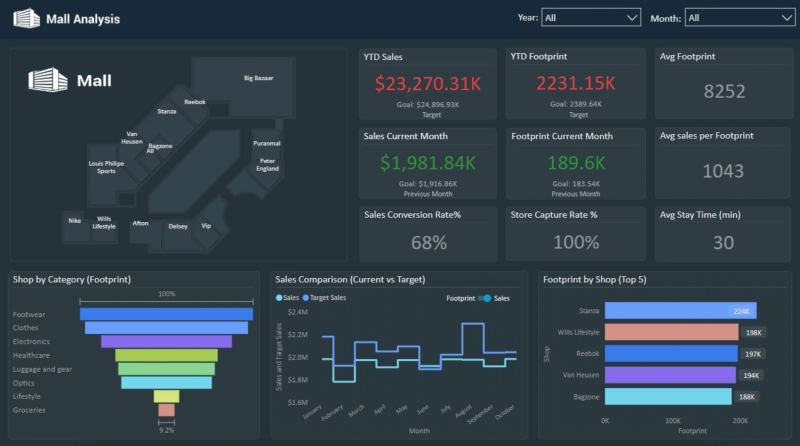
Plaid's Bank Intelligence expansion says fintech advantage is moving from dashboards to network-level early signals
Plaid's May 12, 2026 Bank Intelligence expansion matters because it reframes modern fintech advantage as seeing churn and fraud early across the network, not just reacting inside one institution's own data warehouse.
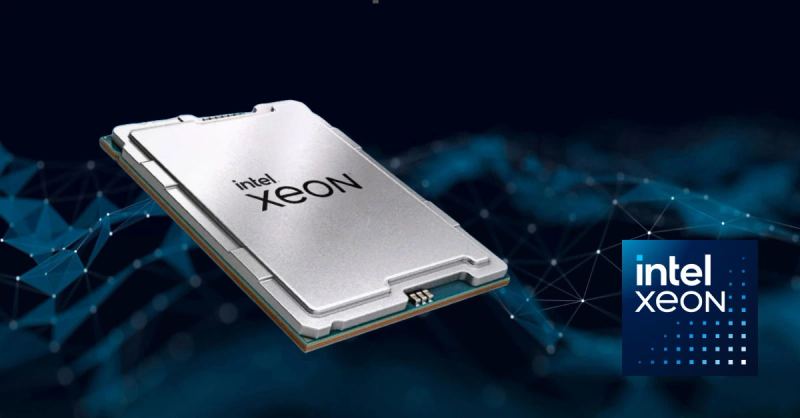
Intel's Xeon 6+ launch says AI infrastructure is swinging back toward the CPU as the control plane
Intel's June 1, 2026 data-center update matters because it argues the biggest bottlenecks in agentic AI are no longer only raw accelerator throughput, but orchestration, concurrency, and data movement across the system.
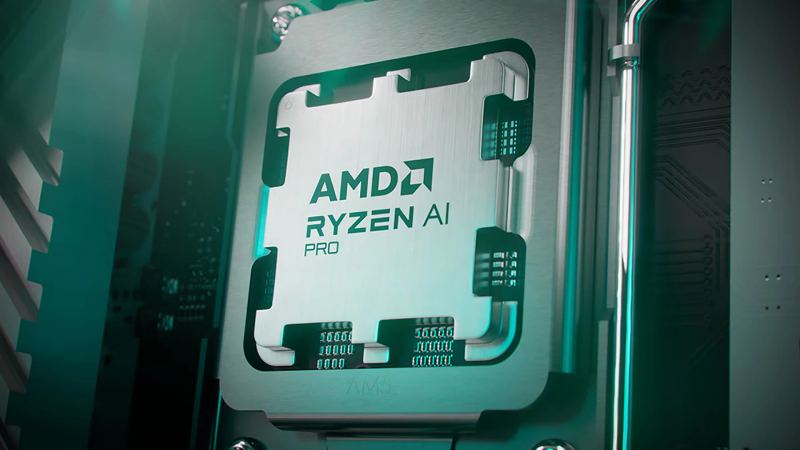
AMD's new agent computers say serious AI hardware is collapsing workstation, NPU, and local model testing into one box
AMD's May 20, 2026 Ryzen AI Halo and Max PRO 400 launch matters because it treats on-device agentic AI as a workstation-class systems problem, not as a lightweight Copilot feature bolted onto ordinary PCs.

Intel's edge robotics push says AI hardware is moving away from discrete GPU sprawl toward one-chip deployment
Intel's May 20 and late-May 2026 robotics announcements matter because they argue that physical AI economics improve when inference, vision, and control can run on one integrated edge processor instead of an expensive GPU-heavy stack.
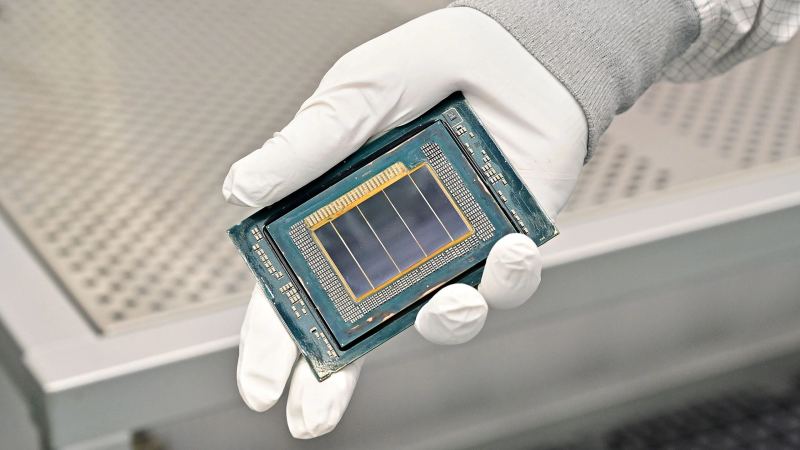
Intel's Computex push says hardware competition is shifting from single chips to rackscale economics for agentic AI
Intel's June 2, 2026 Computex announcements matter because they frame AI infrastructure around chip-to-system deployment economics, hybrid inference, and full rackscale design rather than isolated processor launches.
Qualcomm and ASUS say AI hardware is shrinking into deployable agent workstations, not sprawling rigs
Qualcomm's June 2, 2026 ASUS Ascent QN10 launch matters because it reframes high-end local AI computing as a small, manageable business endpoint rather than a bulky specialist machine reserved for enthusiasts or labs.
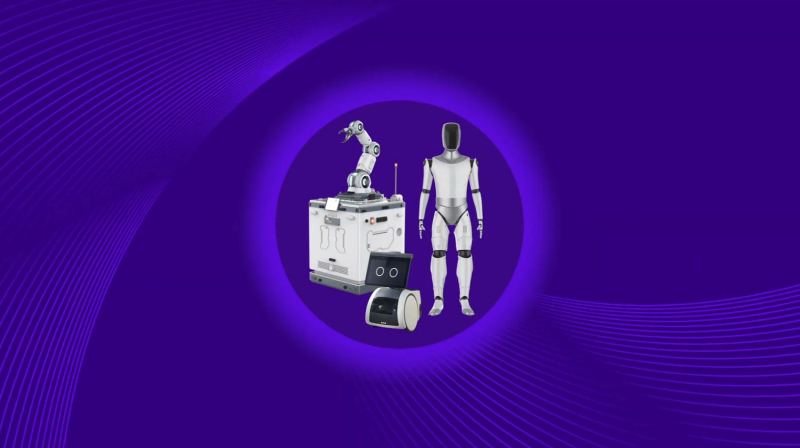
Qualcomm's Dragonwing IQ10 says robotics will scale through full-stack reference systems, not one-off demos
Qualcomm's new Dragonwing IQ10 robotics reference design matters because it packages sensing, compute, networking, control, and software into one deployment-ready architecture aimed at reducing the integration pain that slows robots from prototype to production.
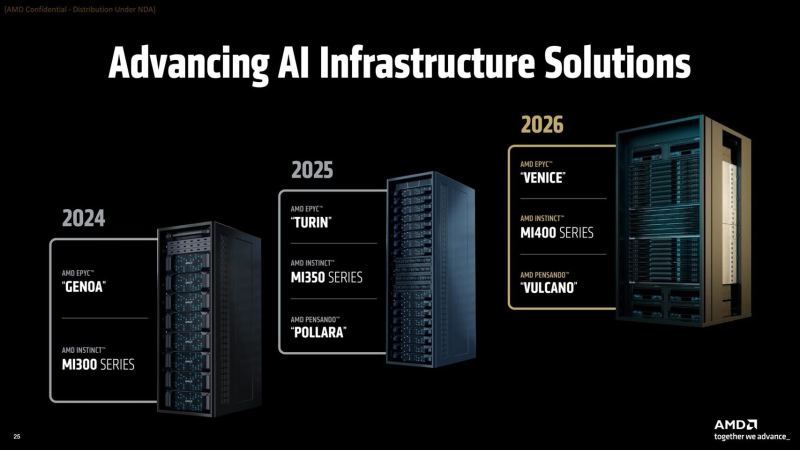
Intel's Computex reset says hardware competition is moving from standalone chips to full rackscale AI economics
Intel's June 2, 2026 Computex announcement matters because it reframes hardware competition around cost-efficient inference systems, industry-specific stacks, and rackscale deployment rather than isolated processor specs.
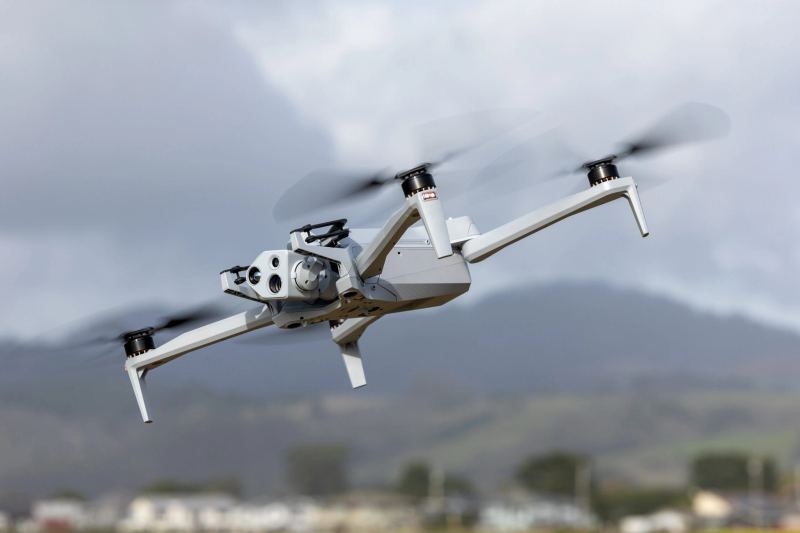
Skydio's expanded X10D EOD order says defense drones are winning through deployable autonomy, not just airframe novelty
Skydio's May 14, 2026 U.S. Air Force contract expansion matters because it shows military drone demand rewarding systems that can be quickly fielded across repeated mission sets with useful autonomy and standards-friendly intelligence output.
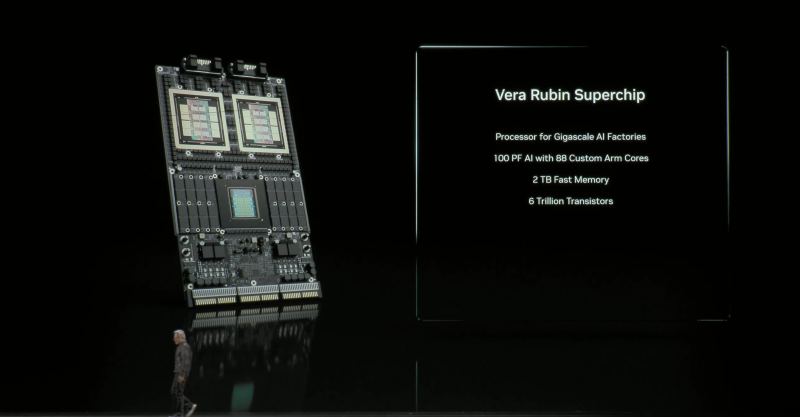
NVIDIA's Vera Rubin production ramp says AI infrastructure competition is consolidating around full-system architectures, not loose chip lineups
NVIDIA's late-May 2026 Vera Rubin production update matters because it presents AI infrastructure as an integrated factory architecture spanning CPU, networking, storage, and rack-scale deployment rather than a single accelerator sale.

Intel's robotics push says physical AI will spread fastest through cheaper edge brains, not cloud-heavy spectacle
Intel's late-May and early-June 2026 robotics updates matter because they frame physical AI around single-chip practicality, deployment cost, and repeatable edge autonomy rather than giant cloud-first demos.
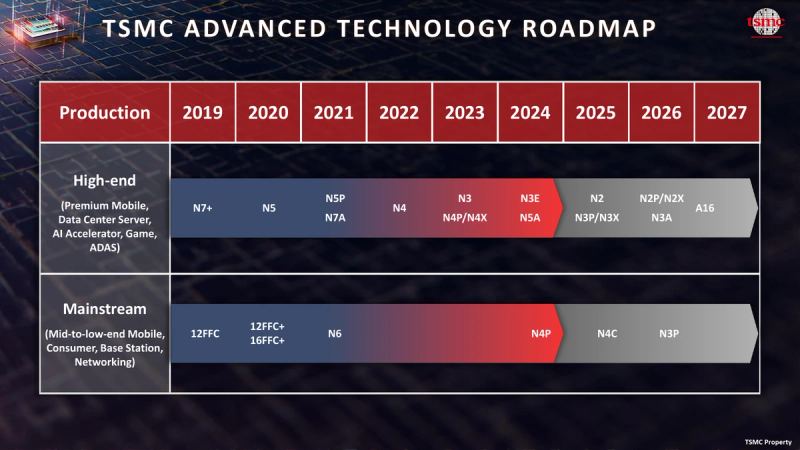
AMD's Venice ramp says AI hardware advantage is shifting from accelerator headlines to production-ready system timing
AMD's May 21, 2026 Venice update matters because AI infrastructure buyers increasingly need CPUs and manufacturing roadmaps that can move from design promise to production without missing the agentic AI buildout.
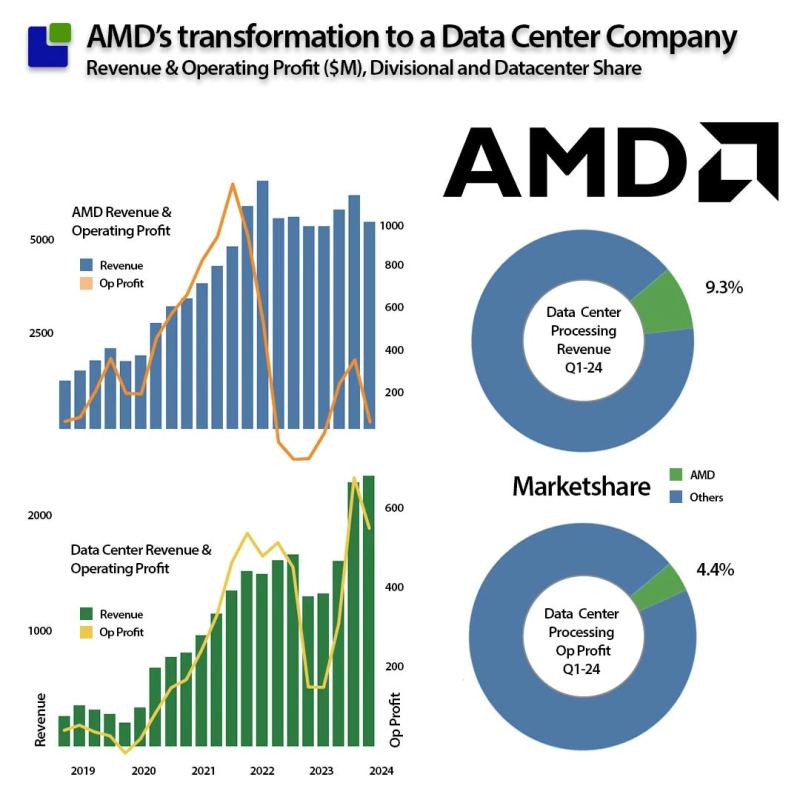
Intel's Computex push says AI hardware is being sold as system architecture, not just silicon speed
Intel's June 2, 2026 Computex announcements matter because they frame the hardware contest around complete agentic AI systems, networking, and deployment density rather than isolated chips.

Intel's robotics push says the next deployment battle is physical AI at the edge, not giant cloud demos alone
Intel's late-May 2026 robotics announcements matter because they tie processor momentum, OpenVINO Physical AI tooling, and design wins into a repeatable deployment story for edge robots.

Google's TPU 8i and 8t split says AI hardware is now being designed around workload roles, not one-chip bragging rights
Google's late-May 2026 TPU announcements matter because they separate inference and training into distinct hardware products, making the AI infrastructure race more workload-aware.
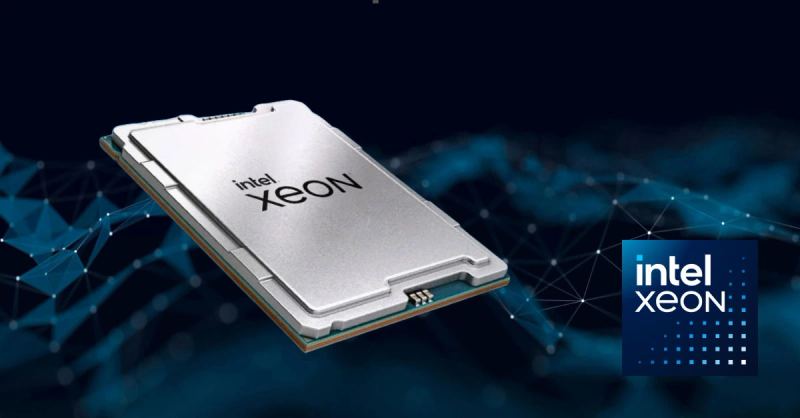
Intel's Xeon 6+ launch says AI infrastructure competition is widening from accelerators into the network-and-CPU control fabric
Intel's June 1, 2026 Xeon 6+ and E835 launch matters because it argues the next AI infrastructure bottlenecks sit in networking, efficiency, and orchestration layers around the accelerator, not only in the accelerator itself.

Plaid's Effects 2026 launch says fintech AI is becoming a financial intelligence layer, not a loose bundle of point features
Plaid's May 21, 2026 Effects announcements matter because they reposition fintech AI around foundation models, analytics, and institutional signal layers that sit behind fraud, credit, payments, and money-management decisions.