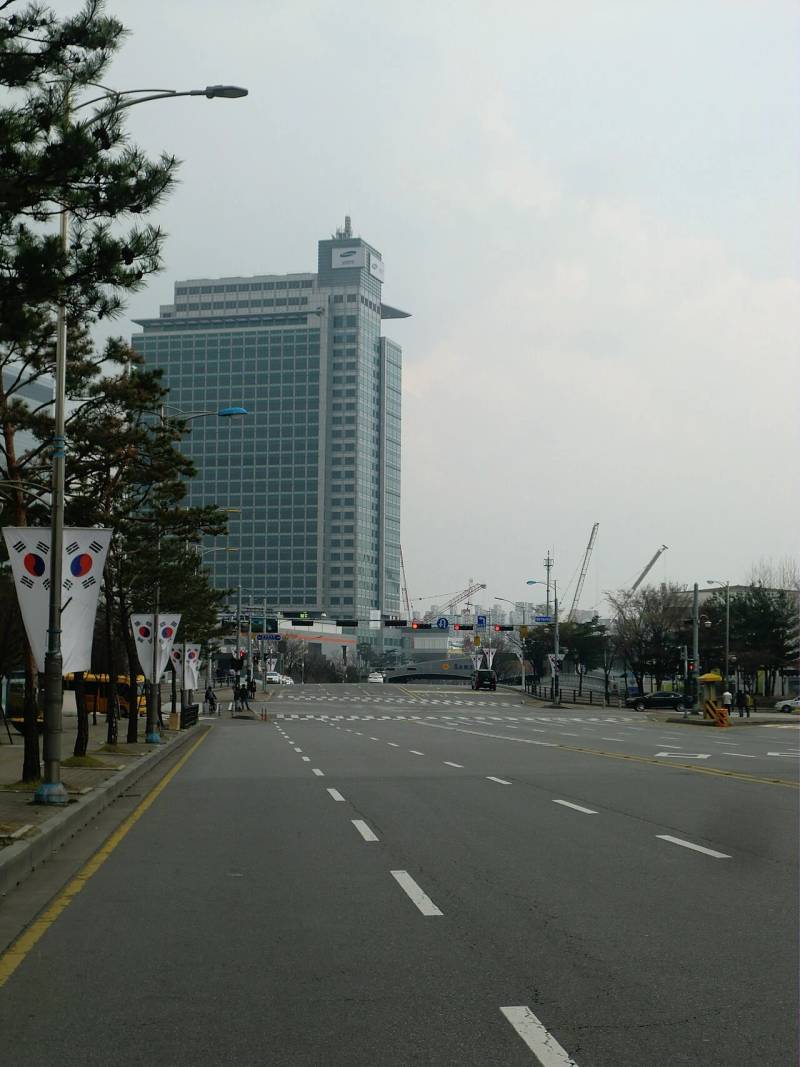
Samsung Electronics Clears Nvidia HBM4E Validation for Next-Generation AI Silicon Accelerators
Samsung Electronics secured formal qualification clearance from Nvidia for its 12-layer HBM4E memory modules, positioning the South Korean semiconductor giant to supply high-density memory stacks for next-generation AI datacenter accelerators.
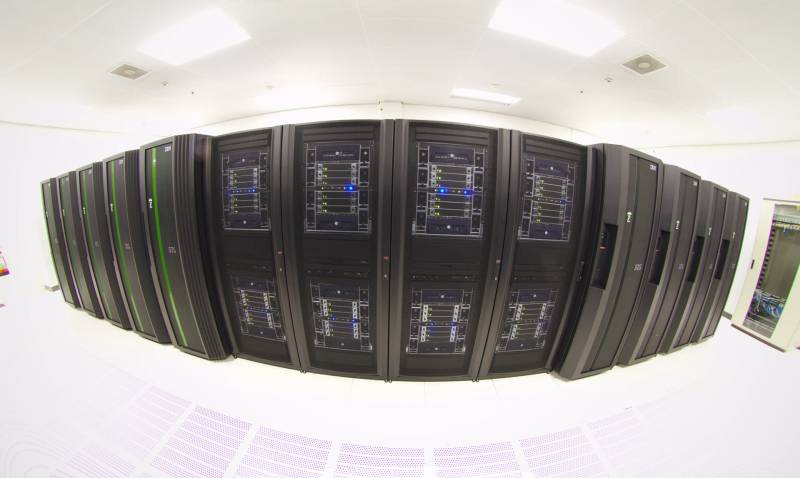
Nous Research Raises $90M in Series A Round Led by NVIDIA, Microsoft, and Samsung Next to Advance Open-Source Hermes Autonomous Reasoning Agents
Open-source artificial intelligence research collective Nous Research raised $90 million in Series A funding backed by NVIDIA, Microsoft M12, and Samsung Next to advance decentralized autonomous reasoning models and the Hermes Agent framework.
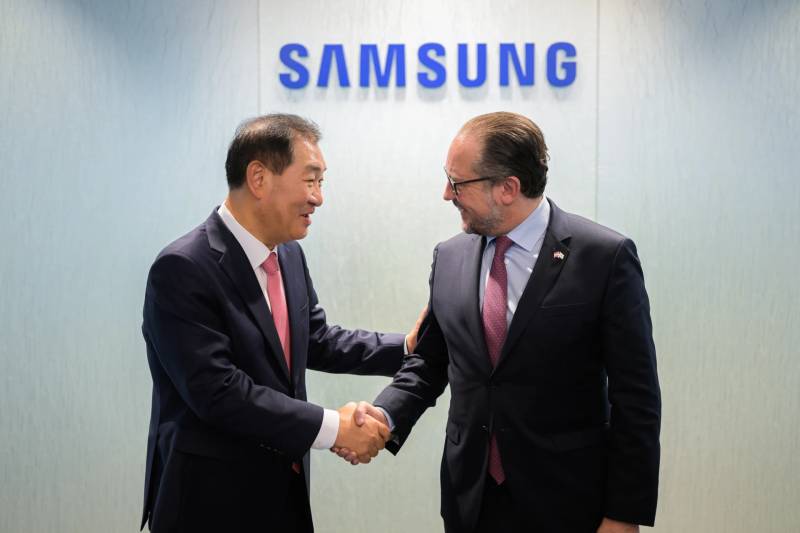
Samsung Projects Record 107.4 Trillion Won Q3 Profit as 12-Layer HBM4E Passes Hyperscaler Qualification
Samsung Electronics issued historic third-quarter preliminary guidance projecting a 107.4 trillion won operating profit fueled by AI memory demand, alongside confirmed qualification of its 12-layer HBM4E modules with Nvidia.

Samsung Electro-Mechanics Commits 4.9 Billion Dollars to Expand FC-BGA Substrate Production for AI Processors
Samsung Electro-Mechanics has committed 6.78 trillion Korean won (4.9 billion USD) to scale flip-chip ball grid array substrate manufacturing across South Korea and Vietnam, targeting high-density packaging for next-generation AI accelerators.
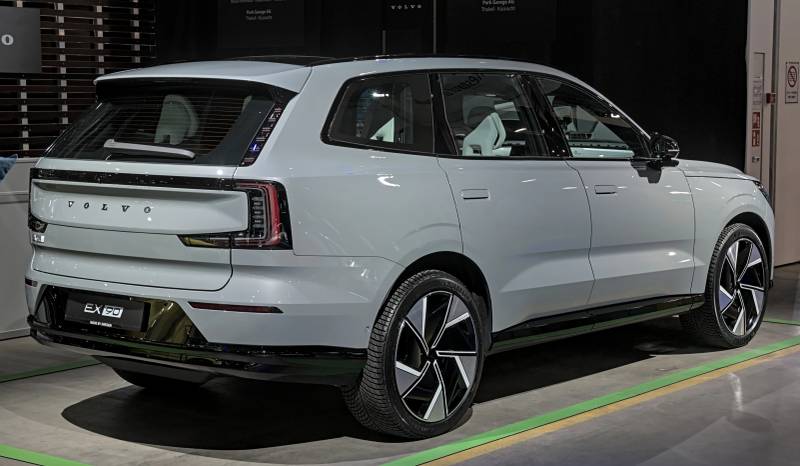
Accenture and Google Cloud Launch Open-Source Horizon Platform for Android Automotive
Accenture and Google Cloud unveil Horizon, an open-source development platform partnered with Volvo Cars to accelerate Android Automotive OS software development by nine times.
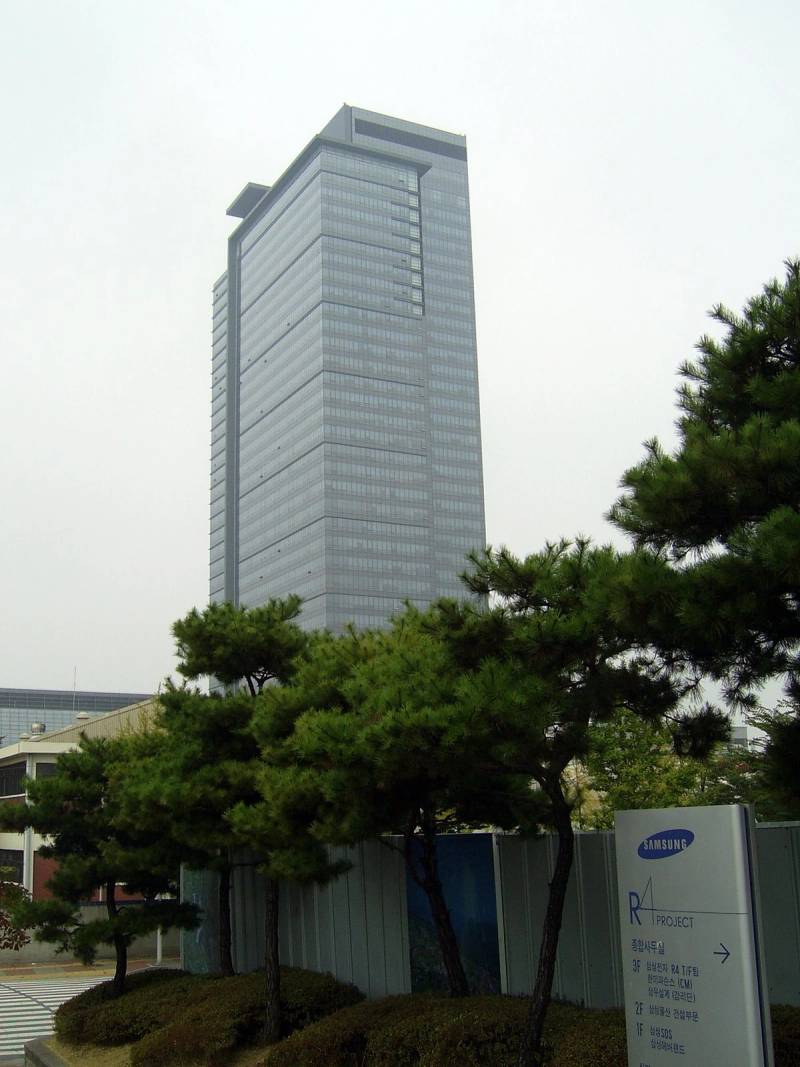
Samsung Tech Forum 2026 Unveils AI Transformation Roadmap Connecting Everyday Companions with Home Robotics
At Samsung Tech Forum 2026 in Silicon Valley, DX President TM Roh and CTO Janghyun Yoon outline a unified AI Transformation strategy bringing ambient neural agents and robotic companions to consumer hardware.
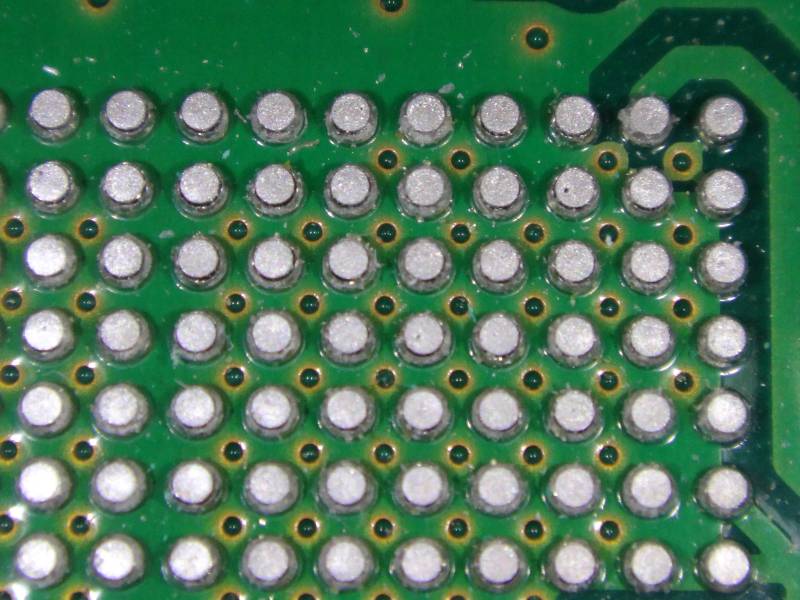
Samsung and Qualcomm Form 2.1D Organic Bridge Alliance to Bypass Silicon Interposer Bottlenecks
Samsung Electro-Mechanics and Qualcomm commercialize polymer-based redistribution substrates, providing high-bandwidth chiplet interconnects without expensive silicon interposers or foundry bottlenecks.

Attackers Abuse Claude AI to Extract Hardcoded Secrets From 1.8 Million Android Apps
Cyber adversaries automate large-scale binary analysis using Anthropic's Claude API, weaponizing LLM reasoning to harvest over 42,000 live cloud credentials from 1.8 million Android applications.

Samsung Partners With Mistral AI to Deploy On-Premises Fab Models and Anchor Landmark €3B Series D Round
Samsung Electronics has forged an industrial partnership with Mistral AI to deploy offline foundation models across its semiconductor fabs while leading a €3 billion Series D funding round.
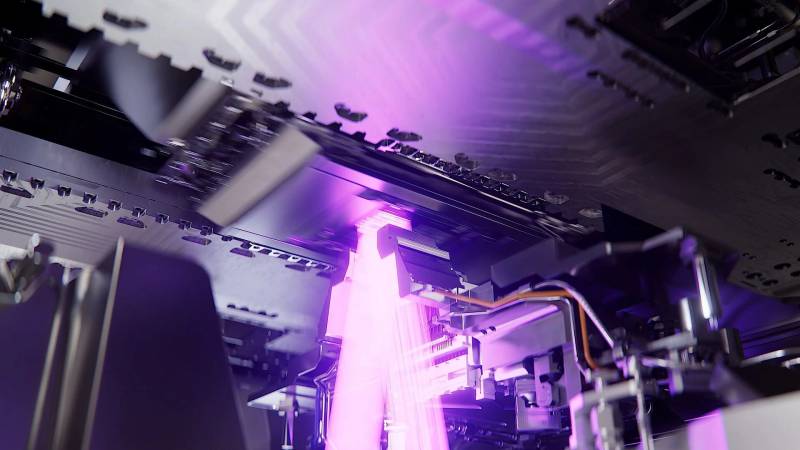
ASML, TSMC, Samsung, and Intel Align on 12-Inch Photomasks for High-NA EUV Chipmaking
ASML, TSMC, Samsung, and Intel agreed to transition advanced lithography from 6-inch to 12-inch photomasks, eliminating field stitching bottlenecks in next-generation High-NA EUV scanners.
ASML and TSMC Form Industry Alliance to Transition High-NA EUV to 12-Inch Photomasks
ASML, TSMC, and Samsung joined forces to develop 12-inch photomask infrastructure, breaking reticle limits for next-generation monolithic AI processors.

Mistral AI Raises €3B in Series D Led by Samsung at €21B Valuation to Anchor European AI Sovereignty
French frontier intelligence developer Mistral AI secures record European venture funding led by Samsung Electronics to accelerate sovereign foundational model clusters and hardware co-design.
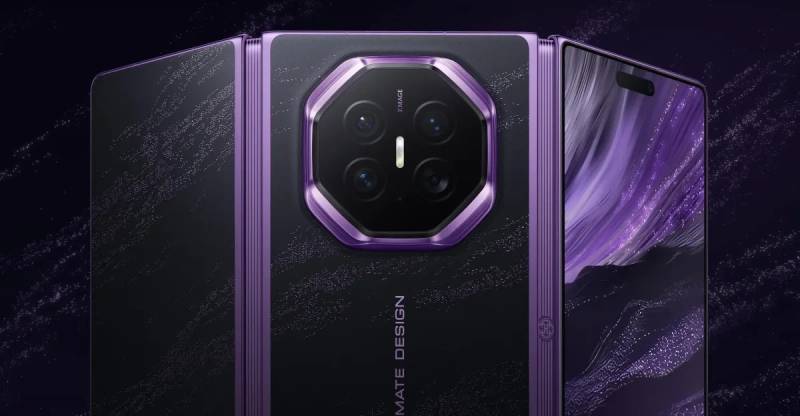
Huawei Unveils Mate XT2 Trifold Flagship Featuring Switchable Liquid Crystal Privacy Layer
Huawei introduces the second-generation Mate XT2 tri-fold smartphone, integrating an active switchable optical privacy filter into its flexible 10.2-inch OLED display architecture.
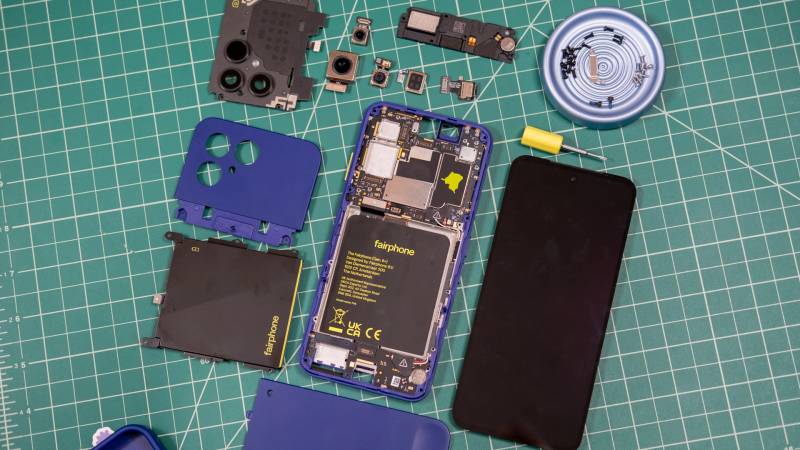
Fairphone Unveils Modular Gen 6 Plus Smartphone with User-Swappable Core Architecture
The sustainable Dutch device manufacturer eliminates industrial glues and achieves IP68 water resistance through screw-fastened compression gaskets and swappable sub-assemblies.
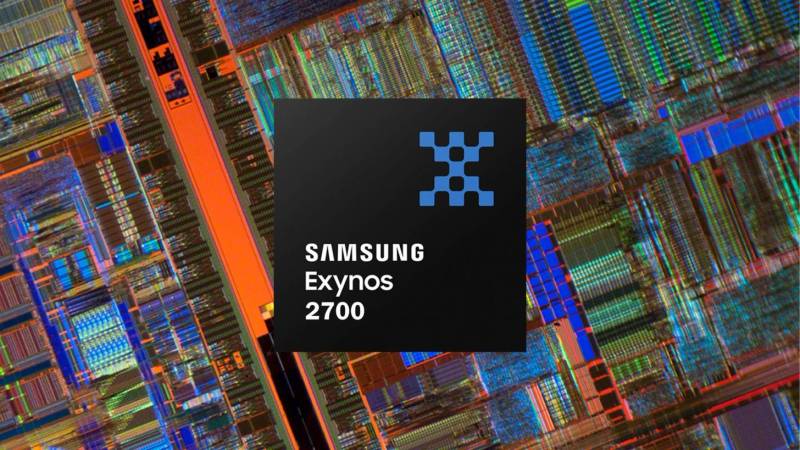
Samsung details Exynos 2700 2nm SF2P processor with AMD RDNA 5 GPU architecture
Samsung Foundry disclosed comprehensive architectural specifications for its flagship Exynos 2700 system-on-chip on September 2, 2026, combining 2nm SF2P gate-all-around fabrication with an AMD RDNA 5-derived Xclipse 970 GPU.
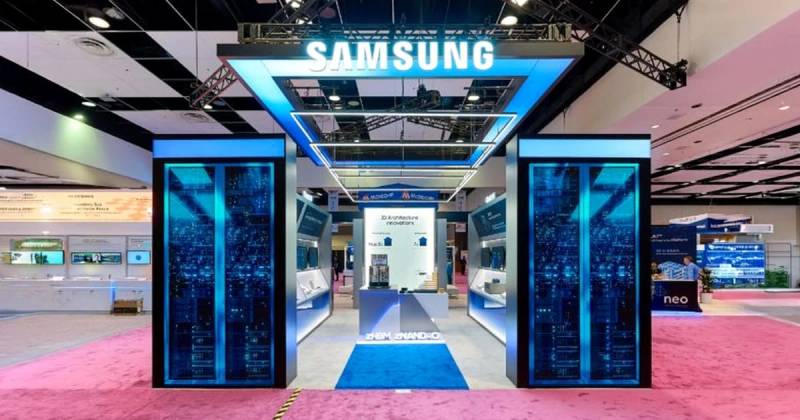
Samsung and Intel turn Hot Chips into a memory and packaging showdown
Hot Chips 2026 is showing that the next AI hardware battle is not just about the accelerator. It is about where memory sits, how it is packaged, and how much power the stack burns.

Samsung's 3D memory push says the AI infrastructure race is shifting from chips to data movement
Samsung's August 2026 FMS message matters because it argues the next AI hardware bottleneck is no longer raw compute alone, but the way memory, packaging, and storage move data through increasingly power-constrained AI systems.

Samsung and Broadcom tie AI memory to foundry and advanced packaging
Samsung and Broadcom’s new MOU reaches across HBM, 2-nanometer foundry, and 2.3D and 2.5D packaging, underscoring how AI silicon is becoming a systems-supply-chain contest.

AMD and Samsung make HBM4 supply part of the rack-scale AI fight
AMD and Samsung are aligning HBM4, next-generation EPYC memory, and rack-scale systems, showing that AI accelerator competition now depends on the whole memory-to-rack supply chain.
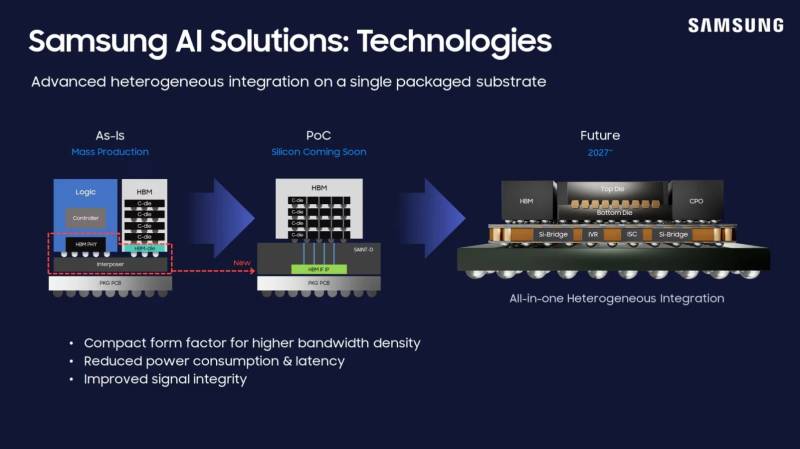
Samsung and Broadcom tie HBM, 2nm foundry, and packaging into an AI hardware bet
Samsung and Broadcom’s new collaboration targets more than a faster memory chip: it links HBM, leading-edge foundry, and advanced packaging in an effort to solve the integration bottleneck behind next-generation AI accelerators.

Galaxy Watch Ultra2 and Watch9 make health data the quiet center of Samsung’s wearable strategy
Samsung’s July wearables launch pairs a tougher Ultra model with an everyday Watch9, using larger batteries, brighter displays, and a broader health layer to make continuous monitoring feel routine.
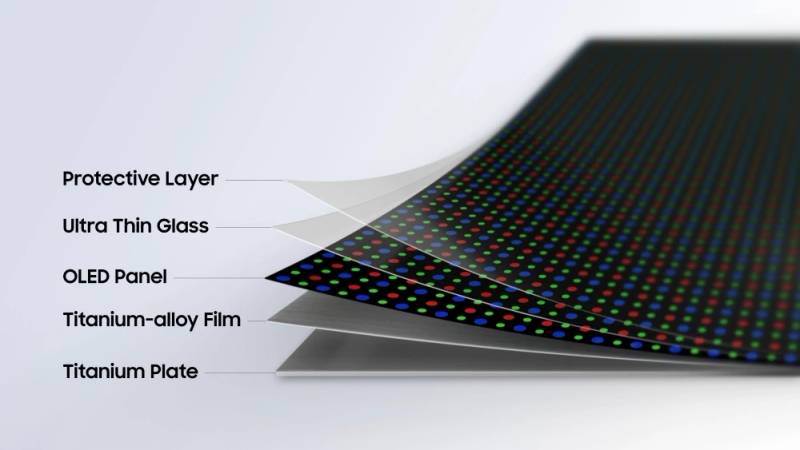
Samsung's Flex Titanium display stack makes foldable durability the next hardware battleground
Samsung introduced Flex Titanium technology for next-generation Galaxy foldables, combining a titanium-alloy film and titanium plate to reduce crease visibility while preserving strength.
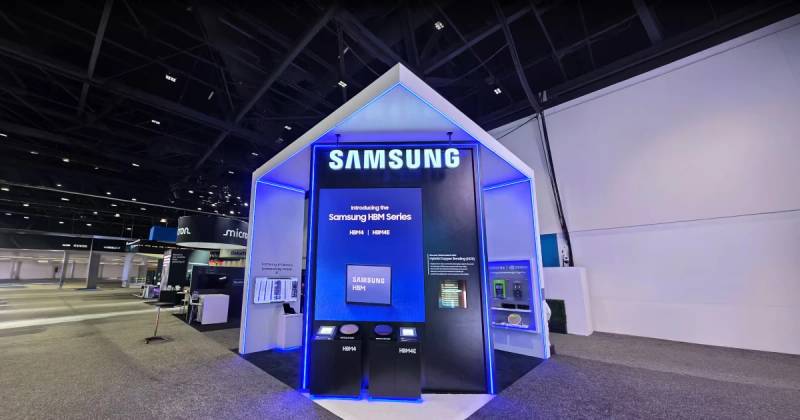
Samsung's HBM4E reveal makes clear that AI hardware competition is becoming a memory-and-packaging race, not just a GPU race
Samsung's latest HBM4 and HBM4E showcase matters because it ties next-generation AI system performance to memory bandwidth, thermals and stacking technology built around NVIDIA's Vera Rubin era.

Samsung's PM1763 SSD shows AI infrastructure is now limited as much by storage movement as by compute supply
Samsung's mass-production launch for the PCIe 6.0 PM1763 matters because next-generation AI clusters need faster, more secure, and more power-efficient storage to keep accelerators fed as model sizes and retrieval-heavy workloads expand.