
OpenAI's Jalapeno chip says frontier AI competition is moving into inference architecture, not model weights alone
OpenAI and Broadcom's June 24 Jalapeno announcement suggests the next decisive AI moat will come from controlling inference hardware and serving efficiency, not only training bigger models.

NVIDIA's Vera Rubin platform says the next hardware moat is rack-scale scientific AI, not chips alone
NVIDIA's June 22 Vera Rubin announcement shows AI hardware competition broadening into full rack architectures where simulation, AI, networking, memory, and cooling are sold as one scientific instrument.
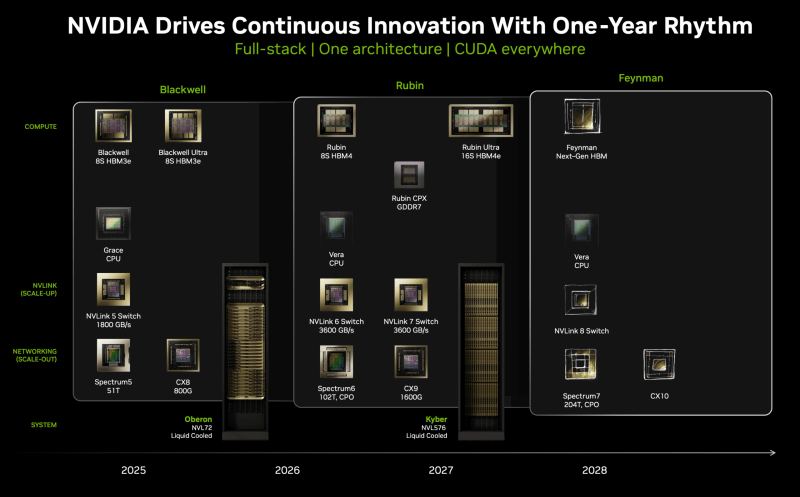
NVIDIA's latest infrastructure deals say the AI hardware race is now about optical, power, and site buildout
NVIDIA's 2026 infrastructure partnerships with Corning and IREN, alongside AMD's ecosystem messaging, show AI hardware competition broadening from chips into fiber, power campuses, and deployment capacity.

AMD and Rackspace are selling governed AI cloud as a product category, not just raw compute capacity
AMD's June 16 Rackspace agreement shows the hardware race shifting toward managed sovereign and regulated AI infrastructure, where governance and operations matter as much as accelerator supply.

NVIDIA's Halos launch says industrial robotics will scale only with safety architecture, not just smarter models
NVIDIA's new Halos for Robotics system and Agility tie-up show that physical AI is entering a phase where certification readiness and full-stack safety matter as much as robot intelligence.

AMD's MEXT deal says the next AI hardware bottleneck is memory efficiency, not just accelerator count
AMD's June 15 acquisition of MEXT highlights a strategic shift in AI infrastructure: the winning hardware stack may depend as much on memory behavior and cost discipline as on raw compute horsepower.

Intel is trying to make physical AI cheaper to deploy, and that could matter more than another robotics demo
Intel's Computex 2026 robotics push focused on deployment economics, with OpenVINO Physical AI and Series 3 edge processors positioned as a simpler path from prototype robots to scalable fleets.

OpenAI's latest health push says frontier AI is becoming a mass-market care interface, not just a chatbot feature
OpenAI's June 18, 2026 health updates suggest the next AI battleground is not only raw model intelligence but whether millions of people can safely use that intelligence as a first-stop interface for everyday care questions and rare-disease discovery.

Intel's latest robotics push says physical AI will scale only when deployment stacks get simpler than the robots themselves
Intel's May 31 and June 2026 Computex announcements argue that robotics is being held back less by raw model demos than by fragmented deployment software, hot discrete hardware, and one-off integrations that do not survive fleet scale.
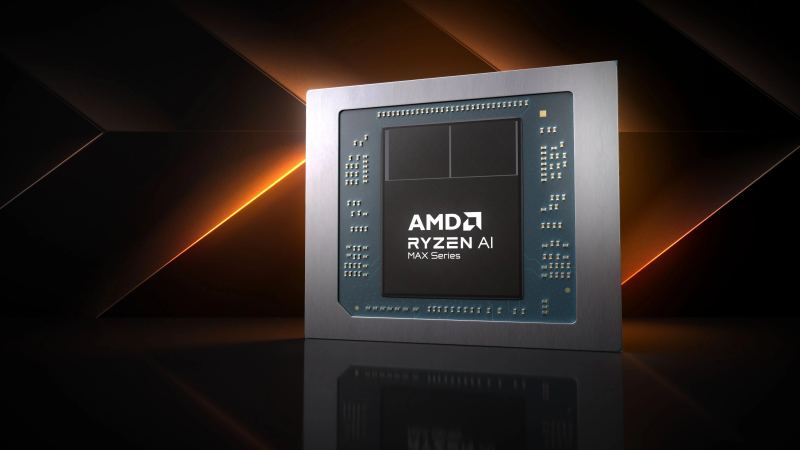
AMD's £2 billion UK commitment says AI hardware competition is moving from chip launches to sovereign compute alliances
AMD's June 8, 2026 UK investment pledge and its related London quantum-AI collaboration show that AI hardware vendors increasingly need to anchor themselves inside national research systems, not just ship faster silicon into anonymous cloud demand.

OpenAI's health intelligence push says general-purpose AI is moving closer to a care interface, not just a search box
OpenAI's June 18, 2026 health updates show a two-track strategy: make ChatGPT more useful for everyday health questions while proving frontier models can assist physicians on harder cases. Together, that suggests the next AI healthcare battle will be fought at the interface between consumer guidance, clinical workflow, and trust.
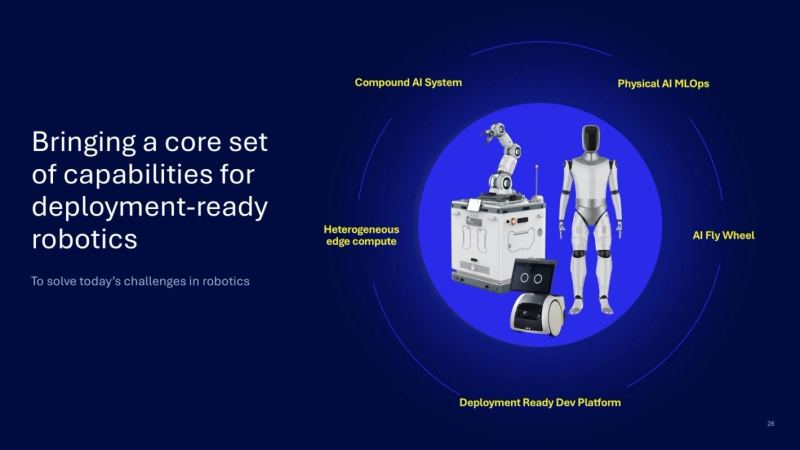
Qualcomm's Dragonwing IQ10 says robotics competition is shifting from components to deployment-ready reference stacks
Qualcomm's Dragonwing IQ10 Robotics Reference Design packages compute, sensing, networking, and software into one production-oriented system. That signals a robotics market where winning may depend less on selling isolated chips and more on collapsing the gap between prototype and deployable physical AI.

ASUS and Qualcomm's QN10 say the AI PC race is moving from laptops into compact local-agent desktops
The ASUS Ascent QN10 and Qualcomm's Snapdragon X2 Elite messaging show that AI hardware competition is no longer confined to notebooks and data centers. Vendors now want compact desktops that can run local multimodal and agentic workloads with enough NPU headroom to make on-device AI feel like a workstation feature instead of a cloud dependency.
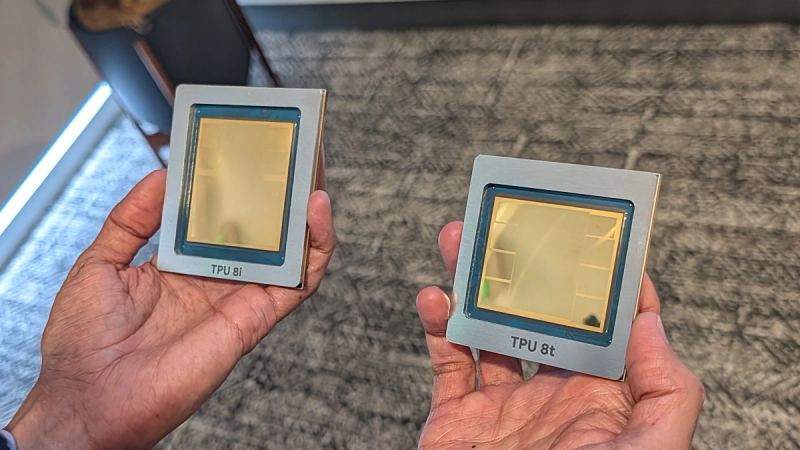
Google's dual-chip TPU 8t and 8i strategy says AI hardware is splitting into specialized training and inference factories, not one general-purpose race
Google's 2026 TPU message argues that frontier AI infrastructure is no longer about one chip family doing everything; it is about separating pretraining and inference economics into distinct hardware lanes tied to agent-scale workloads and massive capital spending.
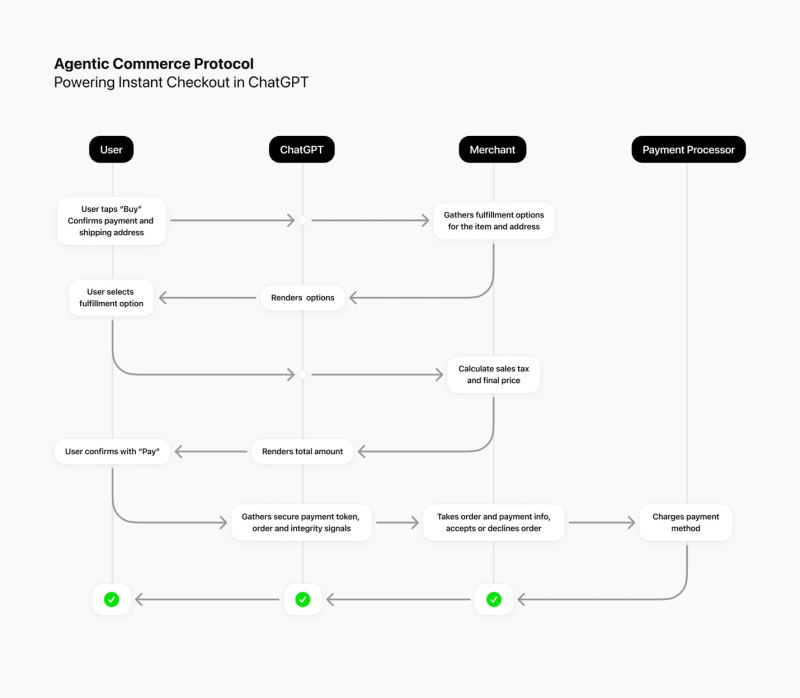
Visa's OpenAI partnership says agentic commerce will be won by payment networks that can verify and constrain AI, not just process cards
Visa's June 10, 2026 OpenAI partnership and Intelligent Commerce rollout argue that the next payments race is about giving AI agents trusted ways to discover, authorize, and complete transactions under real controls, not simply bolting chat onto checkout.
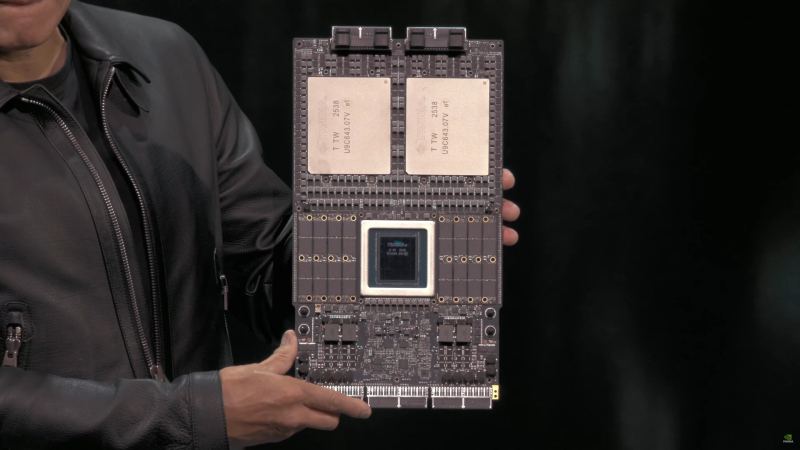
NVIDIA's Vera Rubin ramp says agentic AI is forcing hardware buyers to think in factory systems, not isolated chips
NVIDIA's late-May and June 2026 Rubin updates show the hardware race shifting from faster accelerators alone toward integrated multi-rack systems purpose-built for agentic workloads.
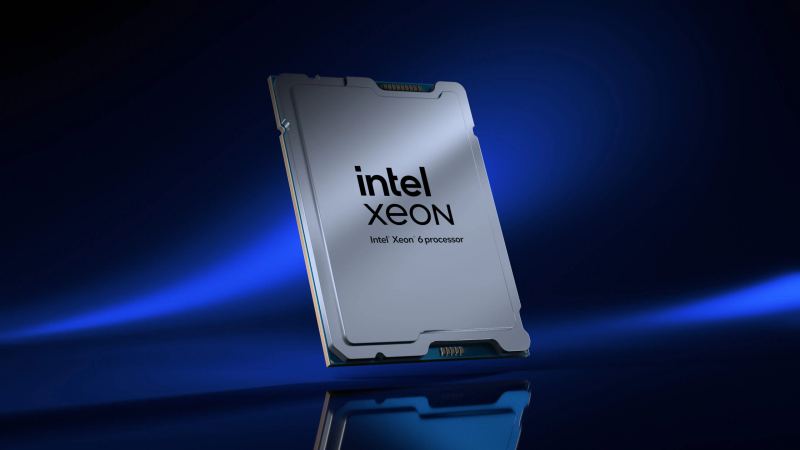
Intel's Xeon 6 plus push says AI hardware is becoming a control-plane and data-movement race, not just an accelerator race
Intel's early-June 2026 Xeon 6+ and networking push argues that agentic AI shifts infrastructure value toward orchestration, concurrency, and data movement, making the CPU and network fabric more strategically important again.
AMD's latest enterprise deals say AI hardware competition is shifting from raw silicon bragging rights to governed infrastructure capacity
AMD's June 16 Rackspace agreement and its June 8 UK investment plan show the hardware contest widening from chip benchmarks toward accountable AI capacity that regulated institutions can actually deploy.

Qualcomm's Dragonwing robotics kit says the next robot race is about deployable stacks, not isolated hardware
Qualcomm's June 1 Dragonwing IQ10 robotics reference design, paired with its Computex 2026 agent-first messaging, shows robotics vendors pushing toward packaged full-stack deployment platforms rather than disconnected components.
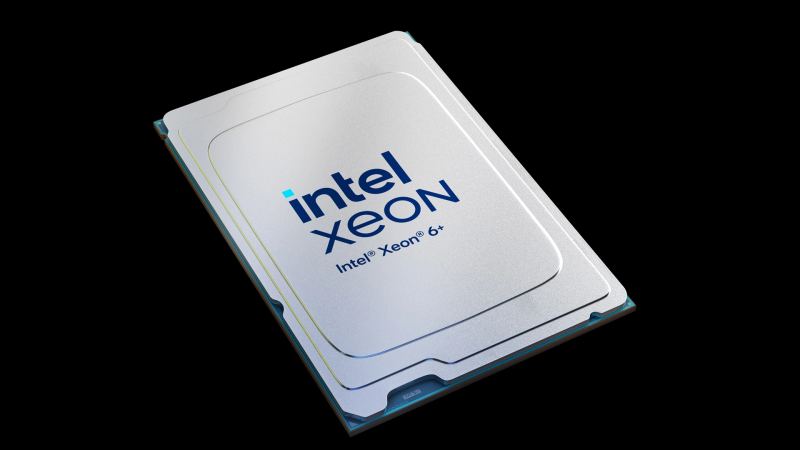
Intel's Computex push says hardware competition is shifting from chips to full AI system design
Intel's June 2 Computex announcements and its broader May 2026 client-computing messaging show the company trying to compete on open, end-to-end AI systems rather than on silicon alone.

Visa's OpenAI tie-up says fintech is moving from payment APIs to trust layers for autonomous checkout
Visa's June 10 announcements around OpenAI, agent scoring, registries, and intelligent commerce show that the next fintech battleground is not just moving money, but defining the trust, credential, and risk systems that let AI agents buy safely on behalf of users.

Microsoft's Work IQ APIs say software now competes on agent context, not just user interfaces
Microsoft's June 2 Work IQ rollout suggests enterprise software is being rebuilt around context-rich agents that can retrieve, reason, and act inside Microsoft 365, pushing the competitive battle from front-end apps toward the intelligence layer underneath them.
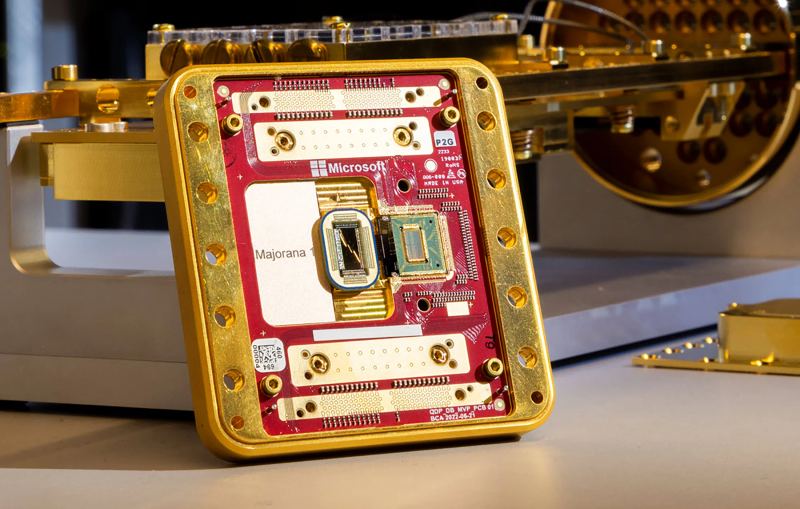
Microsoft's Majorana 2 says the hardware race now includes AI-built scientific infrastructure
Microsoft's June 2 Majorana 2 update matters because it turns quantum hardware progress into an AI-assisted engineering story, where materials discovery, fabrication, and reliability gains increasingly depend on agentic software as much as on chip design itself.
Qualcomm's Edge Alert Sentinel says robotics is spreading from factory floors into climate response infrastructure
Qualcomm's new Edge Alert Sentinel collaboration shows autonomous systems are becoming field-deployed environmental infrastructure, mixing sensing, edge inference, and aerial inspection into one real-time response layer.