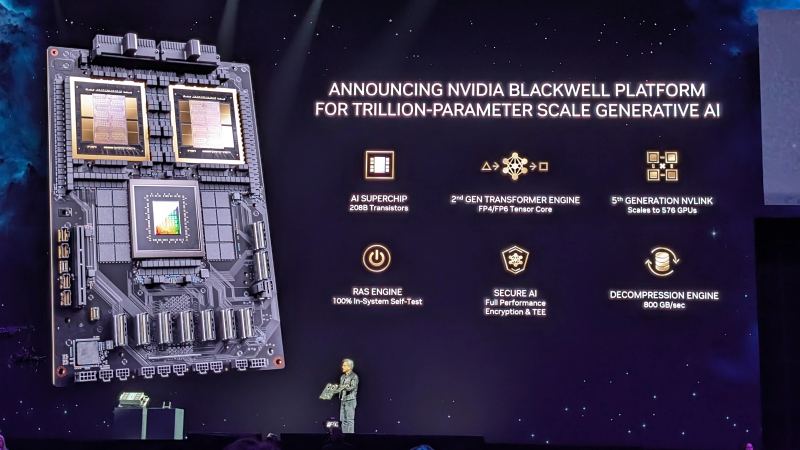
NVIDIA's new AI-factory financing model says the hardware race is shifting from chip supply to monetized capacity partnerships
NVIDIA's July 1 revenue-sharing and credit-support model for AI clouds matters because it turns accelerated compute into a financing product as well as a hardware sale, showing that the next infrastructure bottleneck is not only manufacturing more chips but funding and activating enough token-generating capacity quickly.

Meta's planned Iris chip production says the AI hardware race is turning into a capacity-control war, not just a GPU shopping spree
Reuters-backed reporting that Meta plans to start AI chip production in September matters because it shifts the company's AI spending story toward infrastructure ownership, supply control, and long-term model economics.

Qualcomm's Dragonfly roadmap says AI hardware buyers are now shopping for inference systems, not just accelerators
Qualcomm's June data-center push matters because it reframes hardware competition around rack-scale token economics, power efficiency, and always-on agent workloads rather than around a single chip announcement.

Samsung's July Unpacked invite signals foldables are becoming the flagship hardware surface for personal AI, not a side category
Samsung's July 22 Unpacked invitation matters because it frames the next Galaxy launch around intelligent capabilities fused with foldable form factors, which suggests the company now sees foldables as the primary shape for premium mobile AI experiences rather than an experimental branch.
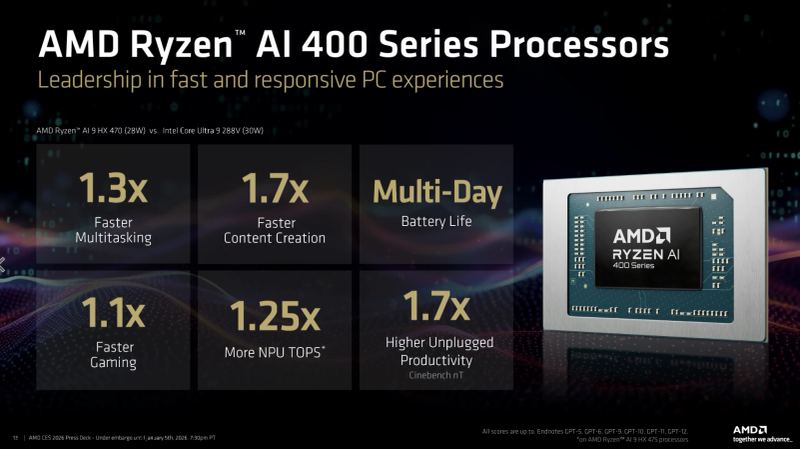
AMD's Ryzen AI developer platform says local AI hardware is becoming a real build environment, not just an NPU marketing label
AMD's July 6 Ryzen AI developer platform launch matters because it packages Linux-first tooling, local model workflows, and workstation-class memory into a product aimed at actual developers instead of generic AI-PC buyers.

Qualcomm buying Modular shows the AI hardware fight is shifting toward open software control over heterogeneous compute
Qualcomm's June 24 agreement to acquire Modular matters because it pairs hardware ambitions with a software layer designed to make CPUs, GPUs, NPUs, and custom accelerators easier to target from one AI-native stack.
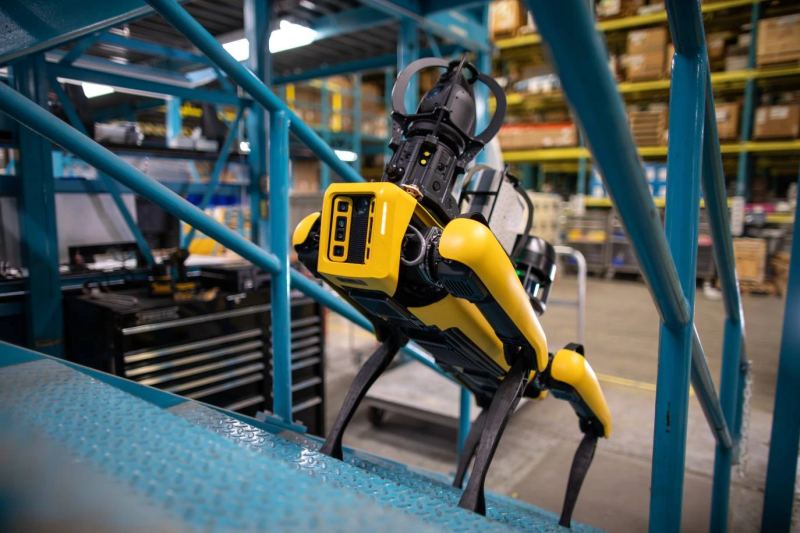
Boston Dynamics is turning robot inspection into a language-guided workflow, not just a route-following task
Boston Dynamics' July 2 AIVI-Learning update for Orbit matters because it connects Gemini Robotics reasoning to industrial inspection and operator knowledge capture, pushing robots closer to practical site intelligence instead of fixed patrol automation alone.
Qualcomm's Dragonfly roadmap says the next hardware fight is over efficient agentic AI infrastructure, not only giant GPU clusters
Qualcomm's June 24 Dragonfly launch matters because it reframes data-center AI competition around power efficiency, tokens-per-watt, and rack-level inference economics instead of only the biggest training stacks.

BBVA and Visa are turning agentic commerce from a concept deck into a bank-controlled payment flow
BBVA's July 2 test of what it calls the first AI agent-initiated transaction on Visa's Intelligent Commerce platform matters because it shows banks want delegated machine payments to stay inside regulated card and identity rails, not drift into a separate AI checkout stack.
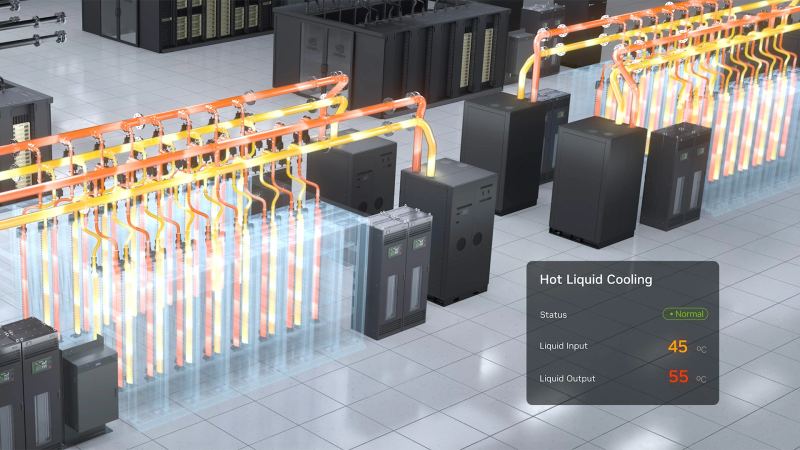
NVIDIA's 45C liquid-cooling design says the next hardware bottleneck in AI factories is facility thermodynamics, not just chip supply
NVIDIA's June 20 cooling update matters because Rubin-era AI systems are being sold with a full thermal architecture story, making facility design part of the hardware competition.

NVIDIA is trying to finance the AI factory era, not just sell chips into it
NVIDIA's latest infrastructure push pairs accelerated computing with revenue-sharing and credit-support models, suggesting the next hardware race is as much about financial architecture as silicon shipments.
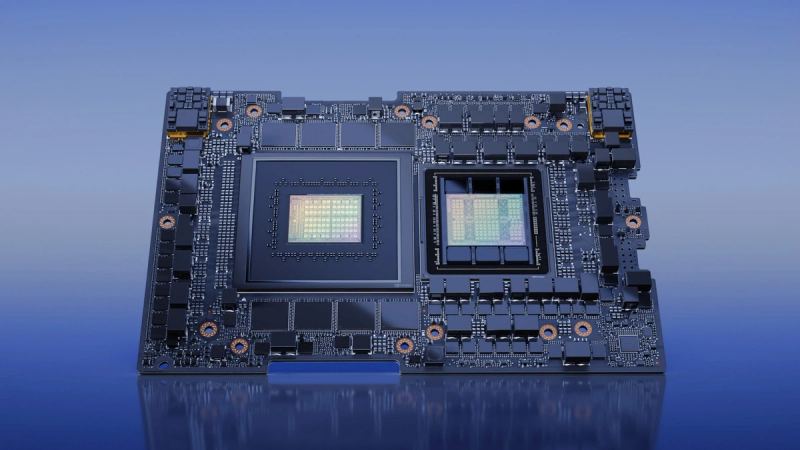
NVIDIA is no longer just selling chips, it is underwriting the next wave of AI factories with cloud-style economics
NVIDIA's July 1 AI-factory finance model matters because it uses revenue sharing and credit support to get GB300 and DSX capacity deployed faster for inference-heavy customers that cannot wait for traditional infrastructure build cycles.

Samsung's UFS 5.0 pitch says mobile AI is about storage speed now, not just bigger chips
Samsung's June 23, 2026 UFS 5.0 announcement matters because it reframes smartphone storage as a front-line AI bottleneck, promising much faster throughput, higher efficiency, and smaller packaging for next-generation on-device workloads.
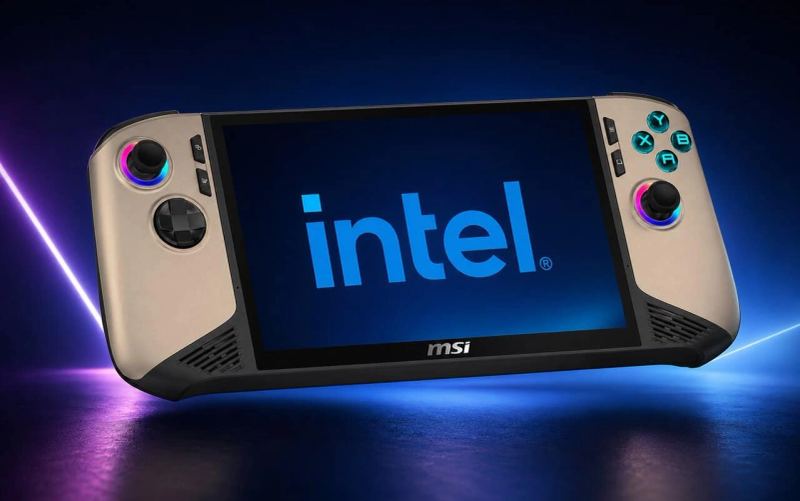
Intel's Arc G3 push says handheld gaming hardware is becoming a serious chip battleground
Intel's late-June Arc G3 rollout matters because it shows handheld gaming is no longer a side category but a purpose-built silicon fight around performance-per-watt, battery life, and console-like usability.

OpenAI's Jalapeno chip turns inference infrastructure into the next real AI battleground
OpenAI and Broadcom's June 24, 2026 Jalapeno launch matters because it shifts the AI race from model quality alone toward custom inference silicon, tighter full-stack optimization, and cheaper large-scale serving.
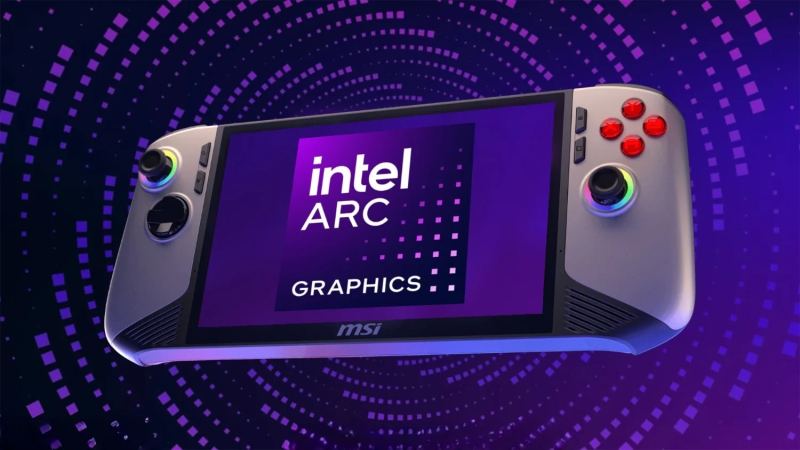
Intel's Arc G3 handheld push says portable gaming silicon is becoming its own hardware category
Intel's June 30 MSI Claw write-up matters because it shows the company is no longer treating handheld gaming as a laptop offshoot. It is designing dedicated silicon, software, and thermals around portable play.
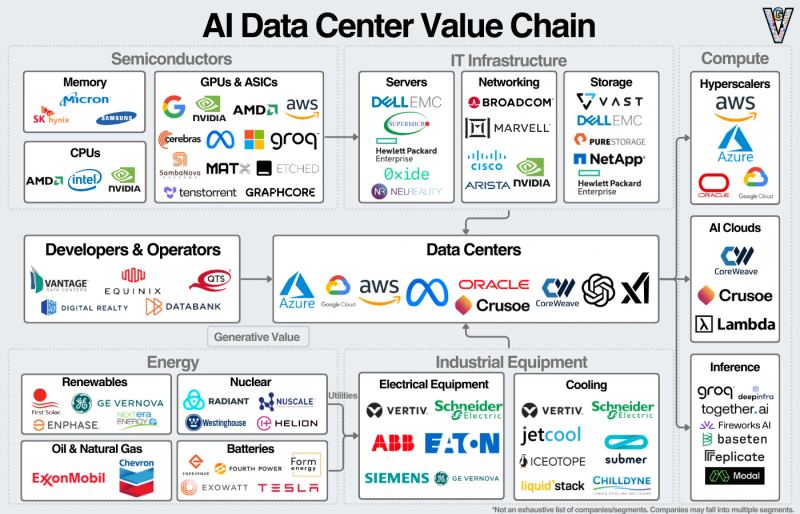
Qualcomm's Dragonfly roadmap says AI data centers are becoming an inference-economics contest, not a brute-force GPU race
Qualcomm's June 24 Dragonfly launch and Meta CPU agreement show the company trying to turn power efficiency, memory bandwidth, and rack-scale inference into a full data-center hardware wedge.
OpenAI and Broadcom's Jalapeño project shows AI hardware is moving from GPU procurement to inference-stack co-design
OpenAI and Broadcom's new Jalapeño accelerator is less about launching one more chip and more about shifting the AI hardware race toward full-stack inference design, performance per watt, and multi-generation deployment planning.
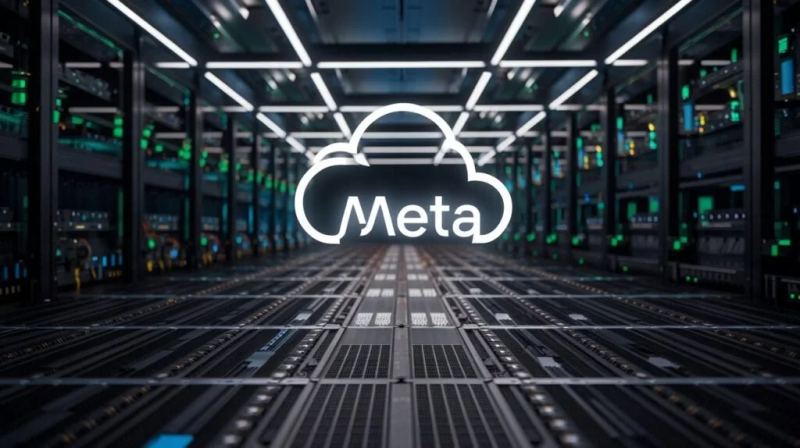
Qualcomm's Dragonfly deal with Meta says the next hardware fight is AI infrastructure platforms, not handset spillover
Qualcomm's June investor-day strategy and its multi-generation Meta CPU deal show the company trying to turn AI hardware diversification into a data-center platform play built around power efficiency, system optimization, and non-handset growth.
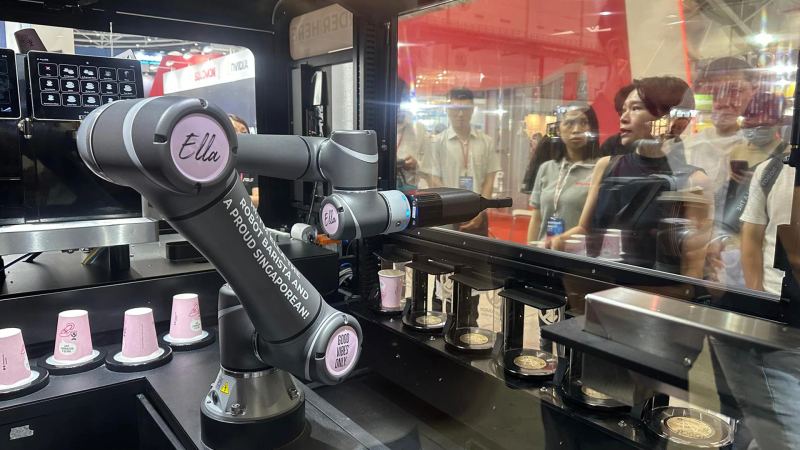
Intel is pitching agentic AI as a systems problem to reopen the hardware race
Intel's June data-center announcements argue that agentic AI will reward rack-scale coordination, networking, and CPU control planes as much as raw accelerator headlines.
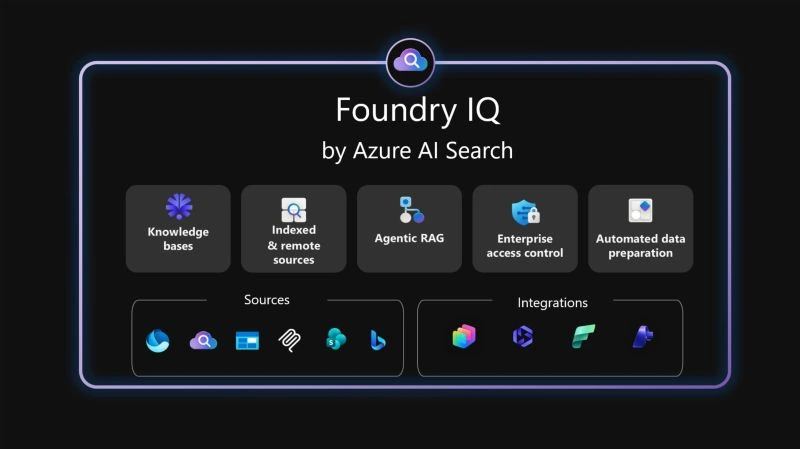
Microsoft's Work IQ APIs say enterprise agents now need a governed data surface, not just connectors
Microsoft's June Work IQ launch makes a sharper claim than another API release: enterprise agents need an opinionated, billable, supportable intelligence layer over Microsoft 365 if they are going to move from demos into production.
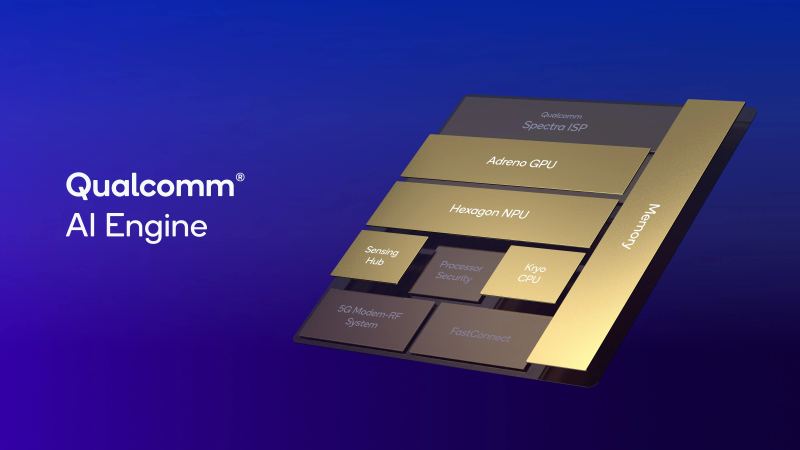
Qualcomm's Dragonfly roadmap and Meta deal say AI infrastructure is opening to CPU-first challengers
Qualcomm's June 24 data-center push and Meta partnership show the AI hardware race expanding beyond GPU incumbency into longer-cycle battles over efficient inference, CPU design, and software integration.

OpenAI and Broadcom's Jalapeno chip says inference economics are becoming product strategy
OpenAI and Broadcom's June 24 Jalapeno announcement shows that AI hardware competition is no longer just about training scale; it is increasingly about custom inference economics, reliability, and control over the serving stack.
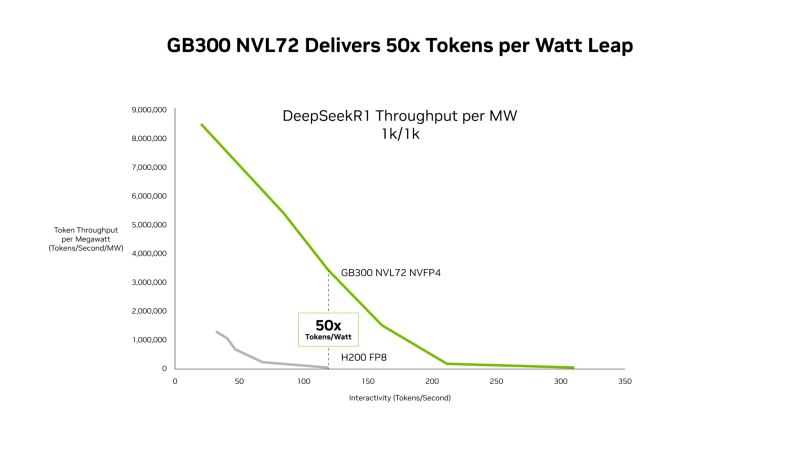
Qualcomm's Dragonfly roadmap says AI hardware competition is becoming a tokens-per-watt race
Qualcomm's June 24 Dragonfly data center push, plus Meta and Hugging Face agreements, shows the AI infrastructure market widening beyond GPU training clusters into efficient inference, CPUs, and developer deployment pipelines.