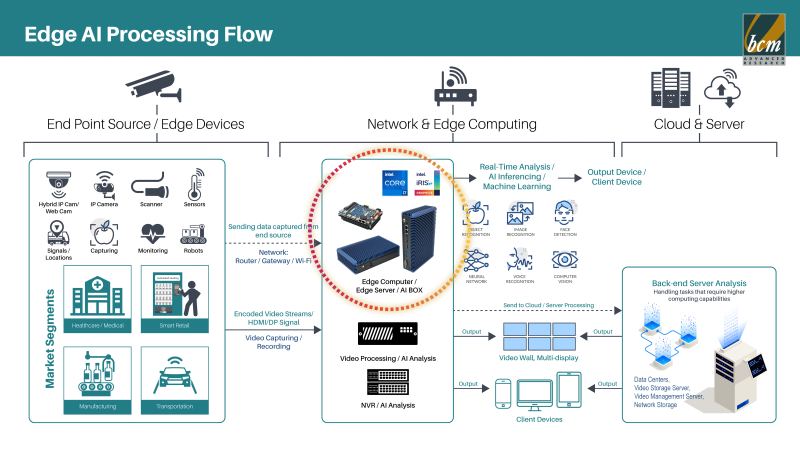
Intel's edge robotics push says physical AI is chasing cheaper local compute, not bigger cloud stacks
Intel said on May 20, 2026 that Core Ultra Series 3 is becoming a standard edge compute layer for robotics, which matters because physical AI economics improve when vision, language, and motion workloads move onto one local chip instead of depending on discrete GPUs and constant cloud handoffs.
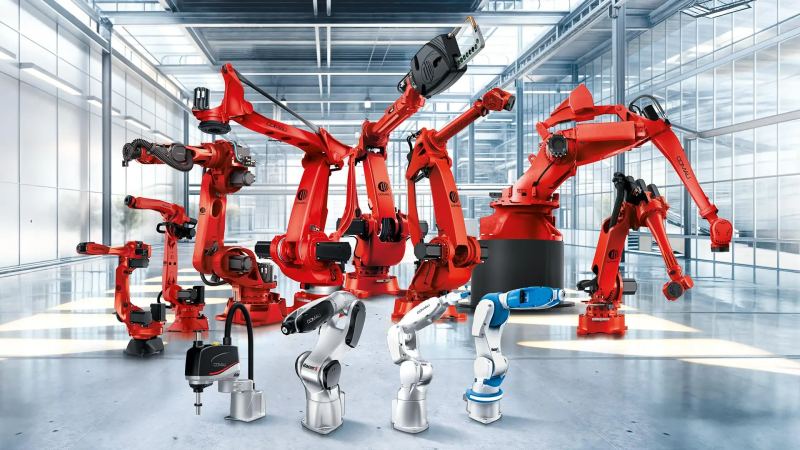
Aptiv and Comau say industrial robotics growth will be won at the edge-software stack, not the arm alone
Aptiv and Comau's May 5, 2026 collaboration matters because it combines perception, compute, interconnect, and deployment expertise into a tighter industrial autonomy stack for warehouses, robots, and logistics systems.

RoboSense says robotics LiDAR has crossed from speculative category into volume hardware market
RoboSense's May 27, 2026 results matter because robotics LiDAR shipments surged enough to overtake its automotive segment, suggesting the perception stack for delivery robots, humanoids, and service machines is entering a real scale phase.

AMD's smaller Versal Prime Gen 2 parts say edge AI hardware is being won by system density, not just raw silicon bragging
AMD's May 27, 2026 launch of new Versal Prime Series Gen 2 devices matters because it targets embedded and edge builders who need more compute per board area, stronger video and memory capability, and easier platform reuse across robotics, vision, and industrial systems.
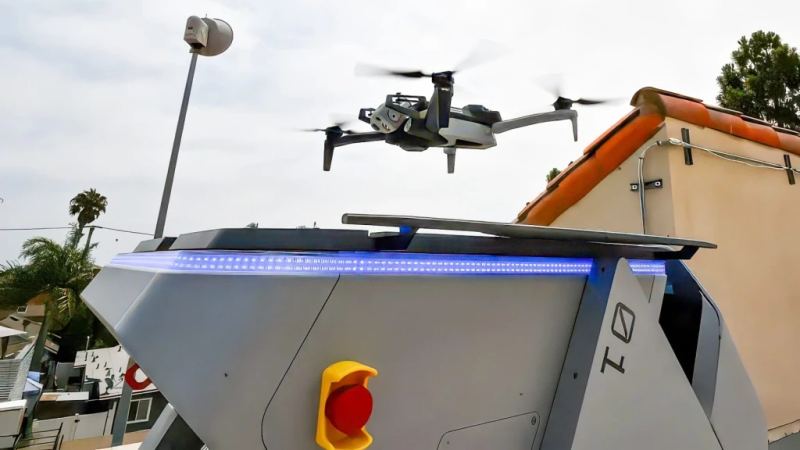
Skydio's multi-drone approval says robotics scale now depends on one operator managing fleets, not one machine at a time
Skydio's March 26, 2026 multi-drone operations push matters because it moves drone autonomy toward fleet economics, where one remote pilot can supervise several aircraft across public-safety and inspection workflows.

Figure's YLDS launch on Stellar says onchain dollars are competing to become savings products, not just settlement chips
Figure's May 5, 2026 YLDS launch on Stellar matters because it pushes stablecoins toward regulated, yield-bearing savings products distributed through fintech apps, not just trading and settlement infrastructure.
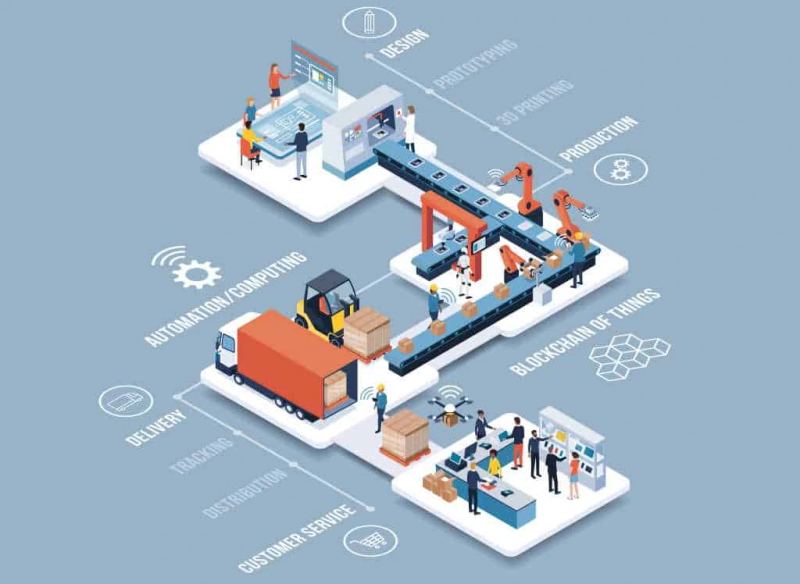
Figure's production ramp says robotics advantage is shifting from demos to factory throughput
Figure's April 29, 2026 production update matters because humanoid competition is moving from isolated autonomy demos toward manufacturing cadence, fleet learning, and commercial scale-up.

Figure's Helix 02 bedroom demo says robotics progress now depends on multi-agent coordination in messy real rooms, not isolated lab tasks
Figure's May 8, 2026 Helix 02 bedroom demo matters because it shows humanoid progress shifting toward coordinated, room-scale autonomy where two robots infer each other's intent without a central planner.
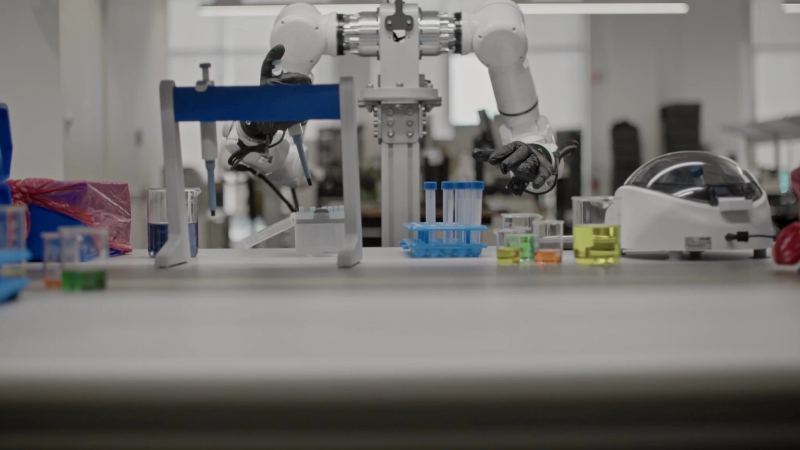
Genesis AI's GENE-26.5 says physical AI is racing toward general manipulation, not single-task demos
Genesis AI's May 6, 2026 GENE-26.5 launch matters because the company is tying robotic intelligence to a full-stack data engine and dexterous hardware instead of isolated robotics demonstrations.
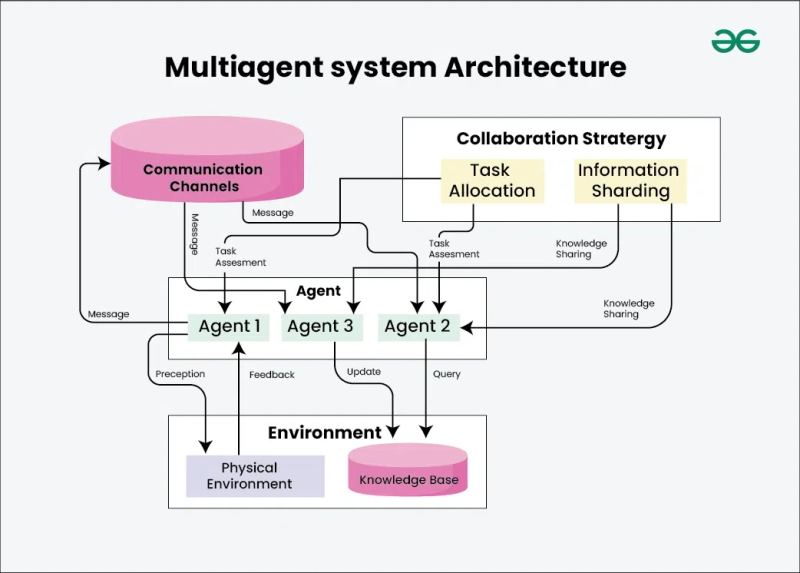
Serve's hospital robotics expansion says physical AI scale comes from multi-environment platforms, not one robot niche
Serve Robotics' May 7 results and Diligent Robotics integration matter because they show robotics companies trying to turn separate delivery and hospital fleets into one broader physical AI platform.

Intel's Core Ultra Series 3 push says edge robotics hardware now wins on integrated AI economics, not GPU prestige
Intel's May 20 Core Ultra Series 3 robotics message matters because it frames edge AI compute as a total-system economics problem where integrated CPU, GPU, and NPU matter more than attaching discrete accelerators everywhere.
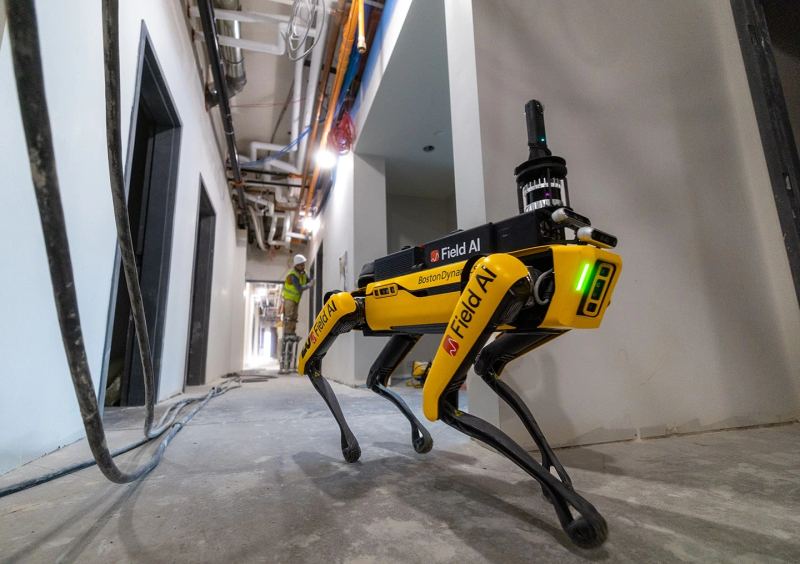
Boston Dynamics and FieldAI say the next robotics leap is not better demos but reliable autonomy in messy real-world environments
Boston Dynamics' March partnership with FieldAI matters because it targets the hardest robotics problem left for industrial deployment: operating safely and usefully in environments that refuse to stay predictable.

Zipline is proving that drone delivery becomes infrastructure only when the aircraft fade into the background
Zipline's 2026 delivery and acoustic updates matter because they show the next robotics bottleneck in drone logistics is community-compatible operations, not simply adding more autonomous flight capability.

Skydio is moving drone autonomy from one pilot one machine into coordinated airspace software for many drones at once
Skydio's latest engineering update matters because it shows the next robotics bottleneck is not just flight hardware, but software coordination for dense multi-drone operations in real infrastructure environments.
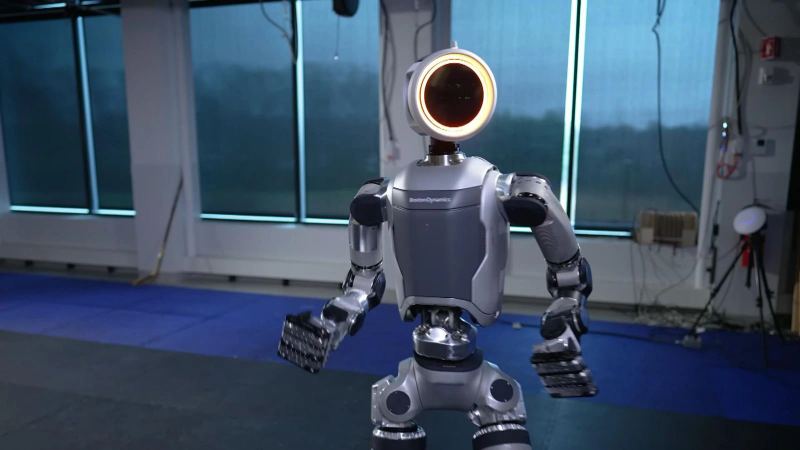
Boston Dynamics says humanoid robotics is finally leaving the demo era for factory schedules
Boston Dynamics' latest Atlas messaging matters because it reframes humanoid robotics from spectacle into a manufacturable, serviceable industrial system meant for real deployment calendars.

WIRobotics' $68 million round says humanoid robotics is moving through wearable data first
WIRobotics' KRW 95 billion Series B shows a robotics path where commercial wearable robots generate the movement data and control expertise needed for later humanoid systems.
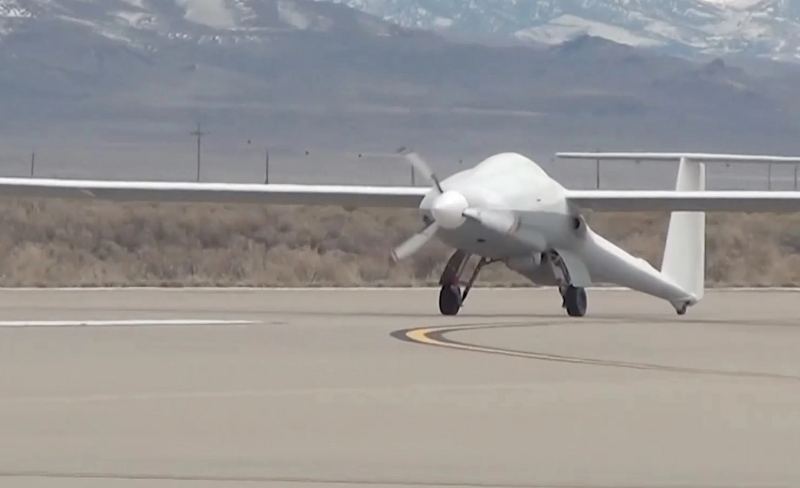
DZYNE's Blitz launch shows the drone-autonomy race is shifting toward cheap modular mass, not exquisite aircraft
DZYNE's May 14, 2026 launch of Blitz captures a defense robotics shift toward attritable, modular, quickly trained unmanned systems that can be deployed in quantity.
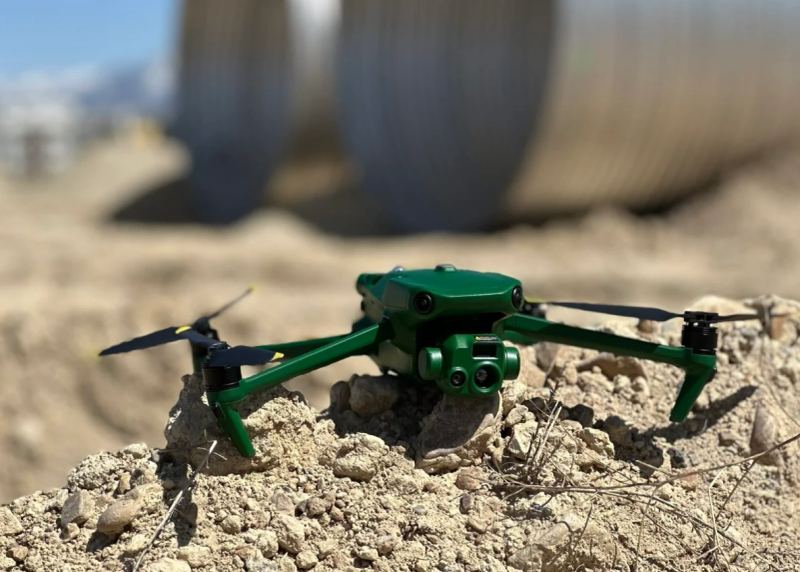
Drones & Robotics moves automation closer to real deployment
Drones & Robotics moves automation closer to real deployment is the strongest Drones & Robotics signal from the current research batch, backed by verified sources and framed around what changes next.
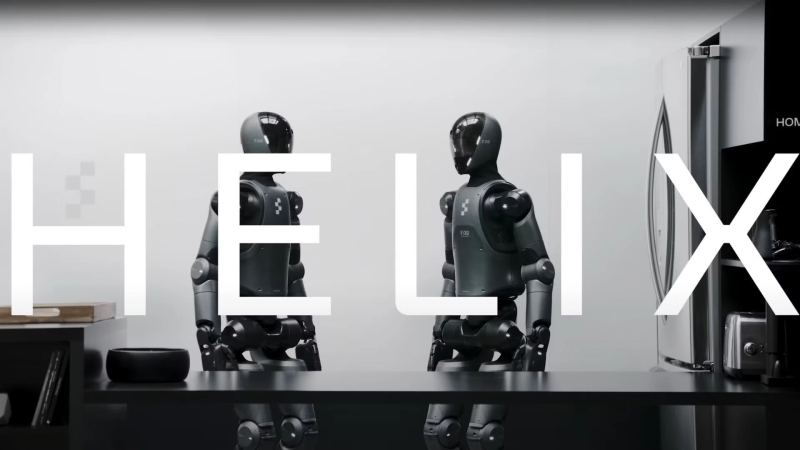
Figure's Helix-02 bedroom demo makes the robotics question less about locomotion and more about coordination
Figure says two Helix-02 humanoids reset a bedroom in under two minutes, offering a sharper look at how multi-robot coordination and deformable-object handling are becoming the real frontier in home and workplace robotics.
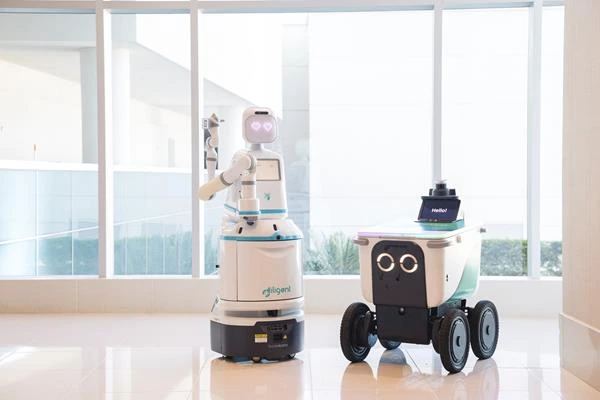
Serve Robotics' first quarter says physical AI is finally being measured in recurring revenue and city expansion, not just robot novelty
Serve Robotics' May 7, 2026 results put harder metrics behind delivery robotics: revenue tripled sequentially, the footprint widened, and the company used the Diligent Robotics acquisition to argue that service robots are becoming a real operating category rather than a perpetual pilot.

Schaeffler's humanoid robotics target says industrial robot demand is finally turning into component orders
Schaeffler's forecast that humanoid robotics could generate a three-digit-million-euro order book by 2030 is a stronger commercialization signal than another robot demo video. It suggests the embodied-AI market is beginning to show up in the supply chain through actuators, motion systems, and industrial partnerships that can be measured in orders rather than impressions.
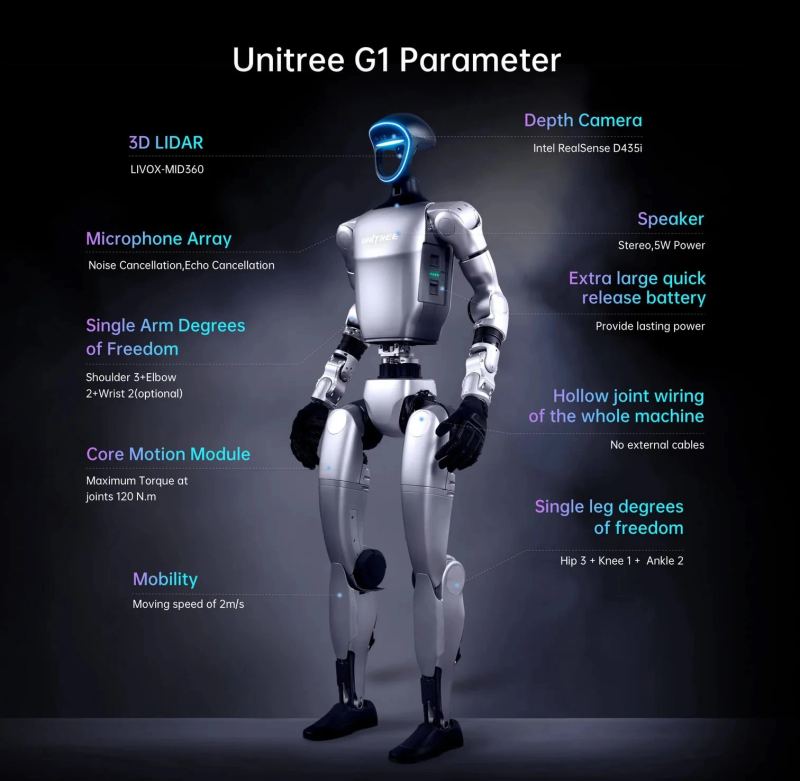
Drones & Robotics Briefing: Humanoid Scaling, Defense Automation, and Agri-Tech Deployment
This morning’s drone and robotics landscape spans accelerated humanoid manufacturing, next-generation defense systems, and agricultural automation, signaling rapid commercial and military adoption.

Red Cat's quarter says drone-defense winners will be the companies that turn battlefield demand into manufacturing breadth
Red Cat reported first-quarter 2026 results on May 7 showing 849% revenue growth alongside new NATO and Asia-Pacific orders, a swarm-robotics acquisition, and expanded maritime manufacturing plans. The deeper takeaway is that the drone market is consolidating around companies that can combine combat iteration, autonomous control software, and production scale.

Micropolis' EMSTEEL deployment says industrial robotics demand is moving toward dirty, repetitive logistics work
Micropolis AI Robotics announced on May 7, 2026 that it signed a $1.2 million deployment agreement with EMSTEEL for autonomous logistics robots. The bigger signal is that robotics adoption keeps advancing where labor is repetitive, environments are physically demanding, and customers care more about throughput and safety than about humanoid spectacle.