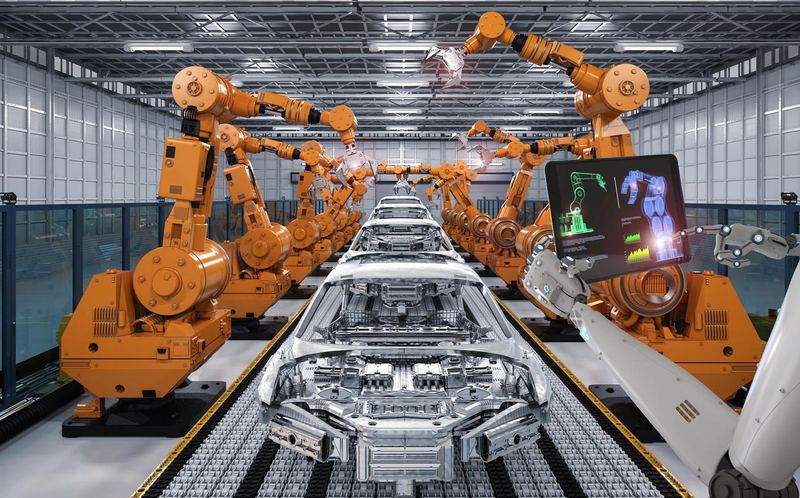
HD Hyundai Robotics' Chouest shipyard order says industrial robots are moving from factory cells into heavy-yard labor bottlenecks
HD Hyundai Robotics announced on May 7, 2026 that it won an order to supply ArcLift GO robotic welding systems to Chouest Group shipyards in North America and Brazil. The importance goes beyond one order: robotics vendors are proving they can move into hard, labor-constrained industrial environments where automation has traditionally been difficult, expensive, and operationally disruptive.
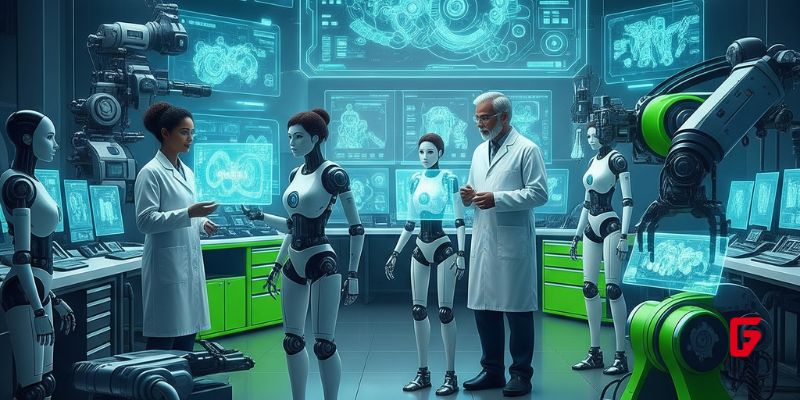
Genesis AI's new manipulation model says robotics wants a common brain before it wants one perfect robot
Genesis AI's May 6 rollout of GENE-26.5 matters because it frames physical AI as a general manipulation problem rather than a one-robot product race. The companys pitch is that a shared model for dexterous control could matter more than any single hardware shell, which would shift value in robotics toward the common intelligence layer.

Zipline's Houston launch says drone delivery is finally being sold as normal urban convenience
Zipline's April 29 early-access rollout in Houston matters because it reframes drone delivery from pilot-program novelty into everyday urban logistics. Combined with Zipline's recent claims of more than 2 million deliveries and ongoing work on quieter aircraft, the company is making a case that the next phase of robotics adoption will come not from spectacle but from making autonomy disappear into normal consumer behavior.
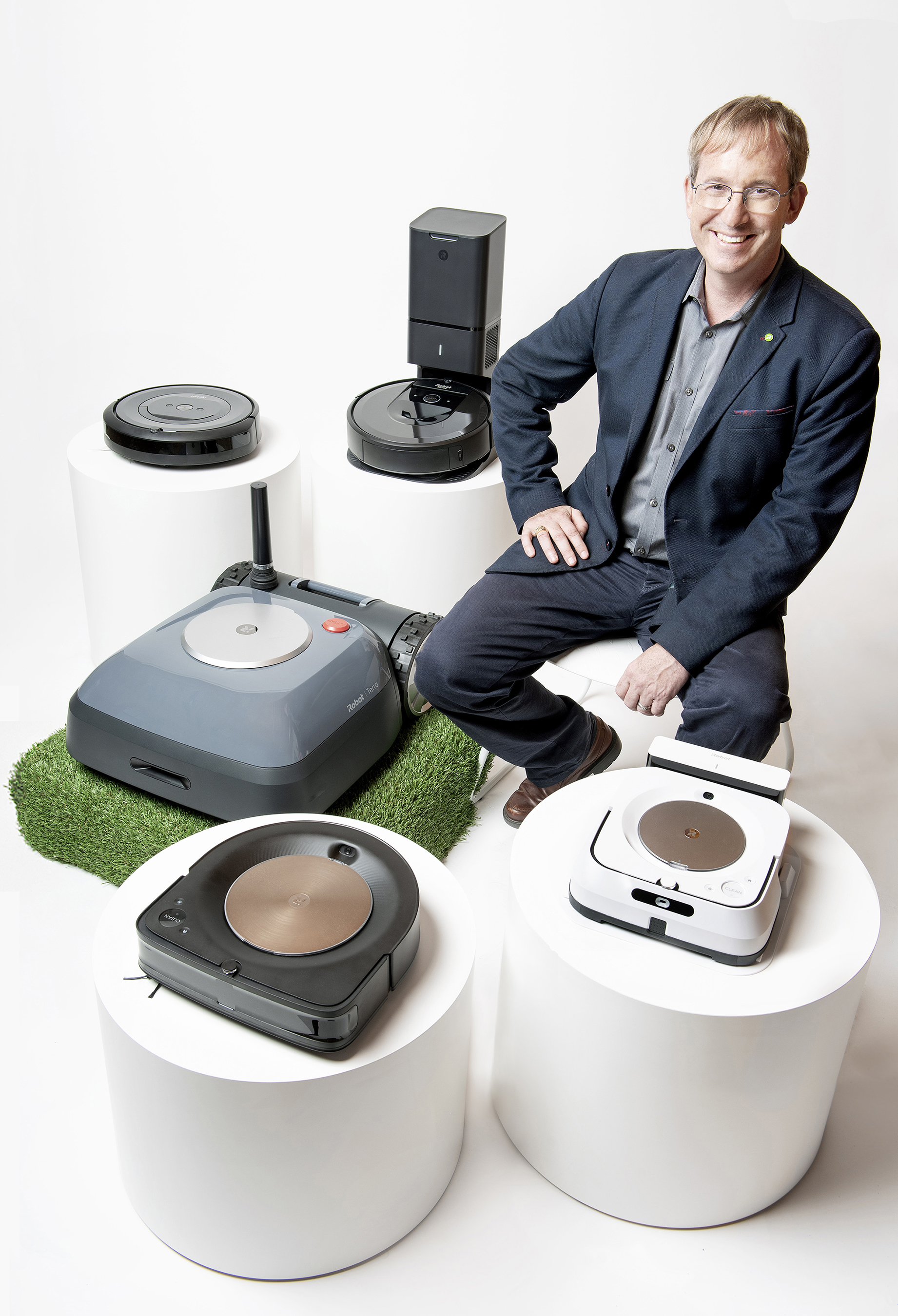
Colin Angle's new home-robot company says physical AI is coming back through care, not chores
Familiar Machines & Magic matters because it revives consumer robotics with a different thesis from the Roomba era. Instead of winning through task utility first, Colin Angle's new company is betting that emotionally aware, edge-heavy physical AI can become a trusted daily presence in the home and eventually a broader platform for embodied intelligence.
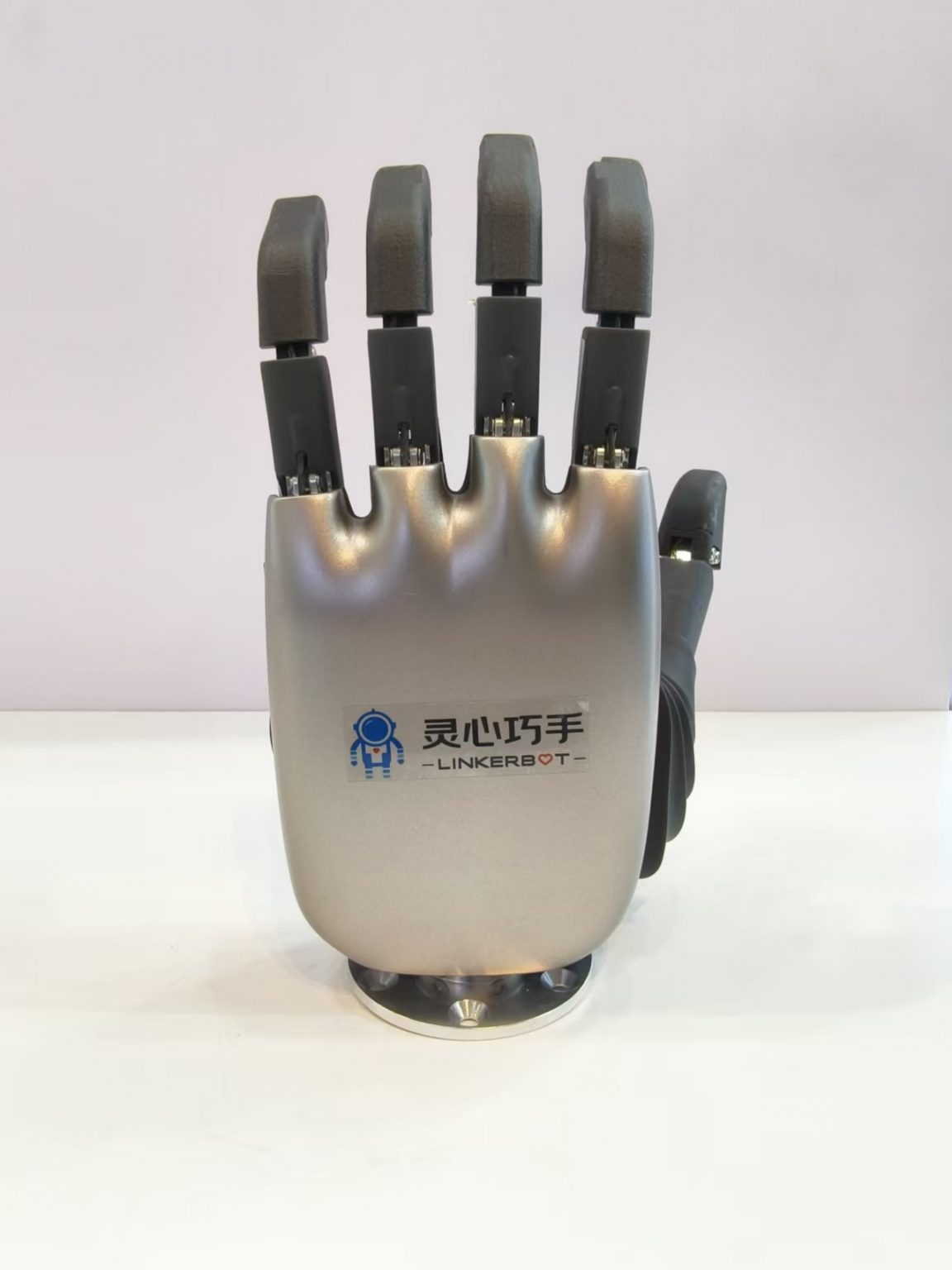
Linkerbot's funding target says humanoid robotics is being repriced around the hand
Linkerbot's May 4 funding story matters because it highlights where investors now see leverage inside humanoid robotics. Instead of betting only on full-body robot makers, capital is flowing toward the dexterous hand as a scarce, high-complexity subsystem that can shape commercial readiness across the whole category.

Japan Airlines' humanoid ramp trial says robotics is moving from factory demos into real airport operations
Japan Airlines' new humanoid-robot trial at Haneda is easy to reduce to a spectacle story, but the real significance is operational. The project targets one of the most labor-constrained, safety-sensitive, and physically awkward parts of transport infrastructure: ground handling around aircraft.
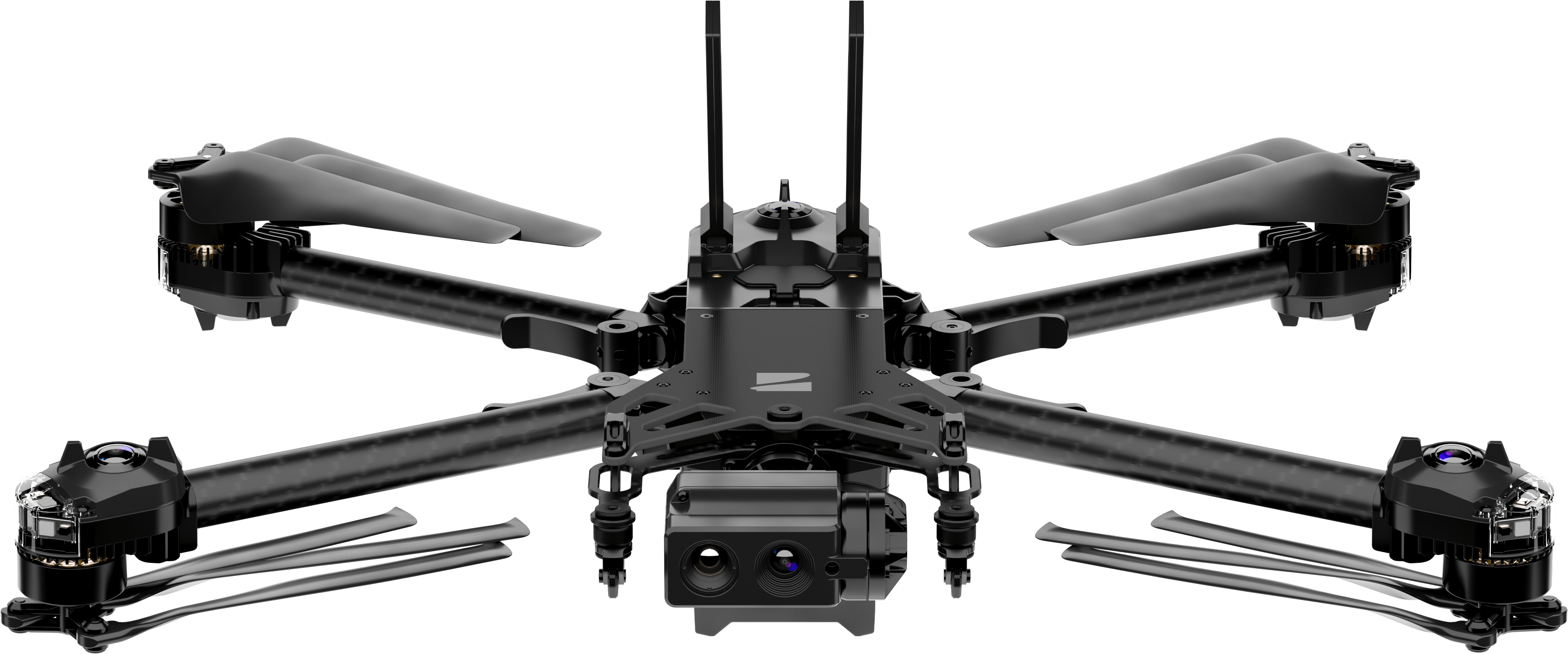
Skydio's $3.5 billion plan says drone autonomy is becoming a manufacturing and supply-chain race
Skydio's late-April announcements make a bigger point than one company expansion story. In drones and robotics, the contest is moving from clever demos to secure supply chains, domestic manufacturing depth, and the ability to scale autonomous systems for public safety, utilities, and defense.
1X opening a humanoid robot factory makes home robotics look like a manufacturing race
1X's new Hayward factory is not just another robotics milestone. It is a statement that humanoid competition is shifting from lab demos to supply chain control, production speed, and the ability to ship physical AI into real homes.
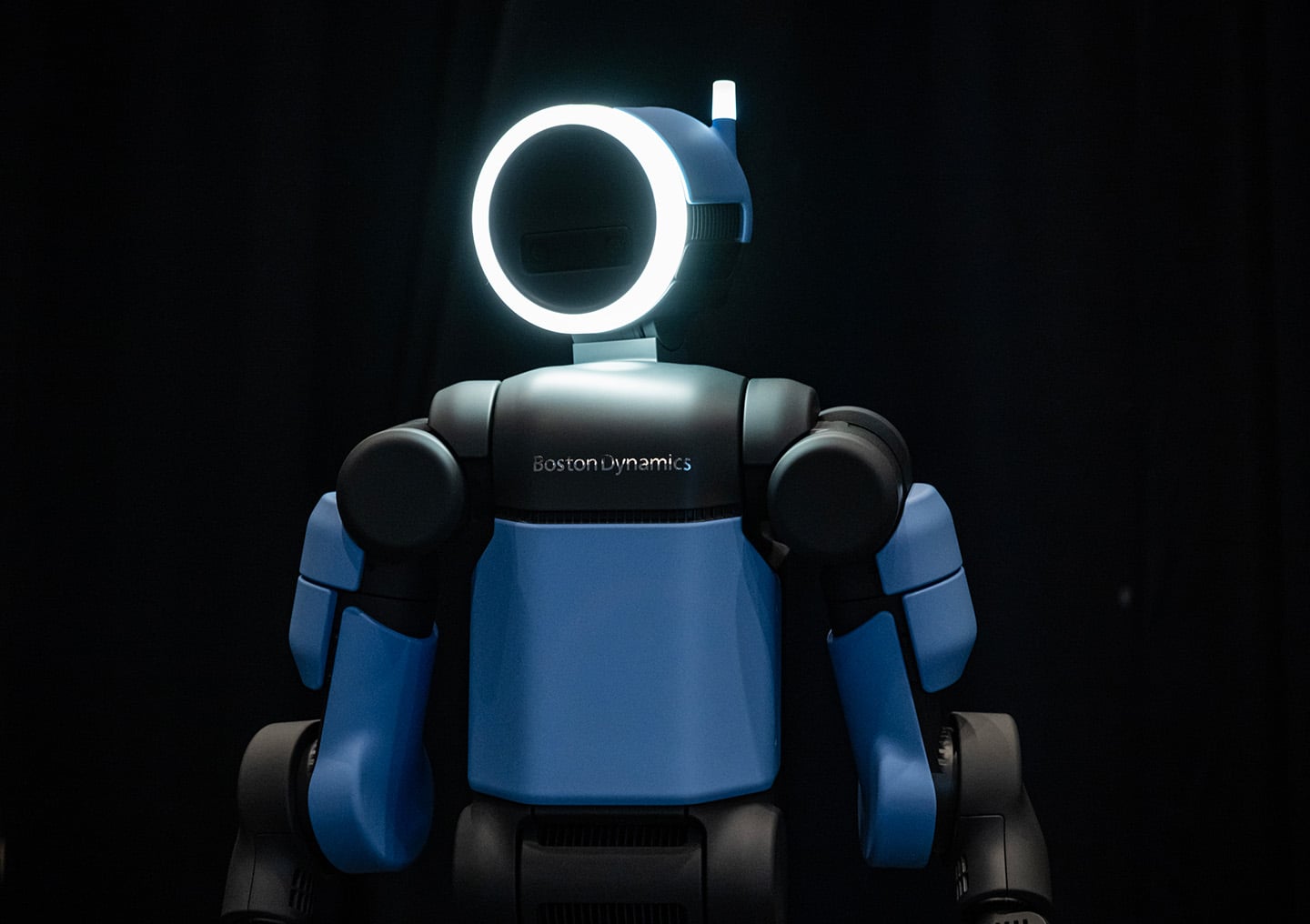
Humanoid robots are splitting into factory workers and social performers
The humanoid robotics market is separating into two tracks: robots built for industrial labor and robots optimized for attention, interaction, and social presence.
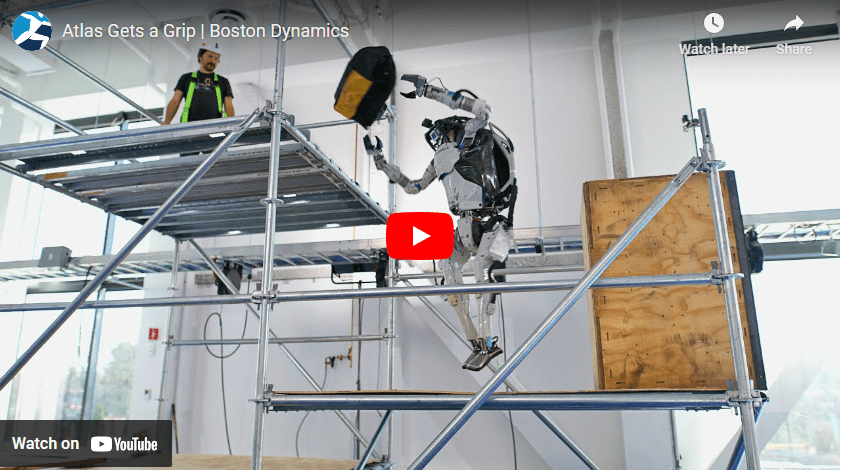
Atlas video sets a higher proof standard for humanoid robots
Boston Dynamics videos show why humanoid robotics is entering a proof era: polished demos are useful, but repeatable manipulation and industrial context matter more.