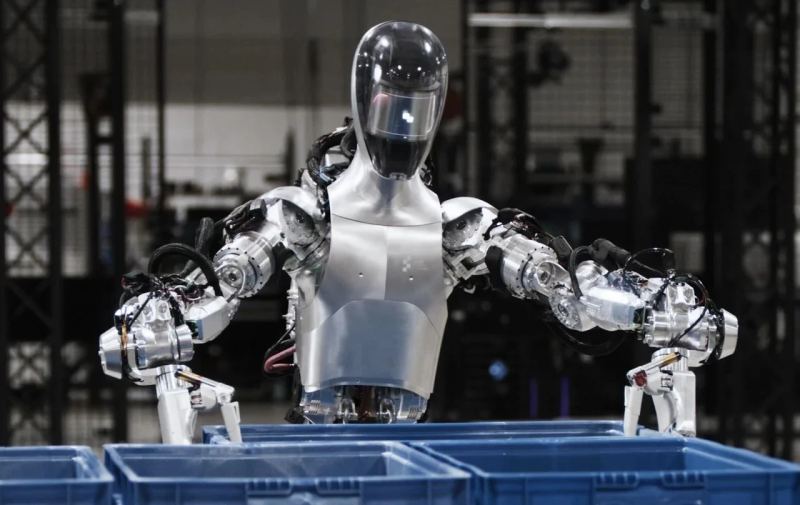
Figure's BotQ ramp says humanoid robotics is becoming a manufacturing and fleet-ops business, not just a demo business
Figure's late-April production ramp and May Catalyst Brands agreement suggest the key humanoid-robotics battle is shifting from prototype excitement to manufacturing throughput, diagnostics, and commercial fleet discipline.

Qualcomm's Dragonwing robotics kit says the next robot race is about deployable stacks, not isolated hardware
Qualcomm's June 1 Dragonwing IQ10 robotics reference design, paired with its Computex 2026 agent-first messaging, shows robotics vendors pushing toward packaged full-stack deployment platforms rather than disconnected components.
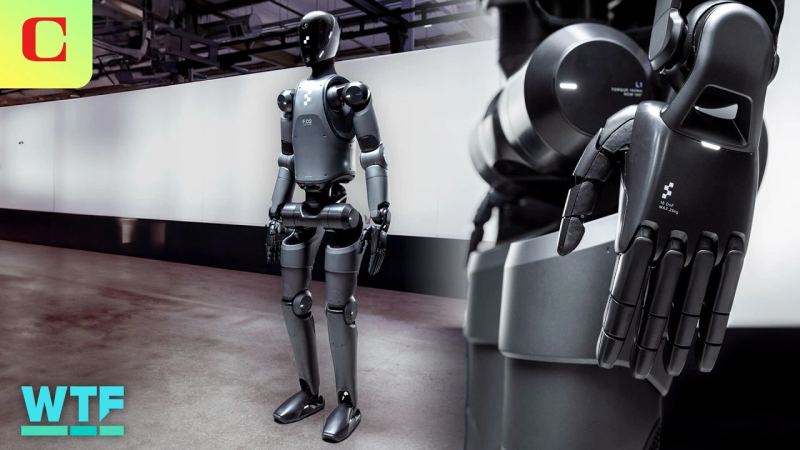
Figure's Catalyst Brands deal is a test of whether humanoid robots can move from demos into repeatable retail logistics work
Figure's May 26 agreement with Catalyst Brands puts humanoids into a real Reno distribution center and links that deployment to a broader production ramp, making commercial logistics one of the clearest proving grounds for physical AI in 2026.
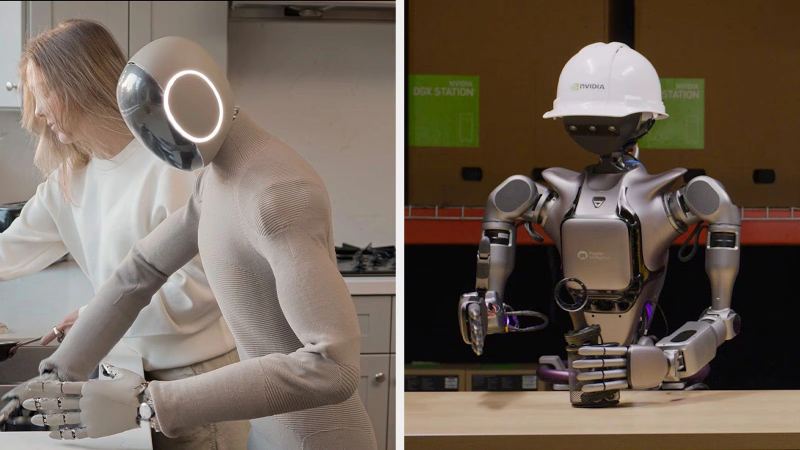
NVIDIA's GR00T reference robot says humanoid progress now depends on shared platforms, not isolated prototypes
NVIDIA's new Isaac GR00T reference humanoid combines Unitree hardware, Jetson Thor compute, dexterous hands, and open software into a single research stack, pushing robotics toward a platform era where reusable infrastructure matters more than one-off demos.
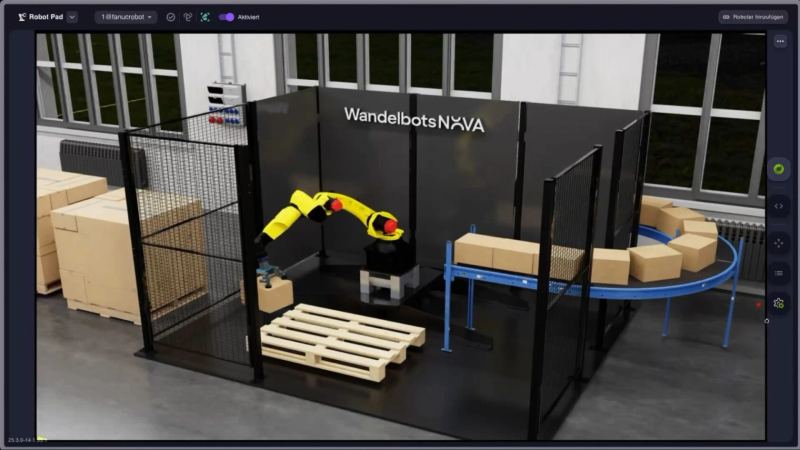
NVIDIA and Doosan say robotics is becoming infrastructure, not just automation hardware
NVIDIA's June 7 Doosan expansion and its early-June physical AI research push suggest robotics is moving beyond standalone machines into a broader infrastructure layer that spans simulation, world models, industrial equipment, energy, and AI factory deployment.
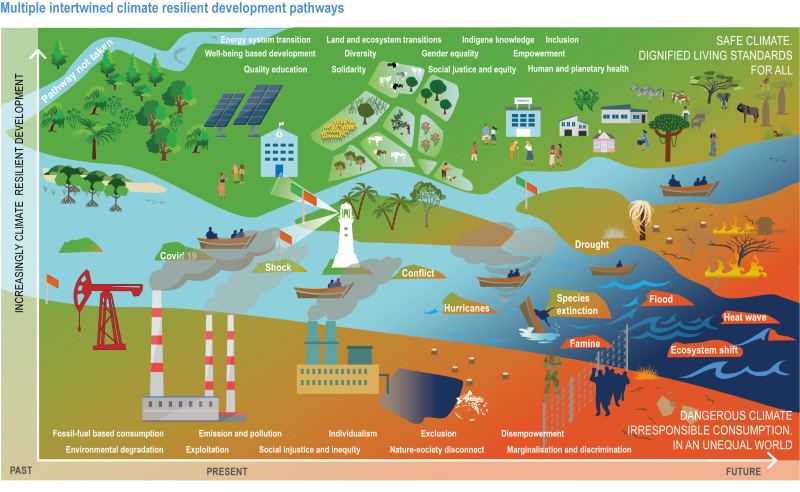
Qualcomm's Edge Alert Sentinel says robotics is spreading from factory floors into climate response infrastructure
Qualcomm's new Edge Alert Sentinel collaboration shows autonomous systems are becoming field-deployed environmental infrastructure, mixing sensing, edge inference, and aerial inspection into one real-time response layer.
Qualcomm's Dragonwing IQ10 design says robotics platforms are becoming full-stack deployment systems, not component science projects
Qualcomm is packaging compute, sensing, networking, control, and software into one robotics reference design, showing how the robotics market is shifting from isolated subsystems toward production-grade embodied AI platforms.
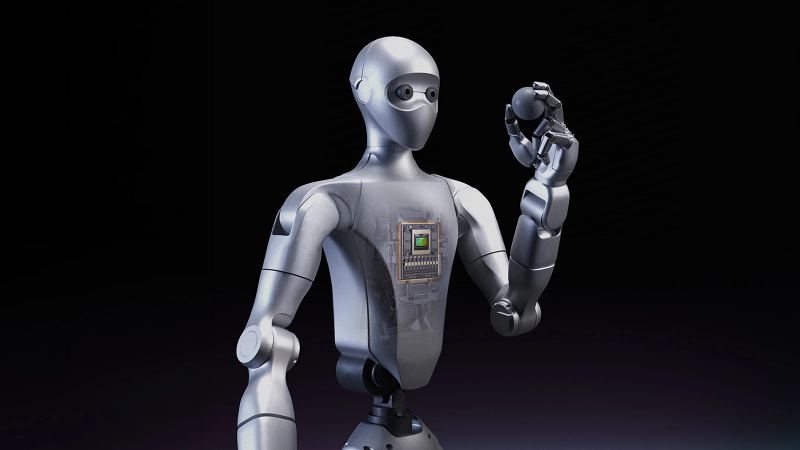
NVIDIA's GR00T reference humanoid says robotics is moving from isolated demos toward open development platforms teams can actually build on
NVIDIA's June 1, 2026 GR00T reference humanoid announcement matters because it packages body, hands, compute, and software into an open research platform aimed at accelerating physical AI development beyond bespoke robotics stacks.
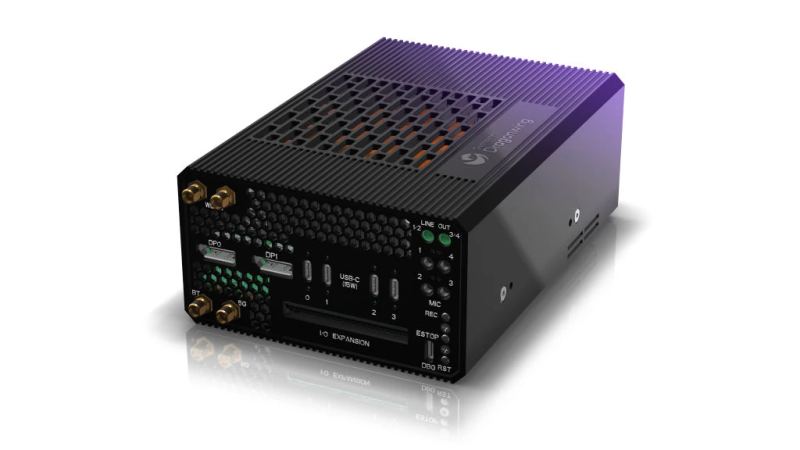
Qualcomm's Dragonwing IQ10 reference design says robotics vendors now want a deployment stack, not just a robot brain
Qualcomm's June 1, 2026 Dragonwing IQ10 robotics reference design matters because it packages compute, sensors, software, and AI tools into a full-stack starting point for mobile robots, industrial systems, and humanoids.

Figure's YLDS launch on Stellar says stablecoins are moving from trading rails toward regulated dollar savings products for everyday users
Figure's May 5, 2026 YLDS launch on Stellar matters because it pushes the stablecoin conversation away from pure payments and speculation toward compliant yield-bearing dollar savings distributed through fintech apps.
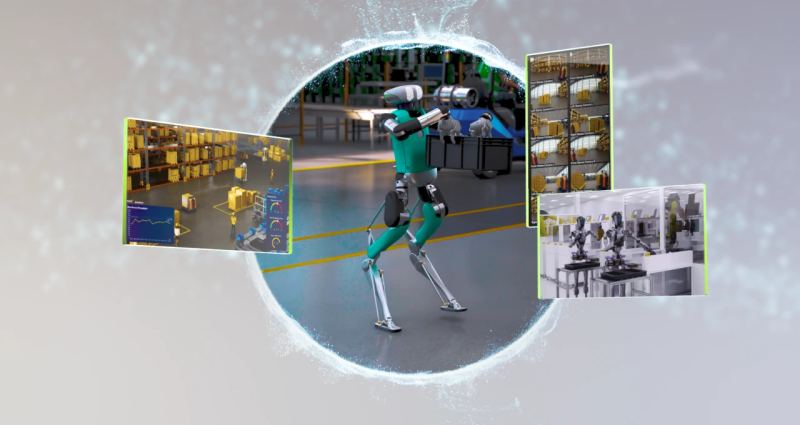
Qualcomm's new robotics reference design says physical AI is moving from demos to deployment-ready system stacks
Qualcomm's June 1, 2026 Dragonwing IQ10 Robotics Reference Design matters because it packages compute, sensing, control, and software into a production-style platform for builders who are tired of stitching robotics systems together from scratch.

NVIDIA's Alpamayo 2 Super says robotics progress now depends on reasoning stacks, not narrow driving models
NVIDIA's May 31, 2026 Alpamayo 2 Super launch matters because it packages reasoning, labeling, world models, and simulation into a reusable autonomy stack instead of another single-purpose driving model.
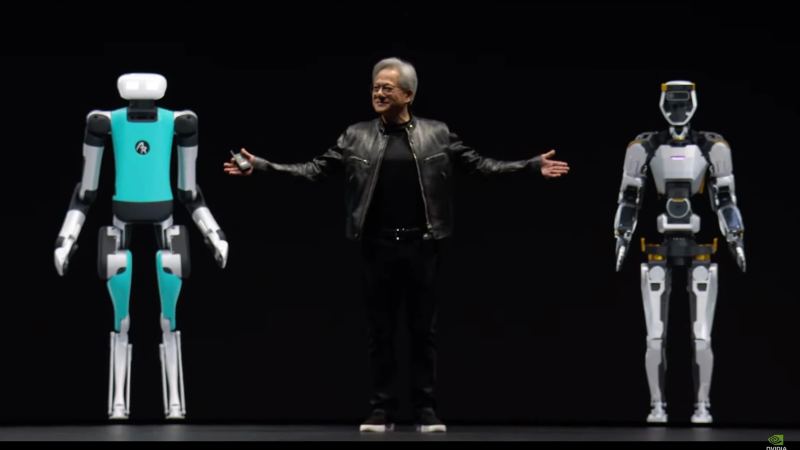
NVIDIA's GR00T reference humanoid says robotics is moving from bespoke labs toward shared research platforms
NVIDIA's early June 2026 robotics push matters because it turns humanoid development into a more standardized academic and developer workflow built on shared hardware, open training platforms, and reusable physical-AI tooling.
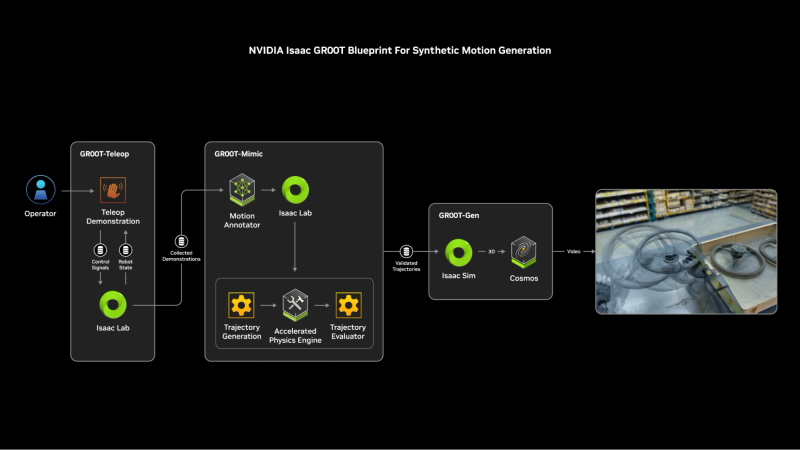
NVIDIA's GR00T reference humanoid says robotics progress now depends on open integration stacks, not closed moonshots
NVIDIA's May 31 and June 1, 2026 GR00T reference humanoid announcement matters because it packages hardware, hands, onboard compute, and open robotics software into one reproducible research system instead of another isolated humanoid demo.
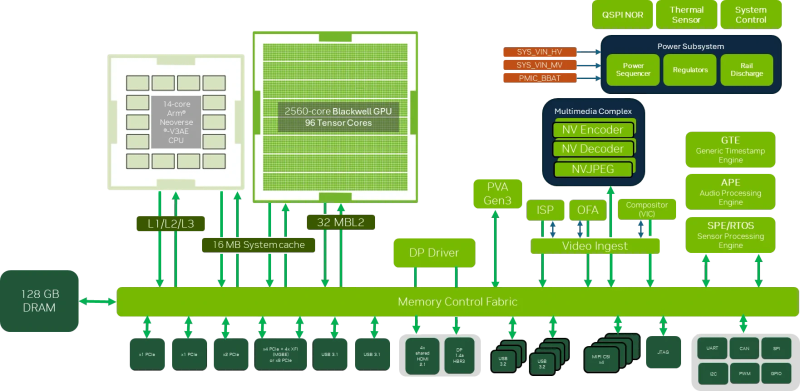
NVIDIA's Jetson stack says robotics is moving from model demos to agent-ready physical AI systems
NVIDIA's June 1, 2026 Jetson update matters because it packages agent skills, NemoClaw, CUDA 13, and deterministic edge controls into a production-grade stack for robots, inspection systems, and industrial automation.

Intel's edge robotics push says AI hardware is moving away from discrete GPU sprawl toward one-chip deployment
Intel's May 20 and late-May 2026 robotics announcements matter because they argue that physical AI economics improve when inference, vision, and control can run on one integrated edge processor instead of an expensive GPU-heavy stack.
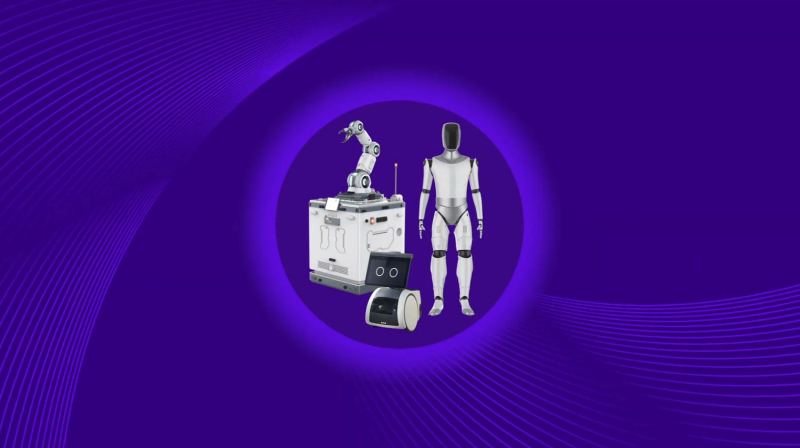
Qualcomm's Dragonwing IQ10 says robotics will scale through full-stack reference systems, not one-off demos
Qualcomm's new Dragonwing IQ10 robotics reference design matters because it packages sensing, compute, networking, control, and software into one deployment-ready architecture aimed at reducing the integration pain that slows robots from prototype to production.
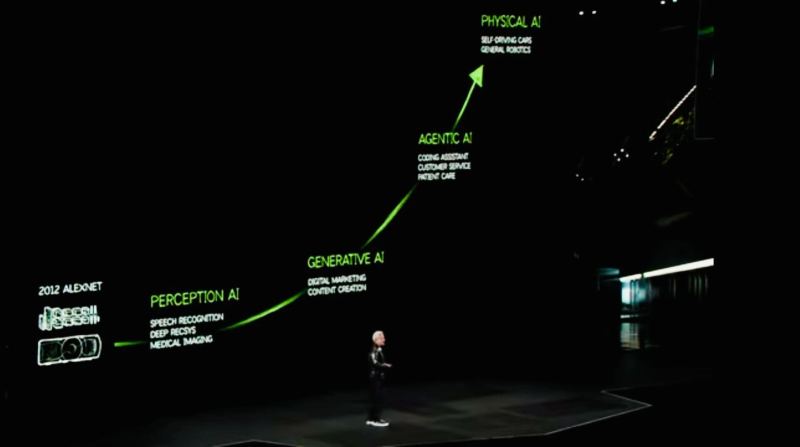
NVIDIA's new physical AI agent skills say robotics progress now depends on workflow scale, not isolated demos
NVIDIA's June 3, 2026 physical AI research push matters because it turns robotics development into a data-generation, simulation, policy-training, and evaluation pipeline that agents can help orchestrate end to end.
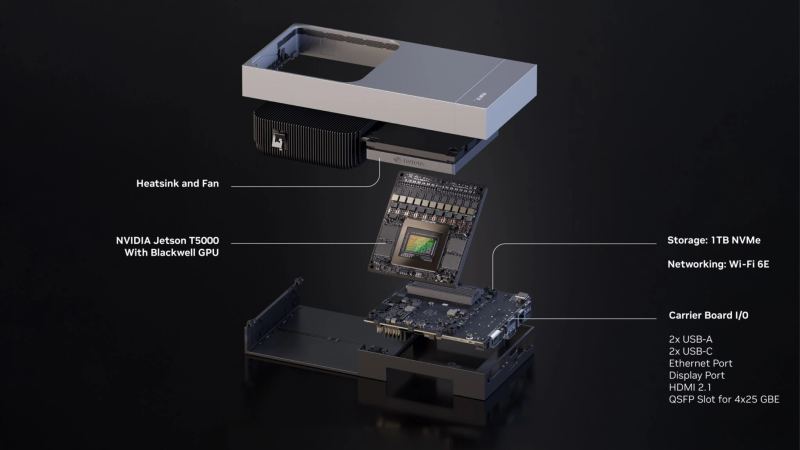
NVIDIA's Jetson update says robotics will scale through deployable physical AI stacks, not isolated robot demos
NVIDIA's June 1, 2026 Jetson and NemoClaw update matters because it turns physical AI into a production-stack story spanning edge compute, agent skills, operating-system control, and deployment economics.
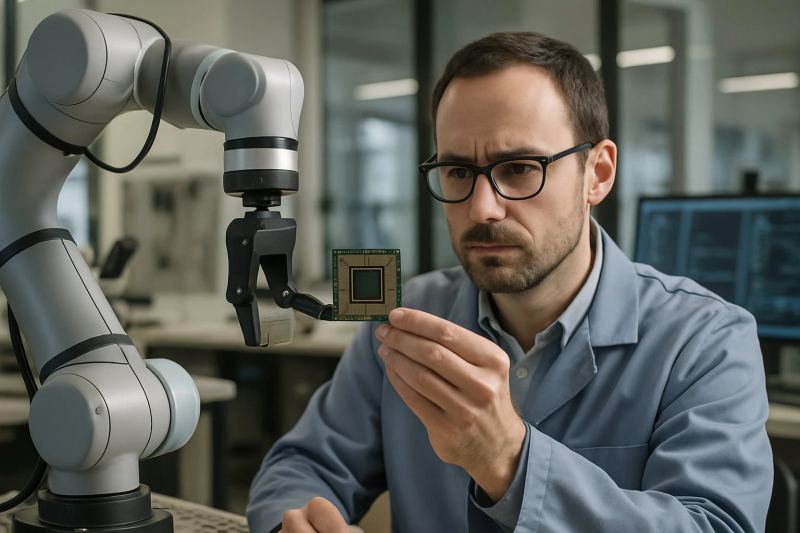
Intel's robotics push says physical AI will spread fastest through cheaper edge brains, not cloud-heavy spectacle
Intel's late-May and early-June 2026 robotics updates matter because they frame physical AI around single-chip practicality, deployment cost, and repeatable edge autonomy rather than giant cloud-first demos.
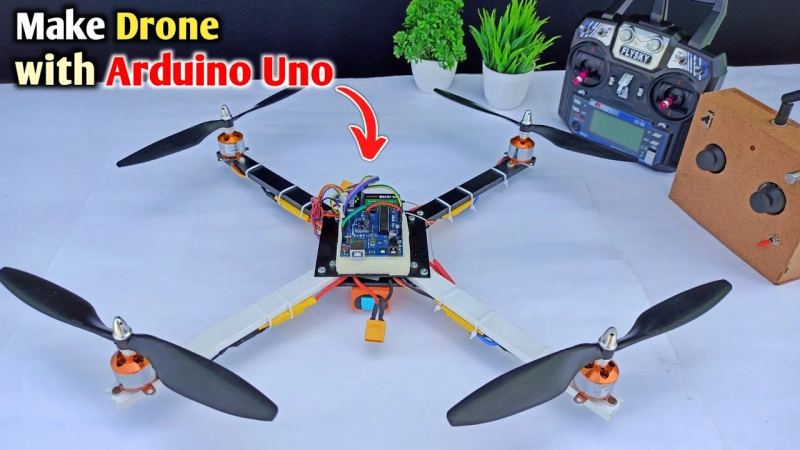
Safe Pro's Army kit order says drone robotics value is moving from flight alone to onboard battlefield interpretation
Safe Pro's June 2, 2026 U.S. Army order matters because it packages AI edge processing, Red Cat drones, and operational support into one field-ready robotics product rather than a standalone aircraft sale.
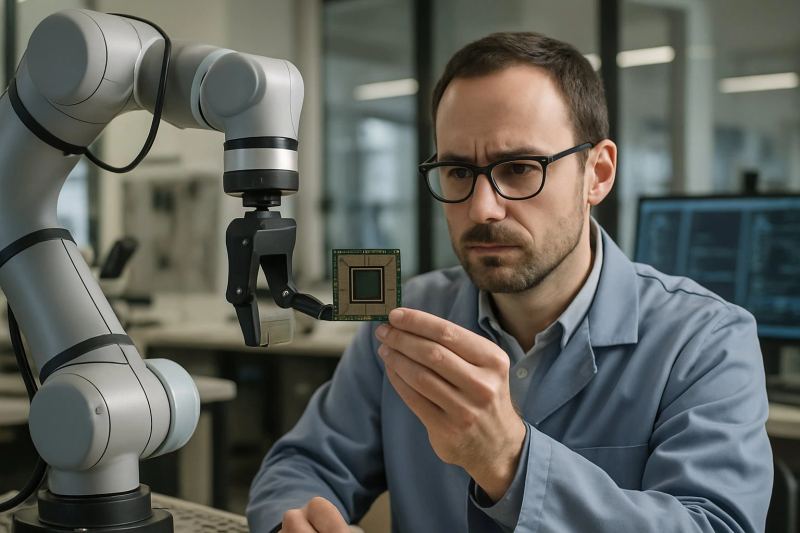
Intel's robotics push says the next deployment battle is physical AI at the edge, not giant cloud demos alone
Intel's late-May 2026 robotics announcements matter because they tie processor momentum, OpenVINO Physical AI tooling, and design wins into a repeatable deployment story for edge robots.

Figure's Helix-02 demo says robotics progress is shifting from single-task tricks to shared-scene coordination
Figure's May 8, 2026 Helix-02 bedroom-tidy demonstration matters because it frames humanoid progress around multi-robot coordination, whole-room reasoning, and real-time adaptation rather than isolated object-handling demos.
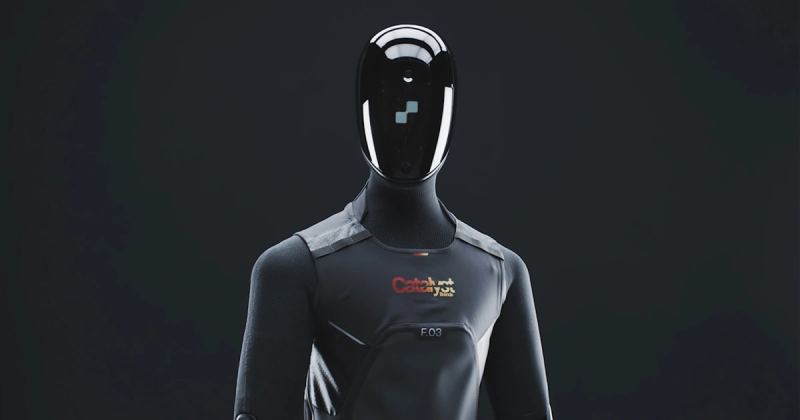
Figure's Catalyst deal says humanoid robotics is leaving the demo stage for retail logistics scale
Figure's May 26, 2026 agreement with Catalyst Brands matters because it places humanoid robots inside a retail distribution network where labor, throughput, and repeatability are measured every day.