Red Cat's Quaze deal says the drone stack is widening from airframes and autonomy into wireless power
Red Cat's May 20, 2026 acquisition of Quaze Technologies matters because it targets a practical bottleneck in unmanned operations: keeping drones and autonomous systems powered without slowing missions down with manual charging.
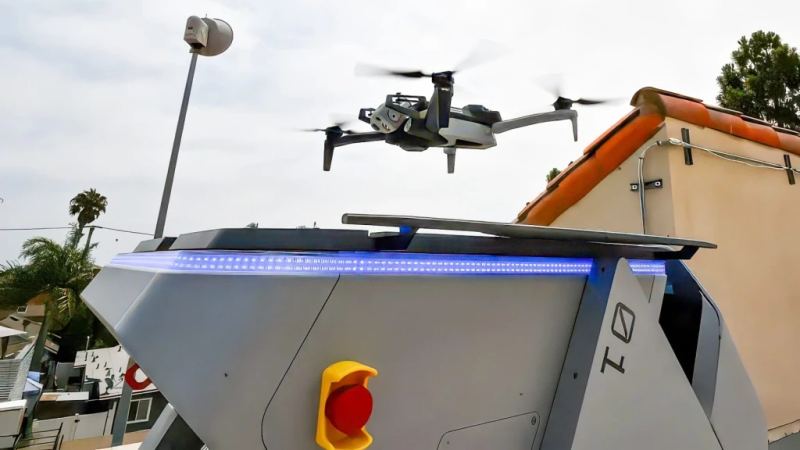
Skydio's multi-drone approval says robotics scale now depends on one operator managing fleets, not one machine at a time
Skydio's March 26, 2026 multi-drone operations push matters because it moves drone autonomy toward fleet economics, where one remote pilot can supervise several aircraft across public-safety and inspection workflows.
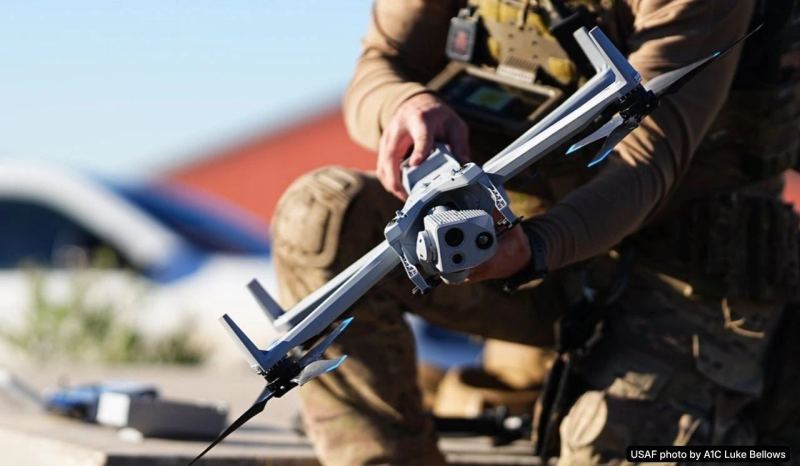
Skydio's expanded Air Force EOD deal says drone autonomy is graduating from tactical demo to standard-issue mission gear
Skydio's May 14 and April 24, 2026 announcements matter because the company's X10D expansion and domestic manufacturing push show autonomous drones becoming scaled operational equipment rather than experimental defense add-ons.
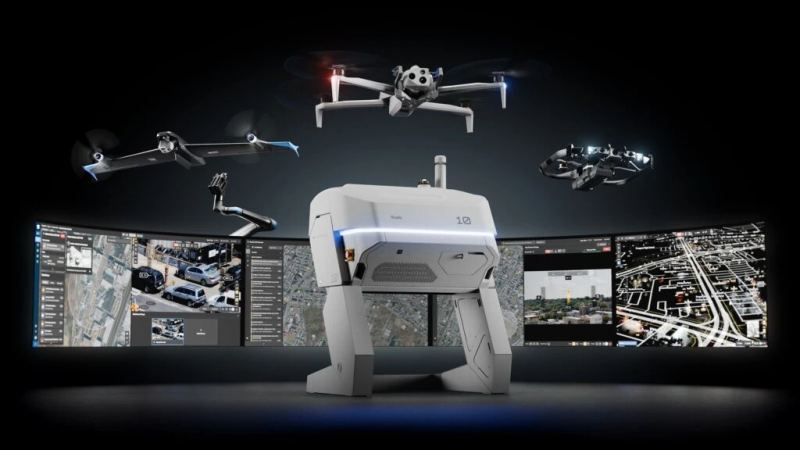
Skydio's multi-drone stack says autonomous airspace coordination is becoming infrastructure, not a one-pilot workflow
Skydio's May 2026 push around multi-drone airspace management matters because the commercial drone market is moving from individual aircraft operation toward coordinated fleets, deconfliction, and software-defined airspace control.
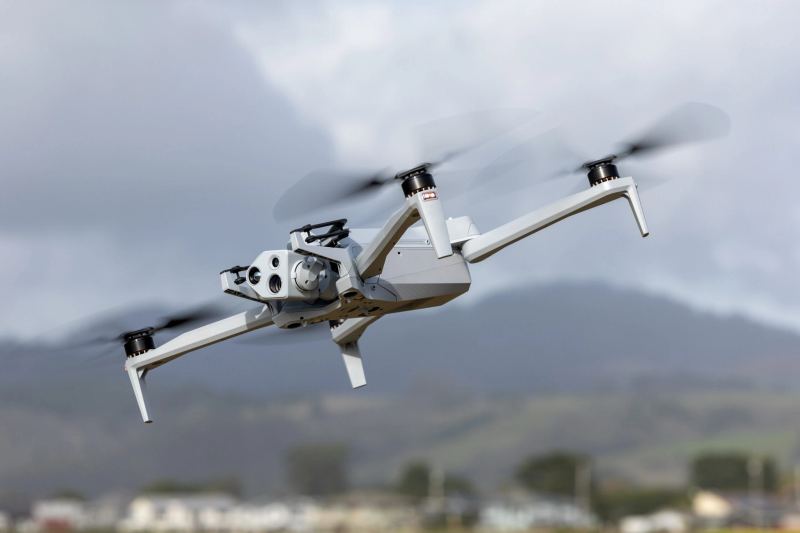
Skydio's X10D expansion shows military drone value is shifting from procurement counts to autonomous mission fit
Skydio's May 14 Air Force contract expansion matters because it shows autonomous drones winning not on generic flight claims but on mission-specific fit for hazardous EOD and ISR work.

Zipline is proving that drone delivery becomes infrastructure only when the aircraft fade into the background
Zipline's 2026 delivery and acoustic updates matter because they show the next robotics bottleneck in drone logistics is community-compatible operations, not simply adding more autonomous flight capability.
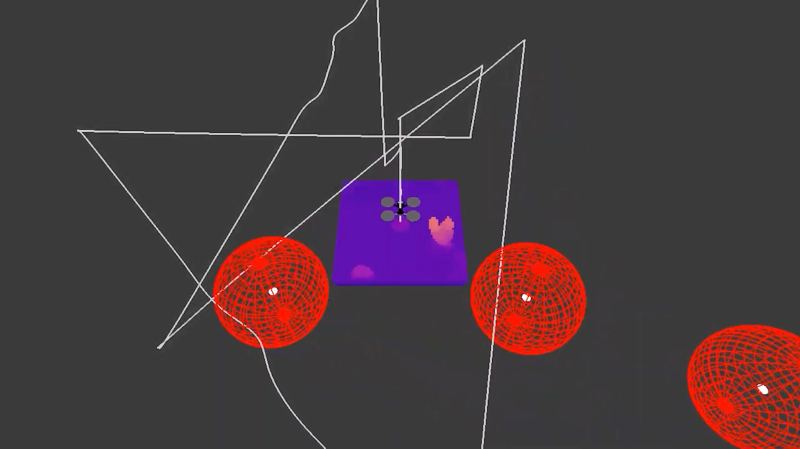
Skydio is moving drone autonomy from one pilot one machine into coordinated airspace software for many drones at once
Skydio's latest engineering update matters because it shows the next robotics bottleneck is not just flight hardware, but software coordination for dense multi-drone operations in real infrastructure environments.
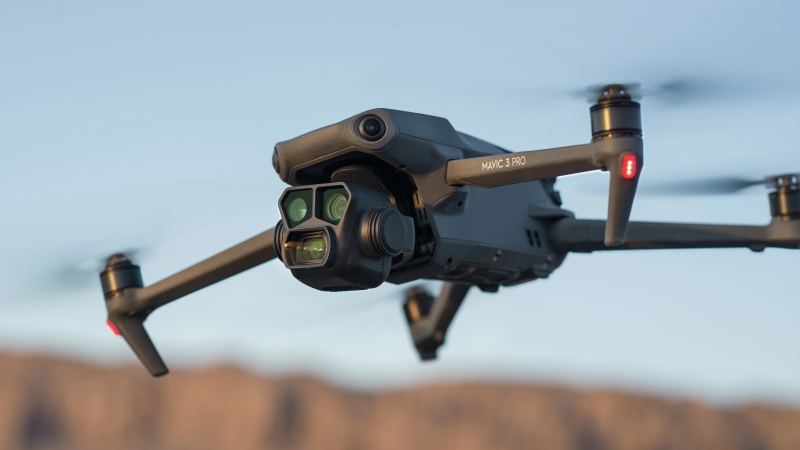
DJI's Mavic 4 Pro shows the drone race is shifting from flight specs to aerial imaging systems
DJI's Mavic 4 Pro matters because it pushes the premium drone category toward a more complete imaging platform with stronger sensors, a new gimbal design, and more capable night-safety systems.
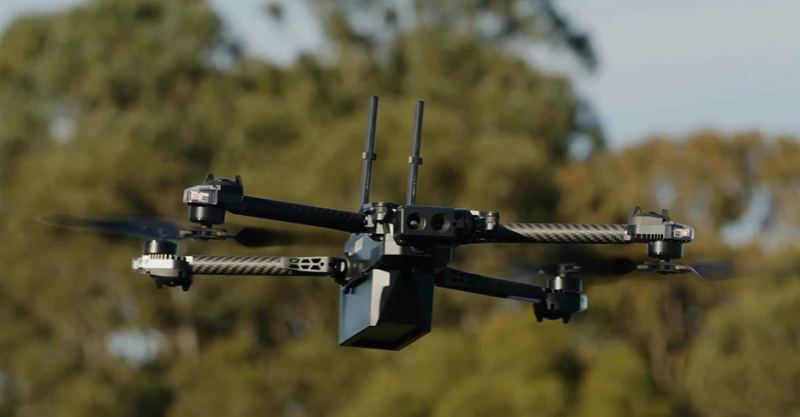
Skydio's $3.5 billion manufacturing push says drone competition is moving from clever autonomy to industrial scale
Skydio's latest manufacturing commitment shows the drone market maturing into a supply-chain and production-capacity contest, especially for national security, utilities, and public-safety buyers.
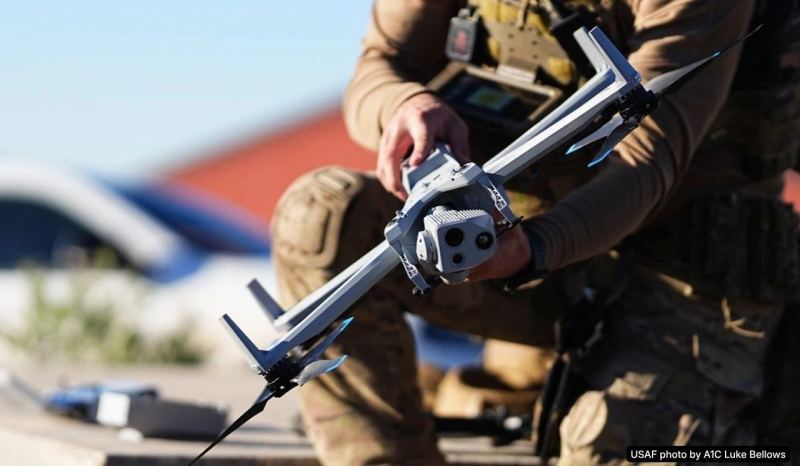
Skydio's latest Air Force award says drone advantage is shifting from procurement wins to mission workflow lock-in
Skydio's May 14, 2026 Air Force X10D EOD expansion shows the U.S. drone market rewarding autonomous systems that fit hazardous mission workflows, not just aircraft specifications or domestic-manufacturing slogans.
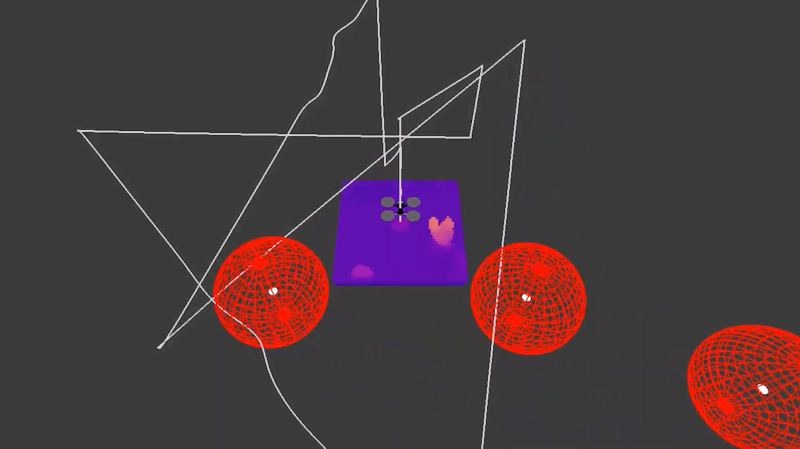
Skydio's multi-drone push says the next drone advantage is coordinated airspace software, not just better aircraft
Skydio's May 2026 engineering and expansion signals suggest the drone market is shifting from single-device autonomy toward coordinated fleet operations, airspace management, and multi-drone software control.
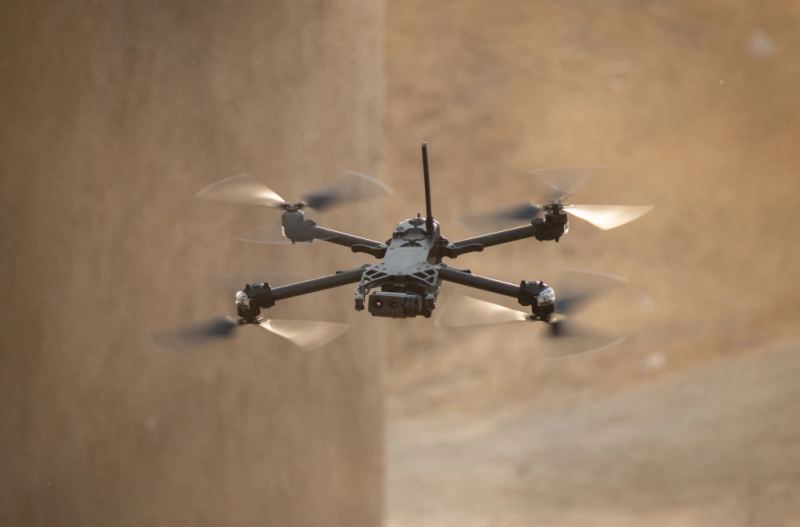
Skydio's manufacturing surge says drone autonomy is becoming national infrastructure, not just a hardware category
Skydio's April 17, 2026 announcement around a $3.5 billion annualized manufacturing run rate highlights how autonomy, domestic production, and defense demand are converging in drones.
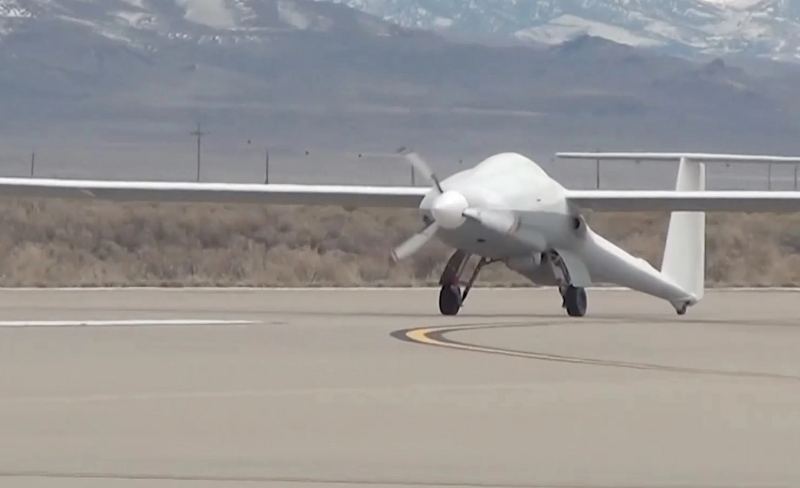
DZYNE's Blitz launch shows the drone-autonomy race is shifting toward cheap modular mass, not exquisite aircraft
DZYNE's May 14, 2026 launch of Blitz captures a defense robotics shift toward attritable, modular, quickly trained unmanned systems that can be deployed in quantity.
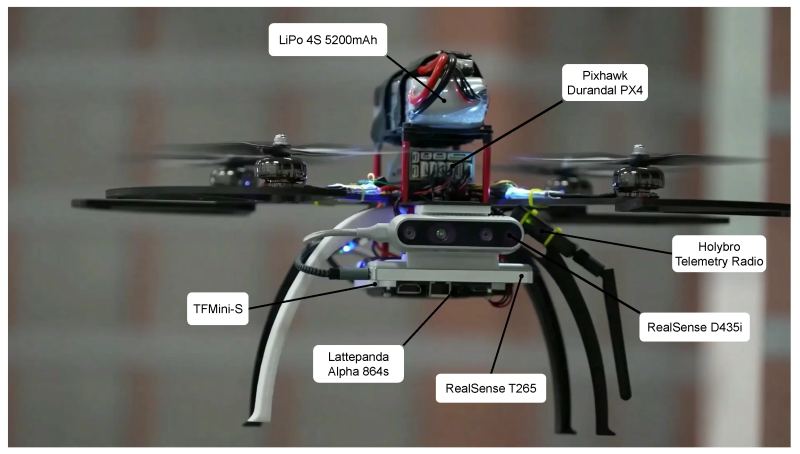
MicroVision and Avular are betting the next drone advantage comes from perception stacks, not just better airframes
MicroVision's new partnership with Avular signals that commercial drone competition is moving toward integrated autonomy stacks where lidar, perception software, and airframes are sold as one deployable system.
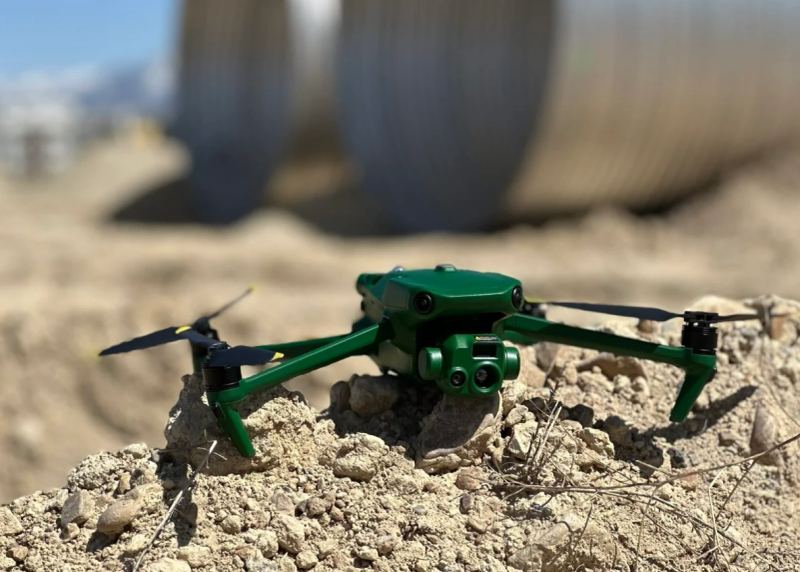
Drones & Robotics moves automation closer to real deployment
Drones & Robotics moves automation closer to real deployment is the strongest Drones & Robotics signal from the current research batch, backed by verified sources and framed around what changes next.
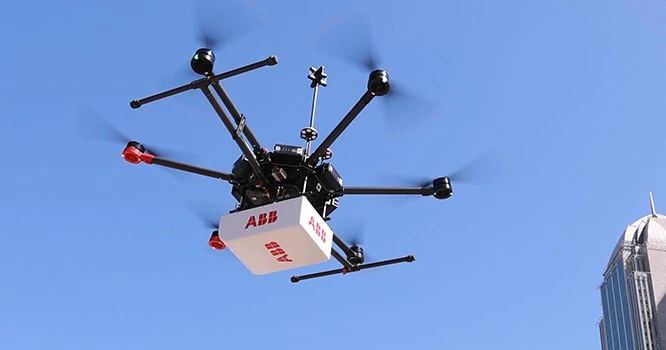
Mobilicom's SkyHopper Tactical launch shows drone autonomy now depends on trusted communications as much as airframes
Mobilicom's SkyHopper Tactical wearable SDR is a small but telling drone-market signal: as unmanned systems move into contested environments, the bottleneck is increasingly secure communications, electronic resilience, and trusted autonomy infrastructure.
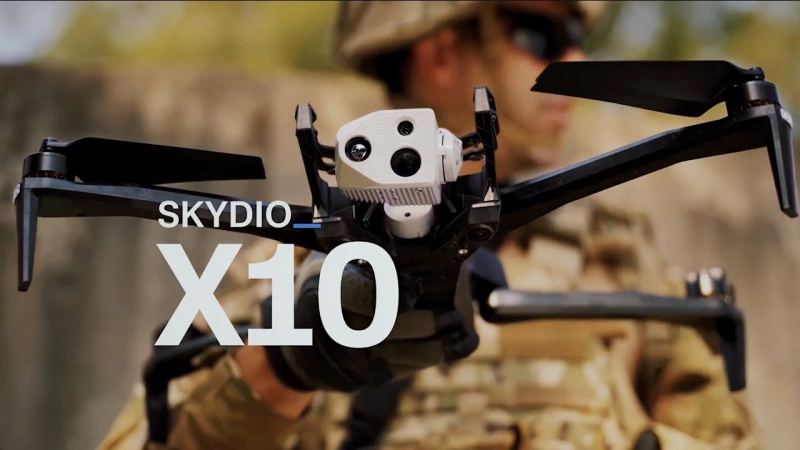
Skydio's manufacturing push says the drone market is becoming an industrial-capacity race
Skydio's $3.5 billion domestic expansion plan and fresh Series F funding show that autonomous drone competition is shifting from clever demos toward scale, supply chains, and national industrial positioning.

MicroVision and Avular tie lidar to drone autonomy for infrastructure missions
A new MicroVision-Avular memorandum of understanding targets lidar-equipped autonomous drone systems for mapping, navigation and infrastructure work in GPS-denied and complex environments.
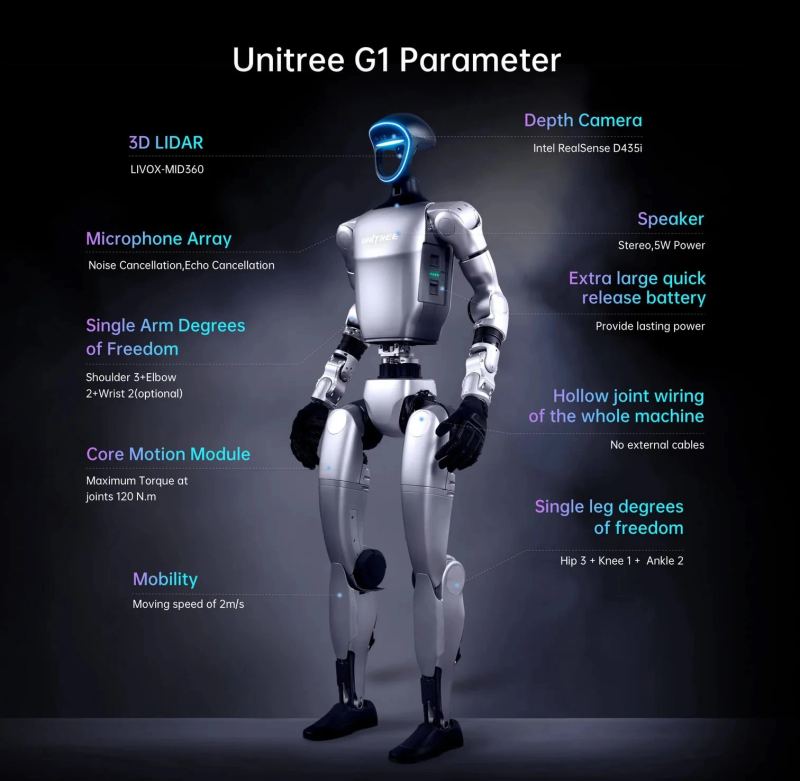
Drones & Robotics Briefing: Humanoid Scaling, Defense Automation, and Agri-Tech Deployment
This morning’s drone and robotics landscape spans accelerated humanoid manufacturing, next-generation defense systems, and agricultural automation, signaling rapid commercial and military adoption.

Red Cat's quarter says drone-defense winners will be the companies that turn battlefield demand into manufacturing breadth
Red Cat reported first-quarter 2026 results on May 7 showing 849% revenue growth alongside new NATO and Asia-Pacific orders, a swarm-robotics acquisition, and expanded maritime manufacturing plans. The deeper takeaway is that the drone market is consolidating around companies that can combine combat iteration, autonomous control software, and production scale.
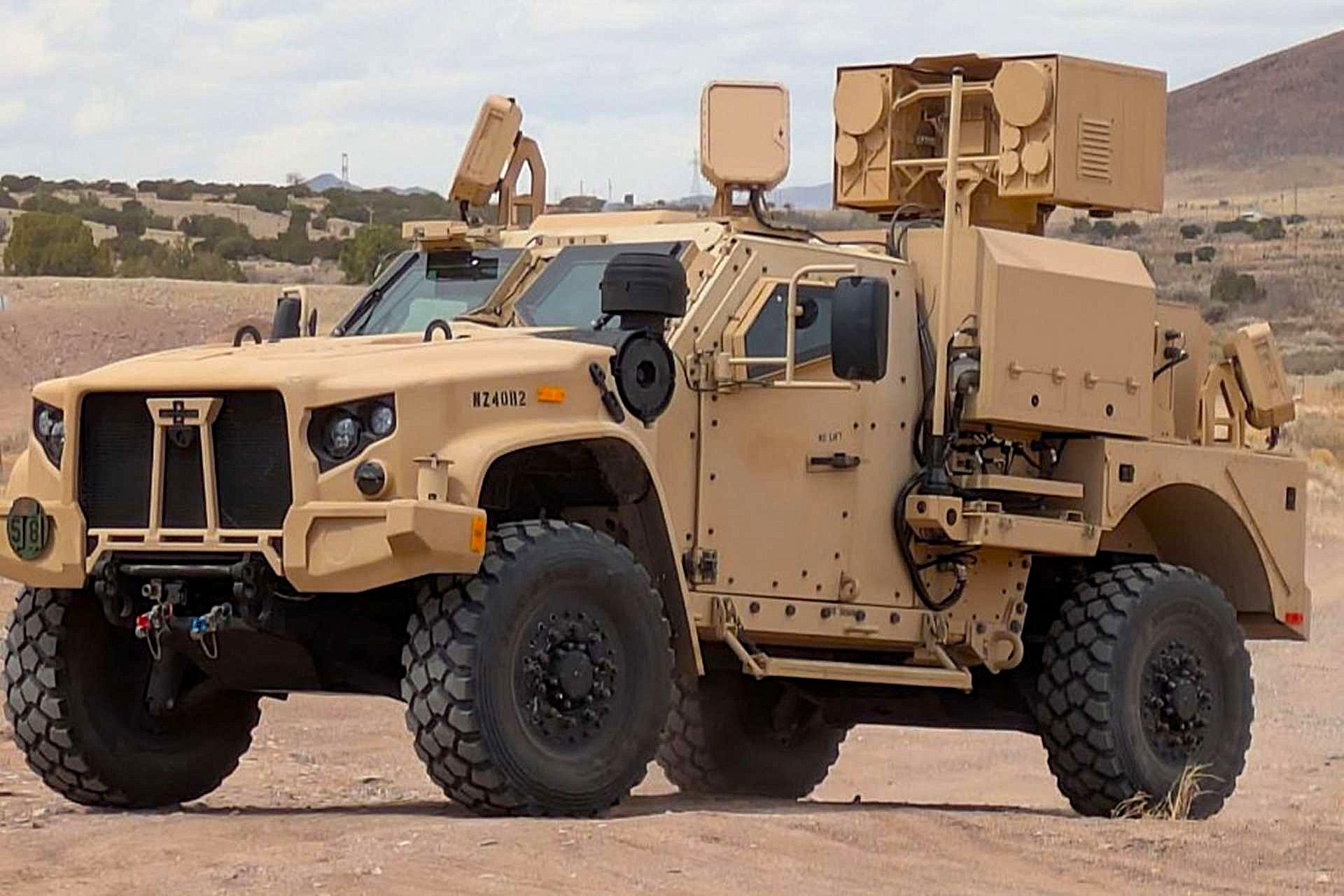
AeroVironment’s White Sands laser test shows U.S. counter-drone defense is moving toward domestic deployment
AeroVironment said on May 6, 2026 that its LOCUST laser system completed a landmark counter-drone test at White Sands in coordination with Joint Interagency Task Force 401 and the FAA. The result matters because directed-energy counter-UAS systems are moving from concept demonstrations toward domestic operational pilots tied to infrastructure protection and homeland airspace security.
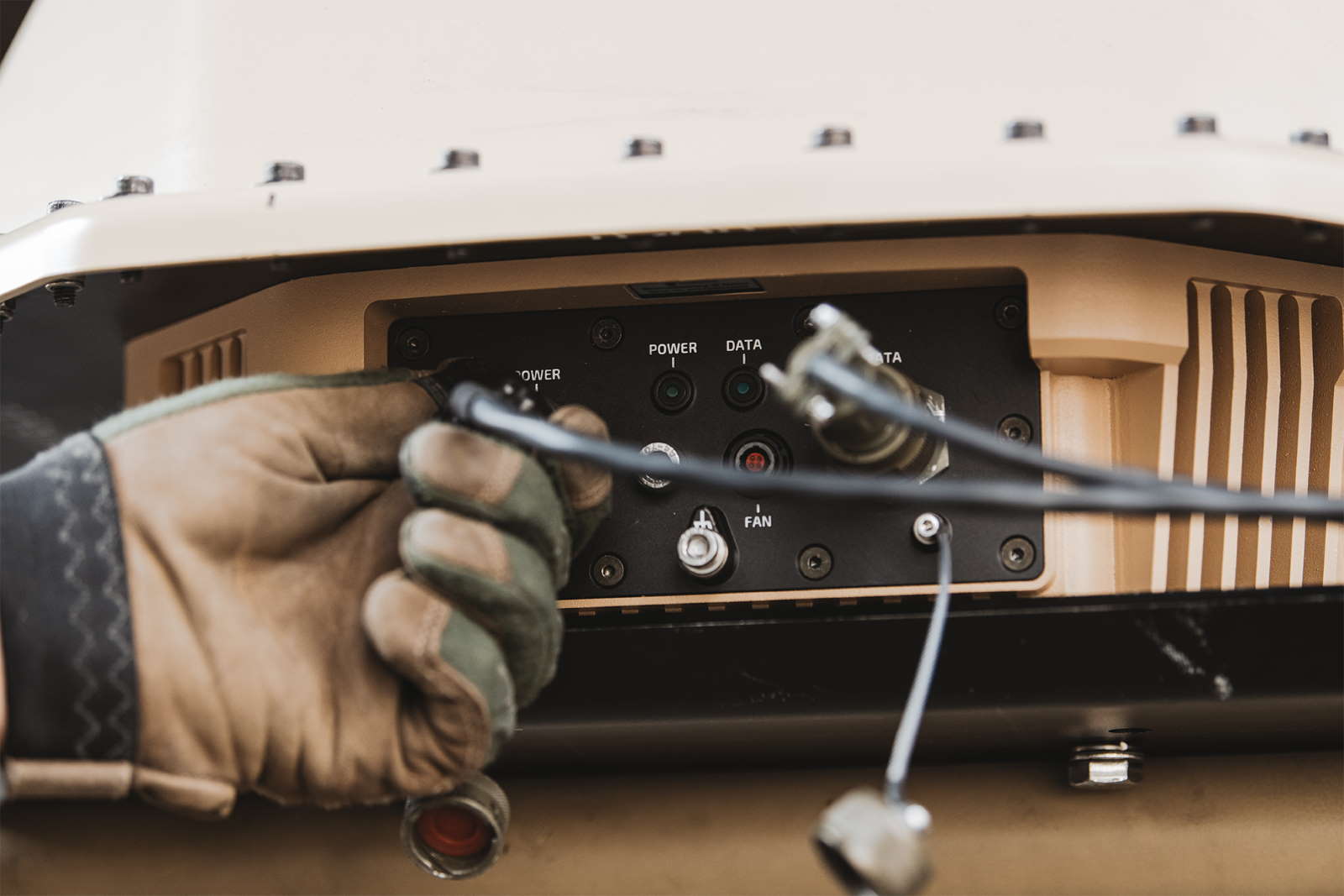
Sapient's ECHO sensor says drone autonomy is shifting from flight time to perception quality
Sapient Perception's May 6, 2026 launch of the ECHO 10K UAV sensor matters because it attacks a core autonomy bottleneck: seeing enough of the environment clearly enough to act in time. The company is arguing that the next leap in drone usefulness comes from wide-area, edge-processed perception, not just better airframes or longer endurance.

Zipline's Houston launch says drone delivery is finally being sold as normal urban convenience
Zipline's April 29 early-access rollout in Houston matters because it reframes drone delivery from pilot-program novelty into everyday urban logistics. Combined with Zipline's recent claims of more than 2 million deliveries and ongoing work on quieter aircraft, the company is making a case that the next phase of robotics adoption will come not from spectacle but from making autonomy disappear into normal consumer behavior.

AEVEX's IPO shows defense-drone scale is becoming a public-markets story
AEVEX Aerospace's IPO filing matters because it reframes military drone and autonomy suppliers as investable operating platforms rather than niche defense subcontractors. As demand for ISR, attritable systems, and autonomous mission tooling rises, the drone market is starting to look large and durable enough for public-capital scrutiny.