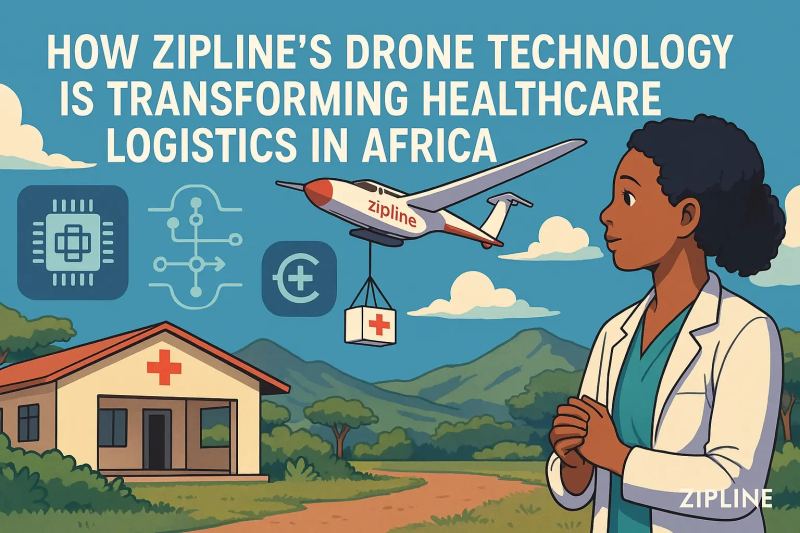
Zipline's new Africa research says drone logistics become real infrastructure when outcomes show up in farms, clinics, and household income
Zipline's latest Africa research argues that autonomous delivery is now measurable public infrastructure, with evidence spanning healthcare, agriculture, and local economic activity.
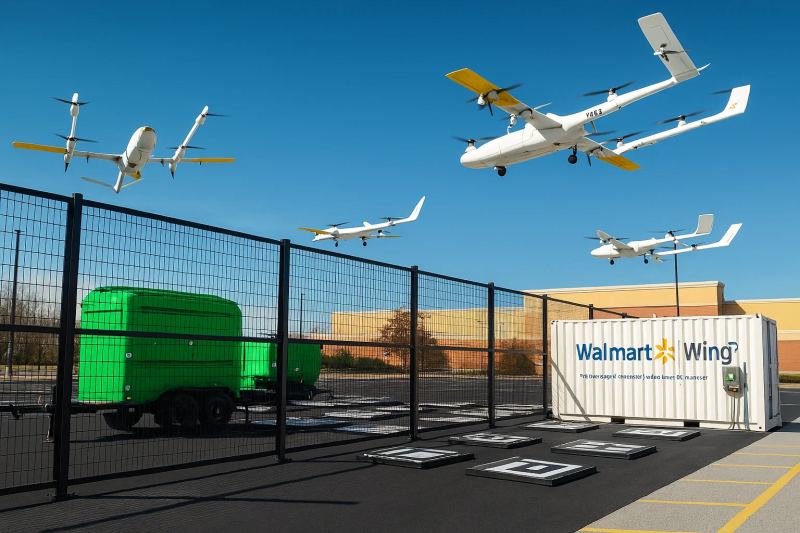
Wing and Walmart's new markets say drone delivery is becoming retail network infrastructure
Wing and Walmart's June expansion into seven additional metro areas shows drone delivery shifting from novelty pilots toward a distributed retail logistics layer.
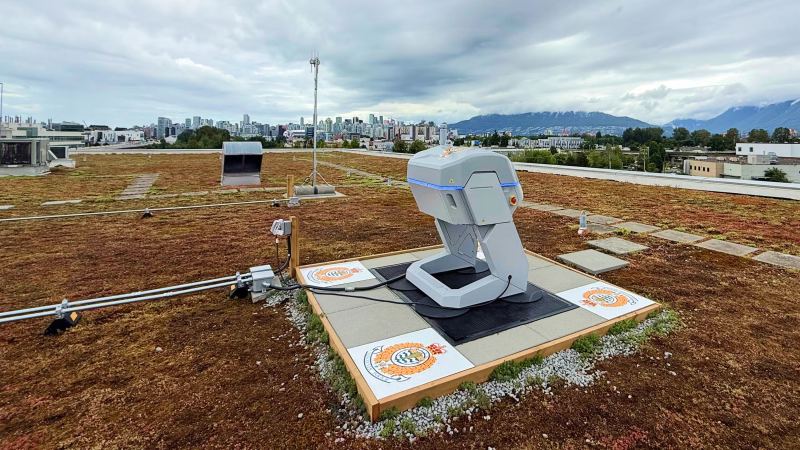
Skydio's Vancouver launch says drone response is becoming network software, not just aircraft procurement
Skydio's latest public safety updates show drone adoption maturing from one-off hardware purchases into integrated city response networks built around docks, dispatch software, and policy trust.
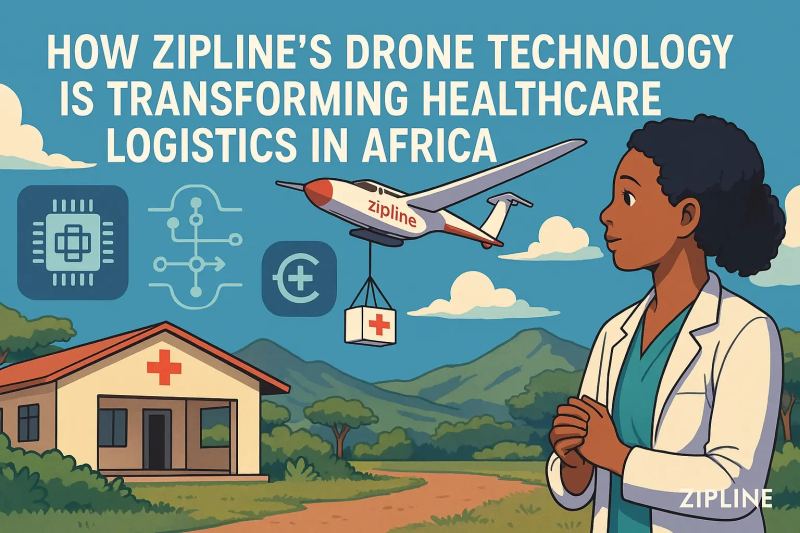
Zipline's new Africa research says drone logistics become real infrastructure only when they lift health and household income together
Zipline's June 10 research update argues that autonomous delivery matters less as an aviation novelty and more as infrastructure that can improve nutrition, farm returns, and local income in parallel.
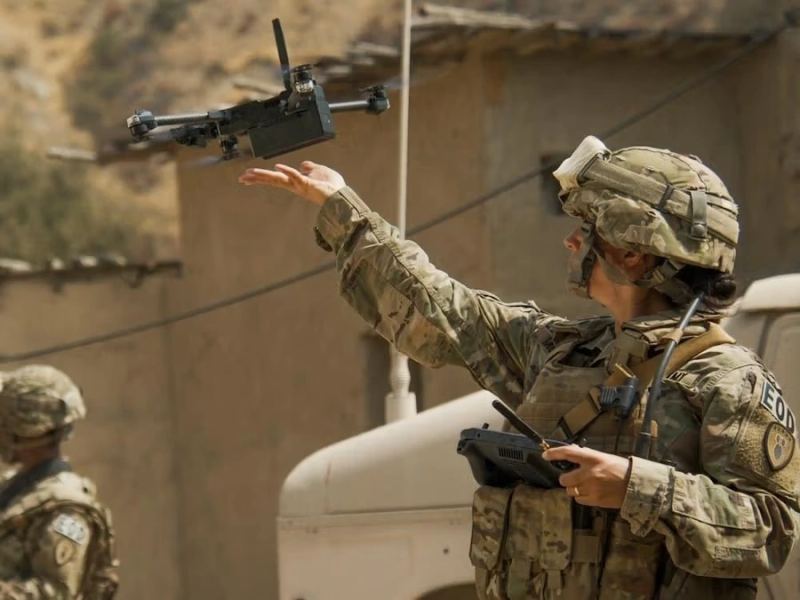
Skydio's $3.5 billion expansion says drone competition is becoming an industrial capacity race, not just a robotics race
Skydio's April 24 commitment to invest $3.5 billion in U.S. manufacturing shows that autonomy alone is no longer enough in drones; the next moat is domestic supply, production scale, and infrastructure credibility.
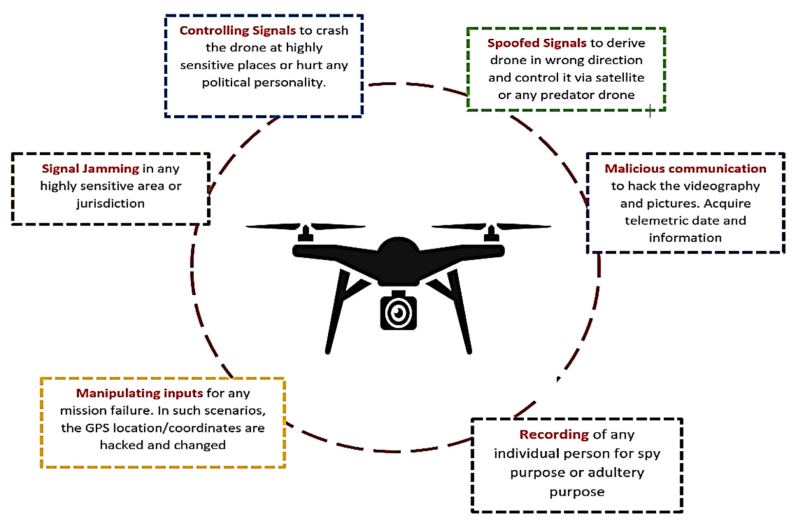
Vancouver's new Skydio deployment says drone operations scale when autonomy, cloud sovereignty, and public-safety workflow fit together
The Vancouver Police Department's June 2026 dock-based Drone as First Responder launch shows that the real commercial and civic challenge in drones is not flight alone but how autonomy, approvals, cloud control, and response workflows integrate into one operational system.
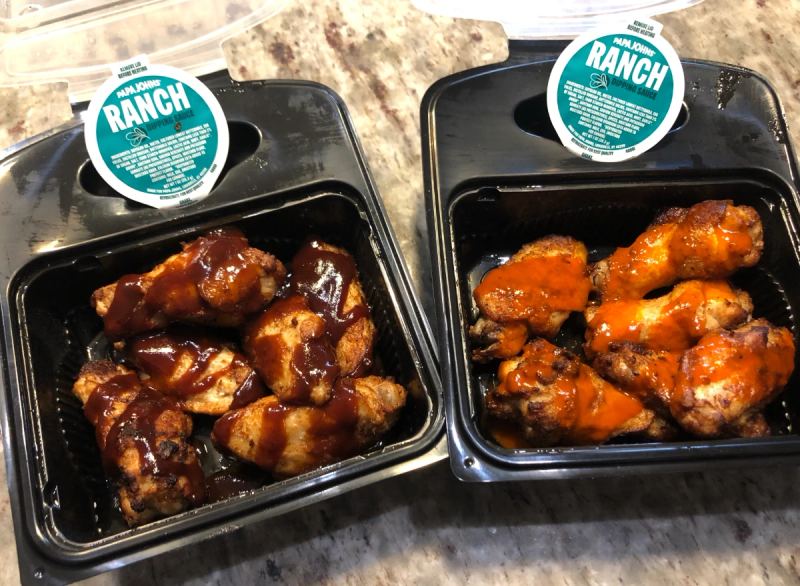
Wing's Papa Johns partnership says autonomous delivery becomes real only when drones, packaging, and agentic ordering all work as one system
Wing's May 11, 2026 Papa Johns pilot and its broader 2026 expansion updates show that drone delivery is maturing from a flashy aviation demo into an operational stack that combines routing, packaging, app integration, and AI-assisted ordering.
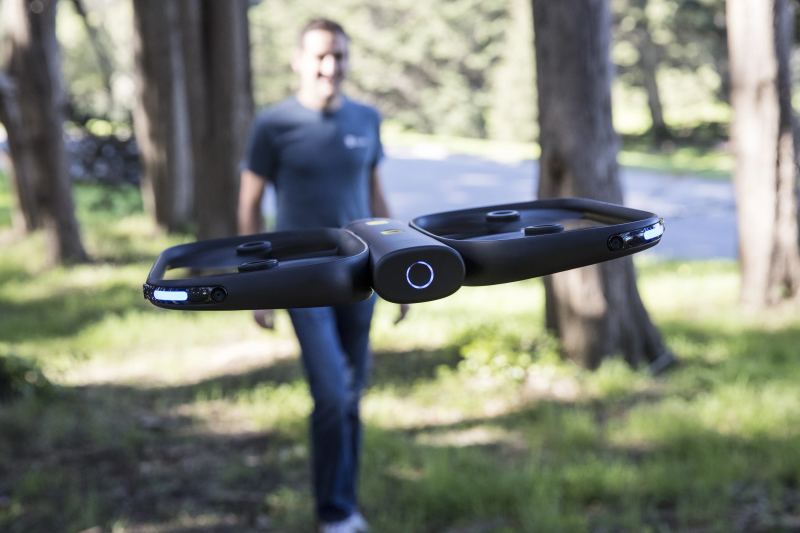
Skydio's Vancouver deployment says drone autonomy is moving from pilot-first hardware into city-scale response infrastructure with data-sovereignty rules built in
Skydio's June 10, 2026 Vancouver Police Department launch shows the drone market maturing around docked autonomy, remote operations, and compliance-grade cloud deployment rather than one-off aircraft specs.
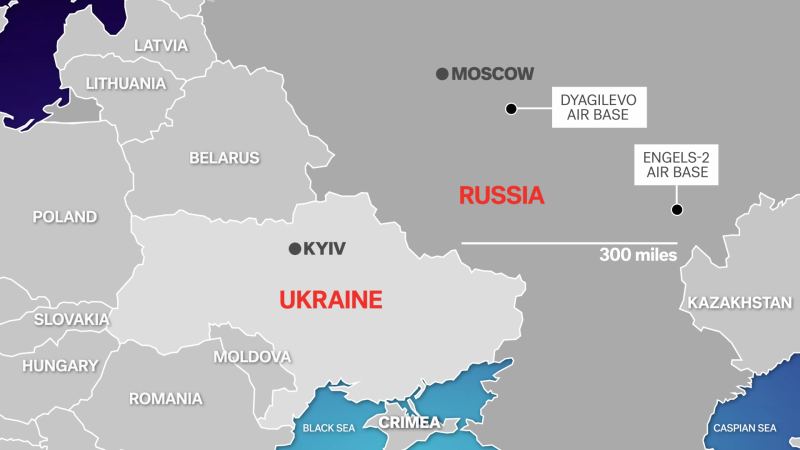
Skydio's latest expansion story says drone leadership is turning into a manufacturing-and-infrastructure race, not just an autonomy race
Skydio's April manufacturing commitment and its June Vancouver deployment show flying robots maturing into critical infrastructure that depends as much on domestic supply, docks, and remote operations as on autonomy alone.
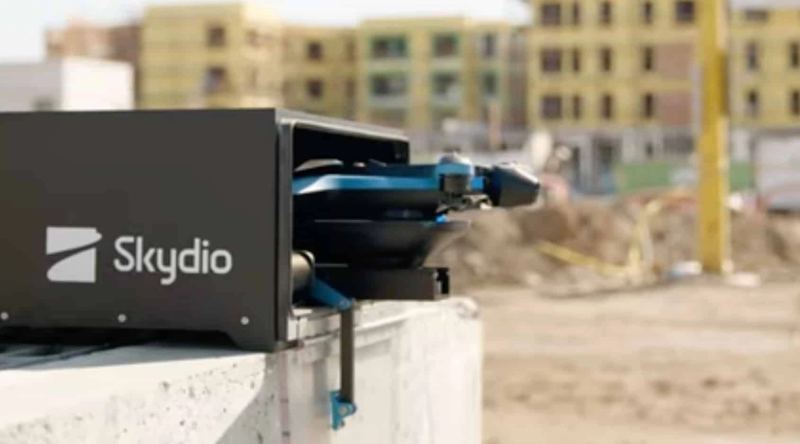
Skydio's Vancouver deployment says docked autonomy is turning drones into municipal response infrastructure
Vancouver Police and Skydio are treating drone response less like a pilot program and more like an operating layer for public safety, with docks, remote command software, and Canadian data-sovereignty constraints built in.
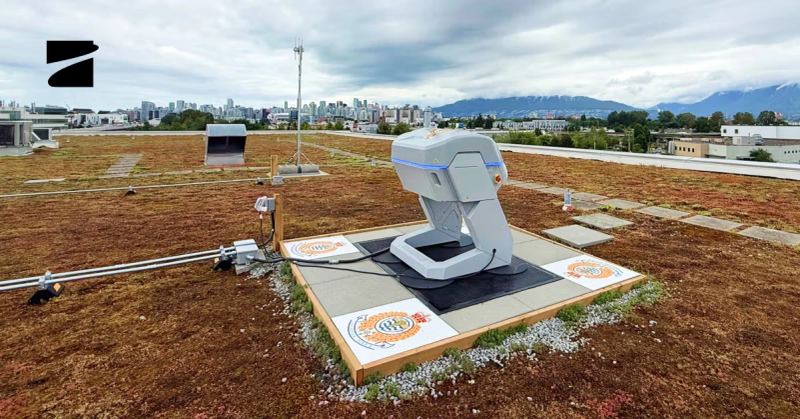
Vancouver's new Skydio program says drone response is becoming civic infrastructure, not a pilot project
The Vancouver Police Department's June 10, 2026 drone-as-first-responder launch, backed by Skydio and grounded in broader VPD drone policy, shows dock-based autonomy moving into operational public-safety infrastructure.

Skydio's Vancouver deployment shows drone autonomy is becoming public-safety infrastructure, not pilot theater
Vancouver Police becoming the first agency in Canada to deploy dock-based Skydio X10 drones inside the Axon ecosystem is a sign that drone autonomy is being normalized as operational response infrastructure rather than a sidecar experiment.
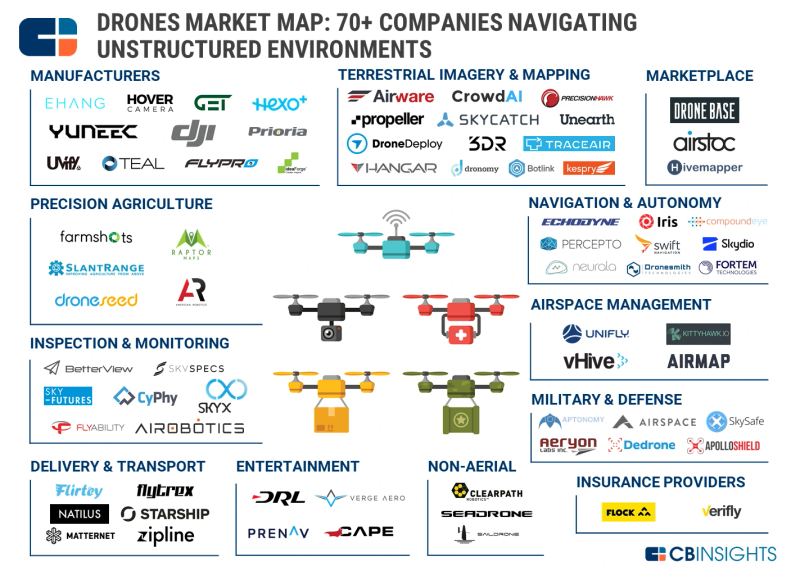
Skydio's manufacturing expansion and multi-drone control work say the drone market is maturing from hardware procurement toward always-on autonomous infrastructure
Skydio is pairing large-scale US manufacturing investment with cloud-coordinated multi-drone autonomy, a sign that commercial drone competition is moving toward infrastructure density and operational software.

Zipline's Houston launch says drone logistics will scale by becoming ordinary household infrastructure, not futuristic spectacle
Zipline's April 29, 2026 Houston early-access launch matters because it shows drone delivery companies are competing on everyday reliability, neighborhood fit, and operational scale rather than on one-off demo flights.
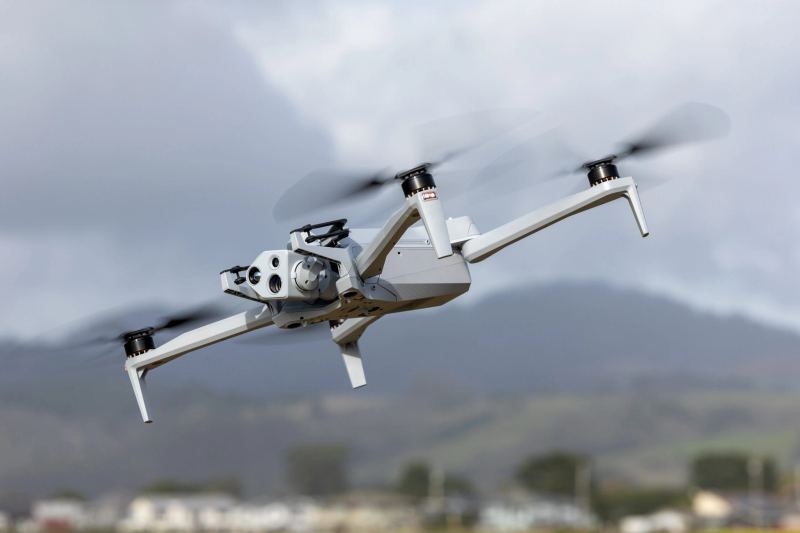
Skydio's expanded X10D EOD order says defense drones are winning through deployable autonomy, not just airframe novelty
Skydio's May 14, 2026 U.S. Air Force contract expansion matters because it shows military drone demand rewarding systems that can be quickly fielded across repeated mission sets with useful autonomy and standards-friendly intelligence output.
Safe Pro's Army kit order says drone robotics value is moving from flight alone to onboard battlefield interpretation
Safe Pro's June 2, 2026 U.S. Army order matters because it packages AI edge processing, Red Cat drones, and operational support into one field-ready robotics product rather than a standalone aircraft sale.
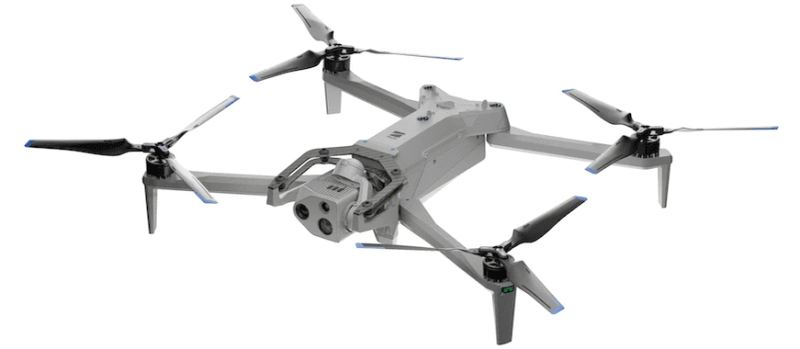
Skydio's X10D Air Force expansion says military drone adoption is shifting from trials into repeat procurement
Skydio's follow-on X10D award for Air Force EOD units shows drone autonomy becoming a recurring operational purchase instead of a one-off evaluation.
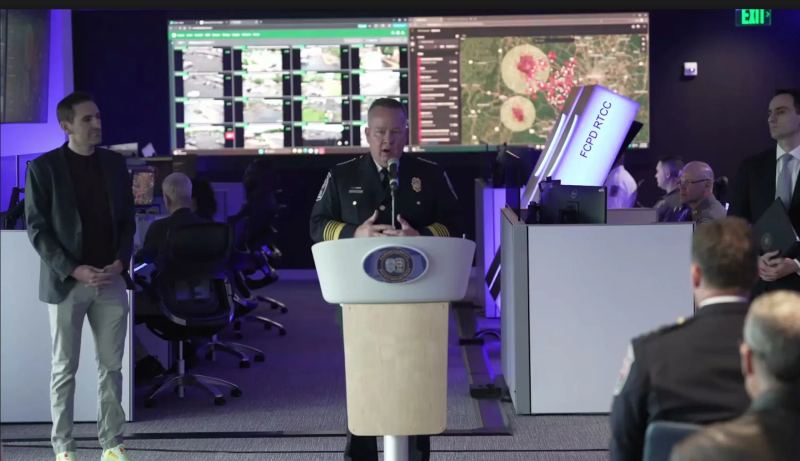
Skydio's $3.5 billion manufacturing push says drone leadership is becoming a sovereignty and supply-chain battle
Skydio's April and May 2026 expansion story matters because drone competition is now being fought through domestic manufacturing, supply assurance, and national-security positioning, not just airframe features.
Perennial's $500 million contract says drone defense is becoming a procurement category, not a lab experiment
Joint Interagency Task Force 401 and Perennial Autonomy disclosed a $500 million counter-UAS contract in May 2026, which matters because it suggests cheap autonomous interceptors are moving from urgent battlefield improvisation into repeatable U.S. defense procurement logic.
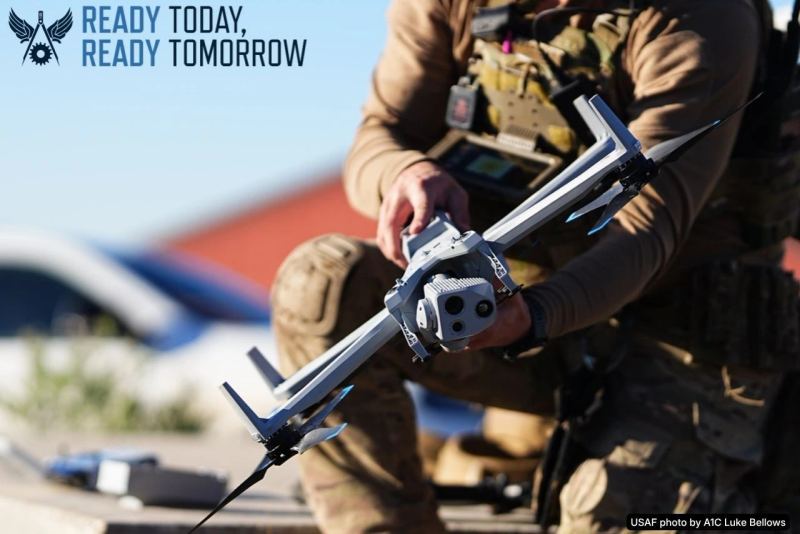
Skydio's expanded Air Force X10D order shows defense drone demand is moving from trial to program
Skydio's May 14, 2026 follow-on Air Force order matters because it suggests the U.S. military is treating compact autonomous drones less as experiments and more as repeatable field programs tied to EOD, ISR, and base-security workflows.
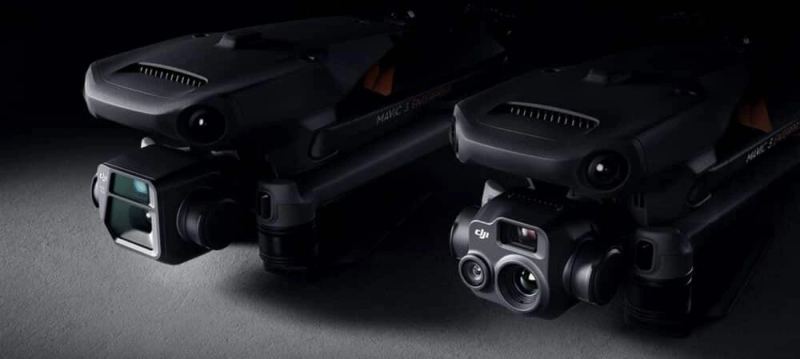
DJI's OnDefend audit says drone competition is shifting from flight specs to trust architecture
DJI's May 28, 2026 OnDefend security assessment matters because it shifts the drone market debate from simple hardware capability toward verifiable trust, data controls, and policy-grade technical evidence.
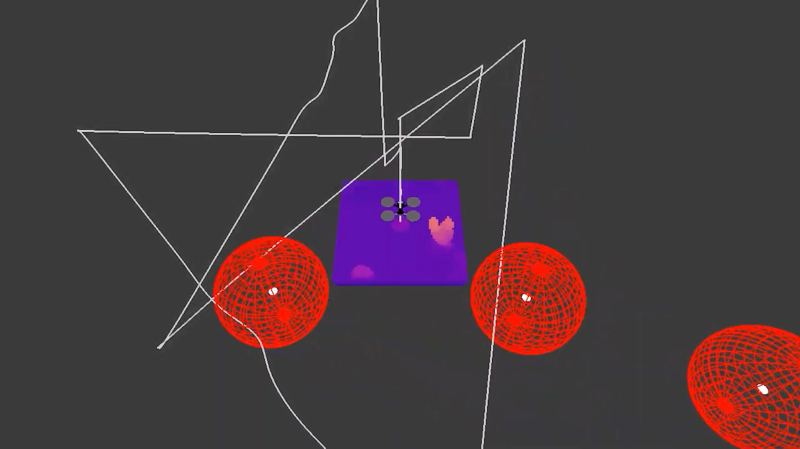
Skydio's multi-drone control stack says autonomous airspace advantage will come from coordination software, not more pilots
Skydio's May 11, 2026 engineering update matters because it shows the drone industry's next scaling problem is not simply airframe quality; it is how one operator, cloud control plane, and autonomy stack can safely coordinate many drones in the same operational environment.
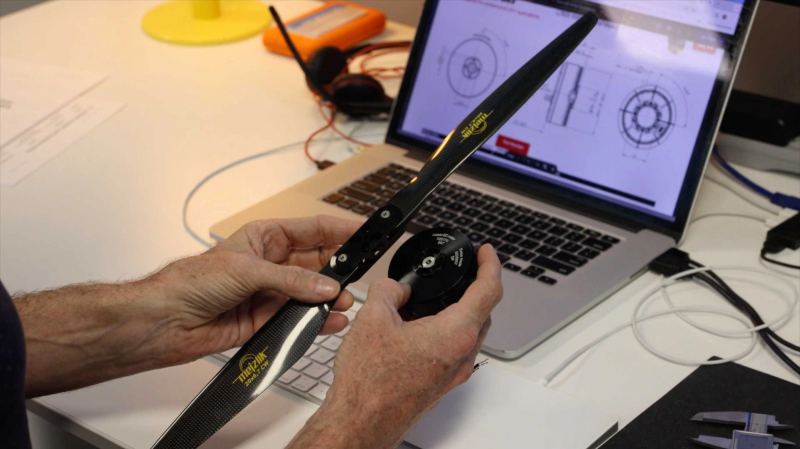
Skydio's Air Force expansion says military drone advantage is shifting toward secure domestic autonomy stacks, not cheaper airframes
Skydio's May 14, 2026 follow-on Air Force award matters because it shows the drone market's higher-value segment is moving toward secure domestic supply chains, regulatory-operational maturity, and integrated autonomy rather than commodity hardware economics alone.

Wing and Papa Johns say drone delivery is maturing into a restaurant logistics stack, not a stunt
Wing's May 11, 2026 partnership with Papa Johns matters because it pushes drone delivery deeper into mainstream restaurant operations and suggests the category is being judged less on novelty and more on integration, unit economics, and app-level fulfillment design.