Decentralized finance, blockchain, and crypto markets
SIX and Chainlink's April 16, 2026 integration pushes Swiss and Spanish equity data into blockchain environments, shifting tokenized-finance competition toward market-data trust and distribution.
Western Union's May 4, 2026 USDPT launch on Solana turns the stablecoin story into a live test of whether regulated digital dollars can improve global remittance settlement.
Circle's May 11, 2026 Agent Stack rollout packages wallets, nanopayments, service discovery, and machine-speed settlement into an explicit stablecoin infrastructure play for autonomous software.
DeFi & Crypto becomes a market-structure test is the strongest DeFi & Crypto signal from the current research batch, backed by verified sources and framed around what changes next.
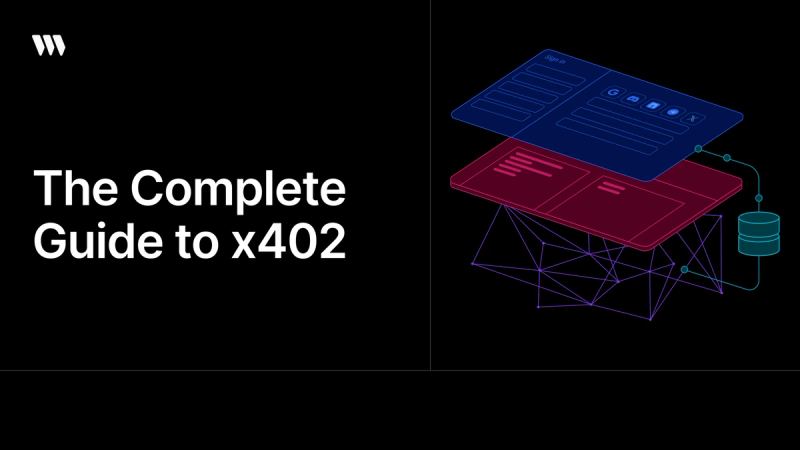
Cryptorefills enabling x402 checkout for AI agents is a practical DeFi signal: stablecoins are moving from trading liquidity into machine-readable commerce where agents can discover a price, settle in USDC, and complete a purchase without a card flow.
Coinbase says Q1 2026 pushed its crypto trading market share to an all-time high while Base and USDC became larger parts of the exchange's thesis for payments, prediction markets, and agentic commerce.
Circle's first-quarter results paired surging USDC usage with an ARC token presale and a new agent stack, making a clearer case that stablecoin infrastructure is expanding beyond trading into programmable payments and machine commerce.
Circle's gas-free USDC nanopayments are live on mainnet, turning machine-scale transactions from a crypto demo into something builders can actually wire into agents, APIs, and usage-based software.
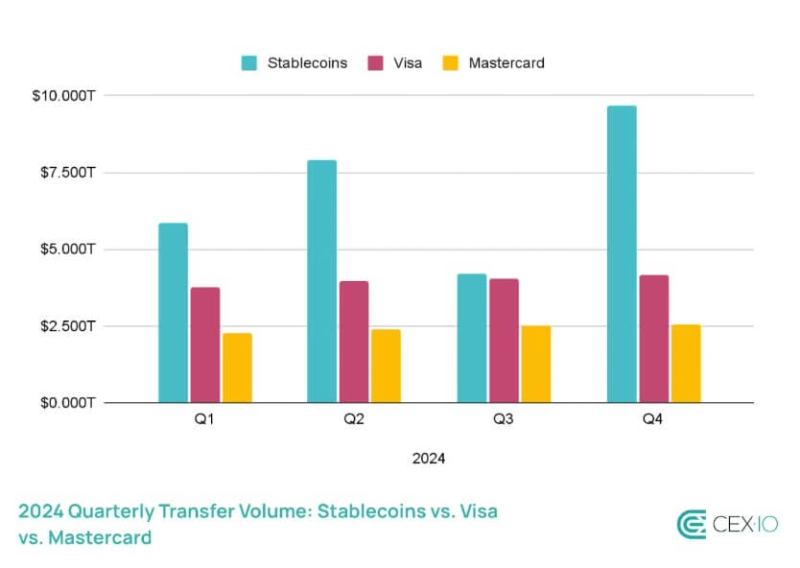
Visa's expansion of its stablecoin settlement pilot to nine blockchains matters less as a crypto headline than as an infrastructure signal. The company is trying to make stablecoins useful where card networks and treasury teams care most: reliable settlement, partner optionality, and the ability to operate across multiple chains without betting the business on one of them.
Kraken's May 5, 2026 deal with MoneyGram turns a persistent crypto weak point into a real distribution story: if digital assets can move into local cash across more than 100 countries, the industry gets closer to building usable financial plumbing instead of exchange-centric speculation alone.
As Coinbase trims 14% of its workforce and doubles down on AI, major exchanges compete for citation dominance while South Korea deploys regulatory trackers and Digital Asset Holdings secures a $2B valuation.
Bullish said on May 5, 2026 that it agreed to acquire Equiniti in a $4.2 billion transaction. The strategic importance is not simply consolidation inside crypto. It is a move to combine tokenization rails with the regulated transfer-agent function that sits at the heart of how ownership records, shareholder communications, and listed-company servicing actually work.
Coinbase said on May 7, 2026 that it reached an all-time high in crypto trading volume market share while Base processed 62% of global onchain stablecoin transaction volume and more than 90% of onchain agentic stablecoin volume. The real signal is that exchange economics are increasingly being rebuilt around stablecoin distribution, payments infrastructure, and machine-to-machine commerce.
Corpay said on May 5, 2026 that it added blockchain-based settlement to its cross-border payments platform through JP Morgan's Kinexys private blockchain and BVNK's stablecoin interoperability rails. The significance is bigger than one partner stack: stablecoins and tokenized fiat are starting to slot into existing corporate payment workflows as another settlement rail rather than a separate crypto experiment.
Mesh said on May 7, 2026 that it has integrated the Stellar network as a core settlement layer for its payments ecosystem. The announcement is significant because it frames stablecoin infrastructure less as speculative crypto plumbing and more as production-grade settlement for enterprises that care about uptime, fiat connectivity, and compliance.
BTQ's May 6, 2026 role in South Korea's first bank-led won stablecoin proof-of-concept matters because it moves post-quantum cryptography from theory into regulated digital money infrastructure. The bigger implication is that stablecoin design is starting to absorb longer-horizon security assumptions before mass retail adoption forces emergency retrofits later.
Coinbase's May 6 launch of gold and silver perpetual futures for eligible non-U.S. traders matters because it stretches crypto-market infrastructure beyond digital assets and into around-the-clock macro exposure. The bigger bet is that a strong derivatives venue can use crypto plumbing to absorb commodities, not just coins.
Visa's April 29 expansion of its stablecoin settlement pilot to nine blockchains is a stronger market signal than another crypto infrastructure launch. When a global card network says its annualized stablecoin settlement run rate has reached $7 billion and broadens support across Base, Polygon, Canton, Arc, and Tempo, the DeFi question changes from whether tokenized dollars work to where institutional settlement will actually standardize.
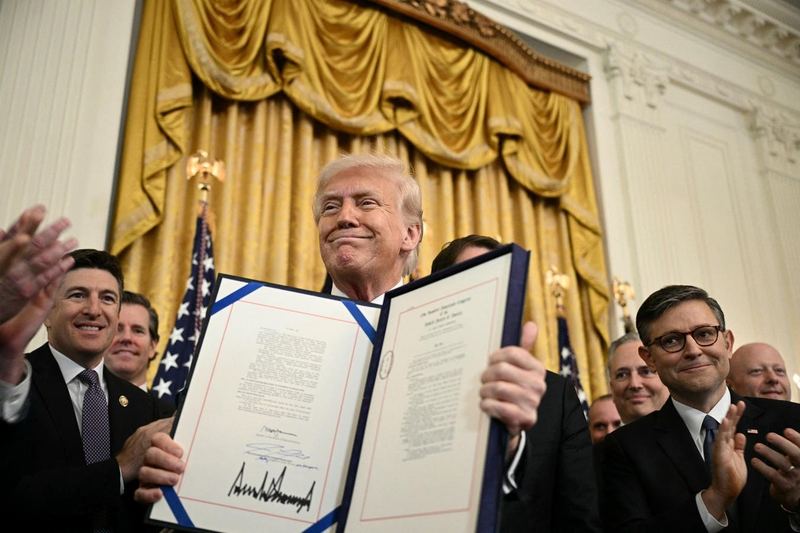
The latest CLARITY Act breakthrough matters because it narrows the fight that has kept U.S. crypto legislation stuck between banks and digital-asset firms. If lawmakers can separate activity-based stablecoin incentives from bank-like deposit rewards, Washington may finally have a path to pass the first serious federal market-structure framework for crypto.
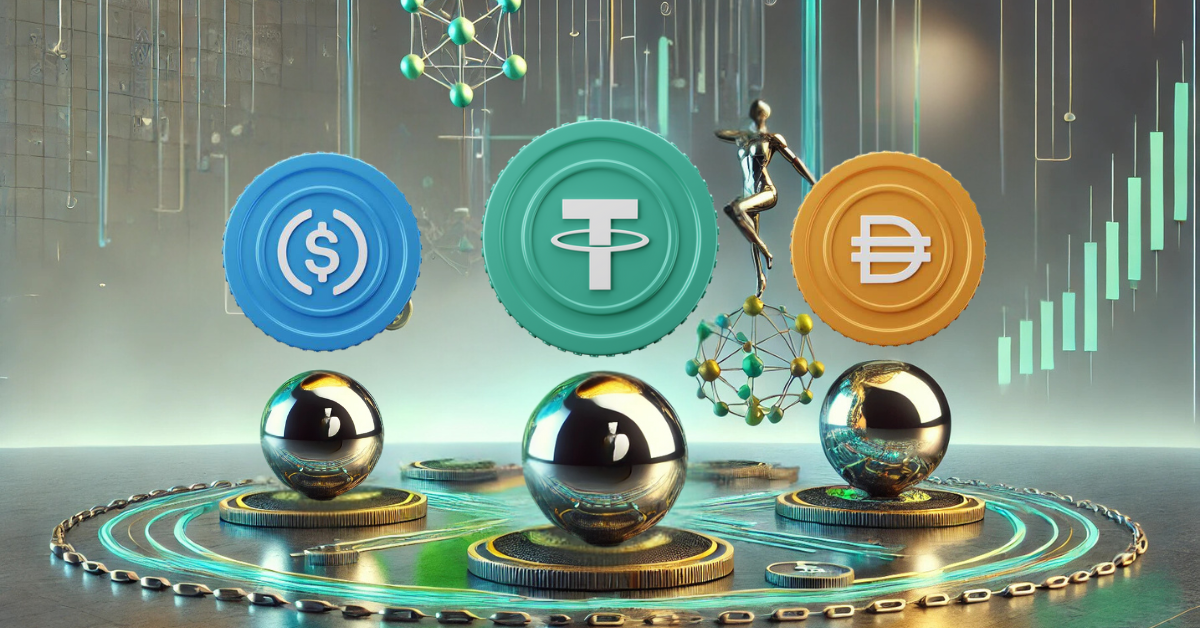
Tether's May 1, 2026 reserve report matters because it makes the stablecoin market look less like a speculative sidecar and more like a fast-growing treasury-and-liquidity layer. With a reported $1.04 billion quarter, a larger reserve buffer, and heavy Treasury exposure, Tether is acting increasingly like a private monetary utility wrapped in crypto rails.
Circle's new work with Kyriba is one of the clearest recent attempts to reposition stablecoins as ordinary treasury infrastructure rather than a crypto-native side tool. If the pairing works, USDC starts looking less like exchange plumbing and more like programmable working capital inside enterprise finance stacks.
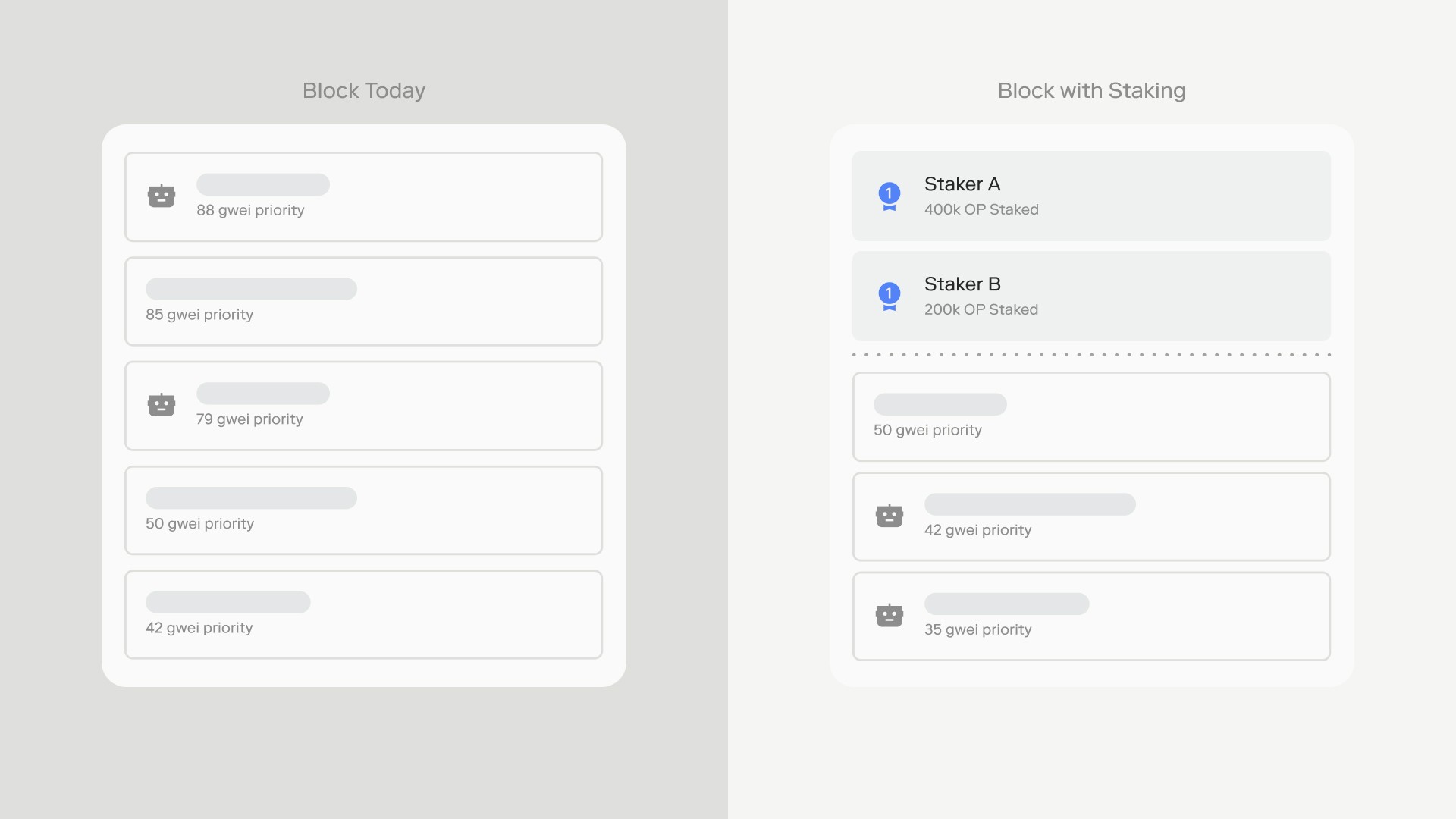
Optimism's April transaction-ordering experiment is not just a protocol tweak. It is a live test of whether a major layer-2 can reduce pure gas wars and give market participants a new way to buy execution quality using stake, time, and bounded economic incentives.
Circle's April 29 mainnet launch for Gateway-powered nanopayments and its April 28 Pharos expansion show where crypto infrastructure may actually find product-market fit in 2026: sub-cent machine payments, crosschain settlement, and programmable dollar liquidity for software agents.
Ethereum Foundation updates from April and February show a quieter but more important crypto story than short-term token noise: the chain's next phase is about making DeFi more usable, more scalable, and less fragile at the protocol and ecosystem level.