AMD’s MI400 and Helios push AI hardware toward a full-stack race
AMD’s July AI announcements combine Instinct MI400 GPUs, the Helios rack-scale system, networking, CPUs, and software in a direct challenge to the idea that one accelerator can define the data-center market.
Nvidia's AI financing role makes chip demand harder to read
Nvidia's growing role in financing AI startups and mega-projects highlights a hardware boom where chip demand, customer funding and cloud expansion are increasingly intertwined.

Amazon's OpenAI investment turns frontier AI into a cloud-capital contest
Amazon's reported $50 billion OpenAI stake reframes the frontier-model race around compute access, chips, cloud contracts and balance-sheet depth.
TSMC revenue surge makes 2nm AI capacity a packaging test
TSMC's June revenue jump and Arizona expansion plan show why the AI-chip bottleneck is moving from demand to advanced manufacturing and packaging execution.
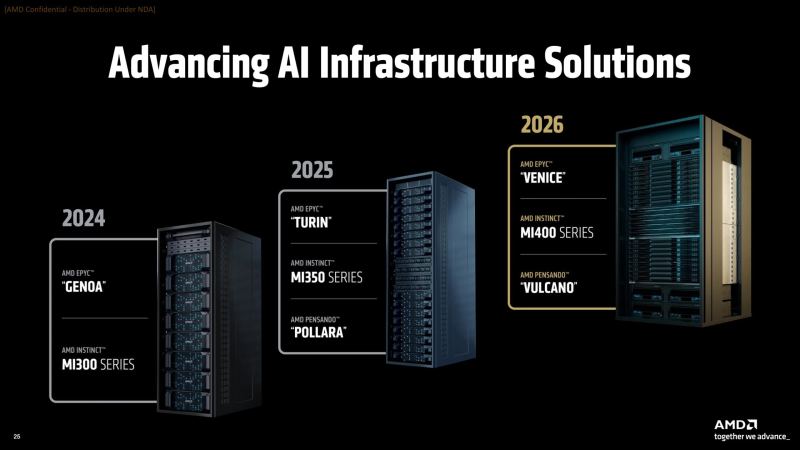
AMD MI400 turns open AI infrastructure into a rack-scale challenge
AMD's Instinct MI400 roadmap and Advancing AI announcements show the AI hardware fight shifting from single accelerators to full-stack rack systems.

Nvidia Washington meetings turn Blackwell exports into a policy test
Jensen Huang's Washington meetings show how AI chip roadmaps now depend on export-control politics, open-model policy and supply-chain commitments.

Core Scientific gives AMD a power-first AI infrastructure lane
AMD's Core Scientific partnership secures more than 500 megawatts of U.S. AI-ready capacity beginning in 2027, with room to scale toward 2.5 gigawatts.
Nvidia's SSI deal shows AI hardware supply becoming strategic capital
Reports that Nvidia is investing in Safe Superintelligence and giving it access to Vera Rubin GPUs show how AI compute deals now combine chips, financing, and privileged research partnerships.
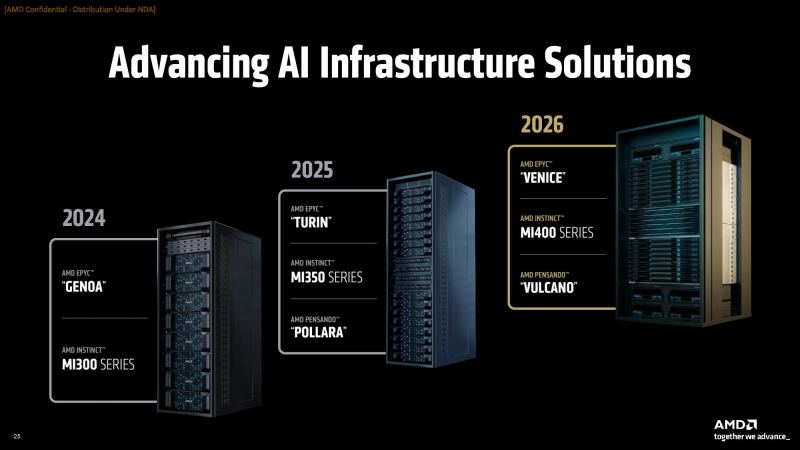
AMD and Anthropic make Helios a real test of non-Nvidia AI scale
AMD will invest up to $5 billion in Anthropic while Anthropic plans to deploy up to 2 gigawatts of MI450 GPUs in Helios racks, giving the AI chip race a concrete frontier-lab workload.
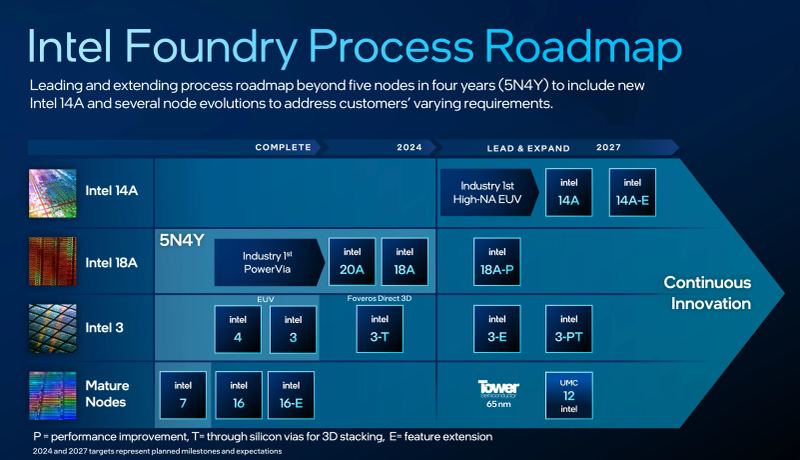
Intel's Q2 rebound puts 14A and AI infrastructure back on trial
Intel's second-quarter beat and 14A roadmap put the company back in the AI infrastructure conversation, but the foundry story still depends on execution, customers, and capital intensity.
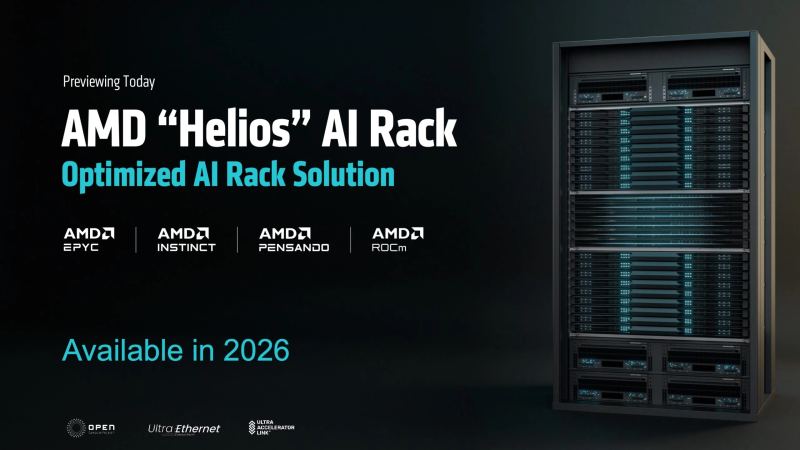
AMD's Helios launch turns the AI chip race into a full-rack contest
AMD used Advancing AI 2026 to argue that the next AI infrastructure fight is not a standalone GPU contest, but a rack-scale system race spanning accelerators, CPUs, networking, and software.
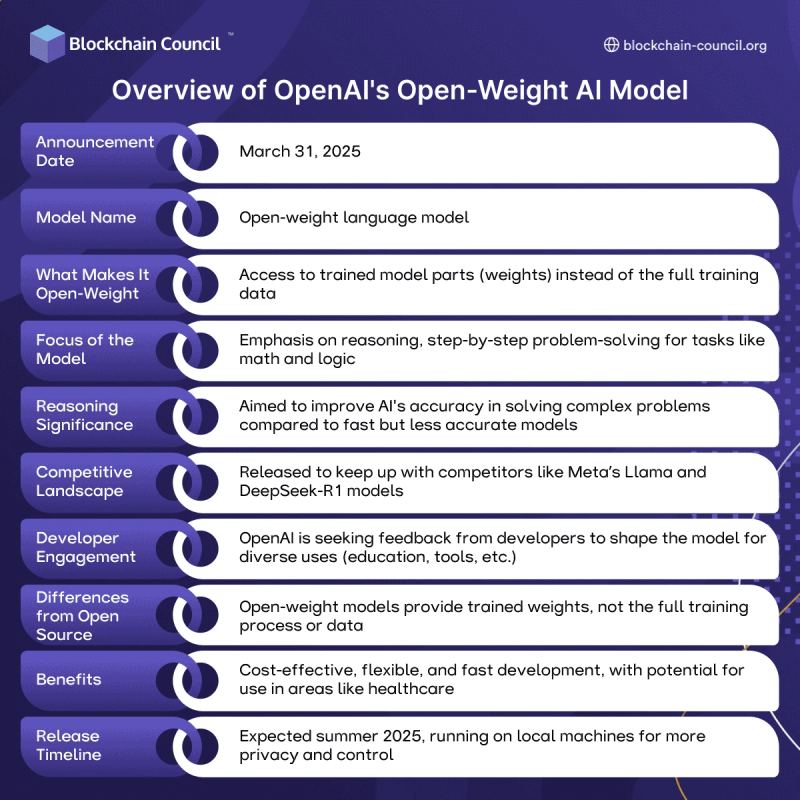
Open-weight AI coalition turns Washington's model fight into an infrastructure debate
A broad group of AI, chip, enterprise, and open-source organizations is pressing U.S. policymakers to protect open-weight models as strategic infrastructure, not treat them as a category to restrict by default.
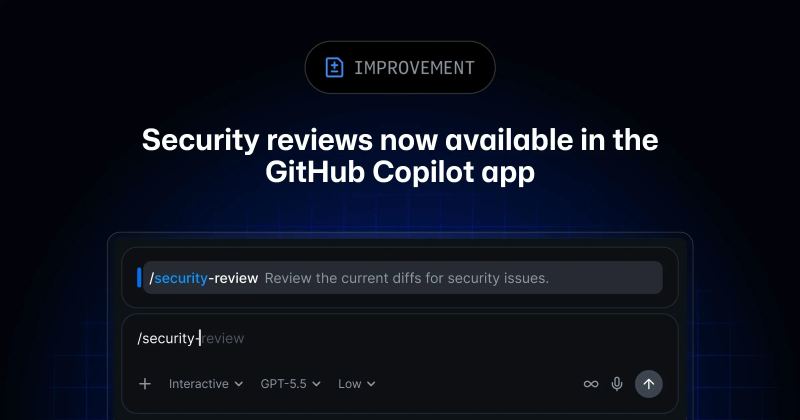
AMD's Anthropic deal makes AI hardware a financing and software ecosystem fight
Anthropic's planned deployment of up to two gigawatts of AMD Instinct MI450 systems gives AMD a marquee frontier-AI customer and a deeper ROCm test bed.

Anthropic's rumored Physical Intelligence pursuit shows frontier AI labs pushing from chat and coding agents into the harder market for robot foundation models
TechCrunch reports that a rumor about Anthropic and Physical Intelligence caught fire because AI labs are already buying their way into enterprise workflows, developer tools, and now potentially robotics.
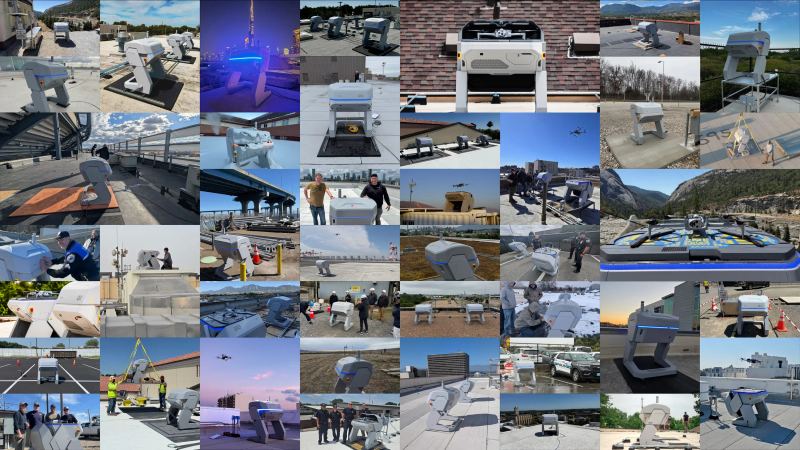
Robot.com's R-noid launch shows humanoid robotics shifting toward deployable labor systems
Robot.com launched R-noid with FieldAI, Physical Intelligence, Formic and Nvidia support, positioning humanoids as weeks-to-deploy tools for logistics and service work.
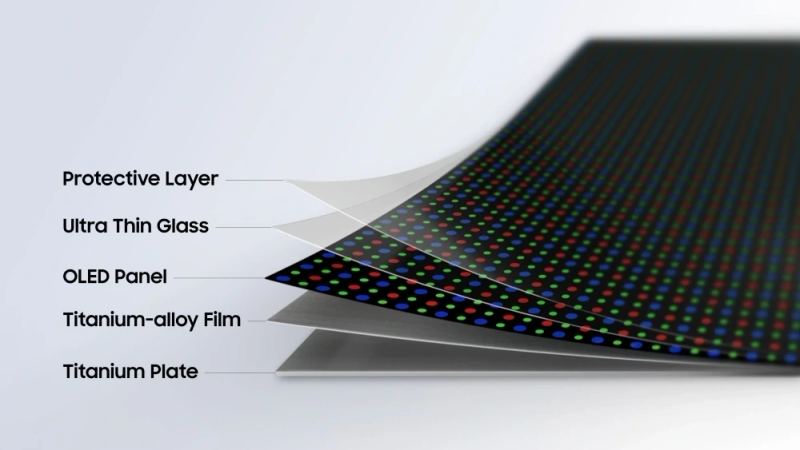
Wistron's Fort Worth NVIDIA plant makes AI superchip supply a U.S. manufacturing story
Wistron opened a 324,000-square-foot Texas facility producing NVIDIA Grace Blackwell Ultra systems and preparing for Vera Rubin Superchips.
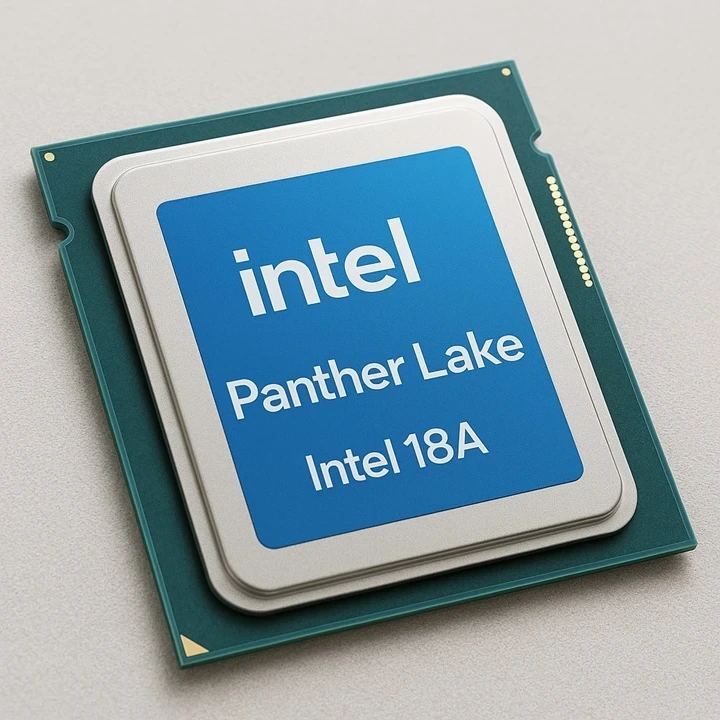
Intel's Starfire space-grade Panther Lake chip points to a new hardware race where AI inference, trusted U.S. manufacturing, and orbital edge computing converge
Tom's Hardware reports that Intel has shown Starfire, a space-grade SoC for U.S. government use that combines an 18A CPU, Intel 3 GPU, NPU capability, and Foveros packaging for in-orbit AI workloads.
ASML's raised outlook shows AI chip demand is now a lithography capacity problem
ASML reported EUR 9.3 billion in Q2 net sales and raised its 2026 outlook, saying AI-related investment is driving advanced logic and memory demand across its customer base.

Micron locking in long-horizon automotive memory agreements shows the hardware race shifting from headline chip performance alone toward who can guarantee durable supply, lifecycle planning and software-defined vehicle readiness as cars absorb more AI, sensing and in-cabin compute
Micron says it has completed strategic customer agreements with major automotive suppliers including Qualcomm, Visteon, HARMAN, DENSO and Hyundai Mobis to support long-term memory and storage demand in smarter vehicles.
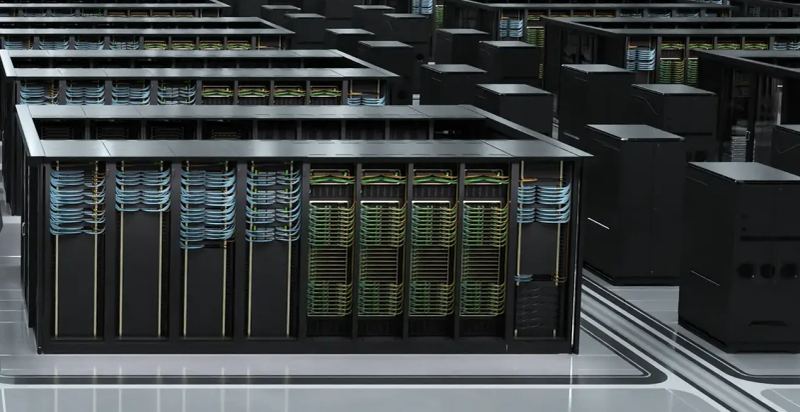
NVIDIA's Japan AI factory project shows the hardware race widening from faster accelerators to nation-scale industrial compute where the winning platform is the one that can bind chips, networking, power budgets and model distribution into a usable physical-AI stack
NVIDIA and Noetra say they will build a Vera Rubin AI factory for Japan backed by 13,750 Vera CPUs, 27,500 Rubin GPUs and 140 megawatts of data center capacity to support the country's FRONTia physical-AI initiative.
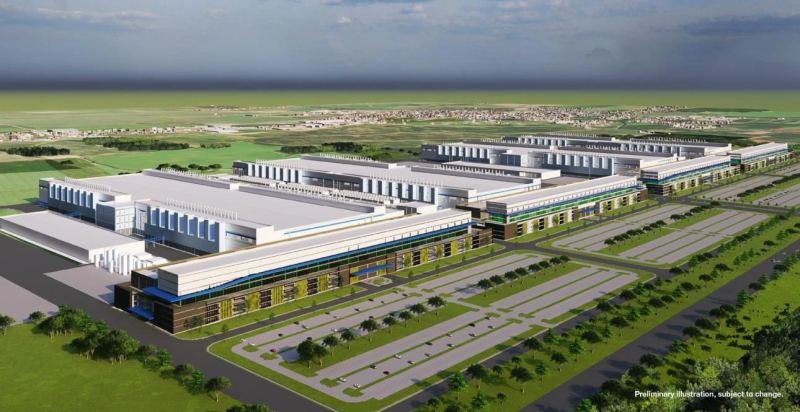
Micron's new U.S. supply-chain spending says the next hardware moat is not just owning advanced memory demand but locking in the domestic wafer, fab, and ecosystem capacity needed to serve the AI era without bottlenecks
Micron says it will invest up to $3 billion to strengthen the U.S. semiconductor ecosystem while also raising planned U.S. investments above $250 billion through 2035, underscoring that AI hardware scale now depends on supply assurance far beyond the chip itself.
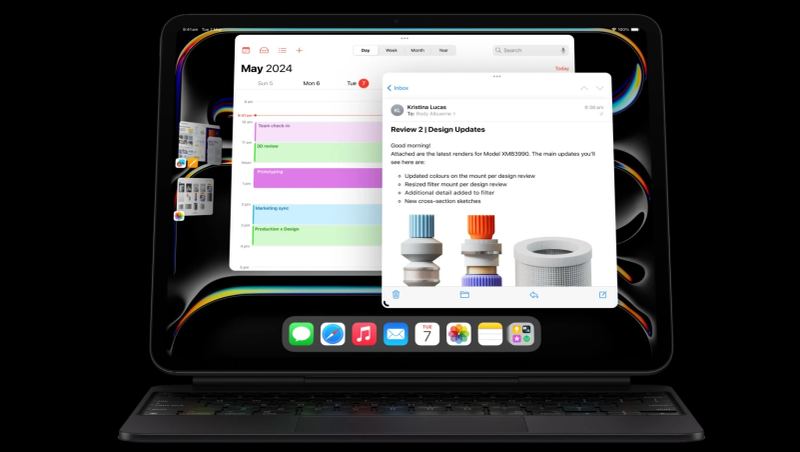
Apple's expanded Broadcom commitment shows that custom silicon strategy is no longer just about who designs the chip but who can guarantee multi-year manufacturing capacity for the wireless and connectivity parts that quietly determine product performance
Apple says it will expand its multiyear Broadcom commitment beyond $30 billion through 2031, a reminder that hardware leadership increasingly depends on securing specialized silicon capacity for connectivity and custom components, not only the headline processors.

Qualcomm's Dragonfly AI300 push says the next inference hardware battle is about memory architecture and power economics, not just raw accelerator bragging rights
Qualcomm's June data-center roadmap matters because it is building a hardware story around near-memory compute, rack-scale inference, and tokens-per-watt for agentic AI workloads.

Google just turned AlphaEvolve from an internal AI coding experiment into a production optimization engine for cloud customers
Google's general-availability launch for AlphaEvolve matters because it pushes generative AI beyond assistant workflows and into direct algorithm search for logistics, semiconductors, genomics, financial services, and HPC workloads.