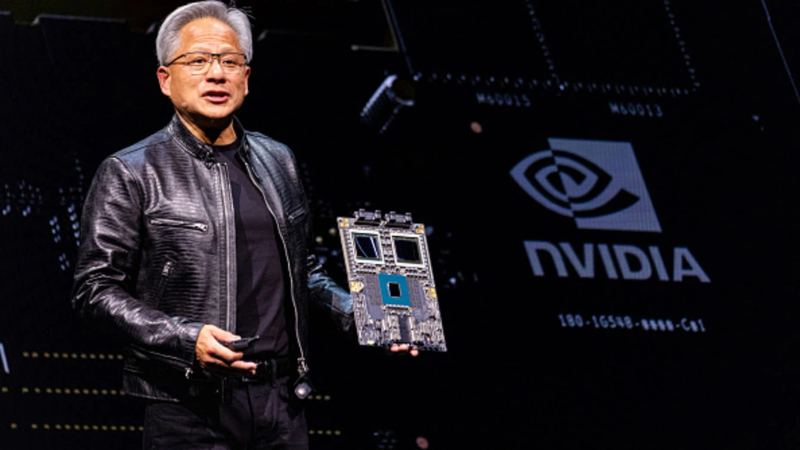
Hardware Briefing: Asian Chip Stocks Diverge Post-Nvidia; Regional Hardware Updates
A morning hardware briefing covering the mixed reaction of Asian semiconductor equities to Nvidia's latest results, alongside unrelated regional news items involving explosive devices and athletic achievements.

Drones & Robotics Briefing: Robust.AI Milestone, China Sprint Record, Leipzig Drone Threat
A category briefing covering Robust.AI's deployment of its 100th robot amid leadership changes, a new humanoid sprint record in China, and French intelligence warnings following the Leipzig drone incident.
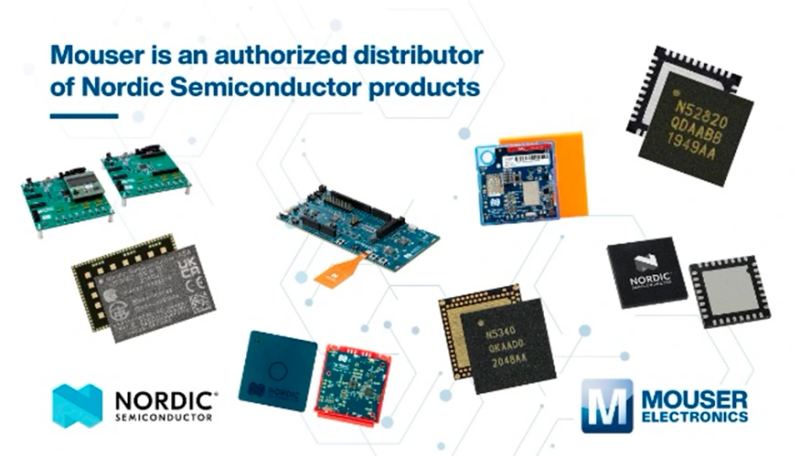
Hardware Briefing: Nordic Semiconductor Connectivity Launch at Mouser & Industry Updates
A category briefing covering the availability of Nordic Semiconductor's latest connectivity solutions via Mouser Electronics, alongside brief industry notes on consumer product launches and industrial asset sales.
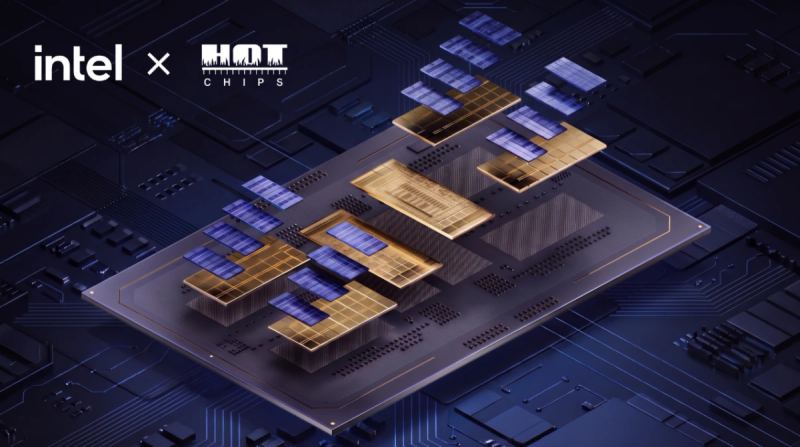
Intel frames Hot Chips 2026 as a three-layer Agentic AI stack
Intel is pairing Diamond Rapids, Crescent Island, and Wildcat Lake with a broader argument that agentic AI should be measured by delivered work, not just core counts.
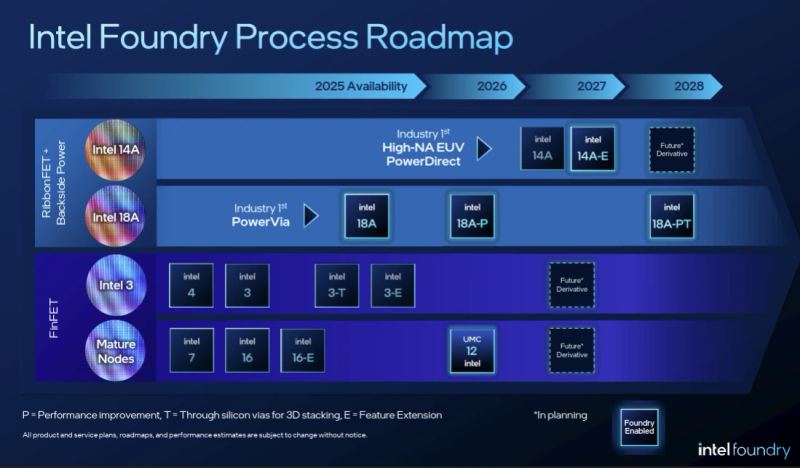
Intel's $20B stock sale turns its turnaround into a foundry funding test
Intel's enlarged stock offering and sales leadership changes show that the company's hardware story is now as much about funding and execution as it is about chips.
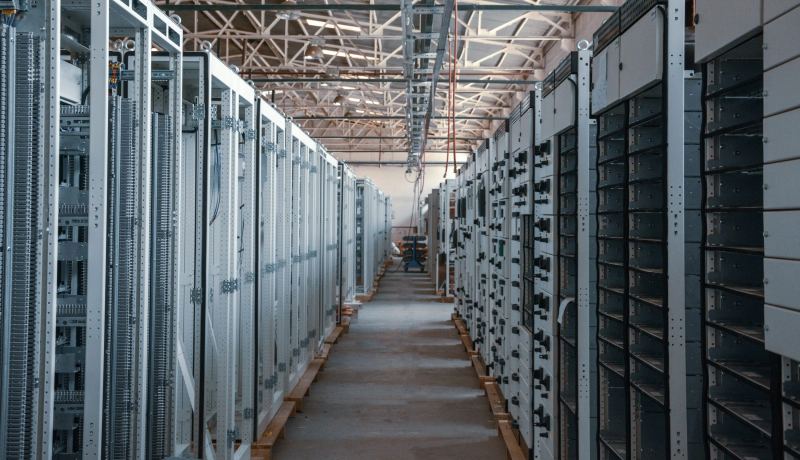
AI inference is pushing AMD and Intel into a new hardware cycle
Market coverage shows inference demand pulling AMD and Intel toward specialized chips, lower-cost deployment models, and harder financing questions.
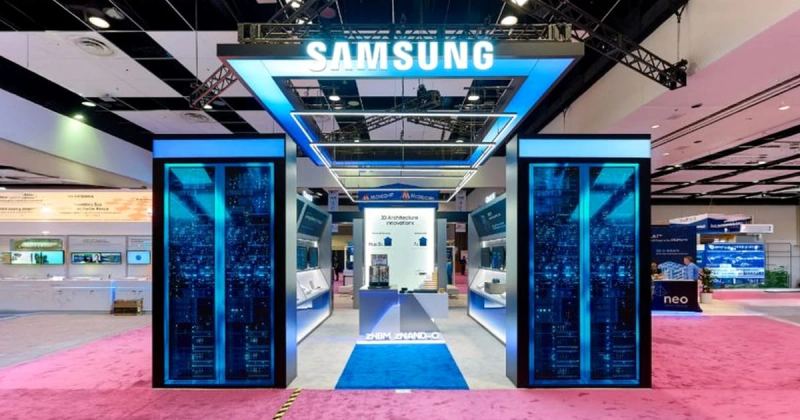
Samsung and Intel turn Hot Chips into a memory and packaging showdown
Hot Chips 2026 is showing that the next AI hardware battle is not just about the accelerator. It is about where memory sits, how it is packaged, and how much power the stack burns.

Intel's robotics readiness gap shows fleets are arriving before the playbook
Intel's new robotics research says most leaders expect robot fleets within five years, but far fewer already have the strategy, skills, safety, and edge infrastructure to run them.
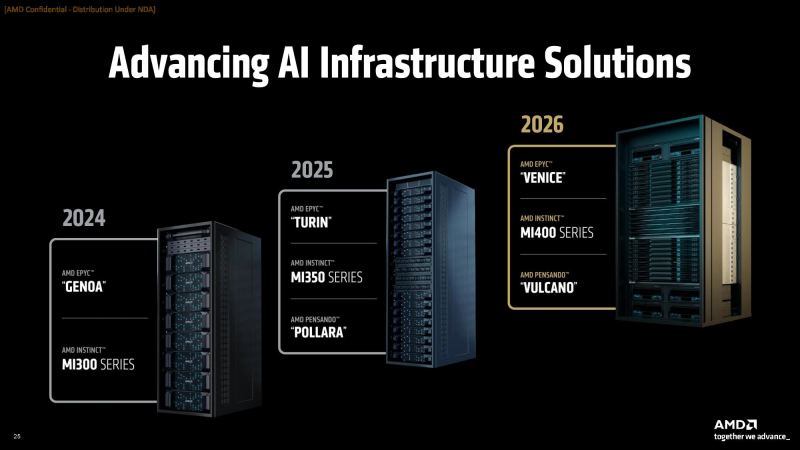
AMD's 4x efficiency gain shows AI hardware competition is now about watts
AMD says rack-scale AI systems are already four times more energy efficient than in 2024, a reminder that the infrastructure race is shifting from raw throughput to power, cooling, and system design.
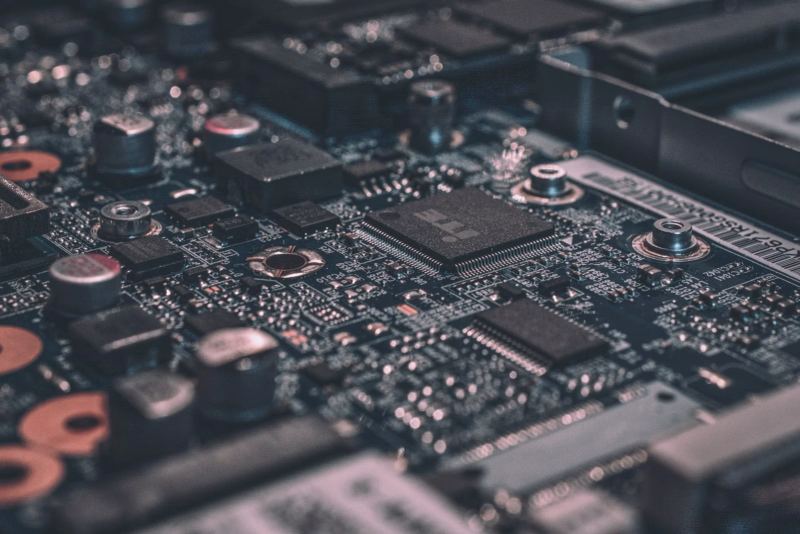
Google and Marvell's custom chip pact shows AI hardware is becoming strategic capital
Google's deal with Marvell is about more than tensor chips. It shows hyperscalers are now treating semiconductor partnerships, warrants, and custom silicon roadmaps as part of a broader capital strategy for AI infrastructure.
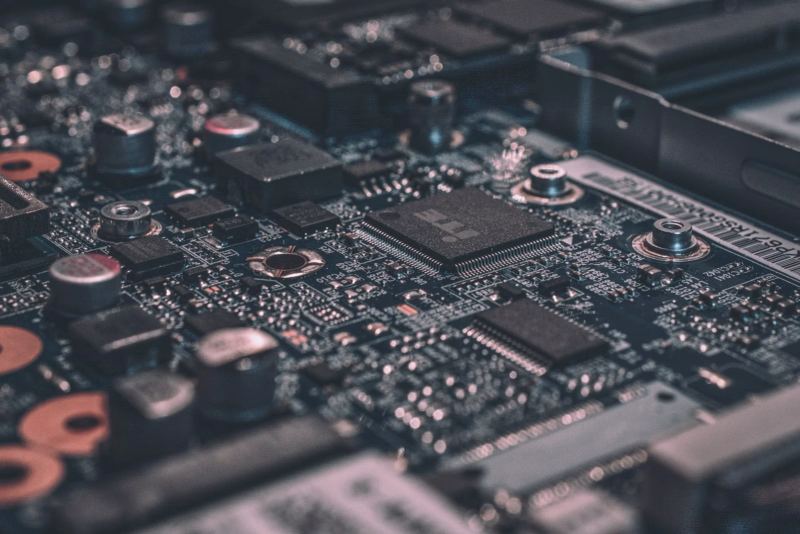
Samsung's 3D memory push says the AI infrastructure race is shifting from chips to data movement
Samsung's August 2026 FMS message matters because it argues the next AI hardware bottleneck is no longer raw compute alone, but the way memory, packaging, and storage move data through increasingly power-constrained AI systems.
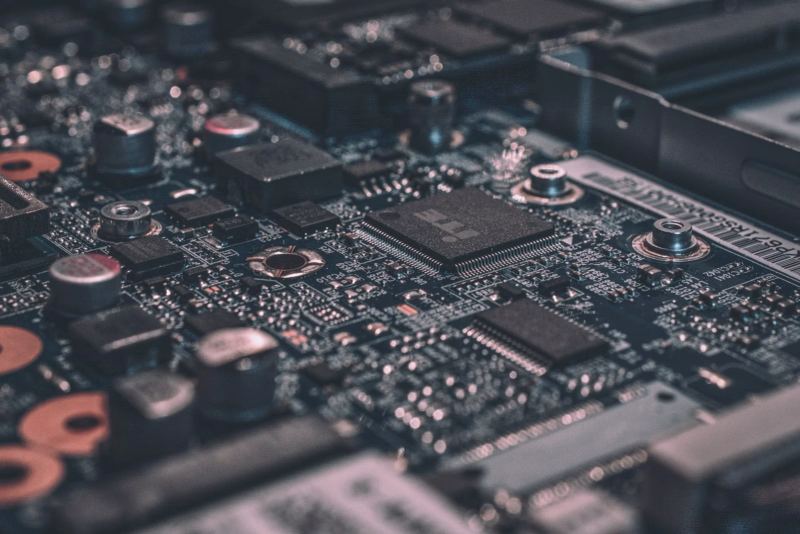
AMD says the next AI hardware race is about power budgets, not only peak compute
AMD's August 18, 2026 update on rack-scale AI energy efficiency matters because it reframes AI infrastructure competition around useful work per watt and per rack, where power, cooling, memory, and interconnect discipline can matter as much as raw accelerator headlines.
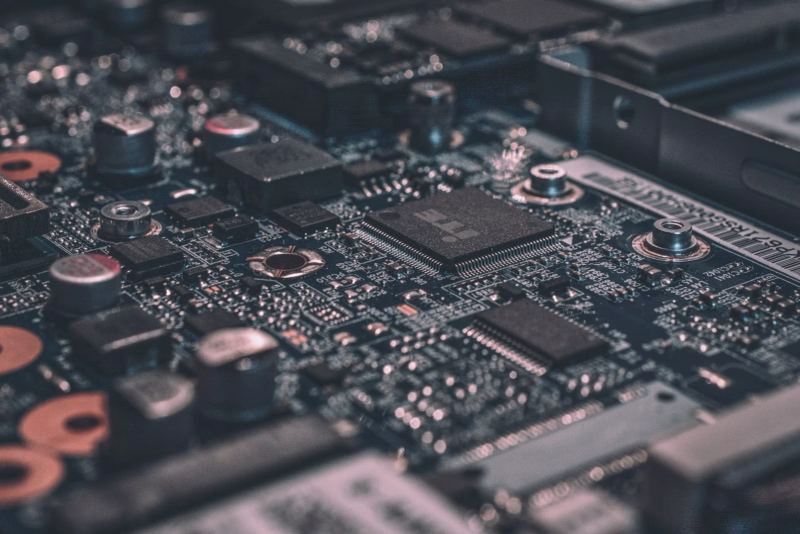
Google's Marvell warrant turns TPU supply into an equity-aligned chip pact
Marvell disclosed a Google warrant tied to custom TPU-adjacent silicon, showing how hyperscaler chip procurement is becoming long-term, equity-aligned infrastructure strategy.
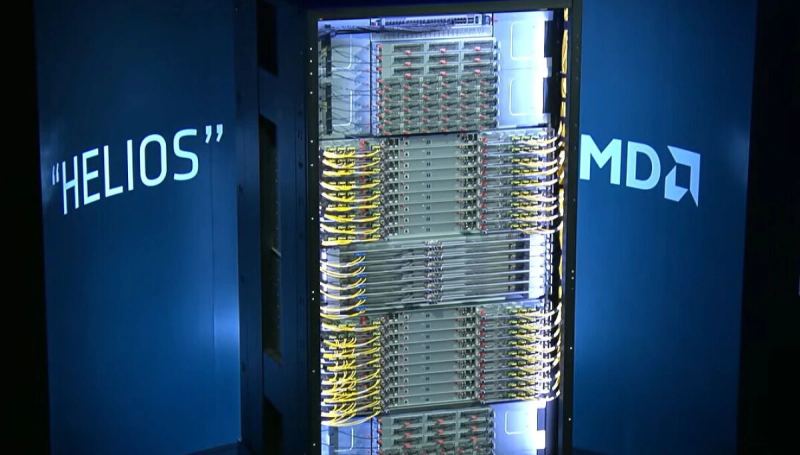
AMD Helios turns the AI hardware contest into a rack-scale systems race
AMD's Helios platform packages Instinct GPUs, EPYC CPUs, networking, ROCm software, and security features into an open rack-scale design aimed at the next phase of frontier training and inference.

AMD and Samsung make HBM4 supply part of the rack-scale AI fight
AMD and Samsung are aligning HBM4, next-generation EPYC memory, and rack-scale systems, showing that AI accelerator competition now depends on the whole memory-to-rack supply chain.
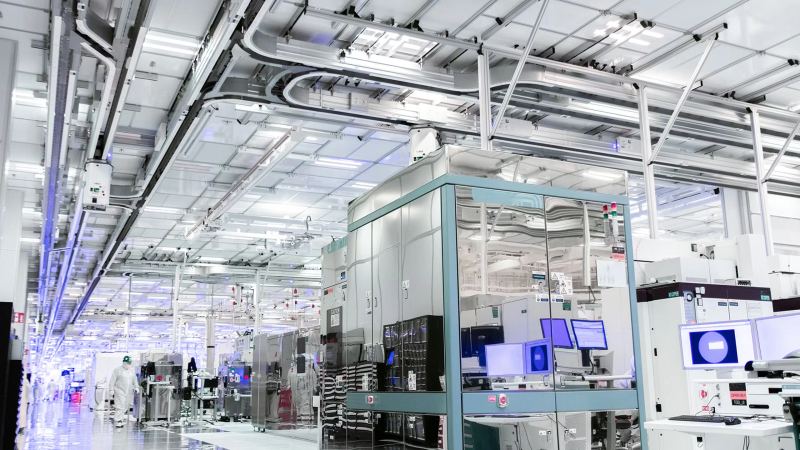
Micron's $3 billion wafer bet shows AI hardware starts before the chip factory
Micron is putting up to $3 billion behind GlobalWafers' Texas silicon-wafer plant and raising its planned U.S. investment to more than $250 billion through 2035, highlighting the upstream materials bottleneck behind AI infrastructure.
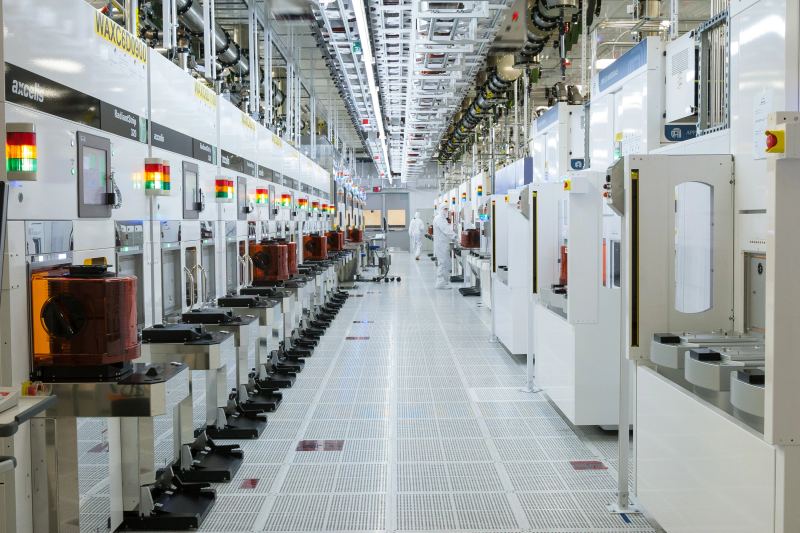
Intel and Fortinet make custom security silicon a foundry test
The Intel–Fortinet SP6 collaboration combines purpose-built firewall silicon with Intel design, packaging, and manufacturing, creating an early test of whether Intel's foundry ambitions can win security workloads.

Samsung and Broadcom tie HBM, 2nm foundry, and packaging into an AI hardware bet
Samsung and Broadcom’s new collaboration targets more than a faster memory chip: it links HBM, leading-edge foundry, and advanced packaging in an effort to solve the integration bottleneck behind next-generation AI accelerators.
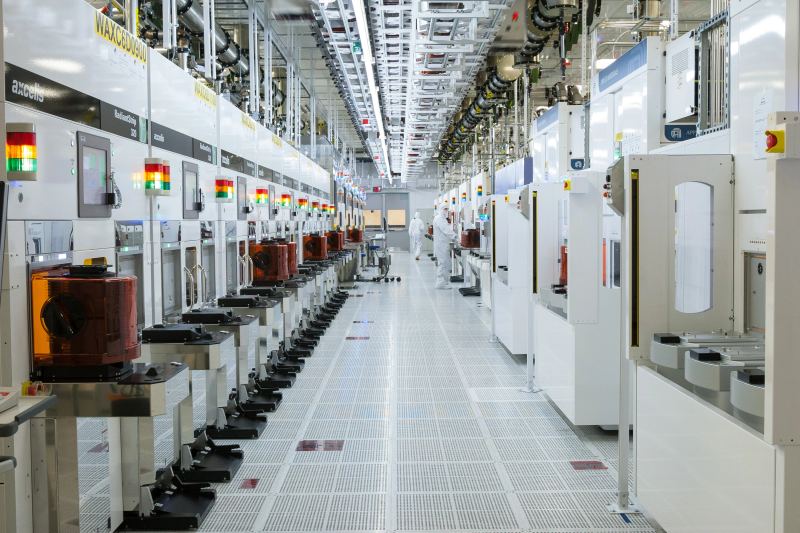
CaretEDA's open-source stack brings the chip-design bottleneck into the agent era
CaretEDA says its August release will make an end-to-end open-source EDA stack commercially available, covering simulation, synthesis, formal verification, and physical design for smaller chip teams.
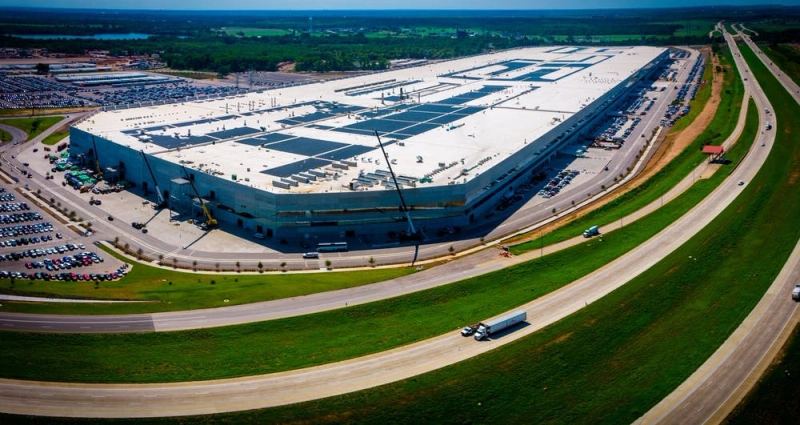
Terafab turns Tesla and SpaceX's chip shortage into a foundry bet
SpaceX and Tesla have fixed the first phase of their Terafab project in Texas at an estimated $16.8 billion, putting vertically integrated chip production at the center of their AI, robotics, vehicle, and space ambitions.
Intel's Secure Enclave pitch moves trusted chips toward the tactical edge
Intel's Secure Enclave program links confidential computing, advanced manufacturing, and defense workloads, making hardware-rooted trust part of the performance story for AI at the edge.

Intel and Fortinet make the security ASIC a foundry test
The Intel-Fortinet SP6 collaboration is about more than a firewall chip: it tests Intel's ability to combine custom silicon, advanced packaging, manufacturing, and supply-chain resilience for an external customer.
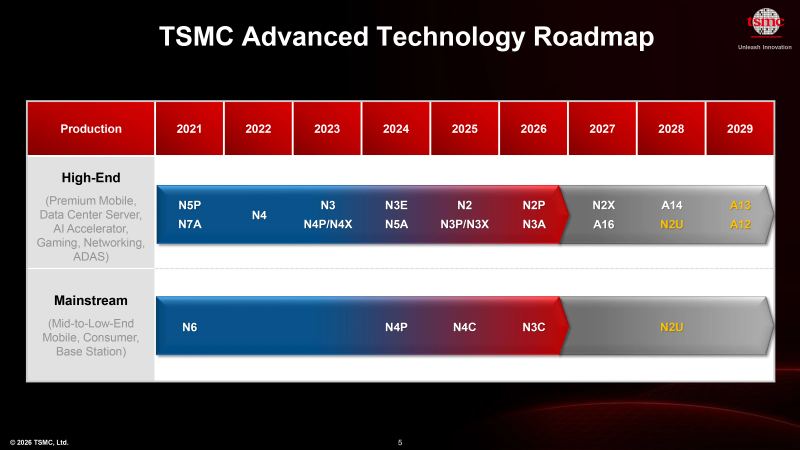
TSMC's A13 roadmap shows how chipmaking is splitting into more specialized paths
TSMC's 2026 technology roadmap adds A13 and previews A12 while keeping N2P and A16 on a separate path, reflecting the rising cost of one-size-fits-all leading-edge silicon.
AMD’s EPYC 9006 makes the CPU the coordination layer for agentic AI
AMD’s Zen 6 EPYC 9006 platform is aimed at the work around AI accelerators: retrieval, orchestration, tool execution, memory bandwidth, and the high-concurrency plumbing that turns agents into production systems.