
Stripe's new Treasury push says fintech stacks are turning into operating systems for business cash
Stripe's Sessions 2026 expansion of Treasury matters because it reframes a payments company as a global business account and money-movement layer for AI-era companies that want one stack for balances, transfers, payouts, and financial automation.

Circle and Nium say stablecoins are graduating from settlement token to full payout rail
The May 27, 2026 Circle-Nium partnership matters because it connects USDC settlement to last-mile payouts in more than 190 countries and pushes stablecoins closer to a complete cross-border payments workflow.
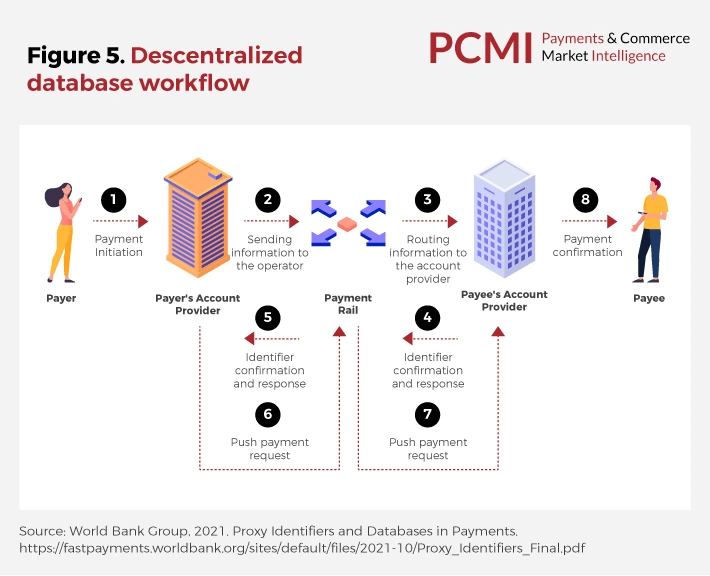
Visa's AR Manager integration says commercial-card growth now depends on supplier workflow automation, not card issuance alone
Visa's May 27, 2026 expansion of its Commercial Solutions Hub matters because it targets one of B2B payments' least glamorous but most important bottlenecks: getting suppliers to accept and reconcile virtual-card payments without manual operational drag.
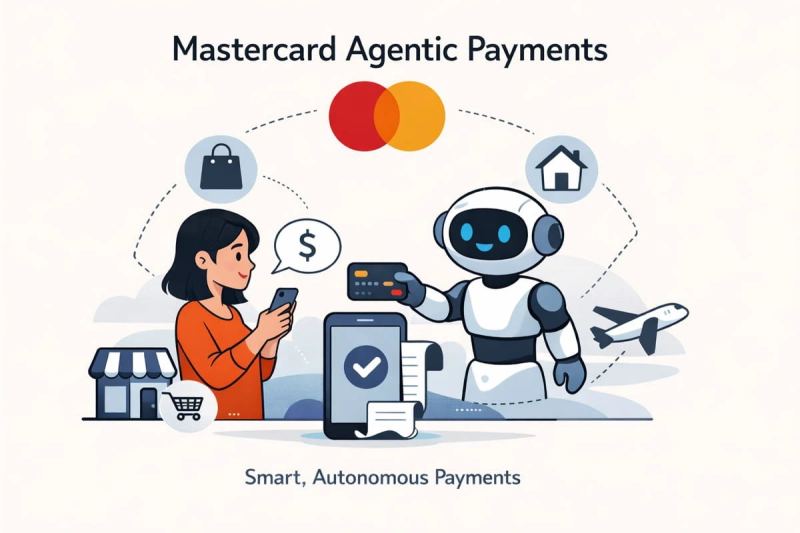
Mastercard says agentic commerce will be won by trust rails, not just payment rails
Mastercard's May 26, 2026 push around agentic commerce matters because it shows fintech's next control point may sit above checkout, where merchants, issuers, and AI agents need shared identity, consent, and governance before autonomous transactions can scale.

Stripe's Sessions 2026 launch wave says fintech is rebuilding commerce for agents, not just merchants
Stripe's April 29, 2026 Sessions announcements matter because they push payments infrastructure beyond checkout optimization and toward a world where AI agents need wallets, authorization rules, payout paths, and programmable economic identity.

Visa's nine-chain stablecoin pilot says crypto is becoming settlement plumbing, not a speculative sidecar
Visa's April 29, 2026 expansion of its stablecoin settlement pilot to nine blockchains matters because it frames crypto less as a consumer novelty and more as backend financial infrastructure that large networks can route through when speed, programmability, and nonstop settlement matter.
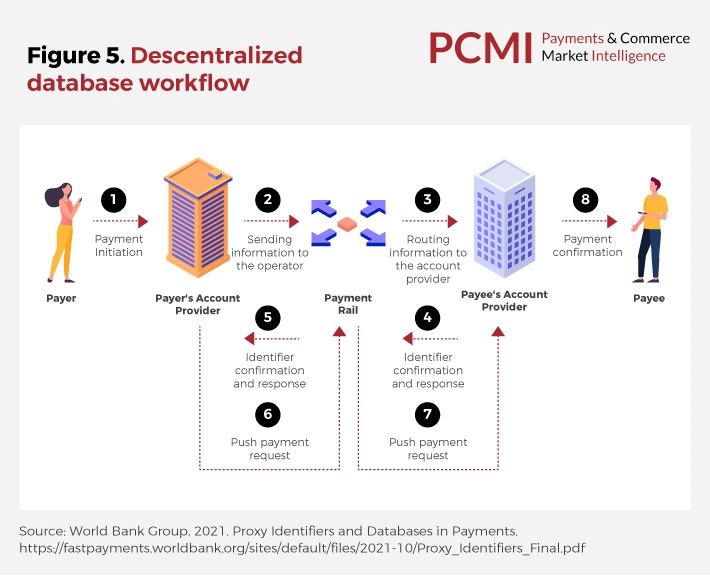
The Fed's payment-account proposal could turn fintech access to central-bank rails into a real infrastructure contest
The Federal Reserve's May 20, 2026 proposal matters because it opens a concrete path for eligible nontraditional institutions to clear and settle payments more directly without turning them into full-service banks.

Visa's dispute overhaul says fintech's next efficiency war is after checkout, not at it
Visa's April 1, 2026 dispute-tools launch matters because it turns post-transaction operations into an AI product category, not just a merchant back-office burden.

Mastercard's Virtual C-Suite says fintech is moving from payment rails to agentic operating intelligence
Mastercard's March 10, 2026 Virtual C-Suite launch matters because it extends the payments giant from transaction infrastructure into AI-guided decision systems for small-business finance and commerce.

Visa's Tempo validator move says stablecoin payments are shifting from pilots to owned infrastructure
Visa's April 14, 2026 Tempo validator launch matters because it moves the company deeper into blockchain operations just as its stablecoin settlement pilot expands from experimentation into multi-chain payment infrastructure.

Stripe's Sessions 2026 launch wave says fintech now needs treasury, wallets, and streaming payments built for AI-native commerce
Stripe's April 29, 2026 Sessions launch wave matters because it bundles treasury, agent wallets, and streaming payments into a single fintech stack built for AI-native business models.

Nium and Coinbase say stablecoin payments are moving from crypto treasury experiments into global payout infrastructure
Nium's April 21, 2026 Coinbase partnership matters because it turns USDC into a behind-the-scenes operational rail for treasury, payouts, and card programs across a licensed cross-border payments network.
AWS AgentCore payments says agent commerce now needs wallets, spending rules, and real-time rails
Amazon's May 7, 2026 AgentCore payments preview matters because it turns AI-agent spending into managed infrastructure built around wallets, transaction controls, and programmable micropayment rails.

Bermuda's Stellar plan says onchain finance is trying to become national infrastructure, not just trading rails
Stellar's May 12, 2026 Bermuda announcement matters because it shifts the onchain-finance conversation from token speculation toward government payments, merchant costs, and national-scale money movement.
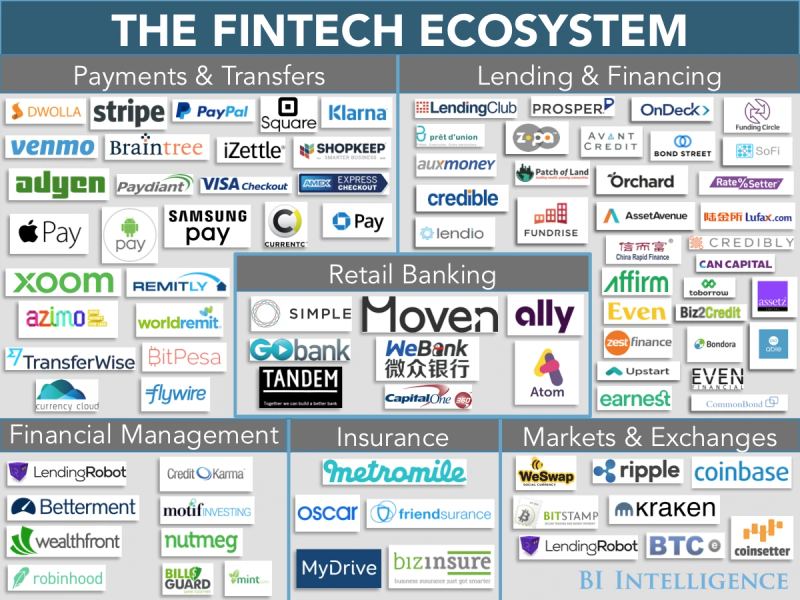
PayPal's three-business reset says fintech growth now depends on execution speed and agent-ready payment surfaces
PayPal's April 29 and May 5, 2026 updates matter because the company is reorganizing around checkout, consumer finance, and payment services plus crypto to simplify decision-making and push harder into AI-driven commerce.

Circle's Agent Stack says stablecoins are moving from crypto treasury tools into machine-speed economic rails
Circle's May 11, 2026 Agent Stack launch matters because it packages wallets, marketplaces, micropayments, and command-line controls into infrastructure for AI agents to hold and spend USDC under explicit guardrails.
Plaid's Guaranteed Payments says ACH growth now depends on who absorbs risk, not who only routes funds
Plaid's May 19 launch of Guaranteed Payments matters because it turns ACH risk underwriting into a platform feature that can reshape how fintechs balance instant user experience against settlement exposure.

Fortnite's App Store return turns mobile distribution into a platform-governance fight, not just a game launch
Epic's May 19, 2026 return of Fortnite to the App Store around the world matters because it reframes mobile gaming growth as a struggle over payment control, storefront power, and who gets to own player relationships.

Adyen's Intelligent Money Movement says treasury is becoming a live operating layer, not a reconciliation chore
Adyen's May 20, 2026 launch of Intelligent Money Movement matters because it turns treasury decisions into a continuous optimization system across accounts, entities, and payment flows instead of a slow back-office routine.

Circle's managed-payments push says stablecoins win the mainstream only when crypto disappears behind familiar fiat workflows
Circle's April and May product updates matter because they turn stablecoin settlement into a managed service for banks and PSPs instead of asking every institution to become a crypto operator.
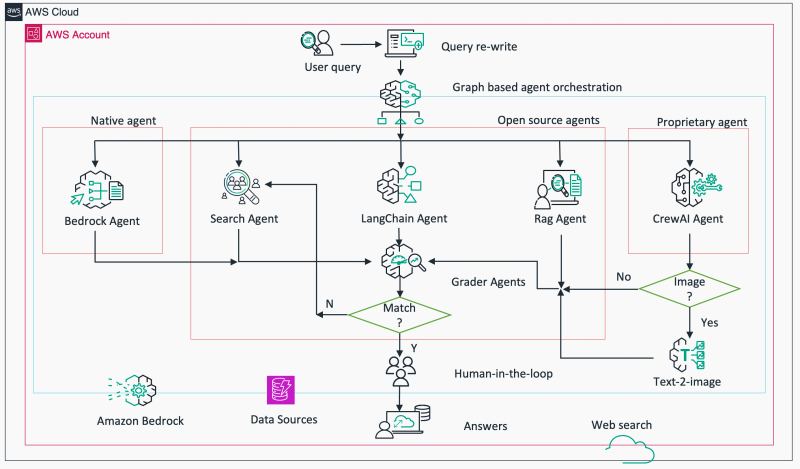
Stripe and AWS are turning agent payments into infrastructure instead of bespoke crypto plumbing
Stripe's May 7 partnership with AWS AgentCore matters because it packages wallets, spending controls, and stablecoin settlement into a managed payment layer for autonomous software agents.

Fortnite's App Store return shows gaming's next platform fight is about payment power and distribution control
Epic's May 19 return of Fortnite to the App Store matters because it turns mobile game distribution, in-app payments, and platform economics back into a live battleground with direct consequences for how gaming businesses reach players.
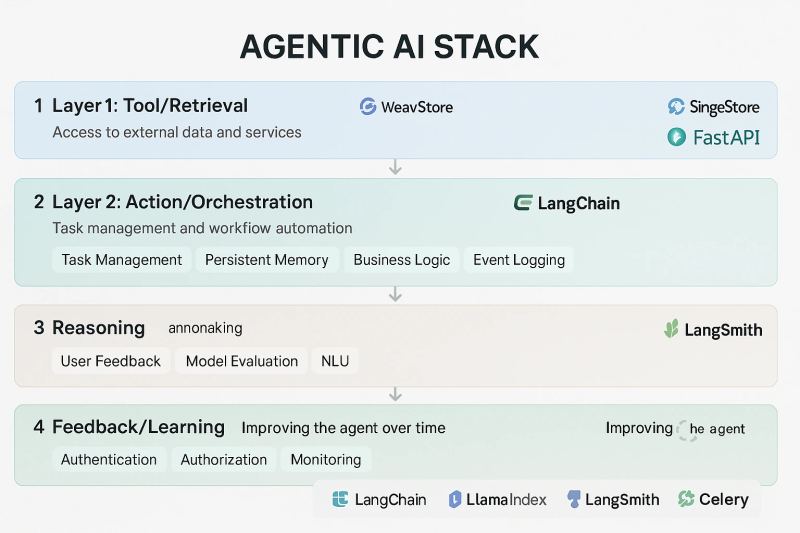
Circle's Agent Stack argues that AI agents need a native financial layer before they can become real economic actors
Circle's May 11 Agent Stack launch matters because it packages wallets, micropayments, service discovery, and programmable settlement into a crypto infrastructure layer built specifically for software agents.

Stripe is trying to make stablecoin treasury feel like a normal business finance primitive
Stripe's stablecoin financial accounts matter because they push crypto-linked money management into the mainstream fintech dashboard, where businesses already handle payments, balances, and spending.