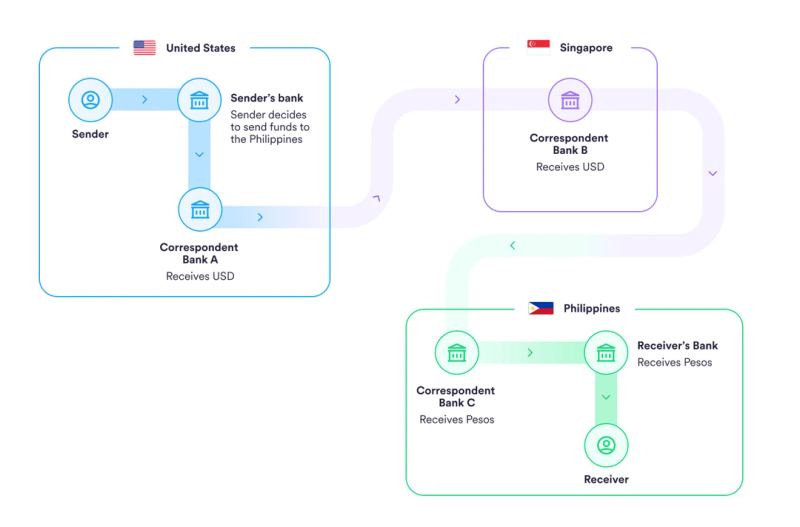
Circle wants CPN to turn stablecoins from crypto instruments into a real payments coordination layer
Circle's Payments Network push is notable because it treats stablecoins less like speculative assets and more like cross-border settlement plumbing for regulated financial institutions.

Visa's five-chain stablecoin expansion says crypto settlement is entering its multi-chain operating phase
Visa's latest stablecoin move is less about adding blockchains for marketing optics and more about admitting that mainstream crypto settlement will be negotiated across multiple chains, partners, and compliance models at once.
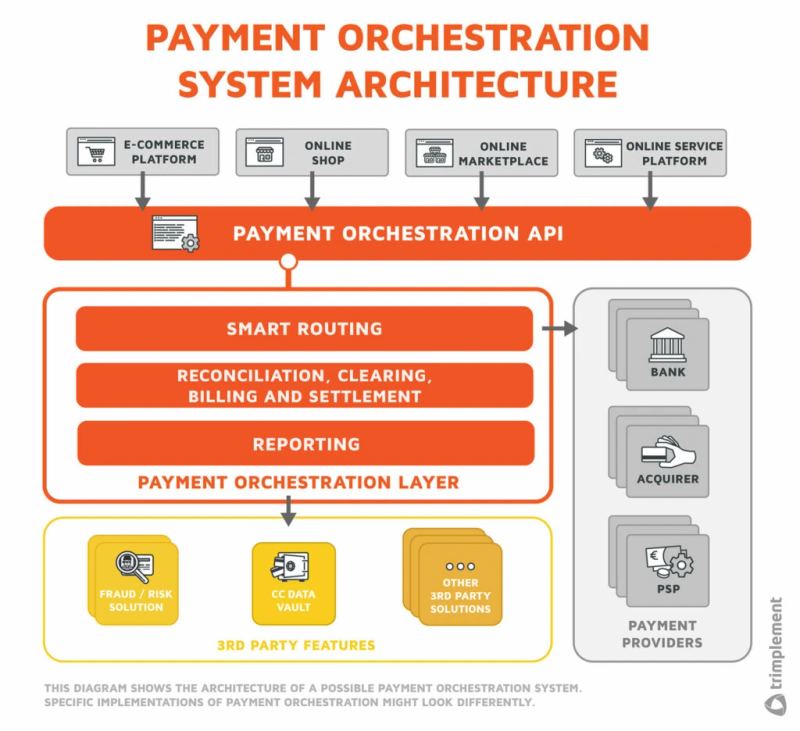
FIS is betting banks need one orchestration layer before faster payments can really scale
FIS's Money Movement Hub is a bet that the payments race is shifting from adding more rails to managing all those rails through one cloud-native control plane.

Mastercard and MoonPay are trying to turn stablecoins into everyday card-rail commerce
Mastercard's MoonPay partnership suggests the next stablecoin battleground is not token issuance alone, but whether crypto balances can move through familiar merchant rails at global scale.

Experian and Akamai are building the trust layer agentic commerce was missing
Experian's addition of Akamai to its Agent Trust ecosystem shows agentic commerce moving from demo payments to identity, traffic verification, consent, and real-time fraud decisioning.

Payward's Reap deal says stablecoin infrastructure is becoming a B2B payments stack
Payward's planned acquisition of Reap shows the crypto market's most serious commercial energy shifting from token speculation toward card issuing, treasury, and cross-border payment infrastructure.
Mesh and Stellar are betting that stablecoin payments win only when settlement rails look institutional
Mesh's May 7, 2026 integration with Stellar shows the crypto payments market shifting away from speculative token narratives and toward institution-grade settlement, regulated liquidity, and interoperable payment infrastructure.

Stripe's Sessions launch says fintech now needs agent wallets and streaming payments, not just better checkout
Stripe's April 29, 2026 Sessions announcements argue that AI is changing fintech from merchant tooling into economic infrastructure for agents, stablecoin micropayments, and programmable treasury flows.

Mastercard's crypto push says stablecoins are becoming payment-network business, not exchange side business
Mastercard's March 2026 crypto program, trust framework, and BVNK acquisition point to a market where stablecoin infrastructure is being folded into mainstream payment-network strategy rather than left to standalone crypto firms.

Ericsson and Mastercard want money movement to run like telecom software, not a patchwork of bank integrations
Ericsson and Mastercard's February 18, 2026 partnership links Ericsson's fintech platform with Mastercard Move, pushing remittances and wallet transfers toward carrier-scale orchestration.

Paymentus wants bills to become AI-native commerce surfaces instead of dead-end payment reminders
Paymentus is using its new Billeo and BillWallet products to argue that the next fintech battle is not checkout alone, but turning routine billing documents into persistent, AI-mediated customer relationships.
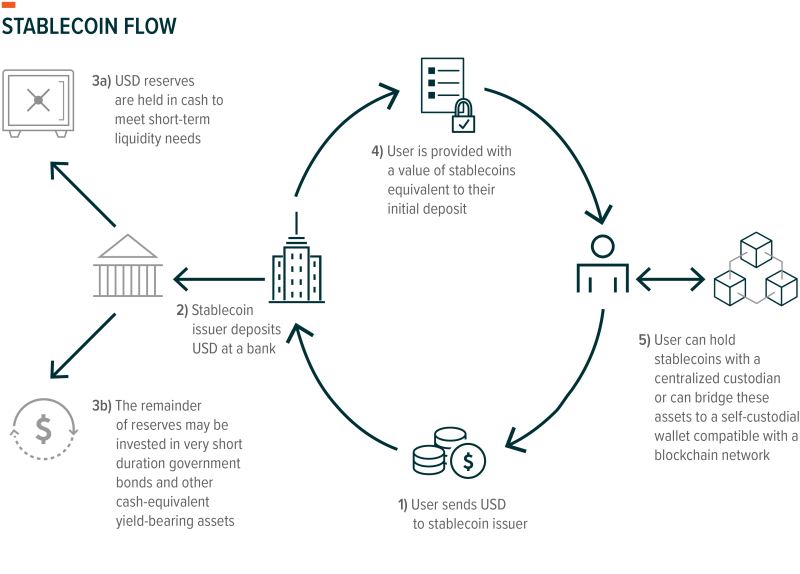
Circle's Agent Stack launch says stablecoins are becoming operating rails for software, not just assets for traders
Circle's May 11, 2026 Agent Stack rollout packages wallets, nanopayments, service discovery, and machine-speed settlement into an explicit stablecoin infrastructure play for autonomous software.
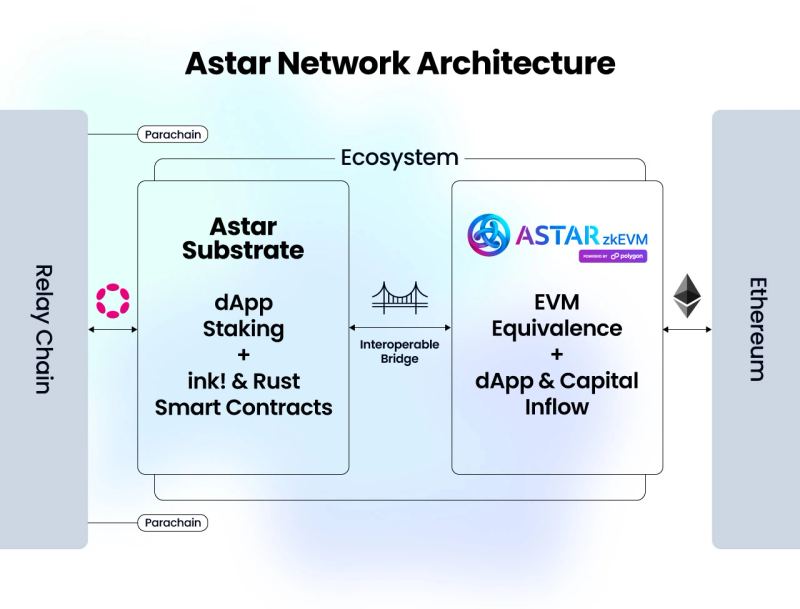
Fintech points to the next payment layer
Fintech points to the next payment layer is the strongest Fintech signal from the current research batch, backed by verified sources and framed around what changes next.
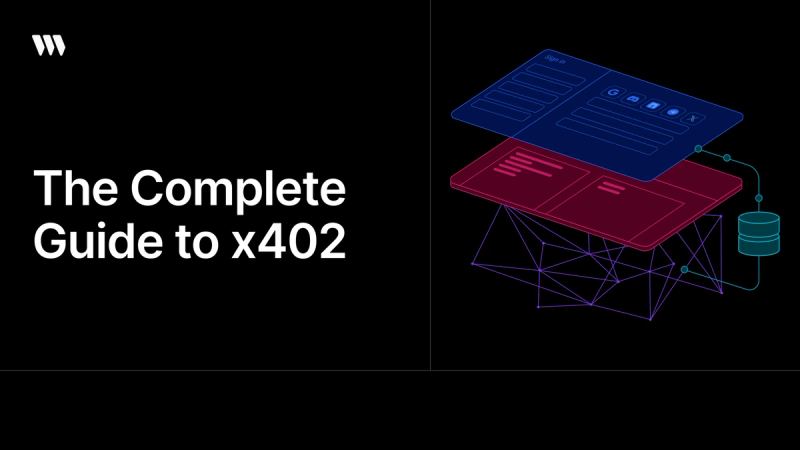
Cryptorefills' x402 checkout launch says DeFi's next useful interface may be an HTTP payment request
Cryptorefills enabling x402 checkout for AI agents is a practical DeFi signal: stablecoins are moving from trading liquidity into machine-readable commerce where agents can discover a price, settle in USDC, and complete a purchase without a card flow.

Adyen's Q1 update and Talon.One deal show fintech platforms racing toward real-time decisioning
Adyen says Q1 net revenue reached €620.8 million and links its Talon.One acquisition to a broader plan to merge payments, liquidity, and promotions into one real-time commerce stack.

Coinbase's Q1 report says the next crypto cycle is being built on derivatives, stablecoins, and agent payments
Coinbase says Q1 2026 pushed its crypto trading market share to an all-time high while Base and USDC became larger parts of the exchange's thesis for payments, prediction markets, and agentic commerce.

Visa and Wealthsimple's Canada pilot makes stablecoin settlement look like fintech plumbing, not crypto theater
Visa's expanding stablecoin network and its new Canada pilot with Wealthsimple show how card-era payment companies are wrapping blockchain settlement inside familiar institutional controls instead of trying to replace them.

Circle's Q1 says stablecoins are graduating from crypto trade to AI-era financial plumbing
Circle's first-quarter results paired surging USDC usage with an ARC token presale and a new agent stack, making a clearer case that stablecoin infrastructure is expanding beyond trading into programmable payments and machine commerce.
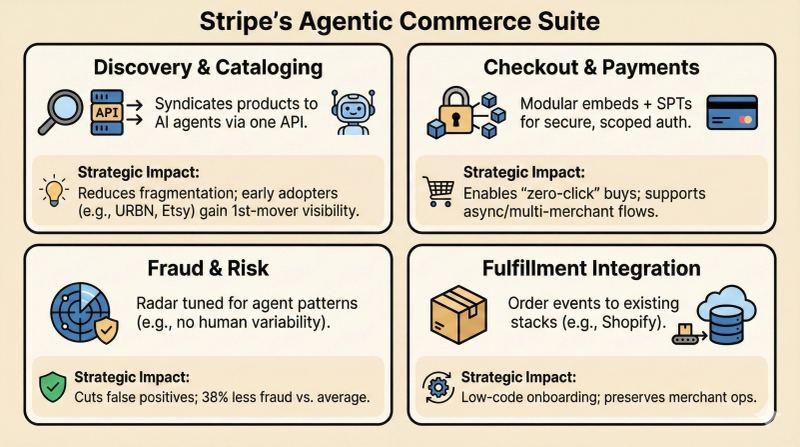
Stripe's Sessions launch turns agent payments into mainstream fintech infrastructure
Stripe's Sessions 2026 package is less about one flashy AI feature and more about making agent-driven buying, wallets, usage billing, and fraud controls feel like ordinary payment infrastructure.
Circle's nanopayments mainnet says agent commerce needs rails smaller than card payments
Circle's gas-free USDC nanopayments are live on mainnet, turning machine-scale transactions from a crypto demo into something builders can actually wire into agents, APIs, and usage-based software.
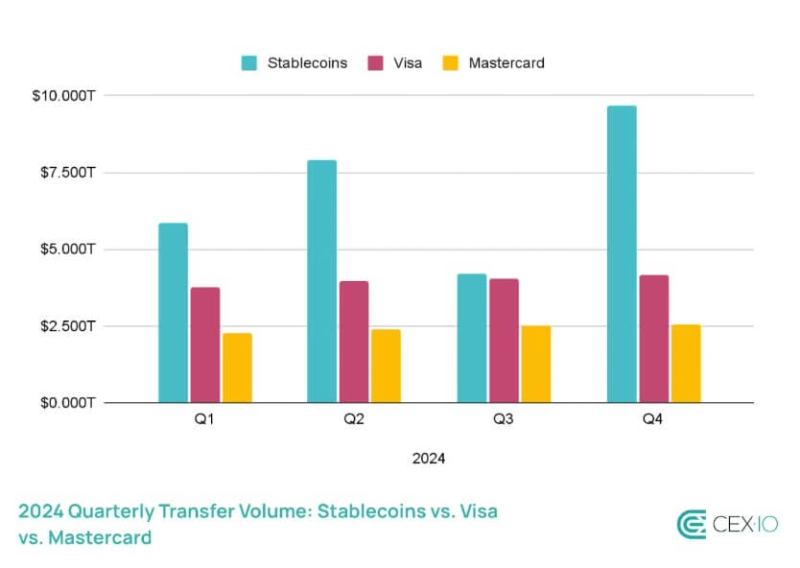
Visa's nine-chain stablecoin expansion says crypto infrastructure is being judged on settlement utility
Visa's expansion of its stablecoin settlement pilot to nine blockchains matters less as a crypto headline than as an infrastructure signal. The company is trying to make stablecoins useful where card networks and treasury teams care most: reliable settlement, partner optionality, and the ability to operate across multiple chains without betting the business on one of them.

Fintech Morning Briefing: Digital Shifts, Stablecoin Ties, and Branch Restructuring
A roundup of global banking updates, from Mastercard’s stablecoin partnership and Nigerian digital gains to UK branch closures and Indian transit payments.
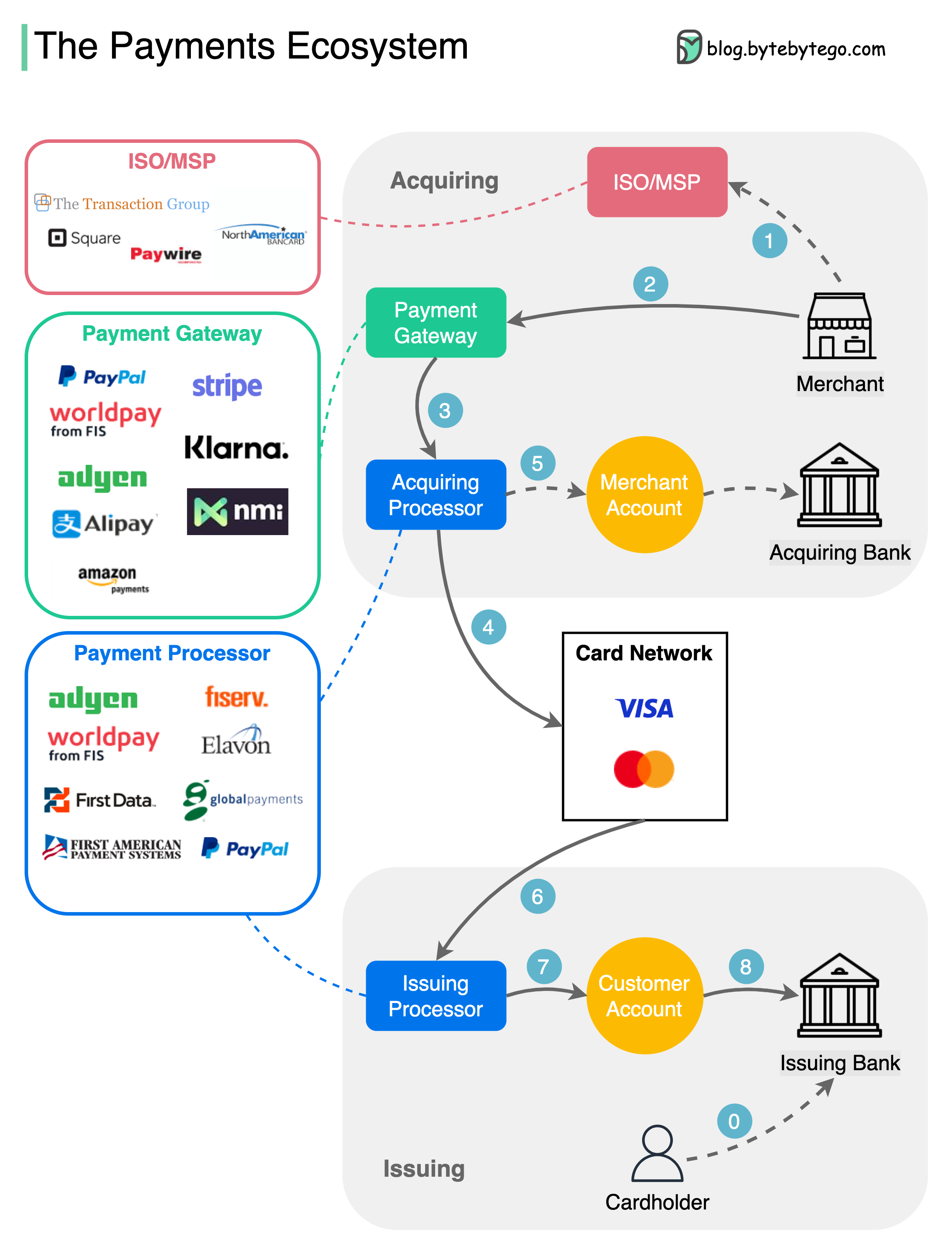
Adyen's latest payments push says fintech platforms want to control transaction logic before the card is even charged
Adyen's May 6, 2026 business update paired steady payments growth with two strategic signals: its Talon.One acquisition and its new Intelligent Money Movement product. Together they show fintech platforms trying to unify pricing, liquidity, payouts, and payment execution into one operating layer that can support increasingly automated commerce.

Coinbase's Q1 results say the crypto battleground is shifting from trading fees to stablecoin and agent rails
Coinbase said on May 7, 2026 that it reached an all-time high in crypto trading volume market share while Base processed 62% of global onchain stablecoin transaction volume and more than 90% of onchain agentic stablecoin volume. The real signal is that exchange economics are increasingly being rebuilt around stablecoin distribution, payments infrastructure, and machine-to-machine commerce.