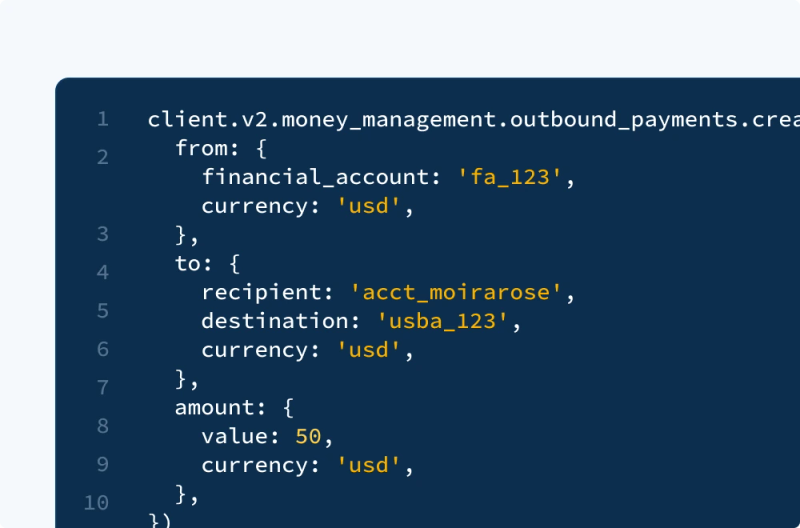
Stripe and Deel say fintech growth is shifting from faster payouts to programmable global money accounts
Stripe's June 2026 Deel partnership matters because it reframes stablecoin wallets as a practical financial account layer for global workers and businesses, not just a crypto side feature.
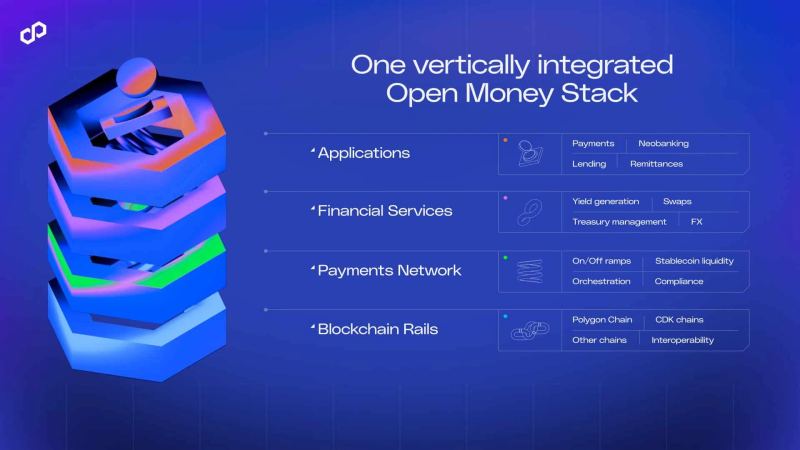
Polygon's Open Money Stack says crypto infrastructure is maturing into a liquidity operating system, not a wallet feature set
Polygon's June 4, 2026 Open Money Stack preview matters because it packages wallets, chain abstraction, liquidity routing, and compliance-ready payments into one crypto execution surface built for mainstream financial apps.
Visa's Brale project says fintech now cares as much about payment privacy as settlement speed
Visa's June 4, 2026 collaboration with Brale matters because it turns stablecoin settlement into a privacy architecture question, not just a speed and programmability story for institutional payments.

Circle and Nium say stablecoins are graduating from settlement tokens into payout rails
Circle's May 27, 2026 partnership with Nium matters because it pushes USDC beyond back-end settlement into a full payment flow that reaches last-mile delivery in local currency across more than 190 countries.

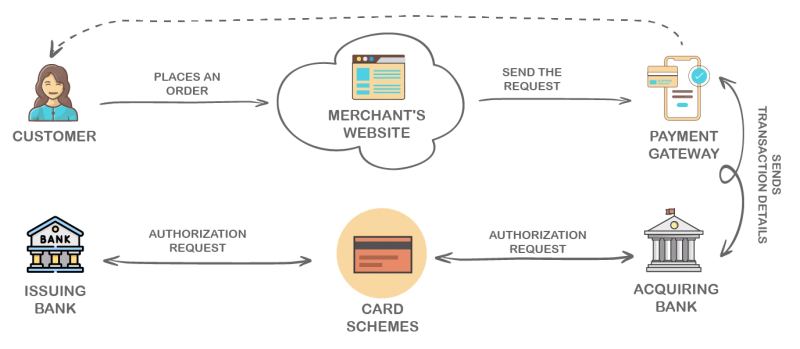
Worldline, ING, and Mastercard say agentic payments have left the lab and entered production commerce
The June 2, 2026 Worldline, ING, and Mastercard production transaction matters because it turns agentic payments from a conference idea into a live European payments workflow spanning merchant acceptance, authentication, acquiring, and issuer processing.
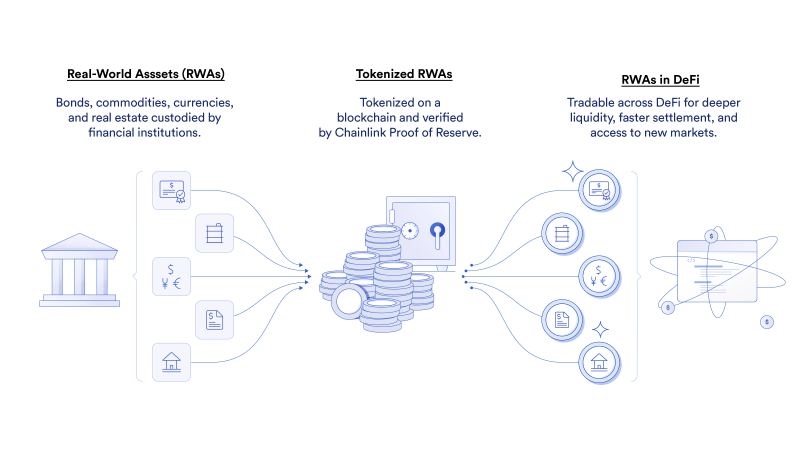
Visa's expanded stablecoin settlement pilot says crypto's next phase is network plumbing, not retail spectacle
Visa's April 29, 2026 multichain settlement expansion still matters this week because it shows stablecoins moving deeper into issuer-acquirer infrastructure, where crypto becomes a payment rail decision instead of a consumer novelty story.
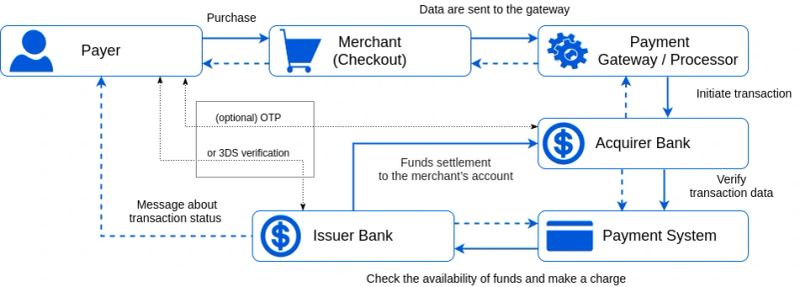
Mastercard's settlement update says fintech competition is shifting toward liquidity timing and programmable money movement
Mastercard's June 3, 2026 settlement expansion matters because the next payments battle is less about adding another front-end payment method and more about giving issuers and acquirers new ways to settle around time, liquidity, and on-chain options.
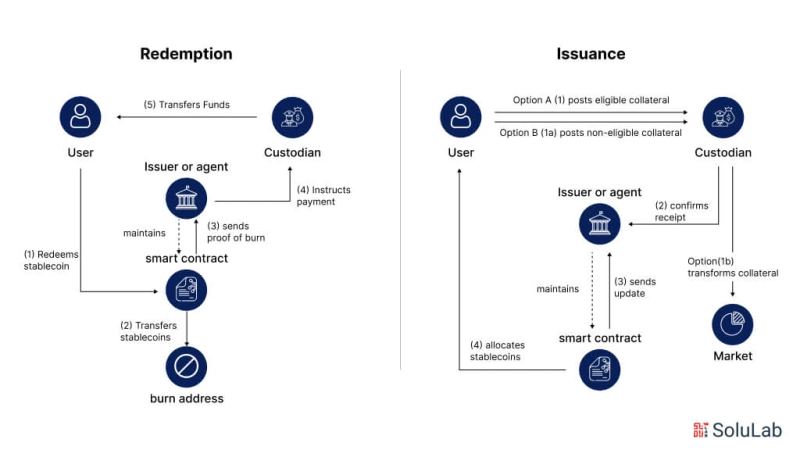
Coinbase and Checkout.com say stablecoins are moving from crypto edge cases into merchant checkout infrastructure
Coinbase's June 2, 2026 Checkout.com partnership matters because it brings stablecoin acceptance into an existing enterprise payments stack instead of asking merchants to bolt on a separate crypto workflow.

Worldline and ING's production agentic payment says fintech has entered the trust-and-control phase of AI commerce
Worldline and ING's June 2, 2026 production transaction matters because fintech is no longer asking whether AI can initiate purchases, but whether banks can govern those purchases safely at scale.
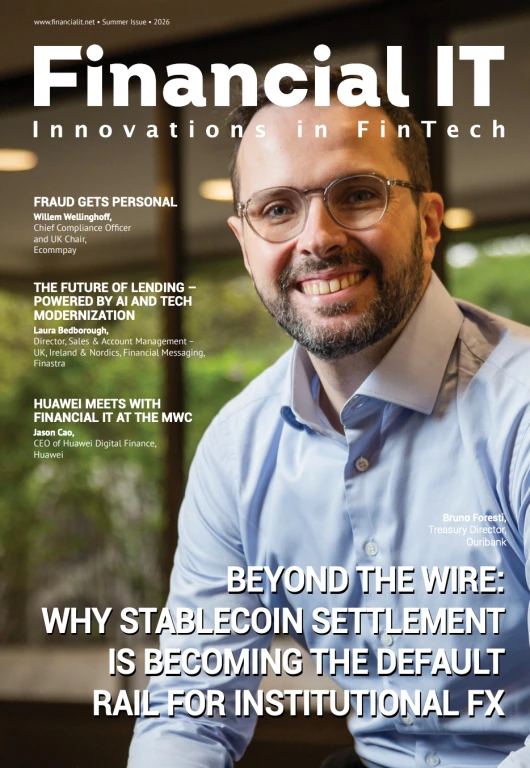
Worldline and ING's live agentic payment says fintech now has to govern AI buyers, not just human ones
Worldline and ING's June 2, 2026 production transaction with Mastercard matters because it pushes agentic payments out of theory and into live European fintech operations.
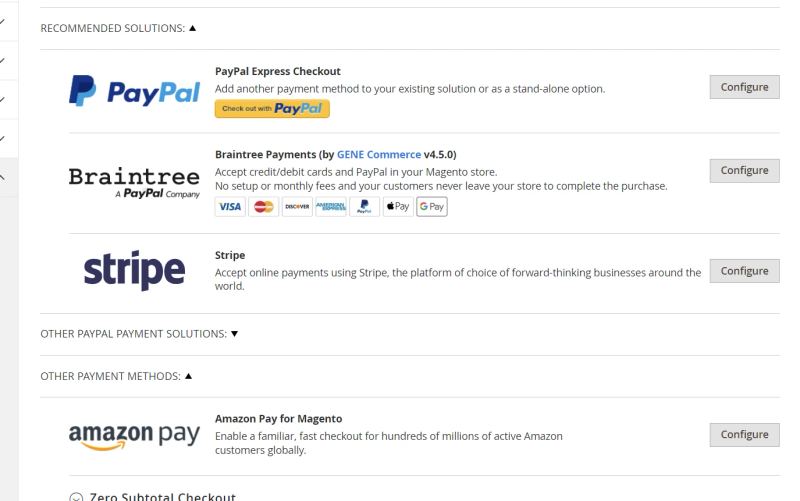
Stripe's AgentCore payments tie-up says fintech is being rebuilt for machine customers, not only human checkouts
Stripe's May 7, 2026 AgentCore payments partnership with AWS matters because it turns wallet authentication, payment execution, and spending controls into infrastructure for autonomous software agents.
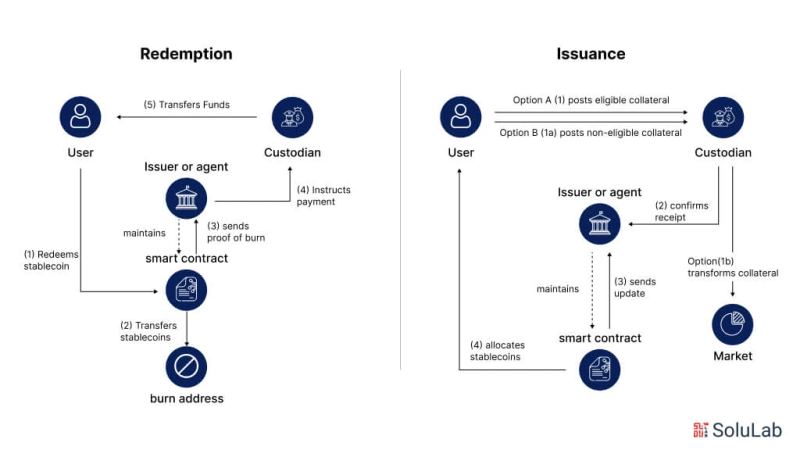
Visa's Tempo validator move says stablecoin payments are becoming infrastructure work, not just pilot marketing
Visa's April 14, 2026 Tempo validator launch matters because it shows a card-network incumbent moving from observing blockchain payment rails to directly operating the consensus layer.
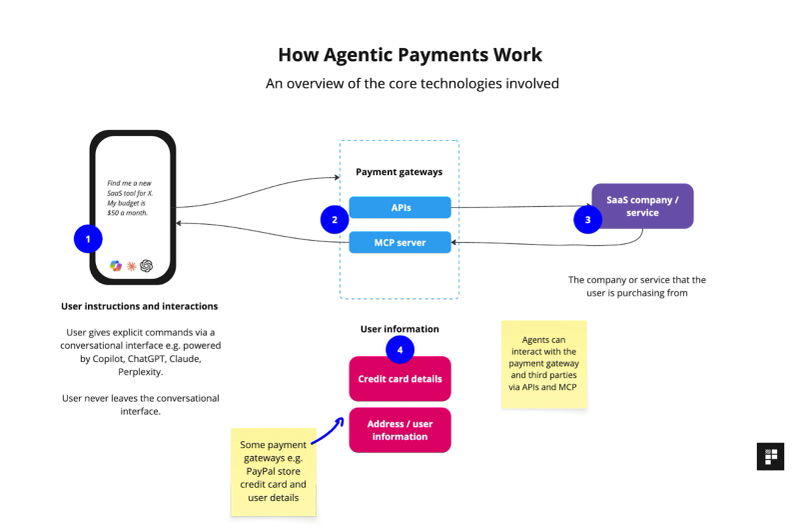
Mastercard's agentic commerce push says the next fintech moat is trust infrastructure, not checkout novelty
Mastercard is trying to make AI-driven shopping usable at scale by turning consent, verification, and merchant tooling into platform services.

MoneyGram's Tempo validator deal says stablecoins are moving from crypto access points into remittance infrastructure
MoneyGram's new Tempo role pushes stablecoins deeper into the operational core of cross-border payments instead of leaving them at the user-facing edge.

Plaid's Effects 2026 launch says fintech AI is becoming a financial intelligence layer, not a loose bundle of point features
Plaid's May 21, 2026 Effects announcements matter because they reposition fintech AI around foundation models, analytics, and institutional signal layers that sit behind fraud, credit, payments, and money-management decisions.

Circle's Agent Stack says crypto is trying to become financial infrastructure for autonomous software, not just a settlement rail for humans
Circle's May 11, 2026 Agent Stack launch matters because it pushes stablecoin infrastructure beyond merchant checkout and toward permissioned agent wallets, programmable payments, and machine-native financial operations.

Coinbase and PPRO say stablecoin payments are moving from crypto checkout novelty to merchant plumbing
The late-May 2026 Coinbase and PPRO partnership matters because it pushes stablecoin payments toward ordinary merchant acceptance flows, where settlement utility matters more than crypto branding.
Plaid Guaranteed Payments says ACH scale is becoming a risk-model product, not just a bank rail
Plaid's May 19, 2026 Guaranteed Payments launch matters because it turns low-cost ACH into a managed approval and liability product instead of leaving merchants to absorb settlement uncertainty alone.
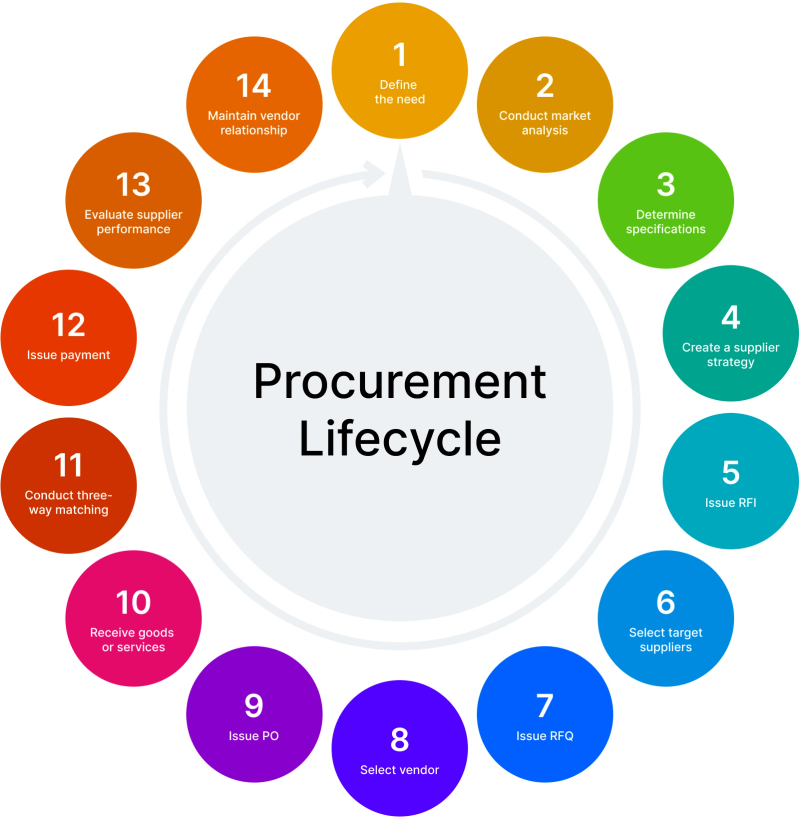
Perennial's $500 million contract says drone defense is becoming a procurement category, not a lab experiment
Joint Interagency Task Force 401 and Perennial Autonomy disclosed a $500 million counter-UAS contract in May 2026, which matters because it suggests cheap autonomous interceptors are moving from urgent battlefield improvisation into repeatable U.S. defense procurement logic.
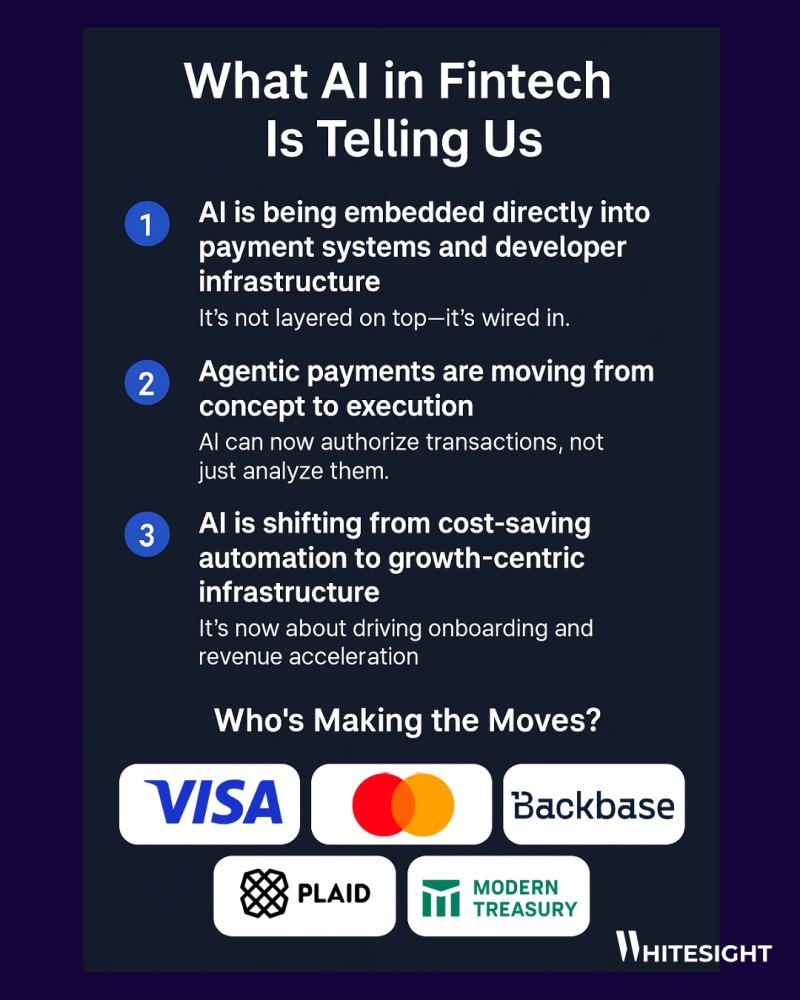
Visa's Agentic Ready expansion says fintech is preparing for AI buyers before consumers demand it
Visa said on April 29, 2026 that it is expanding Agentic Ready across Asia Pacific and Latin America, a move that matters because banks and payment partners are being trained for agent-initiated commerce before the category is fully mainstream.
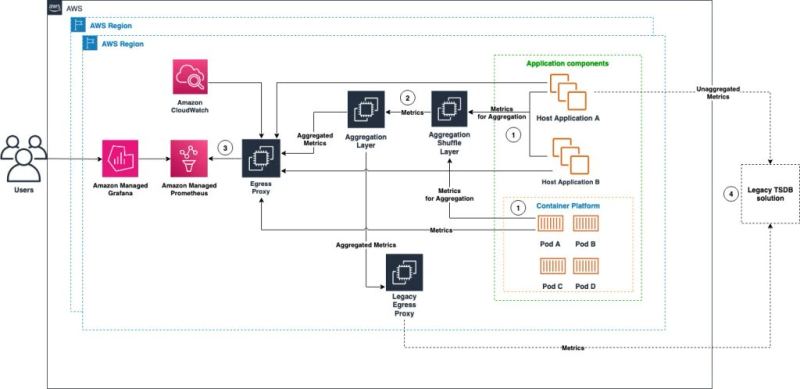
Stripe and AWS are turning agent payments into a programmable infrastructure layer
Stripe's May 7, 2026 partnership with AWS on Amazon Bedrock AgentCore payments matters because it gives AI agents a governed way to pay for APIs, content, and tools, moving machine commerce from demo concept toward production architecture.
Stripe's Sessions launch says fintech platforms are becoming operating systems for AI-era money movement
Stripe's Sessions 2026 rollout matters because it ties agent wallets, streaming payments, Treasury expansion, and digital asset accounts into one programmable financial stack for AI-native businesses.

MoonPay's Headless Onramps say crypto distribution is shifting from branded ramps to invisible checkout control
MoonPay's May 14, 2026 Headless Onramps launch matters because it turns crypto buying into an embedded payments primitive that wallets and apps can own end to end instead of outsourcing the user experience to a branded redirect.
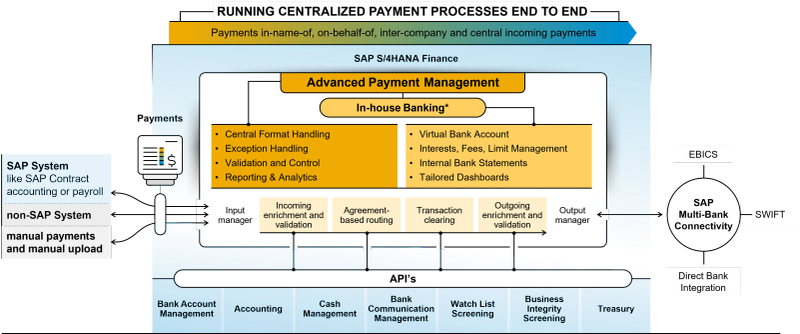
Adyen's SAP deal says enterprise payments are moving inside the software stack, not sitting beside it
Adyen's May 13, 2026 SAP Unified Payment collaboration matters because it pushes payments, reconciliation, and commerce orchestration deeper into ERP-linked software instead of leaving them fragmented across gateways, banks, and finance teams.