OpenAI & ChatGPT.
OpenAI, ChatGPT, GPT models and Sam Altman.
OpenAI's S-1 move says frontier AI is becoming a regulated infrastructure business, not just a model race
OpenAI's June 8 confidential S-1 submission, combined with its new Frontier Governance Framework and fresh enterprise distribution moves, shows the leading AI labs are being pushed toward the disciplines of public-market infrastructure companies.

OpenAI's Ona deal says enterprise AI agents need a secure cloud workspace, not just a smarter model
OpenAI's June 11, 2026 agreement to acquire Ona, paired with its new Oracle distribution path and its June 8 strategy memo, shows the next AI race is shifting from model demos to persistent, governed agent workspaces.

Visa's OpenAI tie-up says fintech is moving from payment APIs to trust layers for autonomous checkout
Visa's June 10 announcements around OpenAI, agent scoring, registries, and intelligent commerce show that the next fintech battleground is not just moving money, but defining the trust, credential, and risk systems that let AI agents buy safely on behalf of users.
OpenAI's Europe transparency push says AI competition now depends on trust infrastructure, not just model scale
OpenAI's June 11 endorsement of the EU transparency code and its late-May election safeguards update show that frontier AI advantage is increasingly being measured through provenance, verification, and policy-grade operating systems rather than raw model quality alone.
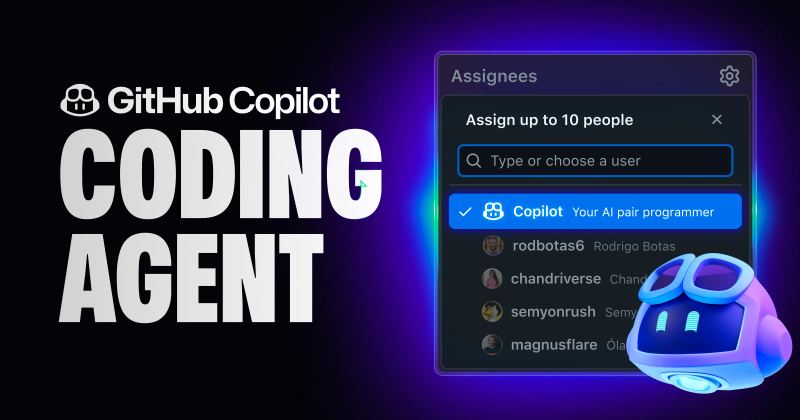
GitHub's new Copilot billing model says coding agents are becoming budgeted infrastructure, not flat-fee perks
GitHub's switch to AI credit billing and its GPT-4.1 deprecation push Copilot toward a model where software teams manage agent usage like cloud spend, with costs, models, and reliability all becoming operational concerns.
OpenAI's Ona deal turns Codex from a smart assistant into an operating layer for long-running agents
OpenAI's planned acquisition of Ona shows the next AI platform fight is moving beyond model quality and into secure, customer-controlled execution for agents that need to keep working after the prompt ends.
OpenAI's AWS rollout says frontier AI adoption is shifting from raw model access to enterprise operating fit
OpenAI is putting frontier models and Codex inside AWS workflows, signaling that the next AI adoption battle will be won on governance, procurement, and production fit rather than benchmark access alone.
OpenAI's latest policy push says frontier AI competition is becoming an institution-building race
OpenAI's June 3, 2026 blueprint for democratic governance matters because it reframes frontier AI advantage around federal safety institutions, evaluation pathways, and deployment credibility rather than raw model bravado alone.
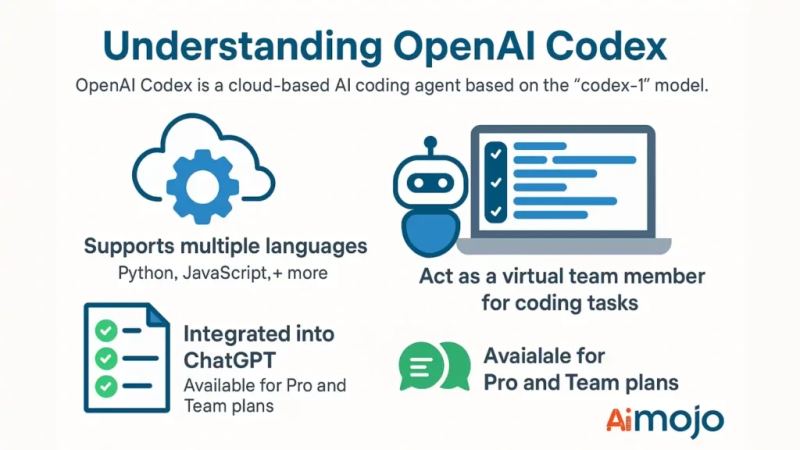
OpenAI's Codex report says the AI race is moving from coding copilots to knowledge-work operating systems
OpenAI's June 2, 2026 Codex report matters because it frames the next AI battleground as workflow ownership across research, analysis, documents, and operations, not just faster code completion.

OpenAI's new ChatGPT memory system says AI usefulness now depends on continuity, not just answers
OpenAI's June 4, 2026 memory rollout matters because it shifts ChatGPT personalization from a few saved notes into a scalable background system that keeps context fresher over long-running work.
OpenAI's AWS launch says enterprise AI is moving from model access to production-path control
OpenAI's June 1, 2026 AWS rollout matters because it shifts the real enterprise AI battle away from raw model availability and toward the security, procurement, and deployment path that decides whether frontier systems can actually go live inside large organizations.
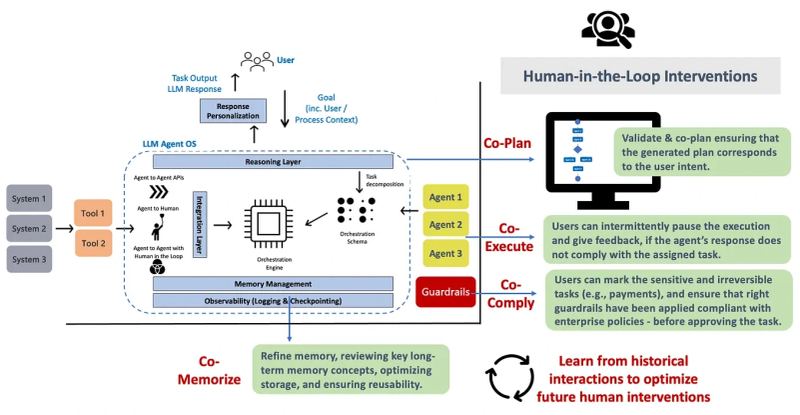
GPT-Rosalind's June update says frontier AI competition is moving toward workflow-native science models, not generic copilots
OpenAI's June 3, 2026 GPT-Rosalind update matters because it reframes life-science AI around full research workflows, trusted deployment, and tool-heavy execution instead of only benchmark-friendly model chat.

OpenAI's active sessions rollout says AI products are starting to compete on account trust, not just model quality
OpenAI's June 2, 2026 active sessions rollout matters because leading AI products are being pushed to act more like mature identity platforms, with users expecting visibility into where their work accounts are live and how to shut them down quickly.
OpenAI's Codex expansion says AI competition is moving from coding copilots to broader workflow ownership
OpenAI's June 2, 2026 Codex updates matter because they reposition AI from a developer-side helper into a cross-functional work surface for analysts, operators, designers, and managers.
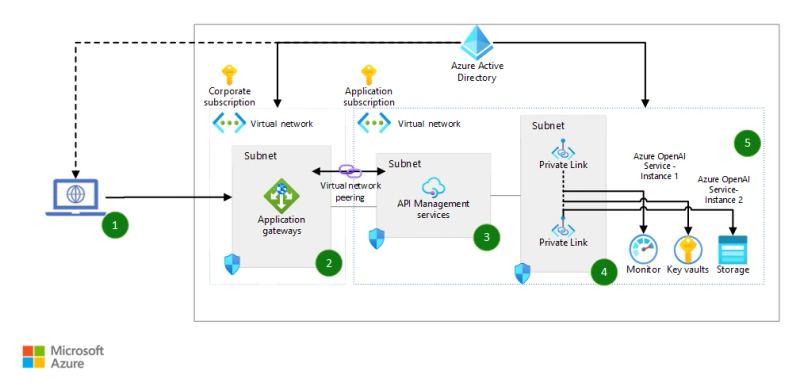
OpenAI's AWS rollout says enterprise AI is shifting from model access to governed deployment lanes
OpenAI's June 1, 2026 AWS expansion matters because it turns frontier models and Codex into products enterprises can buy through existing cloud governance, billing, and compliance paths.
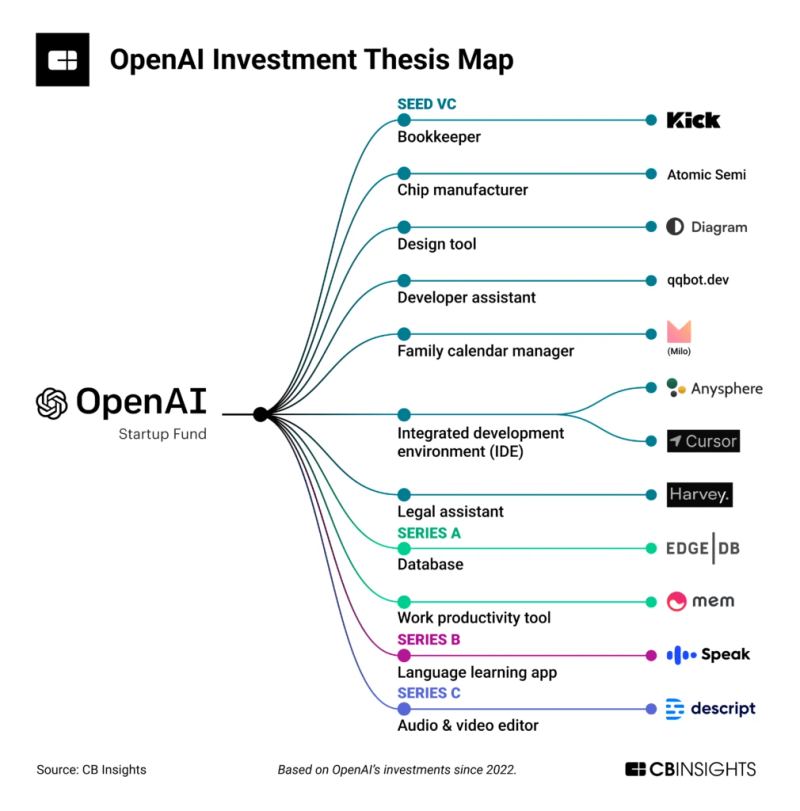
OpenAI's TanStack response says software trust is shifting from package hygiene to ecosystem resilience
OpenAI's May 13, 2026 response to the TanStack npm compromise matters because it treats certificate rotation, user updates, and supply-chain hardening as part of the product surface.

OpenAI's Rosalind Biodefense program says frontier AI is moving into tightly governed public-health defense, not just general research
OpenAI's May 29, 2026 Rosalind Biodefense launch matters because it frames advanced life-science models as controlled defensive infrastructure for outbreak readiness, diagnostics, and countermeasure planning rather than as open-ended consumer AI.
OpenAI's Deployment Company says enterprise AI value is shifting from model access to forward-deployed execution
OpenAI's May 11, 2026 Deployment Company launch matters because it reframes enterprise AI competition around who can embed experts inside customer operations, not just who can rent out the strongest model.

OpenAI's Rosalind Biodefense launch says frontier AI is moving from lab novelty toward defender infrastructure
OpenAI's May 29, 2026 Rosalind Biodefense launch matters because it packages a specialized life-sciences model, trusted-access controls, and government-facing workflows into a defensive operating layer rather than a generic model demo.
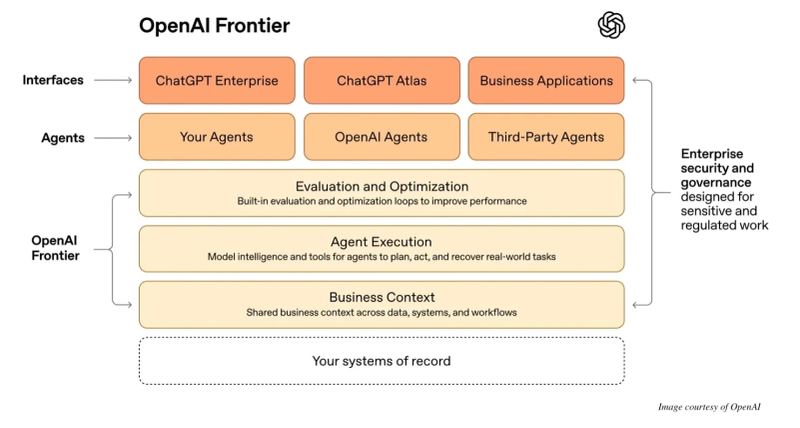
OpenAI's provenance push says frontier AI trust now depends on verifiable media lineage, not watermark promises alone
OpenAI's May 19, 2026 provenance rollout matters because it shifts AI transparency from vague watermark language toward an auditable trust stack built around Content Credentials, SynthID detection, and a public verification flow that platforms, publishers, and users can actually operationalize.
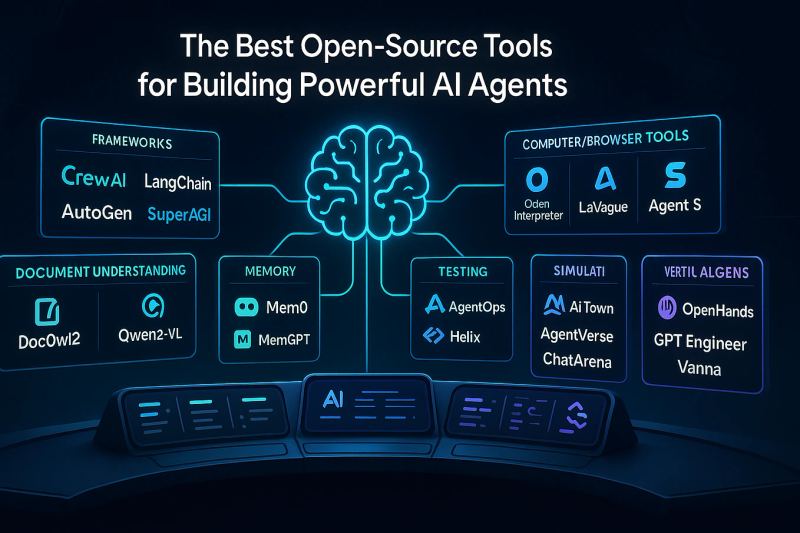
OpenAI and Dell say enterprise AI will be won where coding agents can work next to governed data, not far from it
OpenAI's May 18, 2026 Codex partnership with Dell matters because it shows enterprise AI buyers are shifting from model access questions to deployment-architecture questions about where agents run, what data they can reach, and how securely they can operate across hybrid infrastructure.
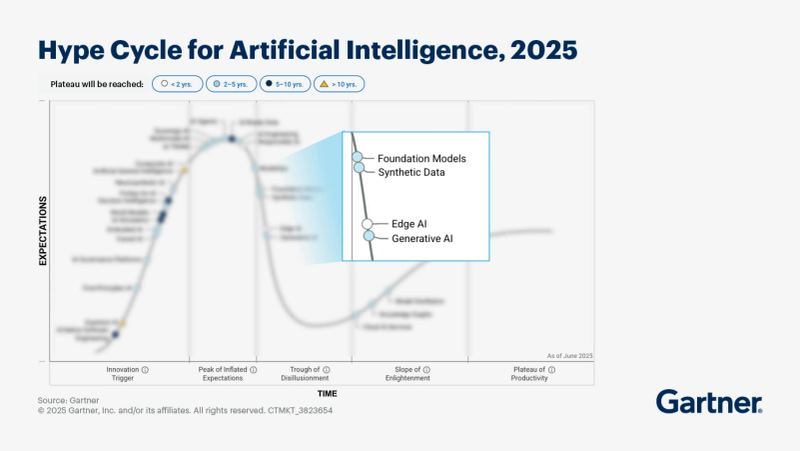
OpenAI's Gartner win says enterprise coding agents are becoming a governed operating layer, not a developer sidecar
OpenAI's May 22, 2026 Gartner recognition matters because it suggests enterprise coding agents are being judged less as autocomplete features and more as governed systems that can operate across the software lifecycle.
GitHub's GPT-5.3-Codex default says enterprise coding platforms now compete on governed longevity, not just raw model novelty
GitHub's May 17, 2026 decision to make GPT-5.3-Codex the base model for Copilot Business and Enterprise matters because software teams now need stable, governable coding-model lifecycles as much as they need better completion quality.

OpenAI and Dell are turning Codex into hybrid enterprise software infrastructure, not just a coding assistant
OpenAI's May 18 Dell partnership matters because it repositions Codex from a helpful tool for developers into software infrastructure that can operate across hybrid and on-prem enterprise environments.