OpenAI & ChatGPT.
OpenAI, ChatGPT, GPT models and Sam Altman.

Visa's OpenAI partnership says the next fintech platform fight is over which payment rails AI agents are allowed to trust
Visa's June 10 OpenAI partnership matters because agentic commerce stops being a concept slide once a global payment network starts binding identity, tokenization, and fraud controls to AI-driven transactions.
OpenAI's GPT-5.6 Sol preview says frontier AI launches are now judged as much by release discipline as by raw model gains
OpenAI's June 26 preview of GPT-5.6 Sol matters because the company is pairing stronger coding, biology, and cybersecurity performance with a staged release, heavier safeguards, and trusted-access rollout logic.

OpenAI's Jalapeno chip turns inference infrastructure into the next real AI battleground
OpenAI and Broadcom's June 24, 2026 Jalapeno launch matters because it shifts the AI race from model quality alone toward custom inference silicon, tighter full-stack optimization, and cheaper large-scale serving.

OpenAI's GPT-5.6 Sol preview says frontier model launches are becoming phased cyber deployments
OpenAI's June 26 GPT-5.6 preview frames the next frontier-model era around phased access, stronger cyber safeguards, and new economics for long-horizon agentic work.
OpenAI and Broadcom's Jalapeño project shows AI hardware is moving from GPU procurement to inference-stack co-design
OpenAI and Broadcom's new Jalapeño accelerator is less about launching one more chip and more about shifting the AI hardware race toward full-stack inference design, performance per watt, and multi-generation deployment planning.
Visa's OpenAI tie-up says agentic commerce will be won by payment networks that can score trust in real time
Visa's June 10 product launch and OpenAI partnership show fintech's next AI battleground is not chat checkout demos, but the network layer that can identify agents, score risk, and authorize programmable payments at global scale.
OpenAI's GPT-5.6 Sol says frontier AI competition is now about long-horizon reasoning that can still be governed
OpenAI's limited preview of GPT-5.6 Sol reframes the AI race around deeper agentic work in coding, science, and cybersecurity, paired with a tighter release model and a more explicit safety stack.
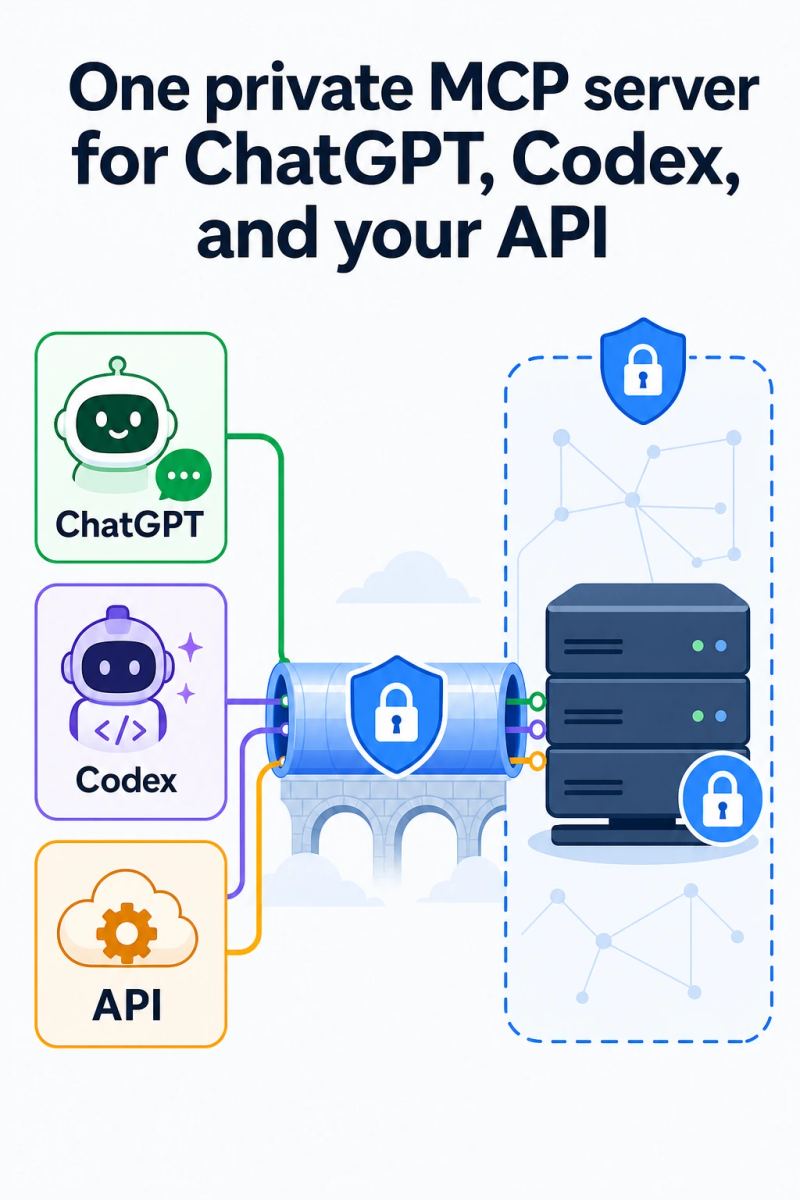
OpenAI's Secure MCP Tunnel turns enterprise agent adoption into a network design problem companies can actually ship
OpenAI's Secure MCP Tunnel is a software infrastructure release, not just a tooling update: it gives private MCP servers an outbound-only bridge into ChatGPT, Codex, and the Responses API without forcing enterprises to expose internal systems to the public internet.
OpenAI's GPT-5.6 Sol preview turns model launches into a governed rollout, not a surprise drop
OpenAI's newest GPT-5.6 preview shows frontier AI vendors treating model release as an operational discipline built around staged access, safety checks, and product readiness.

OpenAI and Broadcom's Jalapeno chip says inference economics are becoming product strategy
OpenAI and Broadcom's June 24 Jalapeno announcement shows that AI hardware competition is no longer just about training scale; it is increasingly about custom inference economics, reliability, and control over the serving stack.
OpenAI's Partner Network says enterprise AI winners will scale deployment ecosystems, not just frontier models
OpenAI's new partner program suggests the next AI advantage in large companies will come from deployment capacity, workflow redesign, and systems integration, not only from access to better models.
OpenAI's Jalapeno chip says frontier AI competition is moving into inference architecture, not model weights alone
OpenAI and Broadcom's June 24 Jalapeno announcement suggests the next decisive AI moat will come from controlling inference hardware and serving efficiency, not only training bigger models.
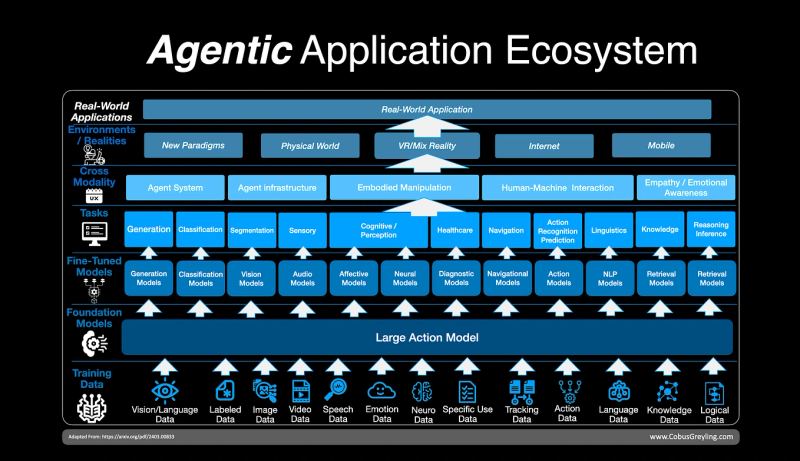
Visa's June launches say fintech's next moat is becoming the trust layer for agentic commerce
Visa's June 2026 OpenAI partnership and programmable commerce releases show payment networks trying to own the credentialing, scoring, and stablecoin logic needed when software agents become active buyers.
OpenAI's Daybreak launch says frontier AI is becoming patch infrastructure, not just vulnerability radar
OpenAI's June 22 Daybreak expansion shows the next valuable AI security layer is not finding more flaws, but helping defenders validate, patch, and deploy fixes faster than attackers can move.
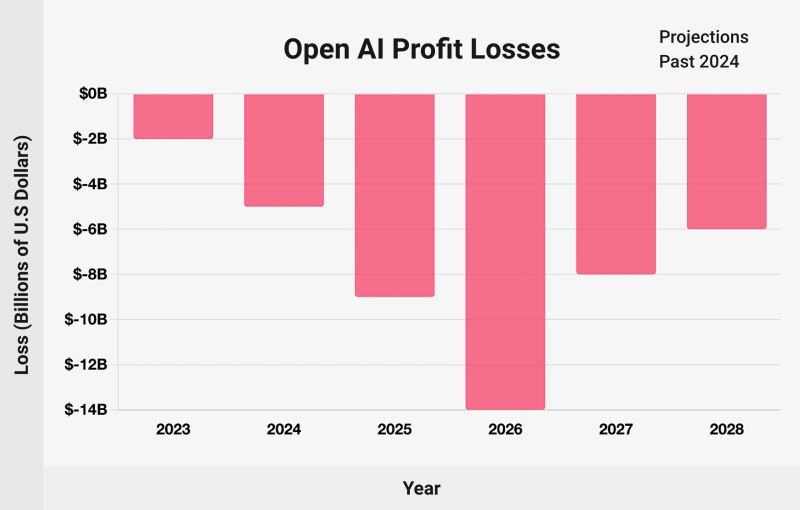
OpenAI's new spend controls say enterprise AI is entering its cost-accountability era
OpenAI's June 18 rollout of credit analytics and spend controls for ChatGPT Enterprise shows the next enterprise AI battle is shifting from raw adoption toward governed, measurable usage.

Samsung's ChatGPT and Codex rollout says enterprise AI is becoming core operating infrastructure, not a pilot project
OpenAI's June 21 deployment at Samsung Electronics signals that the enterprise AI race is shifting from narrow tool trials toward company-wide operating systems that span software, manufacturing, and knowledge work.
OpenAI's latest health push says frontier AI is becoming a mass-market care interface, not just a chatbot feature
OpenAI's June 18, 2026 health updates suggest the next AI battleground is not only raw model intelligence but whether millions of people can safely use that intelligence as a first-stop interface for everyday care questions and rare-disease discovery.
OpenAI's Partner Network and new spend controls say enterprise AI is becoming a governed delivery business, not just a model race
OpenAI's June 14, 2026 Partner Network launch and its June 18 enterprise spend-control update show that frontier AI vendors now need distribution, deployment governance, and operational visibility to win serious enterprise adoption.
OpenAI's health intelligence push says general-purpose AI is moving closer to a care interface, not just a search box
OpenAI's June 18, 2026 health updates show a two-track strategy: make ChatGPT more useful for everyday health questions while proving frontier models can assist physicians on harder cases. Together, that suggests the next AI healthcare battle will be fought at the interface between consumer guidance, clinical workflow, and trust.
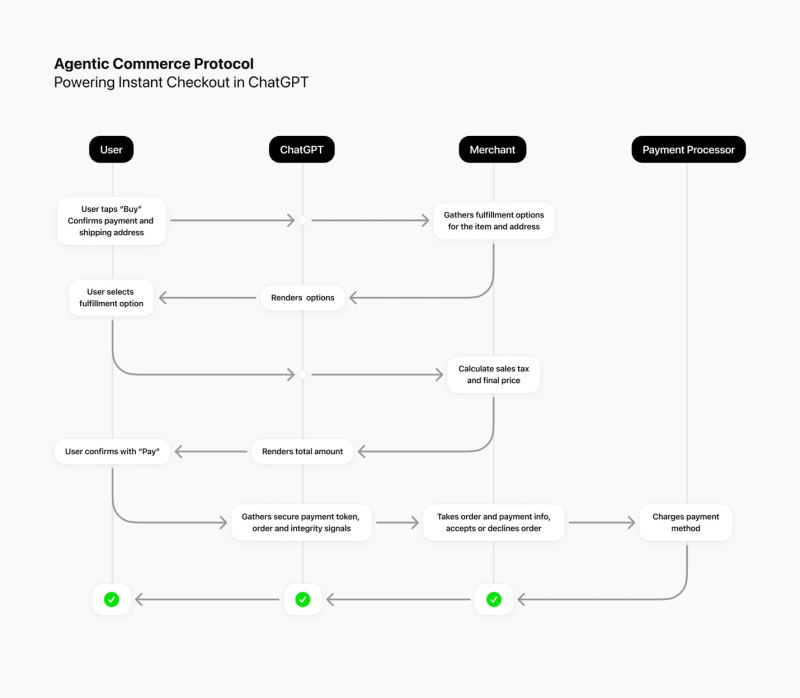
Visa's OpenAI partnership says agentic commerce will be won by payment networks that can verify and constrain AI, not just process cards
Visa's June 10, 2026 OpenAI partnership and Intelligent Commerce rollout argue that the next payments race is about giving AI agents trusted ways to discover, authorize, and complete transactions under real controls, not simply bolting chat onto checkout.

OpenAI's rare-disease reanalysis result says the next serious healthcare AI win is not first-pass diagnosis, but scaling expert re-review of hard unsolved cases
OpenAI's June 18, 2026 rare-disease study with Boston Children's and NEJM AI suggests frontier reasoning models may create the most immediate clinical value by helping experts reopen old genomic dead ends at scale.

OpenAI's AI chemist result says frontier models are starting to matter when science becomes a closed-loop workflow, not just a literature shortcut
OpenAI's June 17, 2026 medicinal-chemistry result with Molecule.one suggests the next serious AI benchmark is not a cleaner test score, but whether a model can move from literature review to validated experimental improvement inside a real lab loop.
OpenAI's deployment simulation push says the next AI race is about realistic safety forecasting, not cleaner benchmark theater
OpenAI's June 16 deployment-simulation research suggests frontier labs now need production-like safety forecasting that can predict real behavior before release, especially as agentic systems get harder to evaluate with static tests.
OpenAI's new Academy courses say the next AI race is practical workforce execution, not prompt tourism
OpenAI's June 12 Academy launch reframes the commercial AI battle around repeatable workplace skills, shared operating habits, and agent workflow design instead of one-off experimentation.