OpenAI & ChatGPT.
OpenAI, ChatGPT, GPT models and Sam Altman.
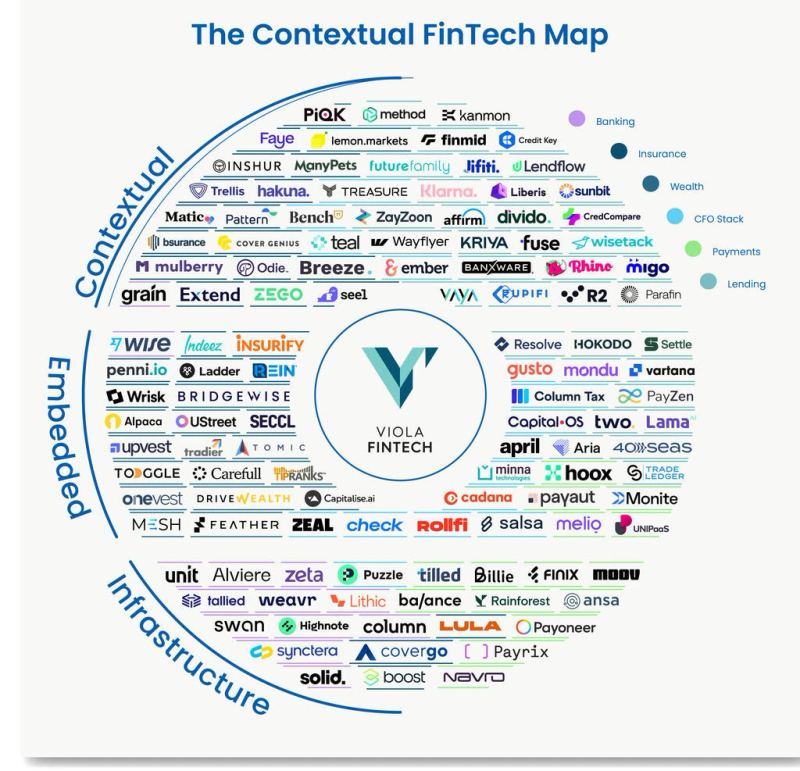
ChatGPT's new finance experience suggests the next fintech battle is over contextual money interfaces, not standalone budgeting apps
OpenAI's May 15 personal finance preview, powered by Plaid, matters because it turns account-linked financial guidance into a conversational layer that can sit above the rest of the fintech stack.
OpenAI's provenance stack says the next AI trust battle will be won in verification layers, not disclaimers
OpenAI's May 19 provenance push matters because it treats trust in generative AI as an infrastructure problem built on standards, watermarking, and public verification instead of a simple label on output.
OpenAI's Deployment Company says the next AI race will be won inside real operating workflows, not in demo apps
OpenAI's May 11 launch of the OpenAI Deployment Company matters because it turns Forward Deployed Engineers, workflow redesign, and hands-on enterprise integration into a productized part of the AI platform battle.
OpenAI and Dell are turning enterprise AI agents into governed on-prem infrastructure
OpenAI's Dell partnership matters because it pushes enterprise AI away from standalone copilots and toward governed agents that can work where enterprise data, systems, and controls already live.
OpenAI's FedRAMP milestone turns frontier AI into a procurement-ready government platform
OpenAI's FedRAMP Moderate authorization matters less as a compliance trophy and more as proof that frontier AI is crossing into the procurement, governance, and mission systems of U.S. government agencies.
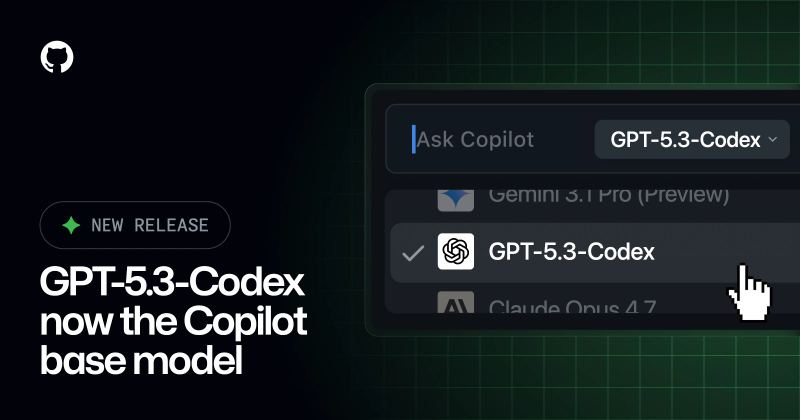
GitHub's Codex switch makes enterprise AI coding about stability as much as capability
GitHub making GPT-5.3-Codex the base model for Copilot Business and Enterprise shows AI coding platforms maturing around long-term support, review cycles, and predictable enterprise operations.
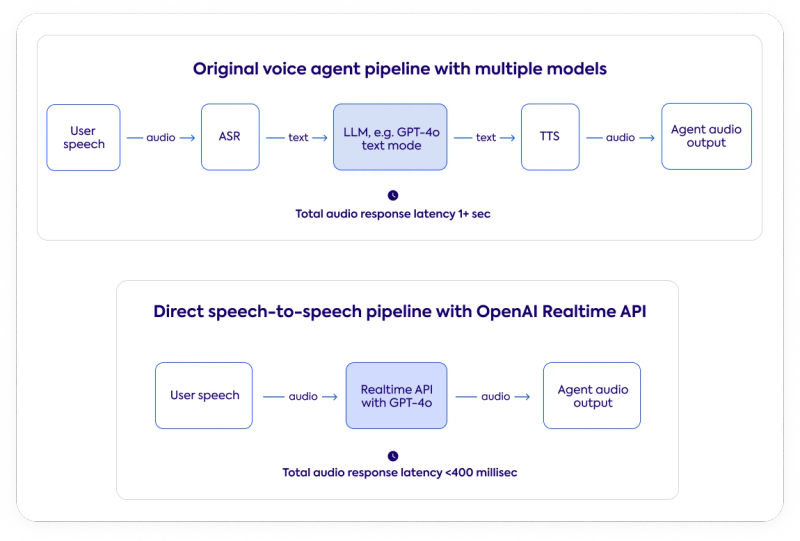
OpenAI's new realtime voice stack turns speech interfaces into software that can actually complete work
OpenAI's May 7, 2026 realtime audio launch pushes voice AI beyond transcription and chat toward persistent, tool-using software that can reason, translate, and act while people keep talking.
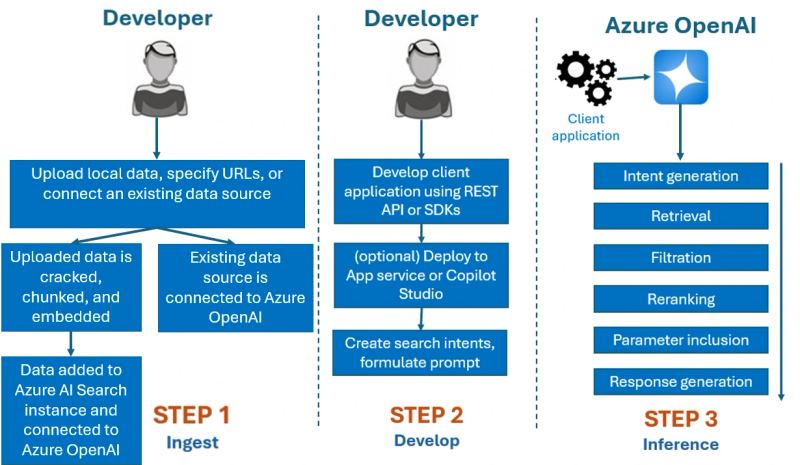
OpenAI's Deployment Company turns enterprise AI from a software sale into an operating-model battle
OpenAI's May 11, 2026 launch of the OpenAI Deployment Company reframes enterprise AI around forward-deployed implementation, workflow redesign, and durable operating change.
ChatGPT turns into an infrastructure signal
ChatGPT turns into an infrastructure signal is the strongest AI signal from the current research batch, backed by verified sources and framed around what changes next.
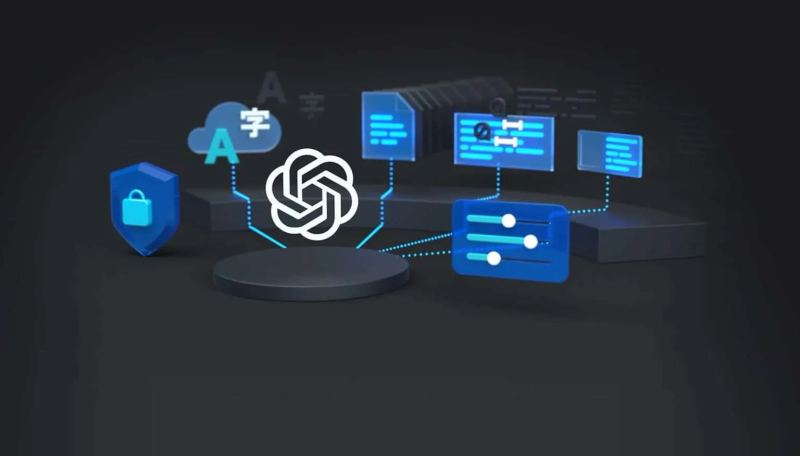
OpenAI's Daybreak launch turns frontier models into a managed operating surface for defenders, not just red teams
OpenAI's May 12 Daybreak release packages GPT-5.5-class cyber models, trusted-access controls, and operator workflows into a security product aimed at SOC teams that need faster analysis without exposing frontier capabilities as a free-for-all.
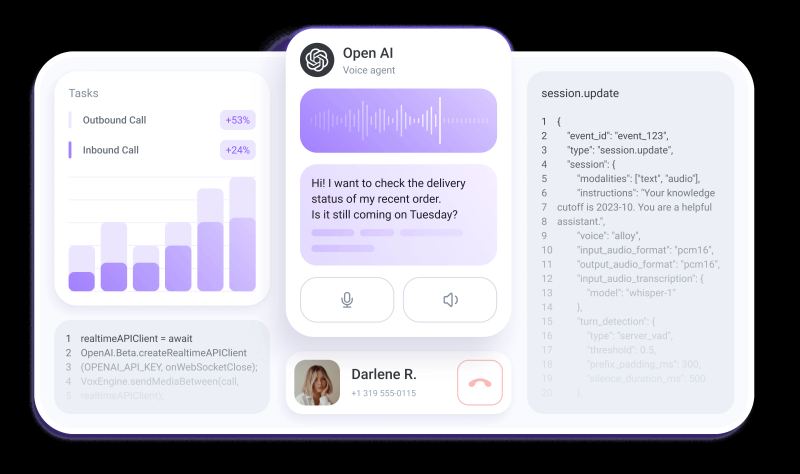
OpenAI's new realtime voice stack pushes voice agents from demo mode toward production systems
OpenAI's May 7 voice release adds GPT-Realtime-2, live translation, and streaming transcription, turning the Realtime API into a more serious platform for multilingual customer service, travel, and tool-using voice agents.
OpenAI's Deployment Company turns enterprise AI from software sale into operating model
OpenAI's new Deployment Company adds more than $4 billion of backing, a Tomoro acquisition, and embedded forward deployed engineers to push enterprise AI adoption beyond pilots and into day-to-day operations.
GPT-5.5 Instant becoming ChatGPT's default model says the next AI battleground is dependable everyday use, not just frontier demos
OpenAI's May 5, 2026 rollout of GPT-5.5 Instant as ChatGPT's default model shows where consumer AI competition is moving: toward better factuality, tighter answers, lower-latency personalization, and mass-market reliability instead of one-off benchmark theater.
OpenAI's new realtime voice stack turns speech from a UX trick into an enterprise operating layer
OpenAI's May 7, 2026 release of GPT-Realtime-2, GPT-Realtime-Translate, and GPT-Realtime-Whisper pushes voice AI beyond low-latency demos into live reasoning, translation, and transcription workflows that enterprises can actually wire into products.

Uber and OpenAI turn marketplace complexity into a driver copilot and voice booking stack
Uber disclosed on May 6, 2026 that it is using OpenAI models to power driver guidance, rider voice booking, and internal AI governance layers. The move matters because it shows frontier AI shifting from demo chatbots into real-time marketplace operations with safety, latency, and trust constraints.
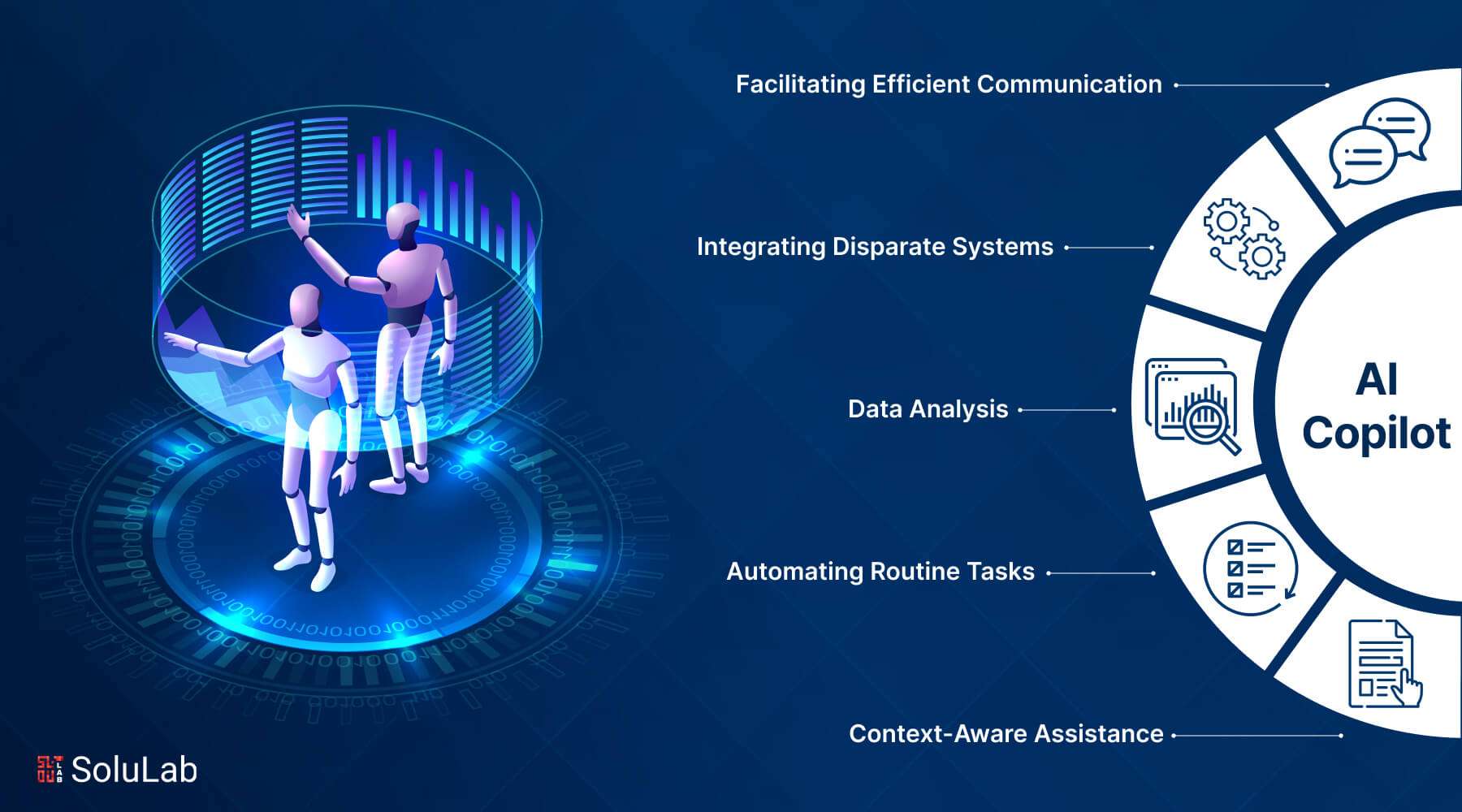
OpenAI and PwC's new CFO push says agentic AI is moving from copilots into finance operations
OpenAI's May 4 collaboration with PwC and PwC's May 5 expansion notes point to a more consequential enterprise AI shift than another generic assistant rollout. The real signal is that finance, one of the most controlled and judgment-heavy functions inside large companies, is being used as a proving ground for human-governed agentic workflows across procurement, treasury, reporting, tax, and the close.

OpenAI's Microsoft rewrite turns frontier AI into a multi-cloud market
OpenAI's late-April rewrite of its Microsoft relationship matters less as partnership drama than as market structure. By converting exclusivity into first-refusal economics, OpenAI widened its infrastructure options, protected Stargate-scale expansion, and signaled that frontier AI capacity is now too large to sit inside a single-cloud dependency.

OpenAI's new security tier shows AI accounts are becoming critical infrastructure identities
OpenAI's April 30 launch of Advanced Account Security is a small product change with a larger implication: frontier AI accounts are no longer casual logins. They are becoming high-value operational identities that can expose code, business context, and security-sensitive workflows if they are taken over.
OpenAI's new compute push shows the AI race is turning into an infrastructure contest
OpenAI's April 29 infrastructure update and Microsoft's April 27 partnership reset point to the same strategic reality: frontier AI competition is no longer just about better models, but about who can finance, secure, and operate compute at multi-gigawatt scale.

Big Tech's $700 billion AI spend is becoming a cloud revenue sorting machine
Alphabet's April 30 cloud breakout, Amazon's AWS results, and OpenAI's new Stargate update all point to the same shift: AI competition is no longer about demos alone, but about who can turn compute into durable revenue fastest.

GPT-5.5 turns the AI race toward agents and compute economics
The next frontier-model competition is less about a single benchmark and more about agent reliability, tool use, memory, latency, and the cost of running useful work.