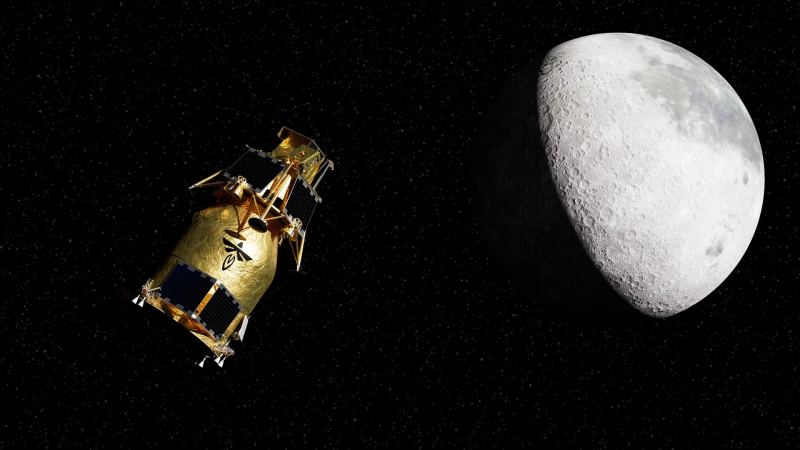
Firefly's decision to run NVIDIA Jetson in lunar orbit shows robotics and autonomous systems are moving toward a new frontier where sensing, inference and mission decisions happen at the edge instead of waiting on distant links and human review
NVIDIA says Firefly will use Jetson for Ocula moon-imaging inference in lunar orbit, while Firefly frames the service as part of a broader orbital data platform tied to Blue Ghost Mission 2 and future lunar mapping operations.
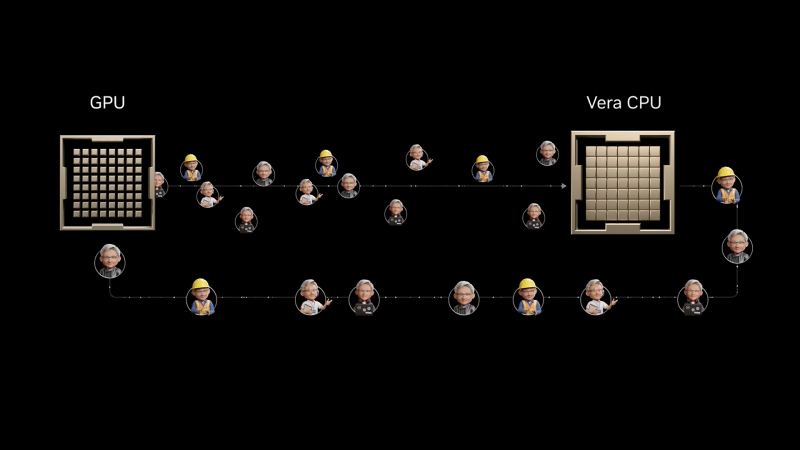
NVIDIA's Vera messaging shows the hardware race is shifting from raw accelerator bragging rights toward the less glamorous but more decisive question of how much CPU orchestration agentic AI systems need at scale
NVIDIA says new AI systems need a new class of maximum single-threaded CPUs at scale, while the broader Vera Rubin platform is entering full production for agentic AI factories.
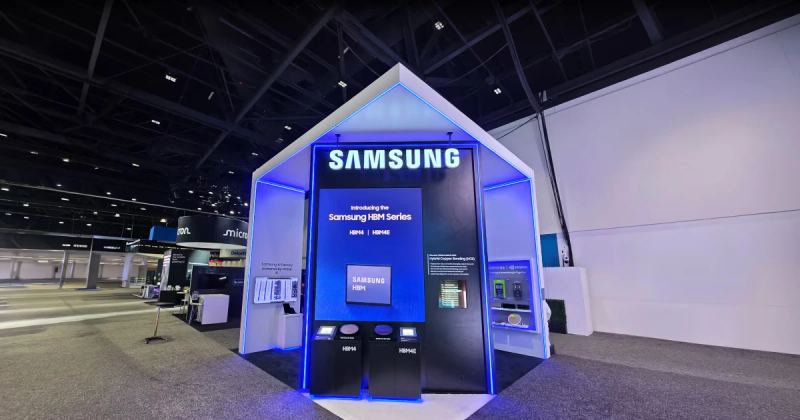
Samsung's HBM4E reveal makes clear that AI hardware competition is becoming a memory-and-packaging race, not just a GPU race
Samsung's latest HBM4 and HBM4E showcase matters because it ties next-generation AI system performance to memory bandwidth, thermals and stacking technology built around NVIDIA's Vera Rubin era.
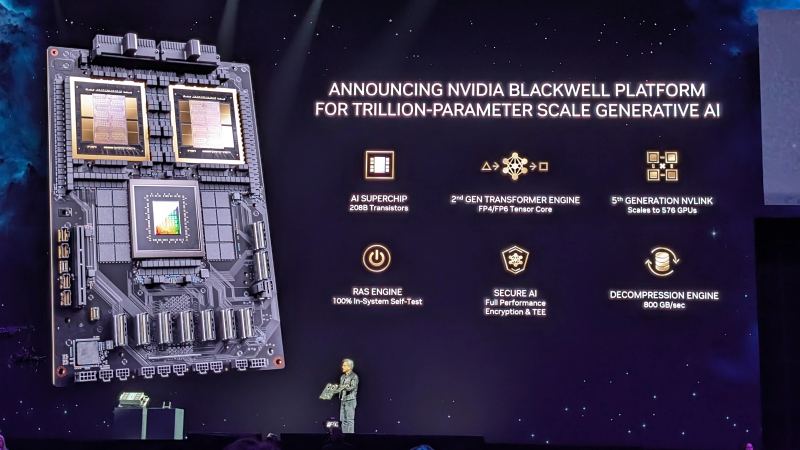
NVIDIA's new AI-factory financing model says the hardware race is shifting from chip supply to monetized capacity partnerships
NVIDIA's July 1 revenue-sharing and credit-support model for AI clouds matters because it turns accelerated compute into a financing product as well as a hardware sale, showing that the next infrastructure bottleneck is not only manufacturing more chips but funding and activating enough token-generating capacity quickly.
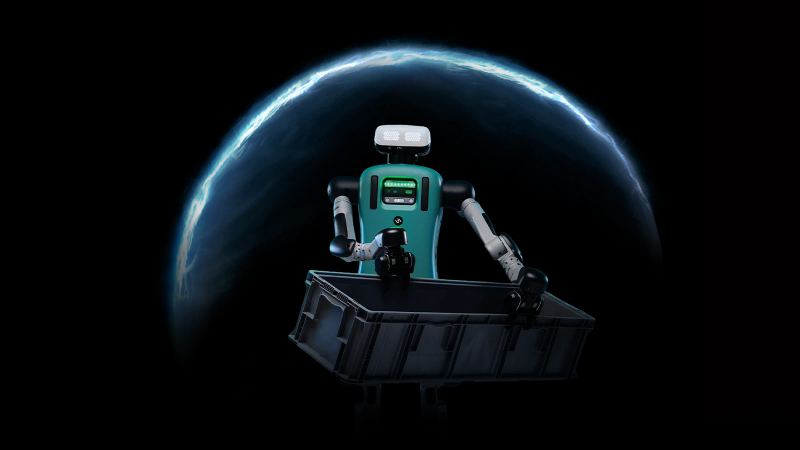
NVIDIA's Halos for Robotics says physical AI will be won by safety architecture, not demo charisma
NVIDIA's new Halos for Robotics stack matters because it treats safety as a full-stack systems problem across compute, sensors, software, inspection, and certification rather than as a late-stage compliance add-on for humanoids and industrial robots.
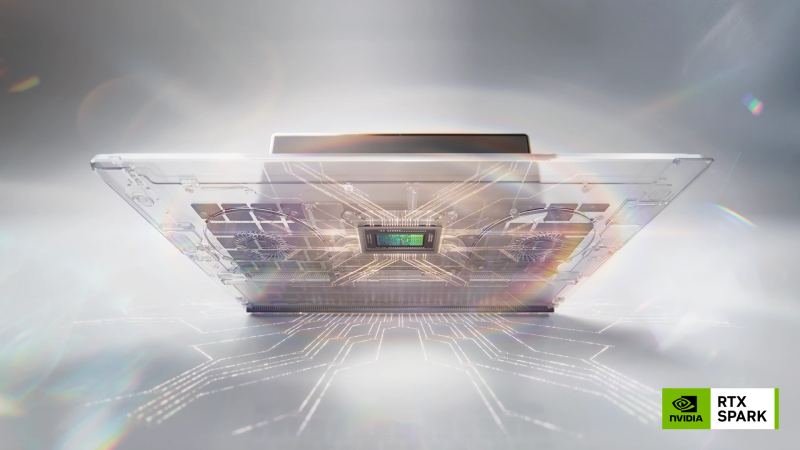
NVIDIA's RTX Spark push says the AI PC race is shifting from cloud copilots to agent-native local compute
NVIDIA's RTX Spark strategy matters because it reframes the next PC cycle around on-device agents, large local models, and unified memory rather than around thin client access to cloud AI, pushing hardware back into the center of the personal AI story.
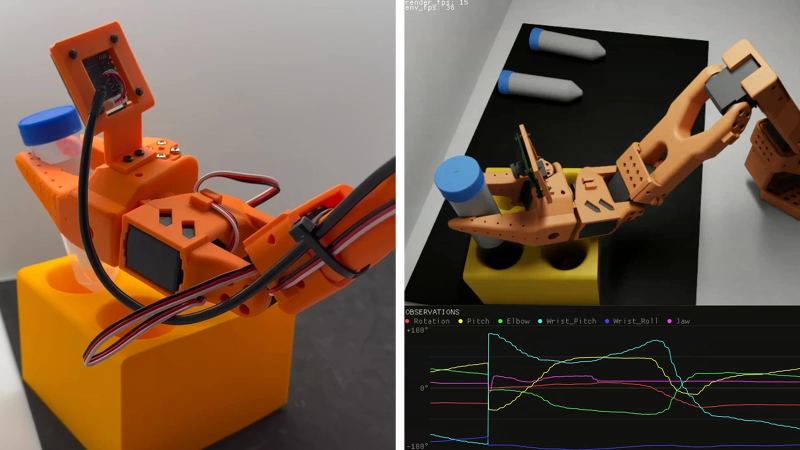
NVIDIA's LeRobot push shows robotics is racing toward open training pipelines, not just closed humanoid demos
NVIDIA's latest Hugging Face partnership matters because it turns physical-AI development into a more open workflow for datasets, teleoperation, training, and evaluation, which could reshape who gets to build useful robotics systems at speed.
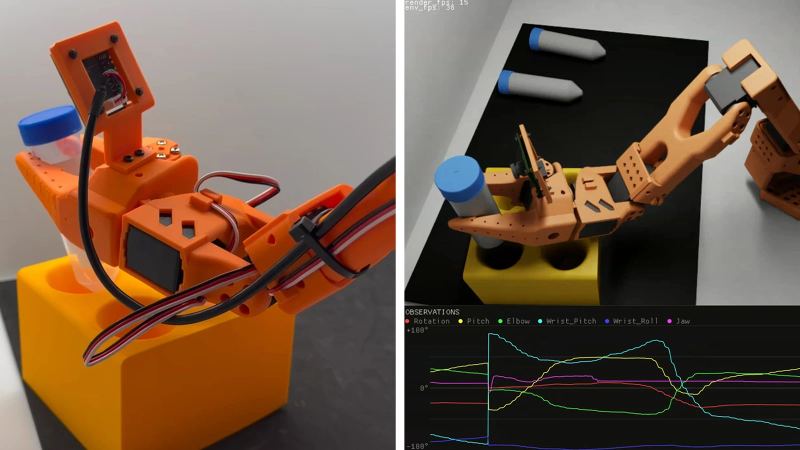
NVIDIA and Hugging Face are trying to make open robotics move at open-source software speed
The latest LeRobot integrations matter because they bring NVIDIA's GR00T and Isaac tooling into a more open robotics workflow, narrowing one of the biggest gaps in physical AI: shared models may be moving fast, but shared robot development has still been expensive and fragmented.
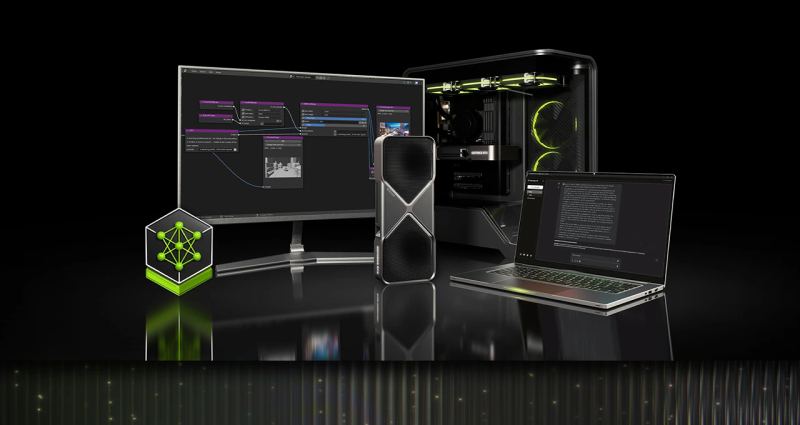
NVIDIA and Microsoft are turning AI hardware into a local agent workstation category with RTX Spark
The RTX Spark and Surface RTX Spark Dev Box launches matter because they reposition AI PCs from light inference gadgets into developer-grade machines meant to keep more models, data, and agent workflows on the desk instead of in the cloud.
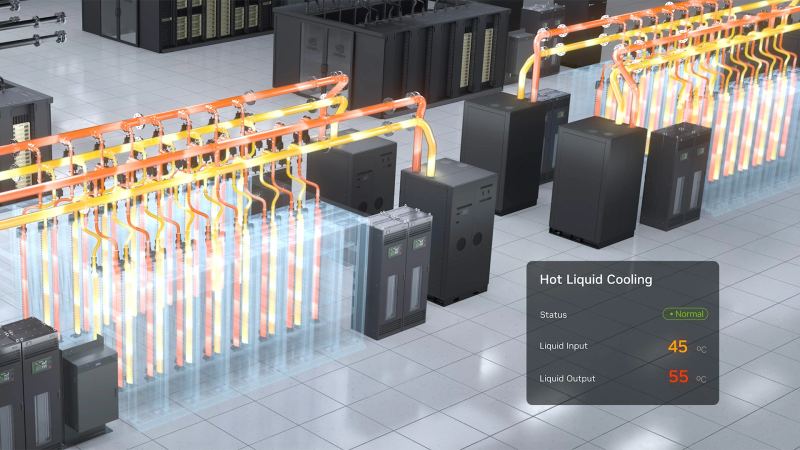
NVIDIA's 45C liquid-cooling design says the next hardware bottleneck in AI factories is facility thermodynamics, not just chip supply
NVIDIA's June 20 cooling update matters because Rubin-era AI systems are being sold with a full thermal architecture story, making facility design part of the hardware competition.
NVIDIA is trying to finance the AI factory era, not just sell chips into it
NVIDIA's latest infrastructure push pairs accelerated computing with revenue-sharing and credit-support models, suggesting the next hardware race is as much about financial architecture as silicon shipments.
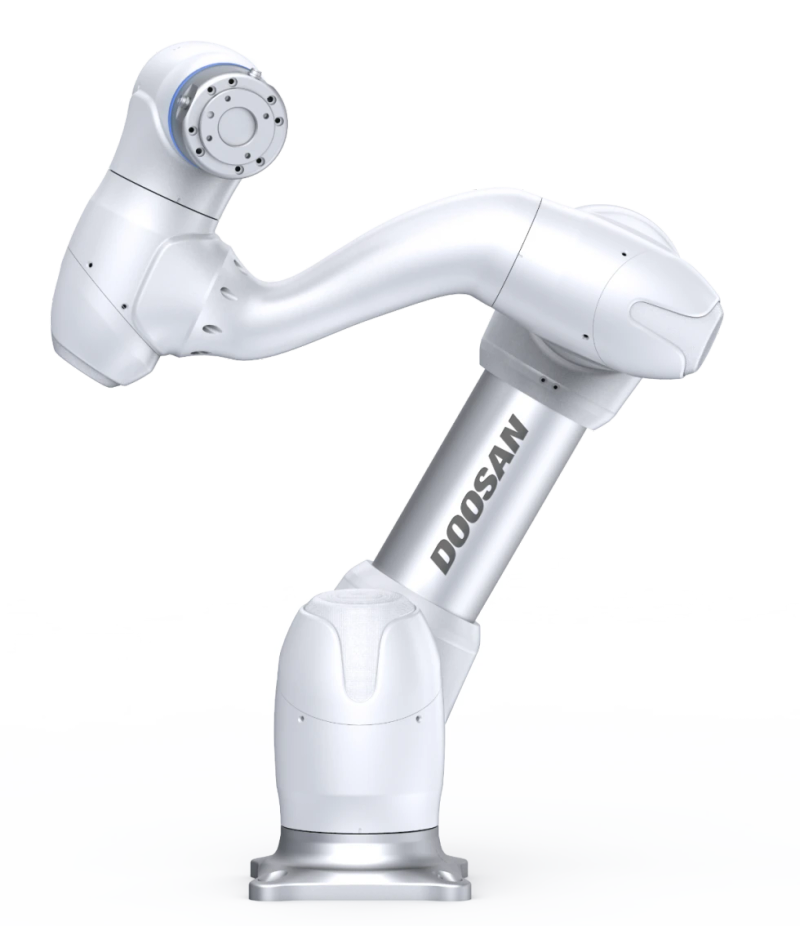
Doosan wants its robots to graduate from programmable arms into AI-first industrial workers, and NVIDIA is supplying the nervous system
Doosan's June 7 expansion with NVIDIA matters because it combines Isaac Sim, Isaac Lab, Cosmos, Newton, and Jetson Thor inside an Agentic Robot OS aimed at making industrial robots more adaptive, mobile, and economically scalable.
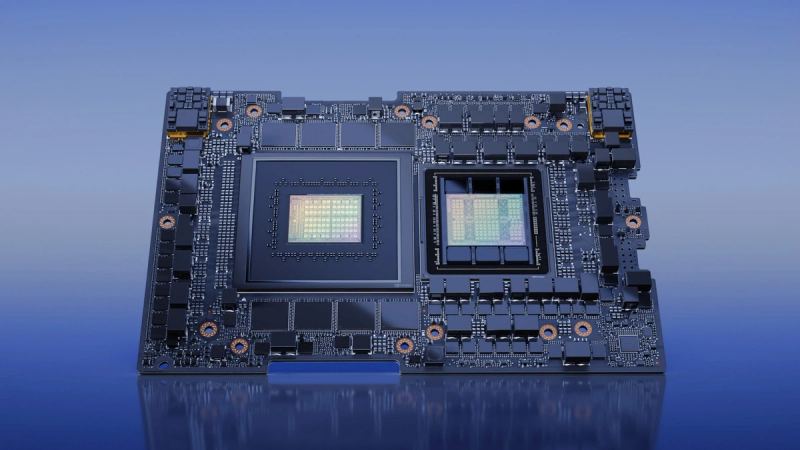
NVIDIA is no longer just selling chips, it is underwriting the next wave of AI factories with cloud-style economics
NVIDIA's July 1 AI-factory finance model matters because it uses revenue sharing and credit support to get GB300 and DSX capacity deployed faster for inference-heavy customers that cannot wait for traditional infrastructure build cycles.
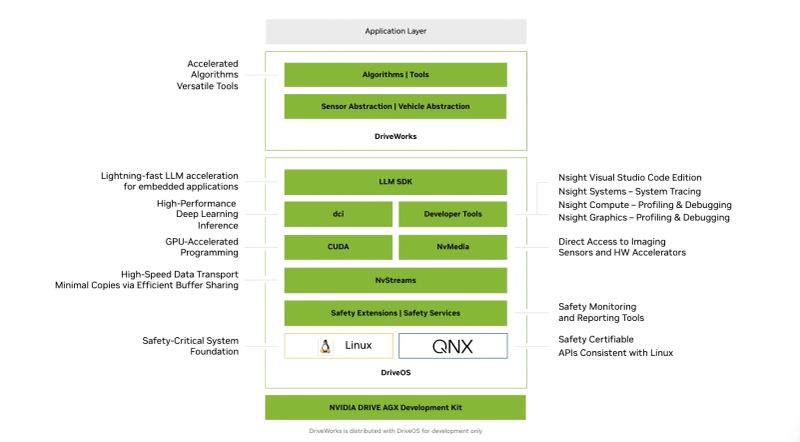
NVIDIA and Agility are trying to make robot safety a deployable software stack
NVIDIA's June 22, 2026 Halos for Robotics launch matters because it treats humanoid deployment as a safety-architecture problem spanning sensors, compute, operating systems, inspection, and certification instead of just better robot demos.
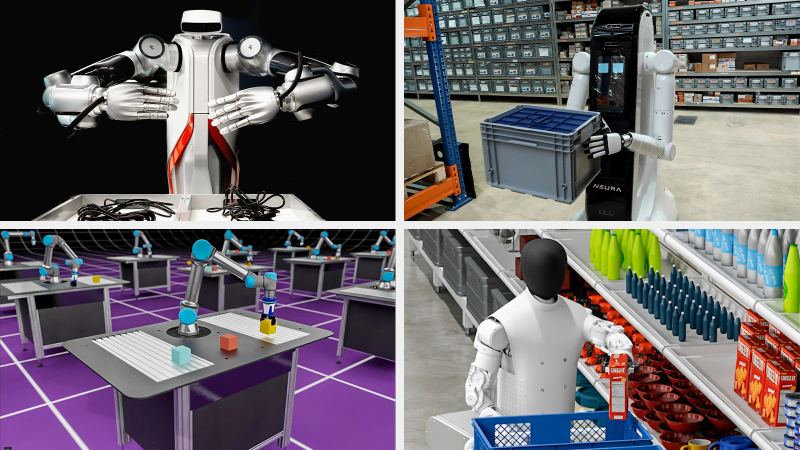
NVIDIA's Halos launch says the robotics bottleneck is no longer motion quality alone, but certifiable safety architecture
NVIDIA's June 22 Halos announcement matters because it treats robotics safety as a full-stack systems problem spanning compute, sensors, operating software, inspection workflows, and certification readiness instead of a late-stage compliance add-on.
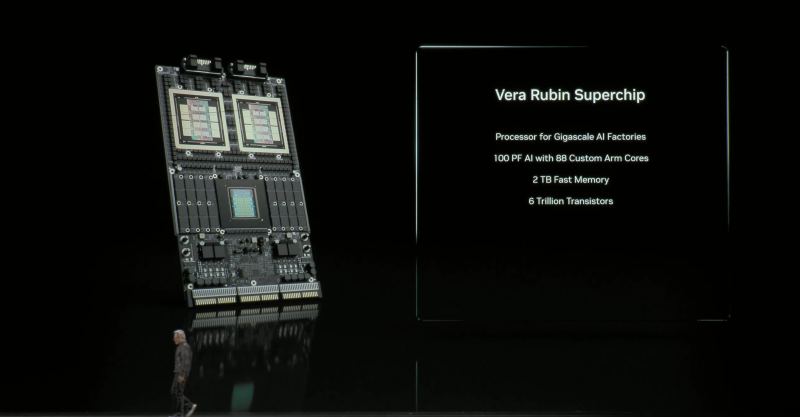
NVIDIA's Vera Rubin pitch says AI hardware is being sold as a scientific instrument now, not just a model engine
NVIDIA's June 22 Vera Rubin science launch matters because it packages high-precision simulation, AI, networking, and rack-scale density into one platform aimed at labs and industrial researchers who want fewer boundaries between HPC and agentic AI.
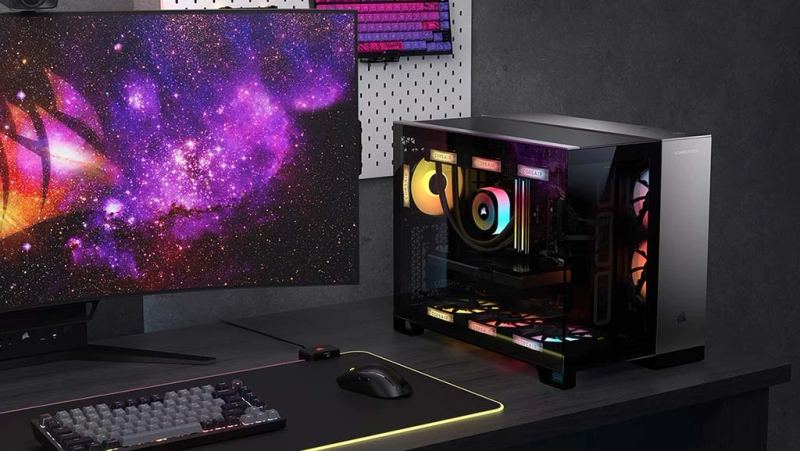
NVIDIA's RTX Spark says the next hardware race is the computer built for local agents
NVIDIA's RTX Spark push reframes the AI PC from a marketing category into a concrete hardware design for local agent workloads, pairing Blackwell compute, large unified memory, and Windows security primitives around on-device autonomy.
NVIDIA's Halos and Agility's safety push say robotics platforms now have to productize trust
NVIDIA's June 22 Halos launch and Agility Robotics' follow-through make one point very clear: in physical AI, deployment credibility now depends on safety architecture being visible, named, and sellable.
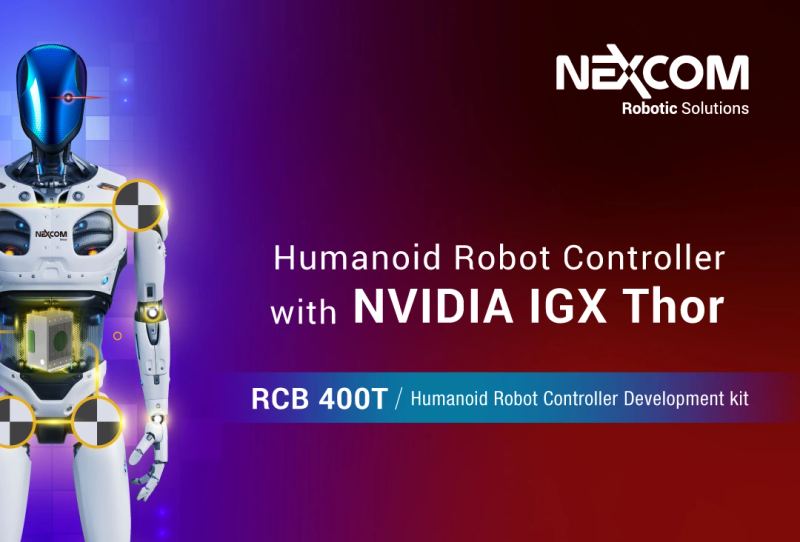
NVIDIA's Halos launch says robotics vendors now need safety architecture as a product layer
NVIDIA's June 22 Halos for Robotics launch and Agility Robotics' immediate alignment around cooperative safety show that physical AI is maturing from flashy demos into infrastructure where safety systems are part of the product, not a compliance afterthought.
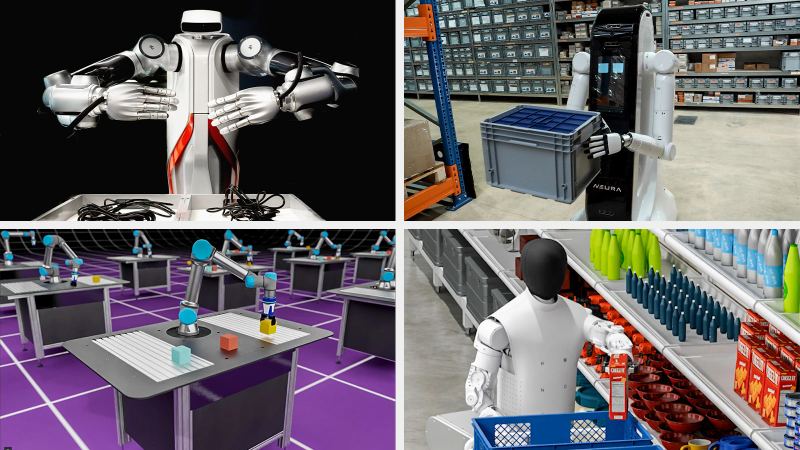
NVIDIA's Halos launch says robotics leaders now have to productize safety stacks, not just autonomy
NVIDIA's June 22 Halos release suggests the next robotics winners will be those that can commercialize safety systems as part of the product stack instead of treating safety as a late compliance checkbox.
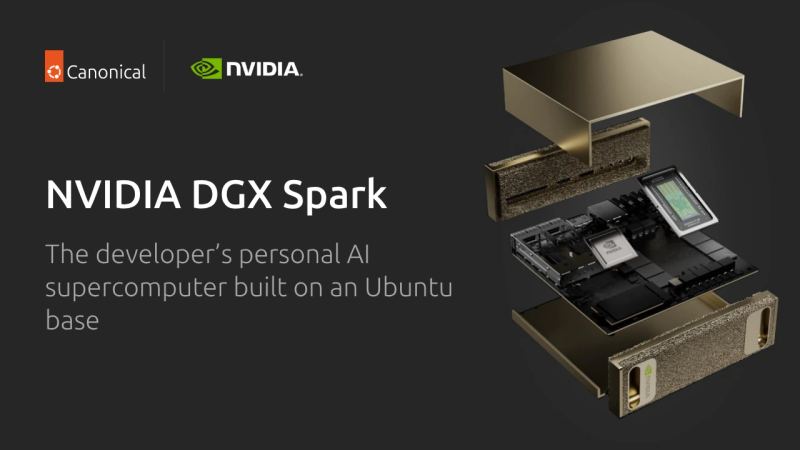
NVIDIA's RTX Spark push says enterprise AI PCs are becoming personal-agent appliances, not just workstations
NVIDIA's June Windows-PC announcements suggest AI hardware competition is expanding into local agent devices where memory, power efficiency, and full-stack software matter as much as raw accelerator bragging rights.

NVIDIA's Vera Rubin platform says the next hardware moat is rack-scale scientific AI, not chips alone
NVIDIA's June 22 Vera Rubin announcement shows AI hardware competition broadening into full rack architectures where simulation, AI, networking, memory, and cooling are sold as one scientific instrument.

NVIDIA's June AI factory push says hardware competition is moving into cooling, CPUs, and private production systems
NVIDIA's June 2026 hardware and infrastructure updates suggest the AI hardware race is broadening beyond accelerators into thermal design, CPU orchestration, and turnkey private AI factory systems.
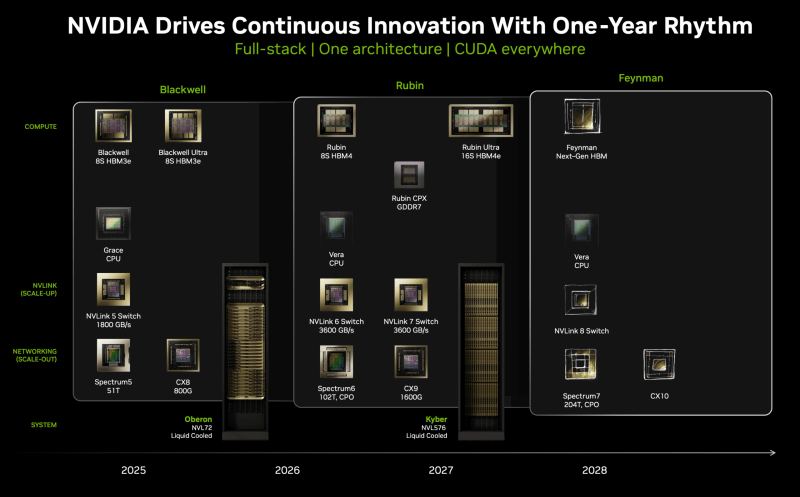
NVIDIA's latest infrastructure deals say the AI hardware race is now about optical, power, and site buildout
NVIDIA's 2026 infrastructure partnerships with Corning and IREN, alongside AMD's ecosystem messaging, show AI hardware competition broadening from chips into fiber, power campuses, and deployment capacity.