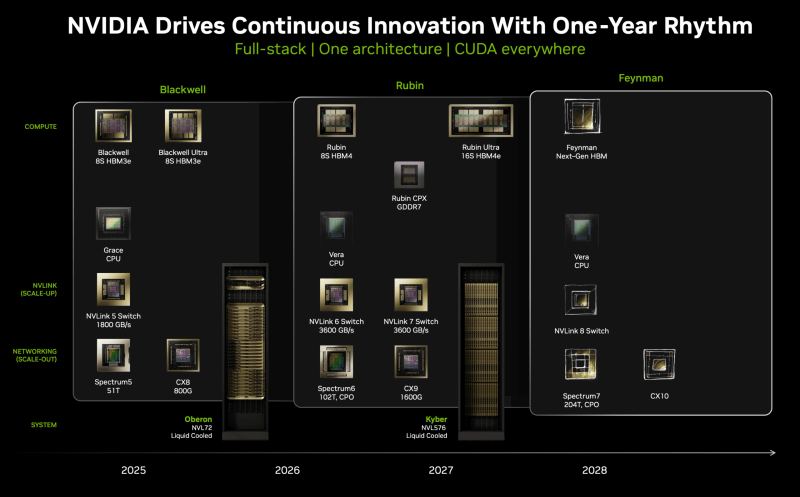
NVIDIA's latest infrastructure deals say the AI hardware race is now about optical, power, and site buildout
NVIDIA's 2026 infrastructure partnerships with Corning and IREN, alongside AMD's ecosystem messaging, show AI hardware competition broadening from chips into fiber, power campuses, and deployment capacity.

NVIDIA's Halos launch says industrial robotics will scale only with safety architecture, not just smarter models
NVIDIA's new Halos for Robotics system and Agility tie-up show that physical AI is entering a phase where certification readiness and full-stack safety matter as much as robot intelligence.
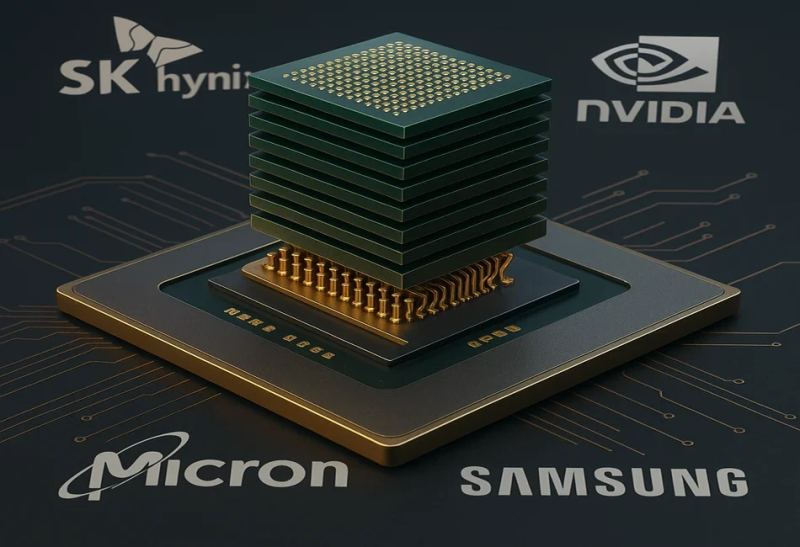
NVIDIA and SK hynix are turning AI memory into a strategic bottleneck, not a component line item
NVIDIA's June 7 memory partnership with SK hynix shows the AI hardware race is now constrained as much by long-cycle memory supply and co-design as by accelerator branding.
HPE and NVIDIA are rebuilding the AI factory around agents, governance, and confidential infrastructure
The latest HPE and NVIDIA updates show AI factories moving from GPU clusters for model training into integrated stacks for agent orchestration, sovereign deployment, and security-heavy enterprise workloads.
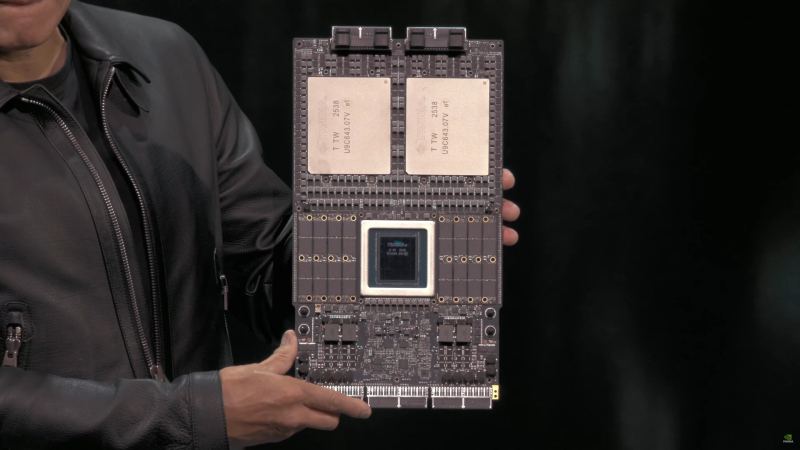
NVIDIA's Vera Rubin ramp says agentic AI is forcing hardware buyers to think in factory systems, not isolated chips
NVIDIA's late-May and June 2026 Rubin updates show the hardware race shifting from faster accelerators alone toward integrated multi-rack systems purpose-built for agentic workloads.
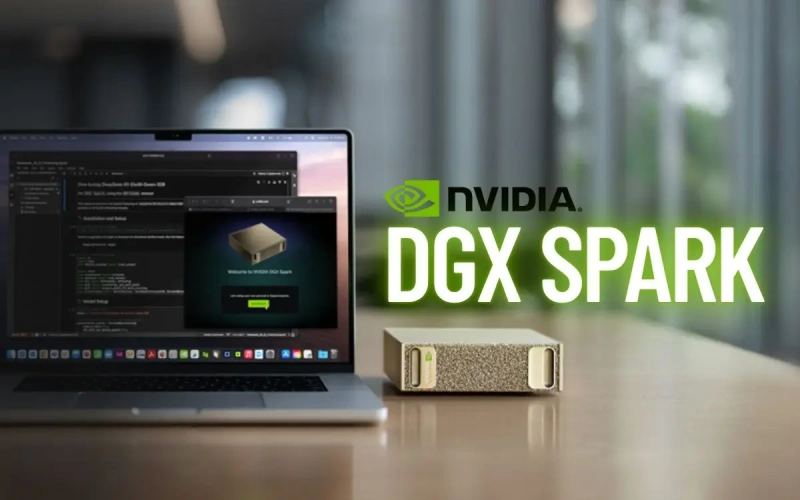
NVIDIA's RTX Spark push says personal AI hardware is becoming a local agent platform, not just another PC refresh
NVIDIA and its OEM partners are turning RTX Spark into a new class of Windows hardware built for secure local agents, high memory footprints, and workstation-grade AI workflows outside the data center.
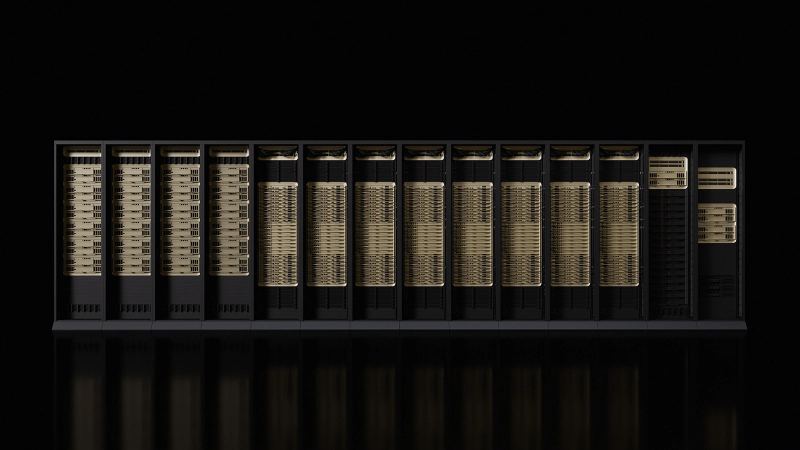
NVIDIA's Rubin push says the next hardware war will be fought on agentic AI economics, not just raw speed
NVIDIA's Rubin platform claims, paired with CoreWeave's June 1, 2026 bring-up and Spectrum-X photonics messaging, show the hardware race is being reframed around inference cost, networking efficiency, and production-scale agent workloads.
NVIDIA and SK hynix are treating memory supply as the control plane for the AI factory boom
NVIDIA's June 7 multiyear pact with SK hynix suggests the next hardware bottleneck in AI is not only GPUs, but the codeveloped memory, simulation workflows, and autonomous fab operations needed to keep AI factory growth on schedule.
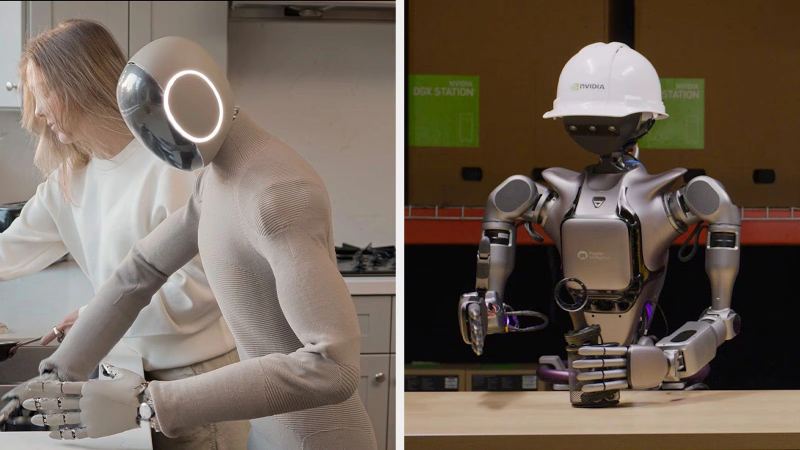
NVIDIA's GR00T reference robot says humanoid progress now depends on shared platforms, not isolated prototypes
NVIDIA's new Isaac GR00T reference humanoid combines Unitree hardware, Jetson Thor compute, dexterous hands, and open software into a single research stack, pushing robotics toward a platform era where reusable infrastructure matters more than one-off demos.
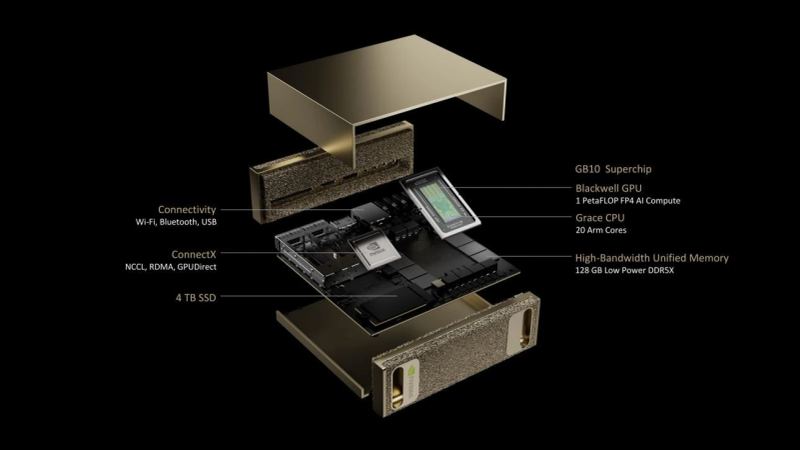
NVIDIA's RTX Spark says the premium PC is becoming a personal agent machine, not just a laptop
NVIDIA and Microsoft are reframing the Windows hardware stack around long-running local agents, using RTX Spark, DGX Station for Windows, and secure runtimes to turn PCs into always-available AI execution devices rather than traditional endpoint clients.
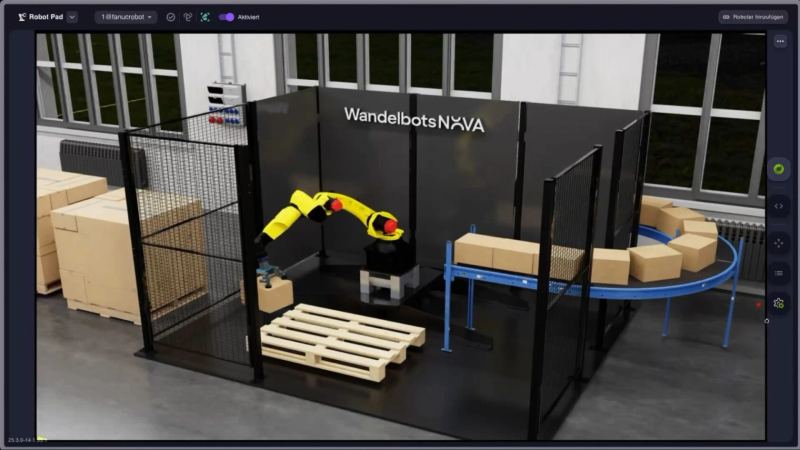
NVIDIA and Doosan say robotics is becoming infrastructure, not just automation hardware
NVIDIA's June 7 Doosan expansion and its early-June physical AI research push suggest robotics is moving beyond standalone machines into a broader infrastructure layer that spans simulation, world models, industrial equipment, energy, and AI factory deployment.
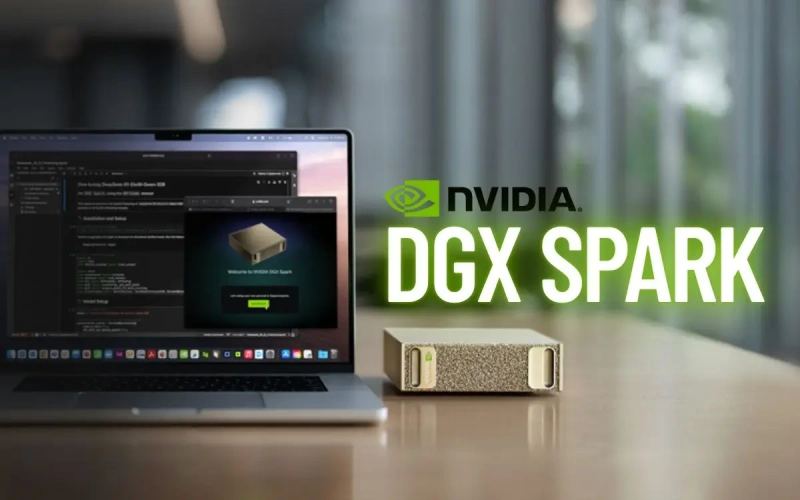
NVIDIA's RTX Spark push says the next PC battle is about local agents, not just faster laptops
NVIDIA and Arm are reframing the premium PC market around local agent workloads, large on-device models, and unified memory architectures that blur the line between workstation, gaming rig, and AI appliance.
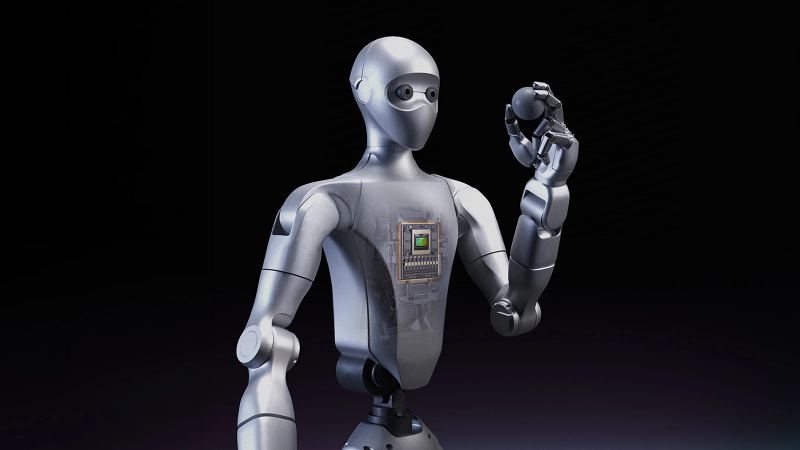
NVIDIA's GR00T reference humanoid says robotics is moving from isolated demos toward open development platforms teams can actually build on
NVIDIA's June 1, 2026 GR00T reference humanoid announcement matters because it packages body, hands, compute, and software into an open research platform aimed at accelerating physical AI development beyond bespoke robotics stacks.
NVIDIA's RTX Spark launch with Microsoft says the next AI hardware fight is moving from cloud racks back onto the personal computer
NVIDIA's June 1, 2026 RTX Spark launch matters because it reframes the Windows PC as a local agent machine with unified memory, security, and enough on-device AI performance to act as a teammate instead of a thin client.
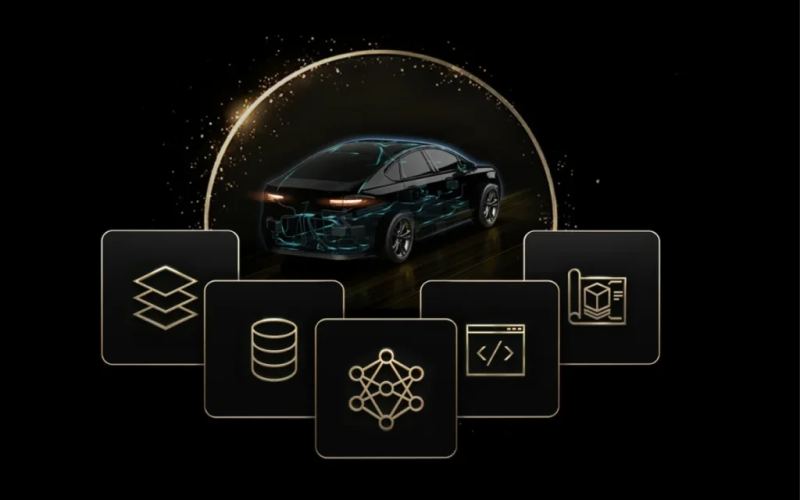
NVIDIA's Alpamayo 2 Super says robotics progress now depends on reasoning stacks, not narrow driving models
NVIDIA's May 31, 2026 Alpamayo 2 Super launch matters because it packages reasoning, labeling, world models, and simulation into a reusable autonomy stack instead of another single-purpose driving model.
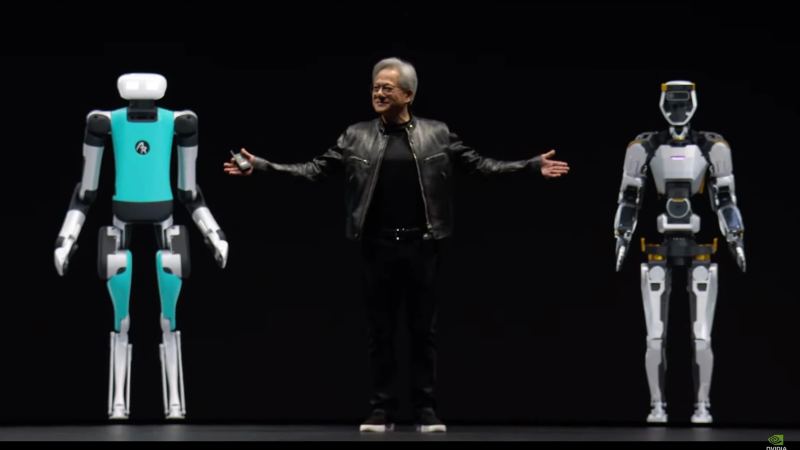
NVIDIA's GR00T reference humanoid says robotics is moving from bespoke labs toward shared research platforms
NVIDIA's early June 2026 robotics push matters because it turns humanoid development into a more standardized academic and developer workflow built on shared hardware, open training platforms, and reusable physical-AI tooling.
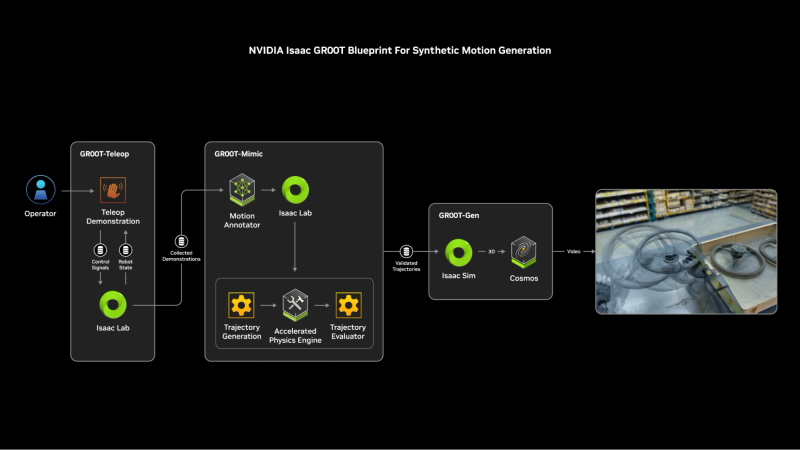
NVIDIA's GR00T reference humanoid says robotics progress now depends on open integration stacks, not closed moonshots
NVIDIA's May 31 and June 1, 2026 GR00T reference humanoid announcement matters because it packages hardware, hands, onboard compute, and open robotics software into one reproducible research system instead of another isolated humanoid demo.
NVIDIA and Microsoft say the real AI race is now about shipping one governed agent stack from laptop to cloud
The June 2, 2026 NVIDIA and Microsoft Build announcements matter because they recast agentic AI as a deployment-stack problem, where the winning platform is the one that keeps models, data, runtimes, and governance aligned from local devices to cloud infrastructure.
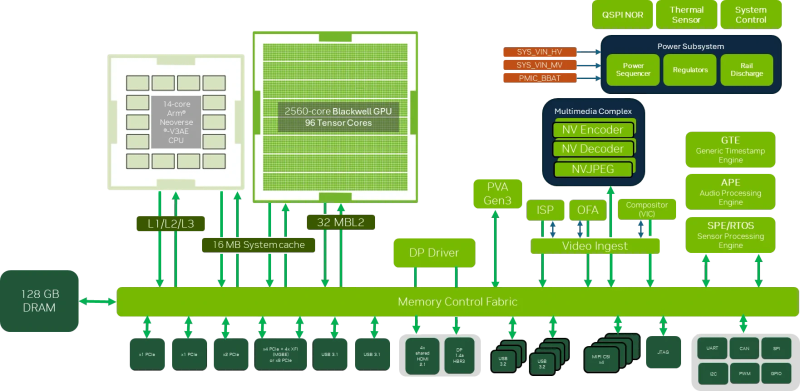
NVIDIA's Jetson stack says robotics is moving from model demos to agent-ready physical AI systems
NVIDIA's June 1, 2026 Jetson update matters because it packages agent skills, NemoClaw, CUDA 13, and deterministic edge controls into a production-grade stack for robots, inspection systems, and industrial automation.
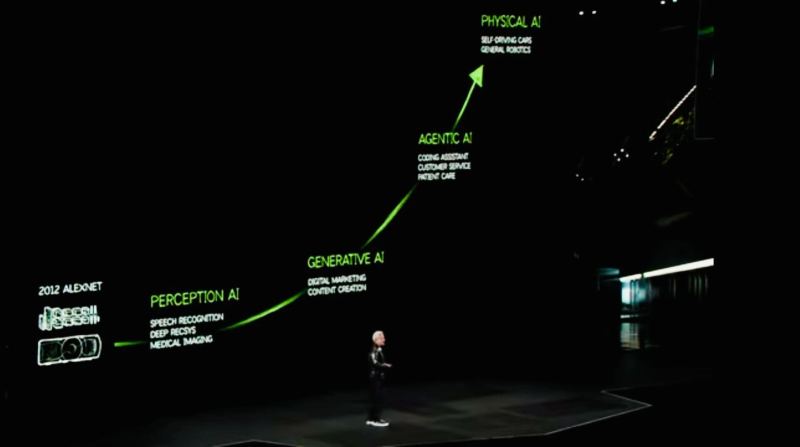
NVIDIA's new physical AI agent skills say robotics progress now depends on workflow scale, not isolated demos
NVIDIA's June 3, 2026 physical AI research push matters because it turns robotics development into a data-generation, simulation, policy-training, and evaluation pipeline that agents can help orchestrate end to end.
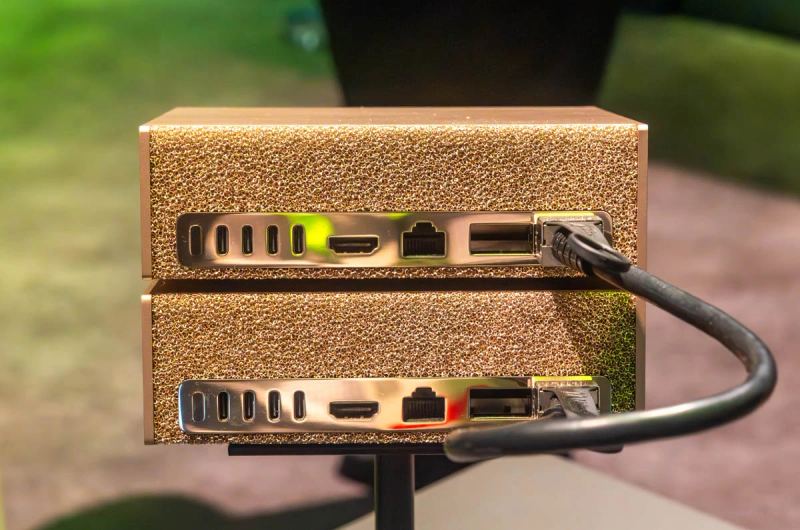
NVIDIA's RTX Spark says the next PC fight is about local AI agents, not just faster laptops
NVIDIA's June 1, 2026 RTX Spark announcement matters because it recasts the personal computer as an on-device agent machine with security primitives, unified memory, and enough local AI throughput to keep more work off the cloud path.
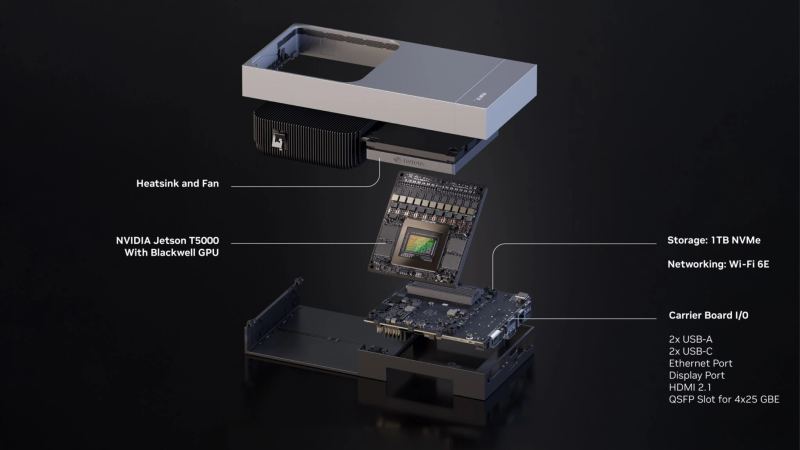
NVIDIA's Jetson update says robotics will scale through deployable physical AI stacks, not isolated robot demos
NVIDIA's June 1, 2026 Jetson and NemoClaw update matters because it turns physical AI into a production-stack story spanning edge compute, agent skills, operating-system control, and deployment economics.
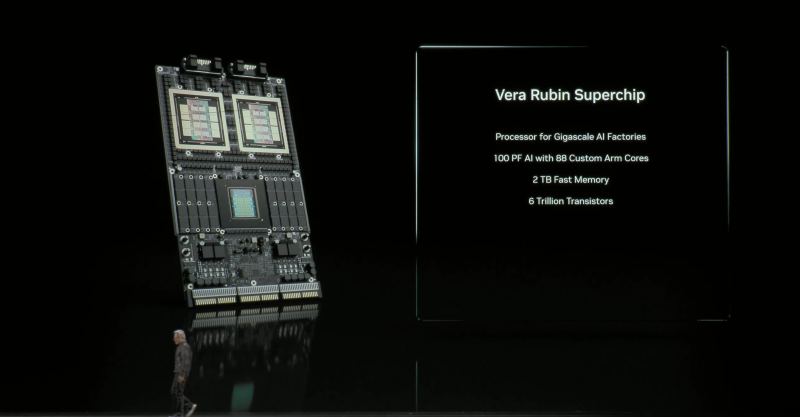
NVIDIA's Vera Rubin production ramp says AI infrastructure competition is consolidating around full-system architectures, not loose chip lineups
NVIDIA's late-May 2026 Vera Rubin production update matters because it presents AI infrastructure as an integrated factory architecture spanning CPU, networking, storage, and rack-scale deployment rather than a single accelerator sale.
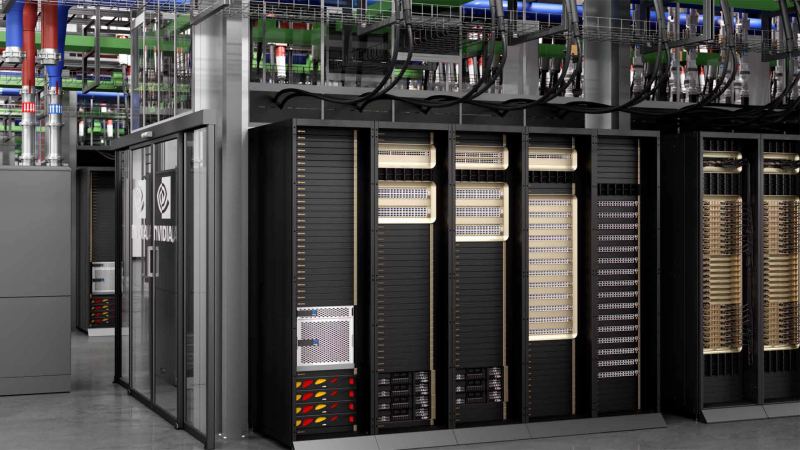
NVIDIA's Vera Rubin ramp says AI hardware is becoming factory infrastructure, not just accelerator inventory
NVIDIA's full-production Vera Rubin push reframes AI hardware as a tightly integrated production stack spanning compute, networking, and deployment economics.