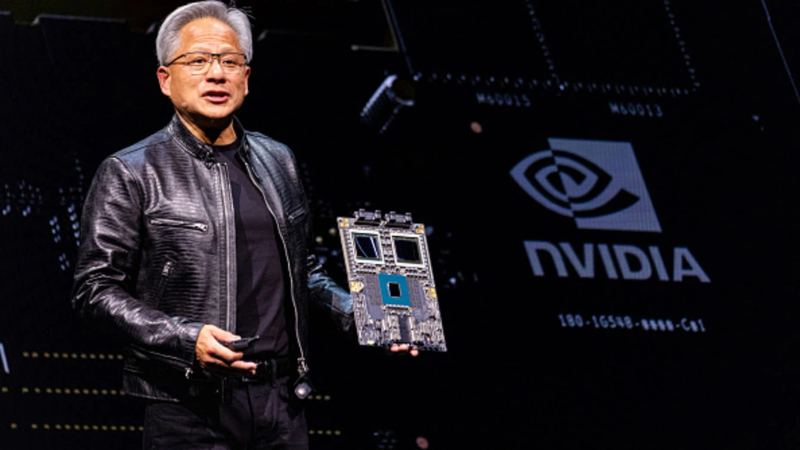
Hardware Briefing: Asian Chip Stocks Diverge Post-Nvidia; Regional Hardware Updates
A morning hardware briefing covering the mixed reaction of Asian semiconductor equities to Nvidia's latest results, alongside unrelated regional news items involving explosive devices and athletic achievements.
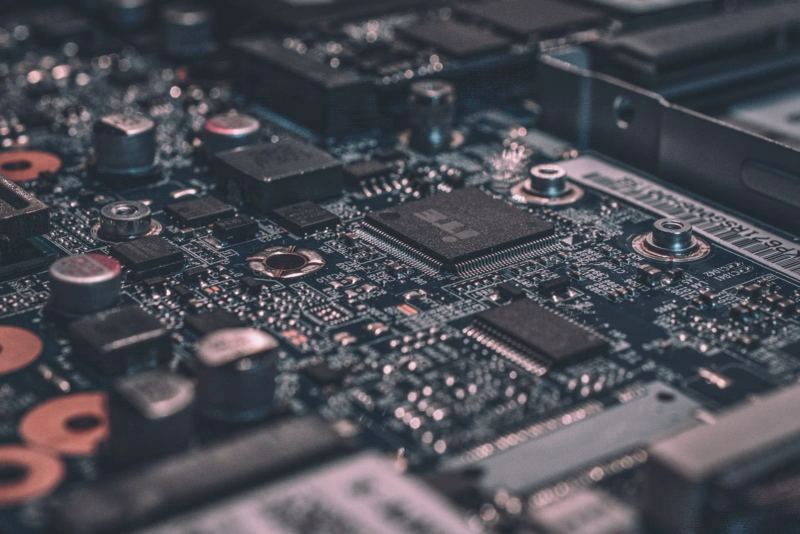
Surface RTX Spark Dev Box turns local AI into a desktop hardware category
Microsoft and NVIDIA are framing the Surface RTX Spark Dev Box as a local AI machine for personal agents, with petaflop-class compute, 128GB of unified memory, and a Windows-first developer story.
NVIDIA turns AI factories into a Wall Street financing product
NVIDIA's partnerships with Apollo, BlackRock, Blackstone, Brookfield, Goldman Sachs and KKR aim to mobilize more than $500 billion for AI infrastructure.
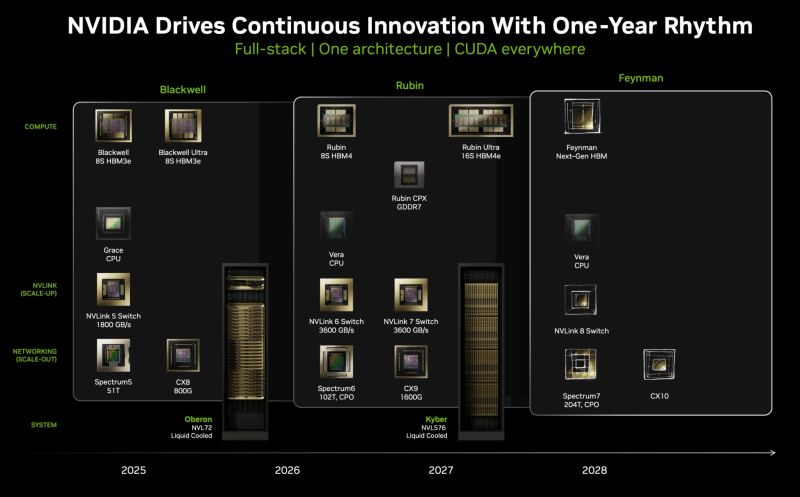
Vera Rubin pushes AI infrastructure from servers to factories
NVIDIA’s Vera Rubin platform and its new manufacturing and networking ecosystem show how agentic workloads are turning AI hardware into coordinated factory-scale infrastructure.
Nvidia's AI financing role makes chip demand harder to read
Nvidia's growing role in financing AI startups and mega-projects highlights a hardware boom where chip demand, customer funding and cloud expansion are increasingly intertwined.

Nvidia Washington meetings turn Blackwell exports into a policy test
Jensen Huang's Washington meetings show how AI chip roadmaps now depend on export-control politics, open-model policy and supply-chain commitments.
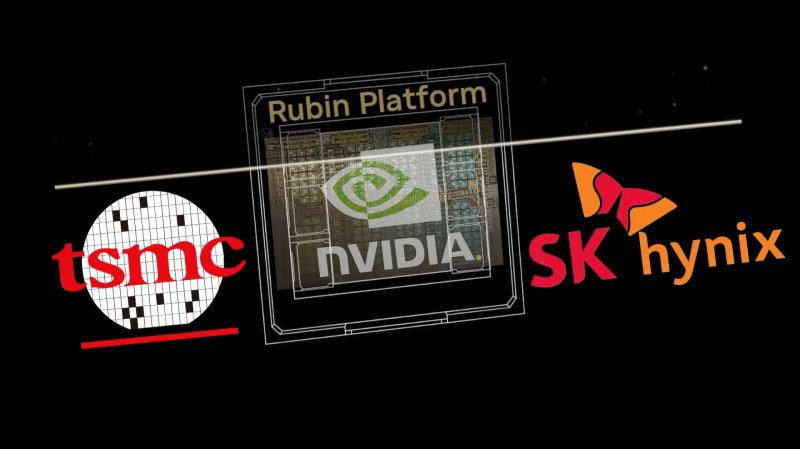
SK and NVIDIA make AI memory supply a half-trillion-dollar hardware bet
SK Group and NVIDIA's $500 billion-plus AI factory and memory partnership shows the hardware bottleneck moving from GPUs alone to HBM, power, rack systems and long-term supply guarantees.
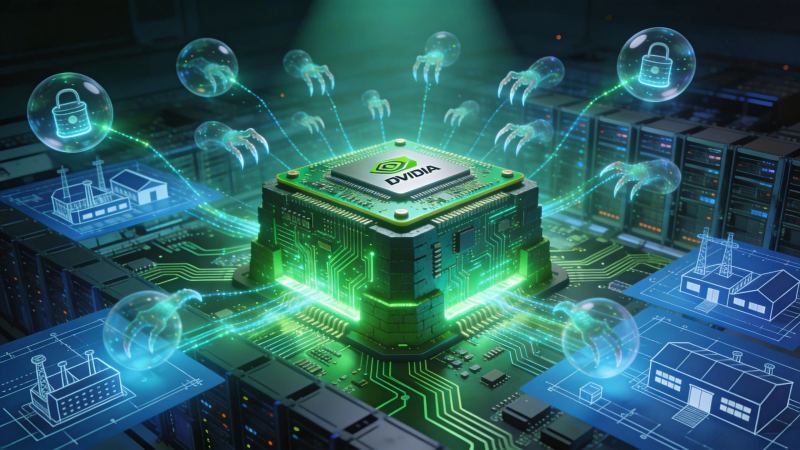
Open Secure AI Alliance turns model openness into a security tooling race
NVIDIA, the Linux Foundation, Microsoft, IBM, Hugging Face and other members are framing open AI as a defensive security layer while Anthropic argues for targeted controls instead of blanket bans.
Nvidia's SSI deal shows AI hardware supply becoming strategic capital
Reports that Nvidia is investing in Safe Superintelligence and giving it access to Vera Rubin GPUs show how AI compute deals now combine chips, financing, and privileged research partnerships.

AMD and Anthropic make Helios a real test of non-Nvidia AI scale
AMD will invest up to $5 billion in Anthropic while Anthropic plans to deploy up to 2 gigawatts of MI450 GPUs in Helios racks, giving the AI chip race a concrete frontier-lab workload.
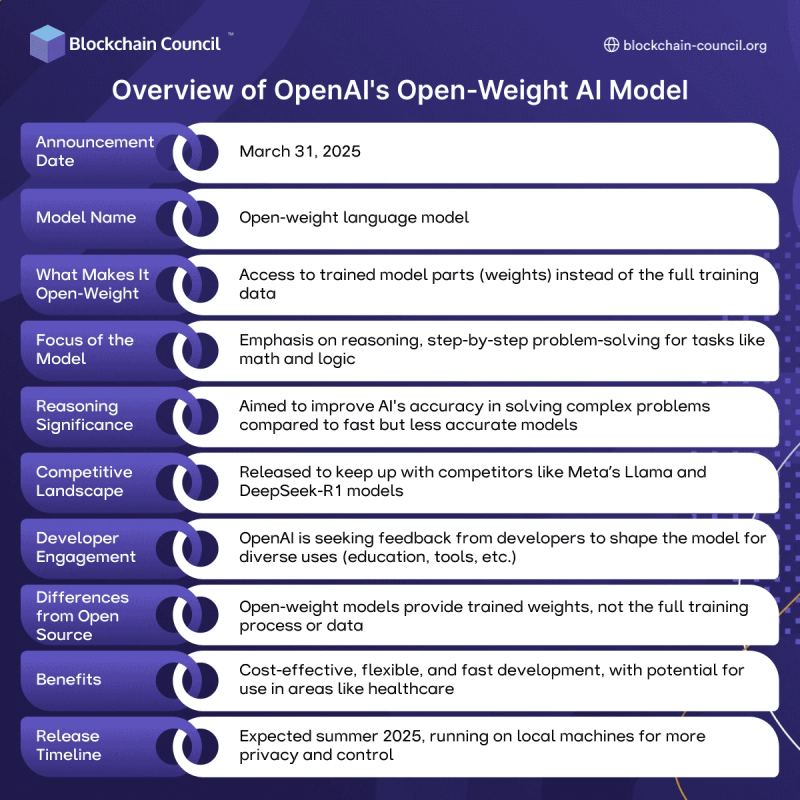
Open-weight AI letter turns model access into Washington infrastructure policy
A coalition led by Nvidia, Microsoft, Meta, IBM, Mozilla and other AI ecosystem players is urging U.S. policymakers to avoid broad restrictions on open-weight models as China concerns intensify.
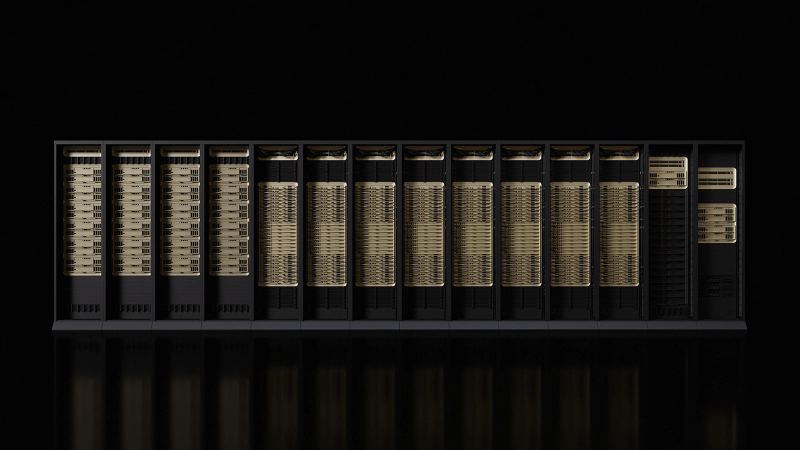
NVIDIA's Rubin confidential computing pitch makes AI security a rack-scale feature
NVIDIA is extending confidential computing across Rubin, Blackwell, and Hopper GPUs, arguing that sensitive AI workloads need protected execution from prompt to model to memory.
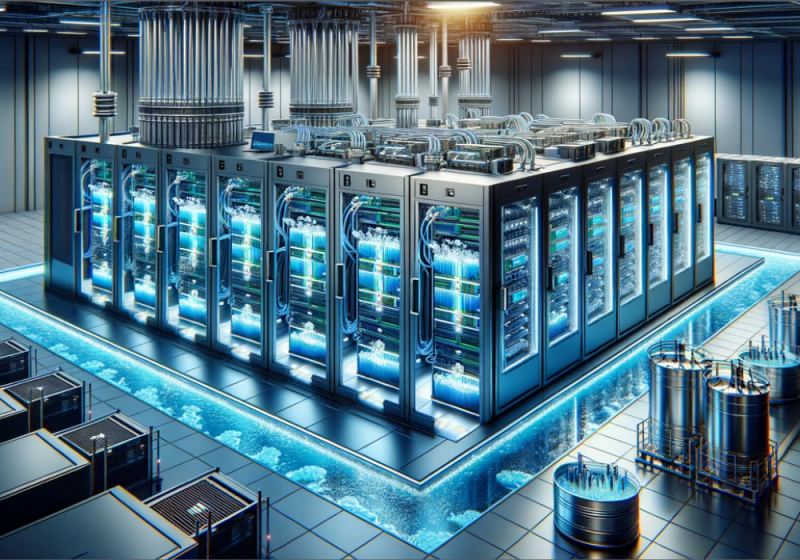
Nvidia's hotter liquid-cooled AI data-center design reframes advanced hardware competition around power density, water use, and city-scale infrastructure limits
The Verge reports that Nvidia says its next-generation AI data-center design can run hotter with full liquid cooling to cut water use toward near zero.
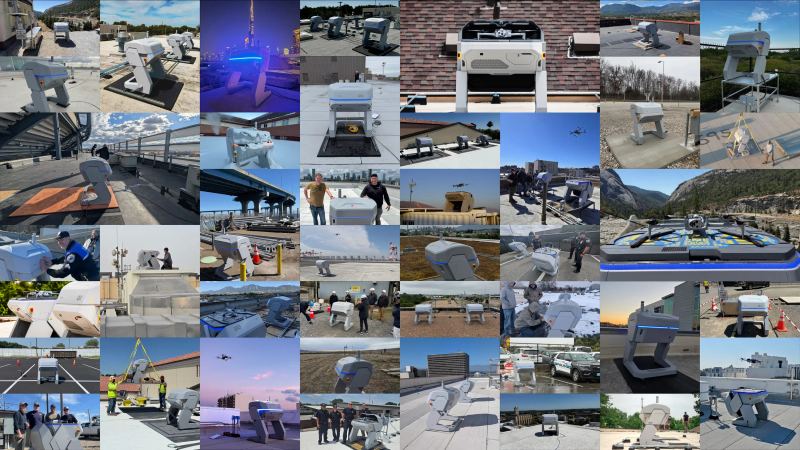
Robot.com's R-noid launch shows humanoid robotics shifting toward deployable labor systems
Robot.com launched R-noid with FieldAI, Physical Intelligence, Formic and Nvidia support, positioning humanoids as weeks-to-deploy tools for logistics and service work.
Wistron's Fort Worth NVIDIA plant makes AI superchip supply a U.S. manufacturing story
Wistron opened a 324,000-square-foot Texas facility producing NVIDIA Grace Blackwell Ultra systems and preparing for Vera Rubin Superchips.

OpenAI and Anthropic's open-model fight turns AI policy into a deployment gate
OpenAI and Anthropic are pressing Washington over Chinese open-weight models, while Nvidia's Jensen Huang argues open systems can strengthen U.S. AI influence.

Gears of War: E-Day's October launch with DLSS 4.5 and ray tracing shows blockbuster PC gaming is becoming a neural-rendering showcase
Nvidia says Gears of War: E-Day will launch October 6 with DLSS 4.5 and ray tracing, reinforcing how major releases are now used to sell GPU platform features as much as the games themselves.
Nvidia's RTX Spark and DLSS 4.5 push keep the PC hardware refresh tied to local AI, ray tracing, and creator workloads instead of raw GPU speed alone
Nvidia's Computex hardware wave and July gaming updates show how the RTX 50 ecosystem is being sold as a platform for personal AI agents, neural rendering, and high-end creator PCs.
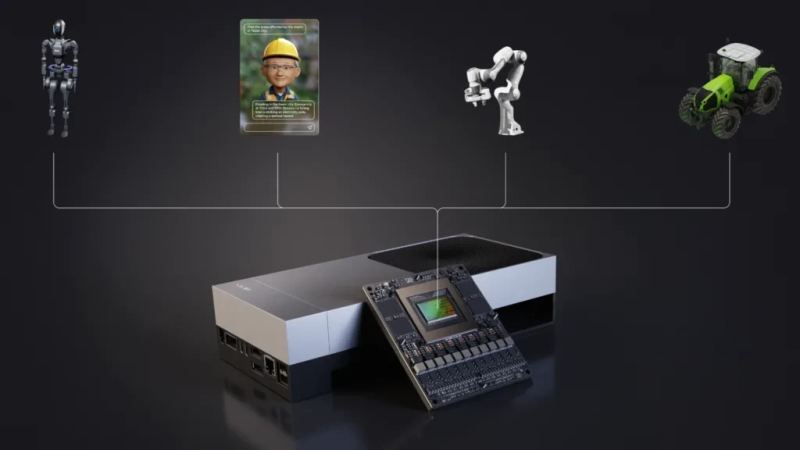
NVIDIA's Cosmos 3 Edge and Jetson Thor push shows physical AI moving from cloud-trained demos toward on-device robot reasoning, policy deployment, and industrial ecosystem scale
NVIDIA says Japan's robotics and manufacturing leaders are building on Cosmos while Cosmos 3 Edge and Jetson Thor target on-device vision reasoning and robot policy deployment.
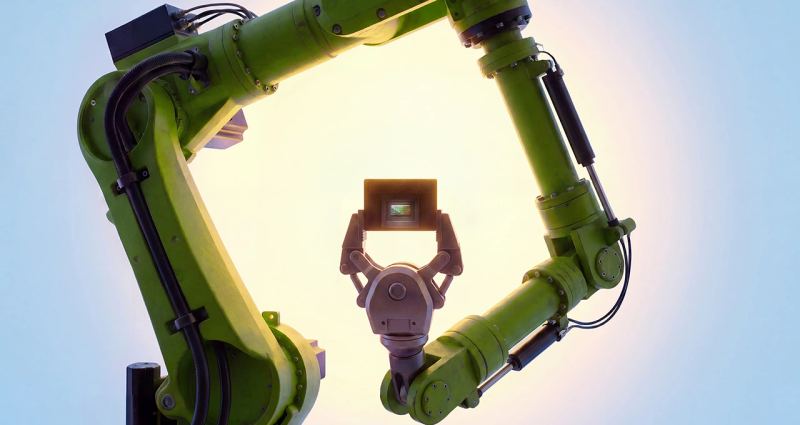
NVIDIA's new Jetson Thor T3000 and T2000 modules show the hardware race is moving from flagship humanoid demos toward scalable edge-compute building blocks that let mainstream robotics and visual AI vendors ship more agentic systems in smaller power envelopes
NVIDIA says its new Blackwell-powered Jetson Thor computers pair higher robotics performance with software memory optimization and agent skills aimed at moving advanced edge AI into more compact, production-friendly systems.
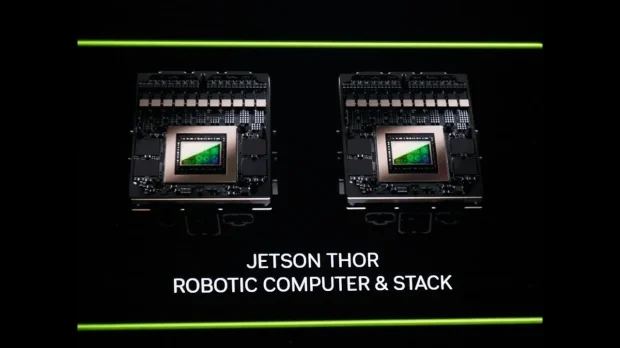
NVIDIA's new Jetson Thor rollout suggests robotics is entering a deployment era where the winners will be the platforms that compress world models, edge inference and safety tooling into smaller systems cheap enough to leave the lab and scale into ordinary machines
NVIDIA introduced new Jetson Thor T3000 and T2000 modules, agent skills for memory optimization and Cosmos 3 Edge support, aiming to make humanoid robots, autonomous machines and visual AI systems more deployable at the edge.

NVIDIA's Japan physical-AI push shows robotics competition moving from isolated robot demos toward shared world models, edge reasoning and coalition-scale deployment stacks that can shorten the path from simulation to real machines
NVIDIA says Japanese robotics and manufacturing leaders including FANUC, Fujitsu, Hitachi, Kawasaki, Kubota, NEC, SoftBank, Sony and Yaskawa are building on Cosmos, Isaac, Metropolis and Jetson, while the company also unveiled Cosmos 3 Edge for on-device reasoning on Thor platforms.
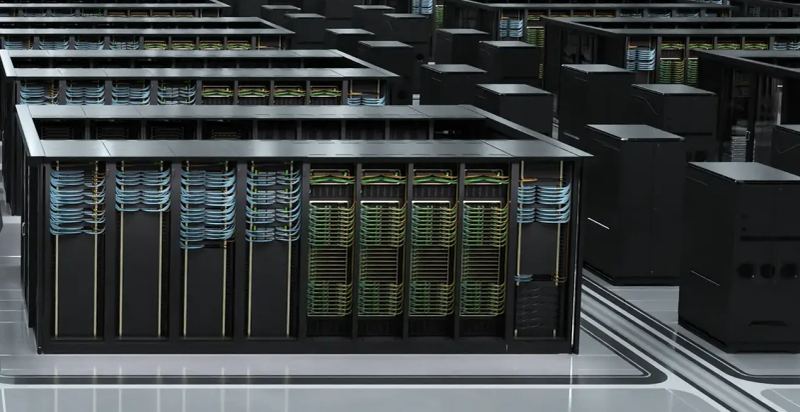
NVIDIA's Japan AI factory project shows the hardware race widening from faster accelerators to nation-scale industrial compute where the winning platform is the one that can bind chips, networking, power budgets and model distribution into a usable physical-AI stack
NVIDIA and Noetra say they will build a Vera Rubin AI factory for Japan backed by 13,750 Vera CPUs, 27,500 Rubin GPUs and 140 megawatts of data center capacity to support the country's FRONTia physical-AI initiative.
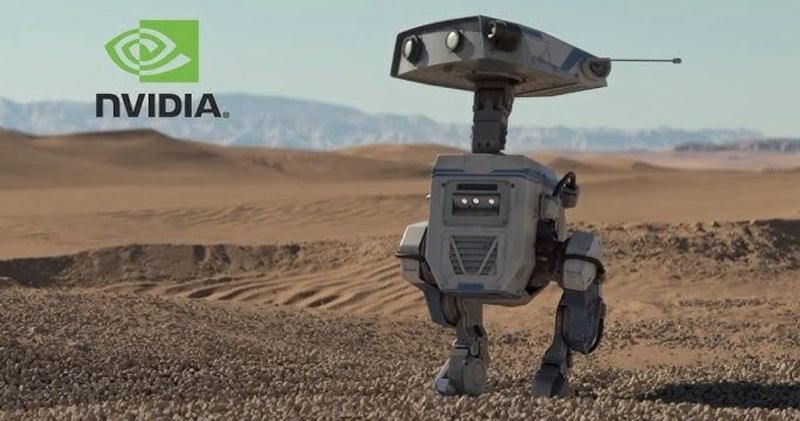
NVIDIA's Isaac GR00T reference humanoid shows the robotics market edging toward a more open research stack where the bottleneck is less finding a robot body and more accelerating shared data, policy training, and real-world validation on common hardware
NVIDIA has introduced an open humanoid reference design built around Jetson Thor, the Isaac GR00T platform, a Unitree H2 humanoid body, and Sharpa dexterous hands, aiming to give research labs a common physical AI starting point instead of forcing each team to rebuild the same base system.