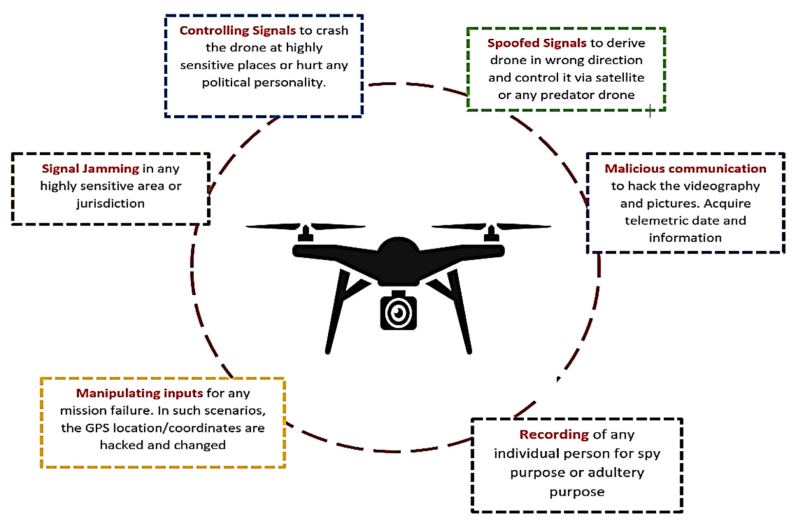
Vancouver's new Skydio deployment says drone operations scale when autonomy, cloud sovereignty, and public-safety workflow fit together
The Vancouver Police Department's June 2026 dock-based Drone as First Responder launch shows that the real commercial and civic challenge in drones is not flight alone but how autonomy, approvals, cloud control, and response workflows integrate into one operational system.
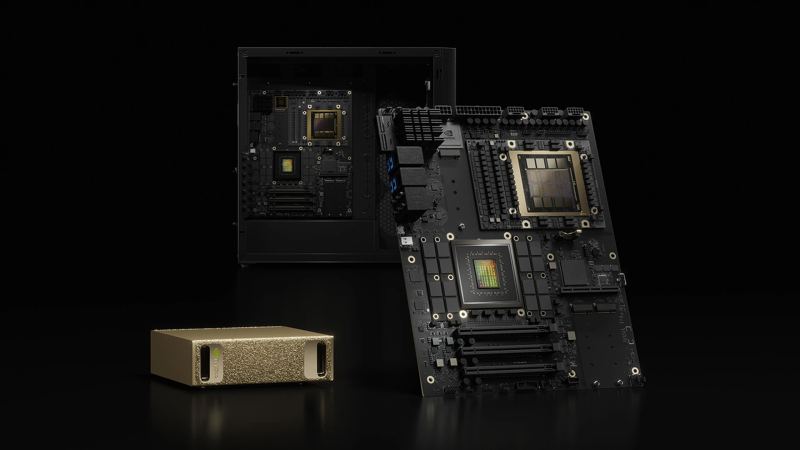
Microsoft's Surface RTX Spark Dev Box says AI hardware advantage is shifting toward local developer throughput, not just cloud GPU access
Microsoft's Build 2026 hardware push reframes the AI device race around sustained local development, unified memory, and agent-ready tooling rather than raw datacenter bragging rights alone.

Stripe's latest launches say fintech wants to own AI-era monetization, not just checkout buttons
Stripe's June 2026 announcements across AWS, London, and Paris show the company extending beyond payment acceptance into the financial logic for AI agents, usage billing, fraud control, and global merchant expansion.
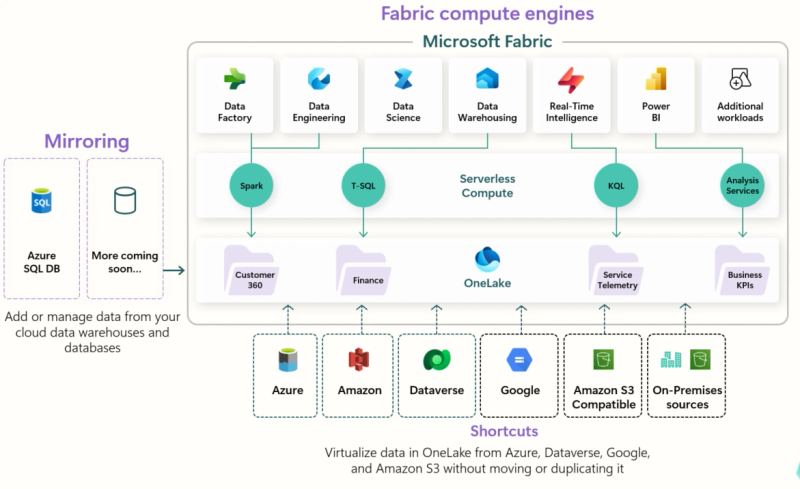
Microsoft's Azure Cobalt 200 preview says AI hardware advantage is moving into cloud fabric design, not just accelerator branding
Microsoft's June 2, 2026 Cobalt 200 preview shows cloud hardware competition shifting toward custom Arm system design, memory behavior, storage throughput, and network efficiency for always-on agentic workloads.
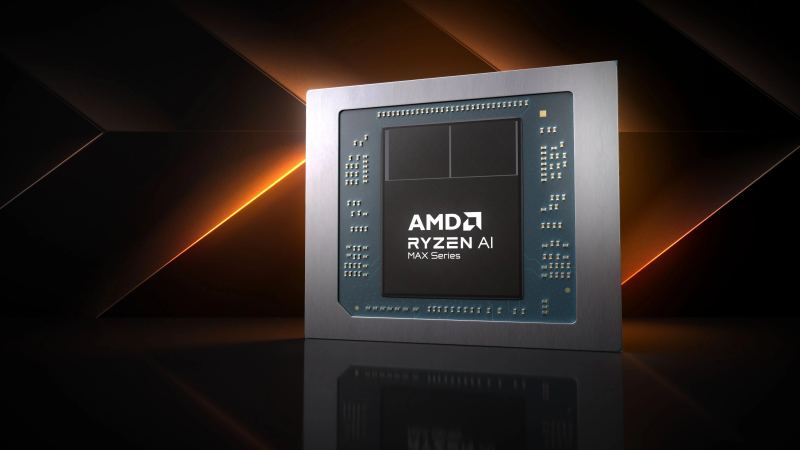
AMD's £2 billion UK commitment says AI hardware competition is moving from chip launches to sovereign compute alliances
AMD's June 8, 2026 UK investment pledge and its related London quantum-AI collaboration show that AI hardware vendors increasingly need to anchor themselves inside national research systems, not just ship faster silicon into anonymous cloud demand.

ASUS and Qualcomm's QN10 say the AI PC race is moving from laptops into compact local-agent desktops
The ASUS Ascent QN10 and Qualcomm's Snapdragon X2 Elite messaging show that AI hardware competition is no longer confined to notebooks and data centers. Vendors now want compact desktops that can run local multimodal and agentic workloads with enough NPU headroom to make on-device AI feel like a workstation feature instead of a cloud dependency.
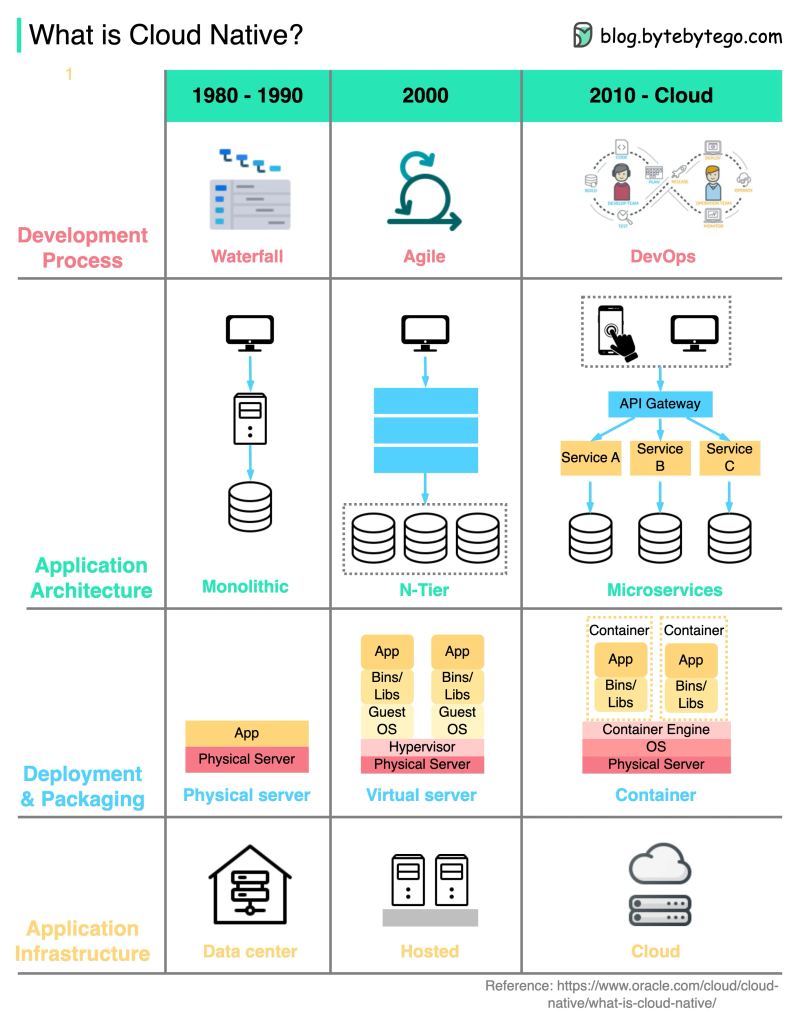
Renesas' Pictorus acquisition says industrial software value is moving toward cloud-native control and model-based embedded development, not board-level tooling alone
Renesas' June 18, 2026 acquisition of Pictorus shows that embedded vendors increasingly want software layers that let engineers model, deploy, and update machine behavior through modern cloud workflows instead of treating firmware development as an isolated specialist domain.

Xbox's X25 anniversary hardware says gaming platforms still need emotional hardware moments even as subscriptions and cloud access keep expanding
Xbox's June 7, 2026 X25 anniversary hardware drop shows that even in a subscription-heavy era, platform owners still use limited-edition devices to reinforce identity, fandom, and ecosystem gravity.
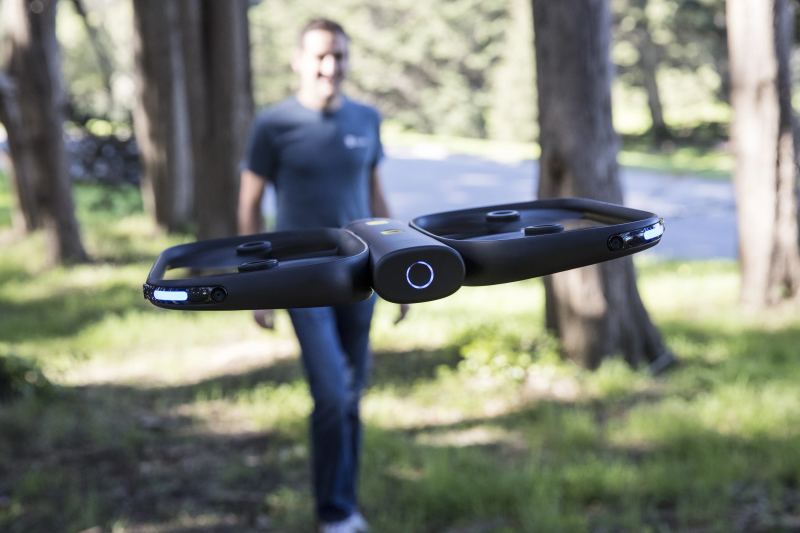
Skydio's Vancouver deployment says drone autonomy is moving from pilot-first hardware into city-scale response infrastructure with data-sovereignty rules built in
Skydio's June 10, 2026 Vancouver Police Department launch shows the drone market maturing around docked autonomy, remote operations, and compliance-grade cloud deployment rather than one-off aircraft specs.
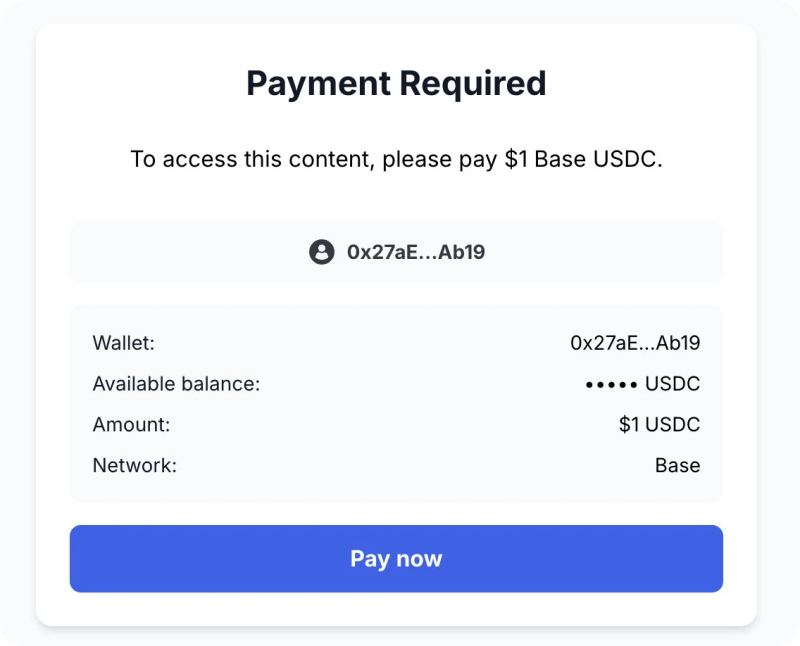
Coinbase's x402 push with AWS says crypto's clearest near-term product may be machine-payable web access, not another consumer wallet cycle
Coinbase's June 15, 2026 x402 work with AWS WAF reframes crypto utility around machine-to-machine payments for APIs, archives, and publisher content rather than consumer speculation alone.
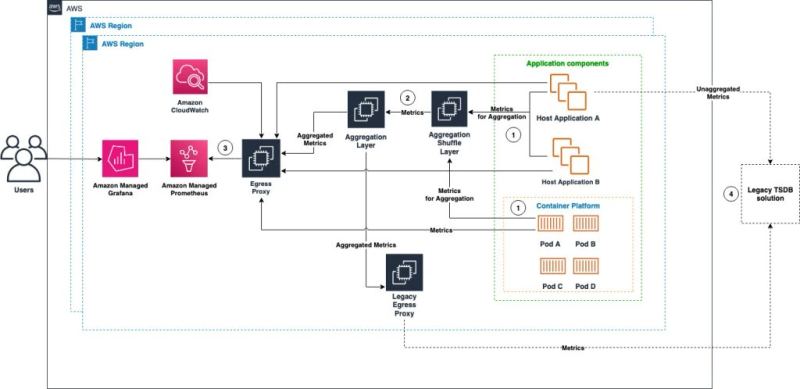
Stripe and AWS say the next fintech battleground is charging AI agents at the network edge, not just helping humans check out faster
Stripe's June 15, 2026 AWS WAF integration shows fintech infrastructure moving toward machine-readable paywalls, HTTP 402 flows, and direct monetization of AI-agent traffic instead of only consumer checkout optimization.

Coinbase's latest agent push says crypto's next real battle is becoming the payment and permission layer for autonomous software
Coinbase's June 9 to June 15 product sequence around Payments, Agents, and AWS-backed x402 support suggests crypto firms are trying to turn stablecoins and wallets into the default operating rails for machine-to-machine commerce.
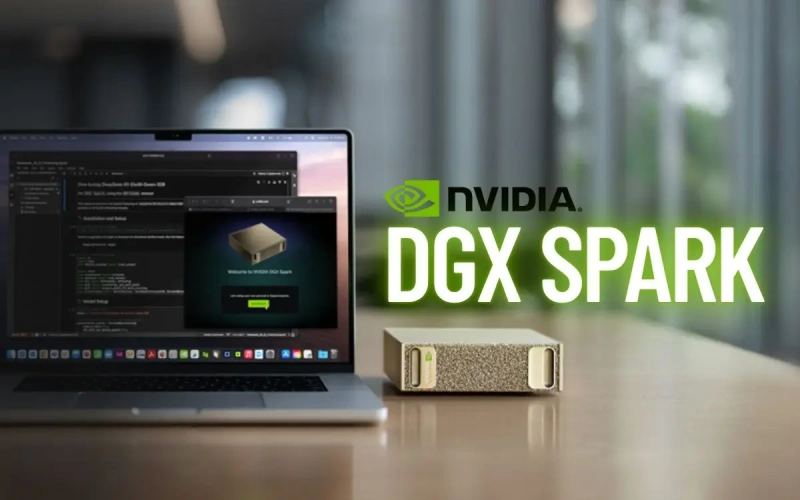
NVIDIA's RTX Spark push says personal AI hardware is becoming a local agent platform, not just another PC refresh
NVIDIA and its OEM partners are turning RTX Spark into a new class of Windows hardware built for secure local agents, high memory footprints, and workstation-grade AI workflows outside the data center.
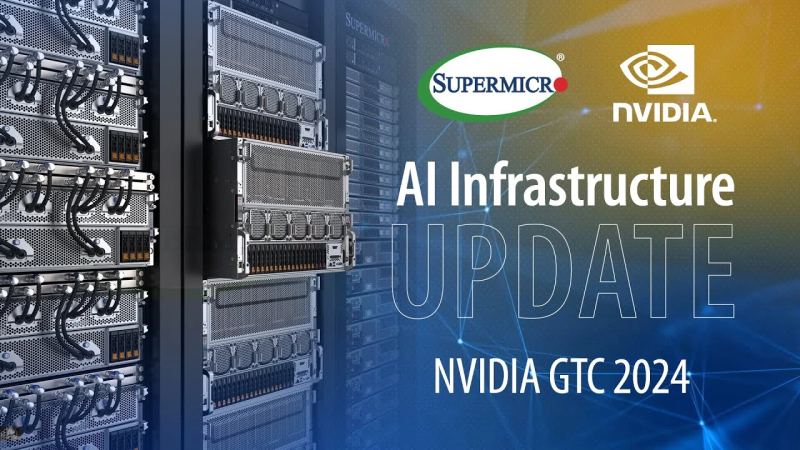
Arm and Supermicro say AI infrastructure is entering a CPU-dense inference era, not a GPU-only arms race
Arm's June 10 and June 2 infrastructure push with Supermicro and Oracle Cloud suggests agentic AI is changing hardware competition from accelerator bragging rights to balanced rack-scale system economics.
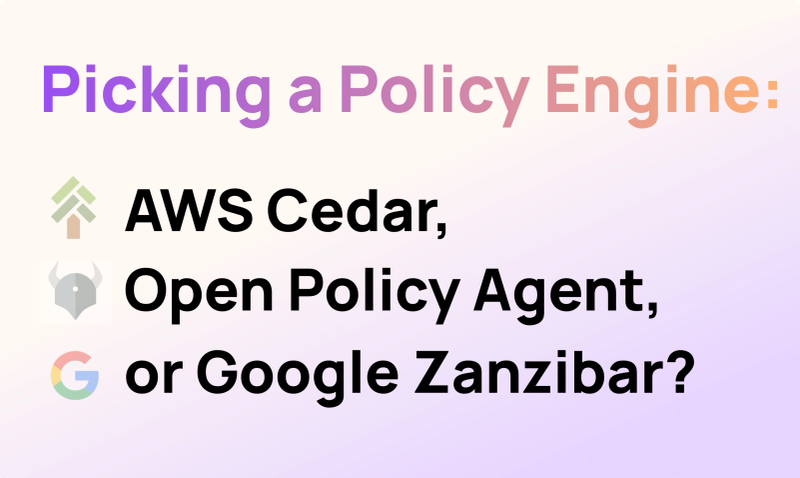
Cloudflare's new AI budgets say software teams now need cost policy engines, not just model access
Cloudflare's June 5 AI Gateway spend limits and identity-driven policy work show that enterprise AI software is being rebuilt around budget enforcement, attribution, and fallback controls rather than simple provider connectivity.

OpenAI's Ona deal says enterprise AI agents need a secure cloud workspace, not just a smarter model
OpenAI's June 11, 2026 agreement to acquire Ona, paired with its new Oracle distribution path and its June 8 strategy memo, shows the next AI race is shifting from model demos to persistent, governed agent workspaces.
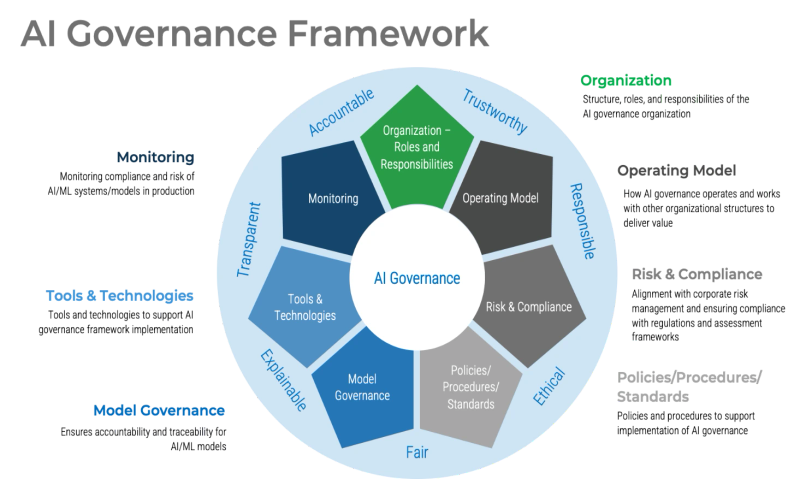
Cloudflare's AI Gateway spend caps say software teams now need budget governance as much as model access
Cloudflare's new AI Gateway spend limits and identity-linked controls show the next software moat in AI may be cost governance and policy enforcement, not just plugging into more models.
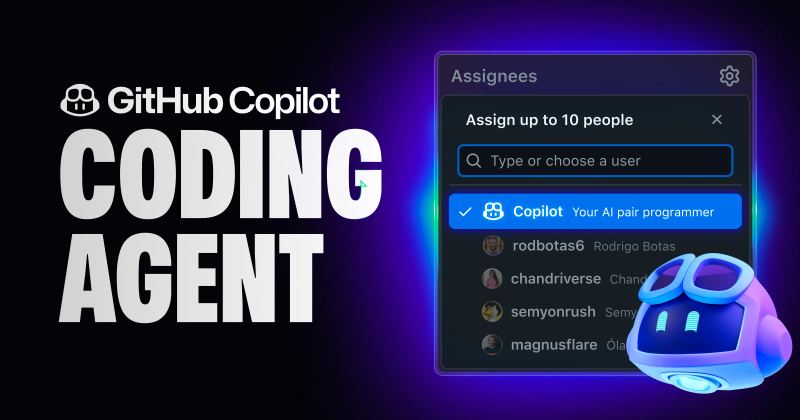
GitHub's new Copilot billing model says coding agents are becoming budgeted infrastructure, not flat-fee perks
GitHub's switch to AI credit billing and its GPT-4.1 deprecation push Copilot toward a model where software teams manage agent usage like cloud spend, with costs, models, and reliability all becoming operational concerns.
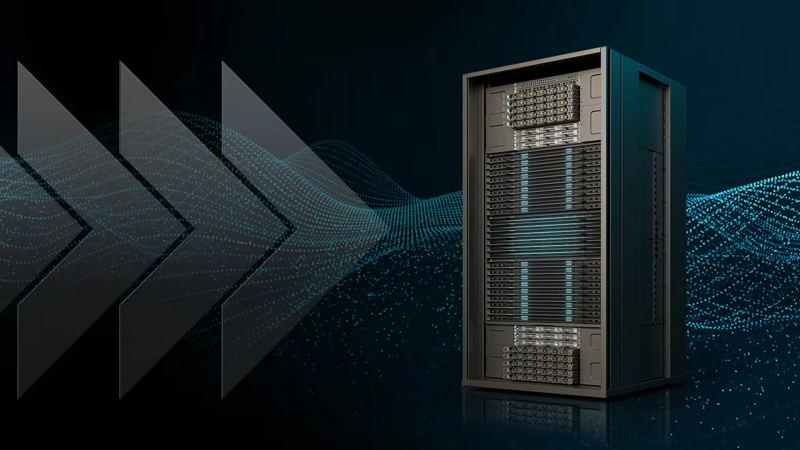
Arm's OCI expansion says the next AI hardware bottleneck is rack-scale orchestration efficiency, not accelerators alone
Arm says Oracle Cloud Infrastructure is joining its AGI CPU ecosystem, reinforcing the idea that AI hardware competition is broadening from GPUs toward the CPU-heavy control layers that feed agentic systems.
OpenAI's AWS rollout says frontier AI adoption is shifting from raw model access to enterprise operating fit
OpenAI is putting frontier models and Codex inside AWS workflows, signaling that the next AI adoption battle will be won on governance, procurement, and production fit rather than benchmark access alone.
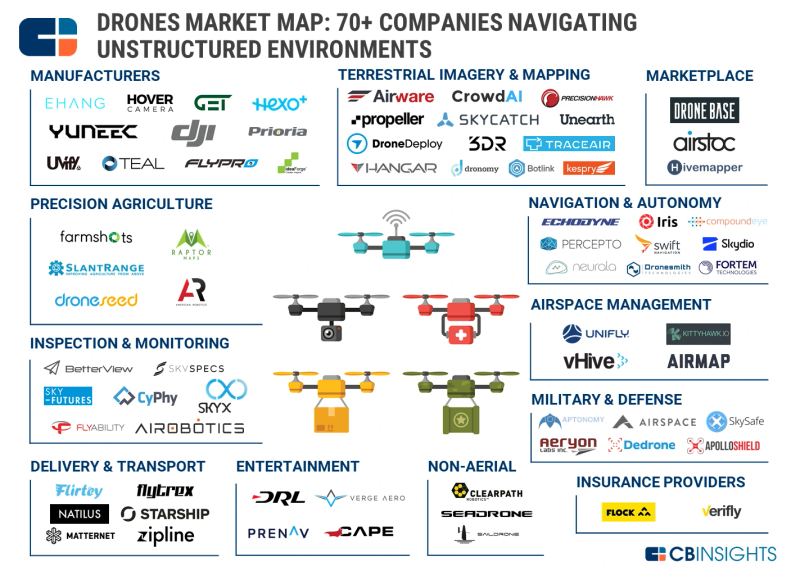
Skydio's manufacturing expansion and multi-drone control work say the drone market is maturing from hardware procurement toward always-on autonomous infrastructure
Skydio is pairing large-scale US manufacturing investment with cloud-coordinated multi-drone autonomy, a sign that commercial drone competition is moving toward infrastructure density and operational software.

Arm's AGI CPU push with Red Hat says AI hardware competition is moving from accelerators alone toward full production stacks
Arm's May 11, 2026 infrastructure update matters because it packages the AGI CPU with Red Hat's enterprise software into a deployable agentic AI stack aimed at real inference, orchestration, and hybrid-cloud operations.
NVIDIA's RTX Spark launch with Microsoft says the next AI hardware fight is moving from cloud racks back onto the personal computer
NVIDIA's June 1, 2026 RTX Spark launch matters because it reframes the Windows PC as a local agent machine with unified memory, security, and enough on-device AI performance to act as a teammate instead of a thin client.
NVIDIA and Microsoft say the real AI race is now about shipping one governed agent stack from laptop to cloud
The June 2, 2026 NVIDIA and Microsoft Build announcements matter because they recast agentic AI as a deployment-stack problem, where the winning platform is the one that keeps models, data, runtimes, and governance aligned from local devices to cloud infrastructure.