Cloudflare's new Precursor system shows the next big software security shift is not just blocking bots at the door but scoring behavior across an entire session as agents get good enough to look human in short bursts
Cloudflare has introduced Precursor, a session-based verification layer that continuously feeds behavioral signals into bot protection, reflecting a broader software reality: modern automation is no longer easiest to catch at login, but across the full flow of how an agent behaves after it gets in.
Cloudflare's new AI traffic controls show software platforms are becoming governors of the agentic web, not just hosts on it
Cloudflare's new controls for search, agent, and training crawlers matter because they turn AI traffic classification into a programmable platform feature for every site owner, including the free tier.
Cloudflare is trying to turn stablecoin payments into default internet plumbing for APIs, agents, and MCP tools
Cloudflare's Monetization Gateway matters because it treats stablecoin settlement and x402 not as a crypto side project, but as infrastructure for charging machines and agents by the request.

Google just turned AlphaEvolve from an internal AI coding experiment into a production optimization engine for cloud customers
Google's general-availability launch for AlphaEvolve matters because it pushes generative AI beyond assistant workflows and into direct algorithm search for logistics, semiconductors, genomics, financial services, and HPC workloads.
NVIDIA's new AI-factory financing model says the hardware race is shifting from chip supply to monetized capacity partnerships
NVIDIA's July 1 revenue-sharing and credit-support model for AI clouds matters because it turns accelerated compute into a financing product as well as a hardware sale, showing that the next infrastructure bottleneck is not only manufacturing more chips but funding and activating enough token-generating capacity quickly.
Cloudflare's Meerkat shows the next software bottleneck for AI platforms is global coordination, not just inference speed
Cloudflare's new Meerkat experiment matters because it tackles one of the least glamorous but most consequential problems in distributed software: how to keep global control-plane state strongly consistent without leader timeouts becoming the failure mode.

NVIDIA's RTX Spark push says the AI PC race is shifting from cloud copilots to agent-native local compute
NVIDIA's RTX Spark strategy matters because it reframes the next PC cycle around on-device agents, large local models, and unified memory rather than around thin client access to cloud AI, pushing hardware back into the center of the personal AI story.
Cloudflare's Monetization Gateway says the agent web needs usage billing baked into the request path, not bolted onto it later
Cloudflare's new Monetization Gateway and x402 waitlist turn stablecoin micropayments into an application-layer primitive for APIs, pages, datasets, and MCP tools, suggesting the software stack for AI agents will need native metering and payment validation.

Microsoft Build 2026 shows software platforms now want to own the full agent workflow from laptop shell to enterprise context
Microsoft's Build 2026 announcements matter because they connect Work IQ, local agent tooling, Windows developer features, and cloud orchestration into a single platform thesis: the next software winners will package agents as an operating layer, not as isolated copilots.

NVIDIA and Microsoft are turning AI hardware into a local agent workstation category with RTX Spark
The RTX Spark and Surface RTX Spark Dev Box launches matter because they reposition AI PCs from light inference gadgets into developer-grade machines meant to keep more models, data, and agent workflows on the desk instead of in the cloud.
Stripe's AWS WAF integration turns fintech into machine-payments plumbing, because the web is starting to charge AI agents directly for access
Stripe's June 15 AWS integration matters because it brings structured machine payments to protected content and APIs, pushing fintech deeper into agent-to-service traffic.

NVIDIA is no longer just selling chips, it is underwriting the next wave of AI factories with cloud-style economics
NVIDIA's July 1 AI-factory finance model matters because it uses revenue sharing and credit support to get GB300 and DSX capacity deployed faster for inference-heavy customers that cannot wait for traditional infrastructure build cycles.

Bethesda's Switch 2 move shows Nintendo is becoming part of the serious remaster economy again
Bethesda's July 1, 2026 Oblivion Remastered Switch 2 announcement matters because it brings a heavyweight western RPG remaster to Nintendo's new hardware and signals that major catalog titles increasingly expect portable premium releases, not just cloud or cut-down ports.
Cloudflare wants software to charge AI agents directly for every useful request
Cloudflare's July 1, 2026 Monetization Gateway launch matters because it tries to turn agent traffic, APIs, datasets, and MCP tools into metered software businesses without forcing every developer to build payments infrastructure from scratch.

Open USD says the next stablecoin war will be won by a consortium, not a single issuer
The June 30 Open USD launch matters because it reframes stablecoins from issuer-owned products into shared infrastructure backed by payment networks, banks, cloud firms, and crypto platforms.
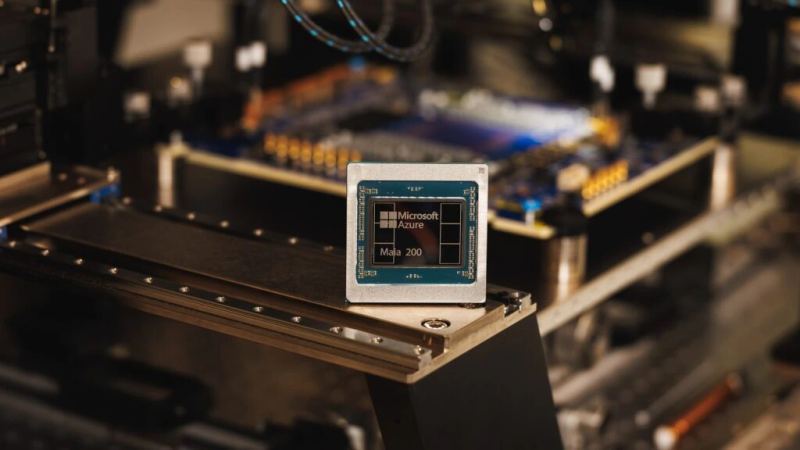
Microsoft's Maia 200 says AI hardware competition is moving from model glamour to inference economics
Microsoft's Maia 200 launch makes the next hardware battleground look less like training spectacle and more like token-cost control, memory design, and cloud-scale inference utilization.
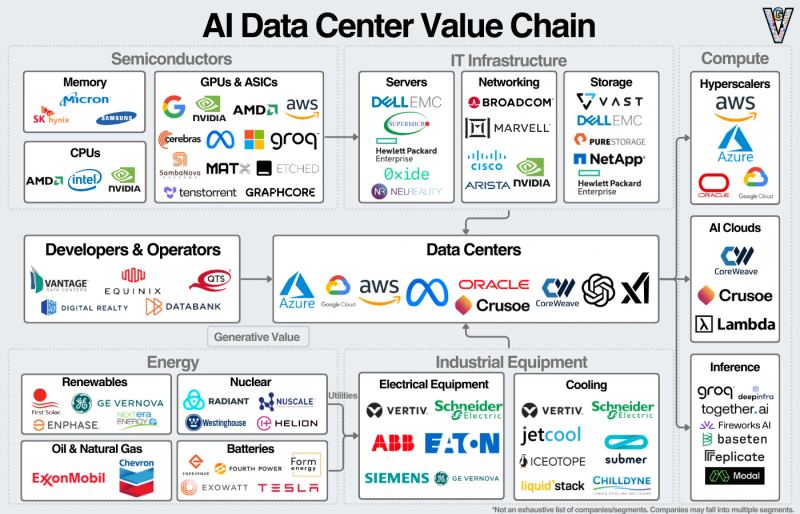
Qualcomm's Dragonfly roadmap says AI data centers are becoming an inference-economics contest, not a brute-force GPU race
Qualcomm's June 24 Dragonfly launch and Meta CPU agreement show the company trying to turn power efficiency, memory bandwidth, and rack-scale inference into a full data-center hardware wedge.
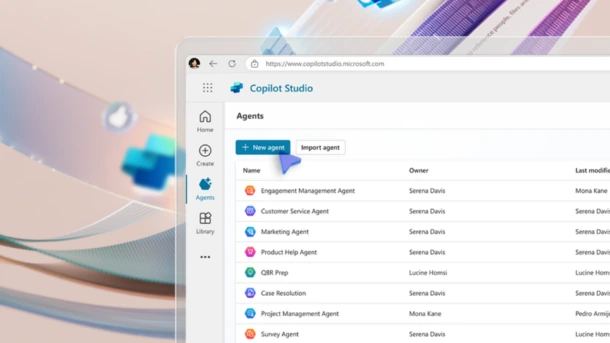
GitHub is turning Copilot into a desktop control plane for enterprise agents, not just an IDE autocomplete layer
GitHub's June Copilot app releases move the product toward an agent operations surface with parallel sessions, worktrees, cloud automations, and BYOK model routing, signaling a broader software shift from assistant features to managed agent workstations.
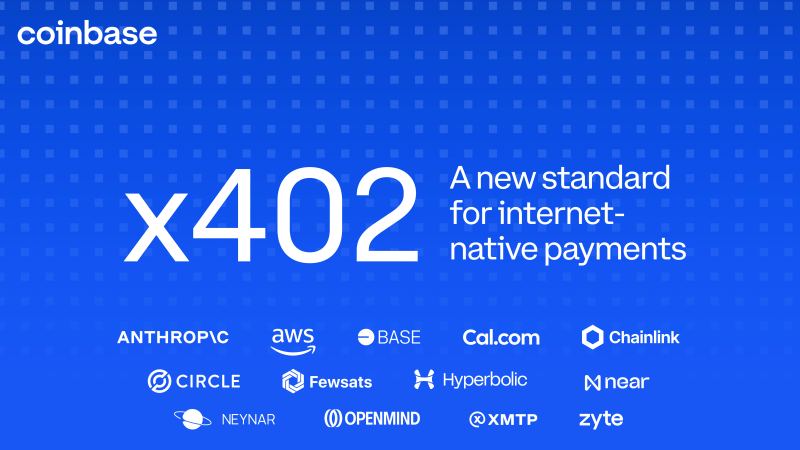
Coinbase and AWS push x402 from crypto experiment into CloudFront and WAF traffic monetization
Coinbase's x402 work with AWS points to a more practical crypto use case: letting APIs, agents, and websites charge tiny stablecoin payments directly at the network edge.
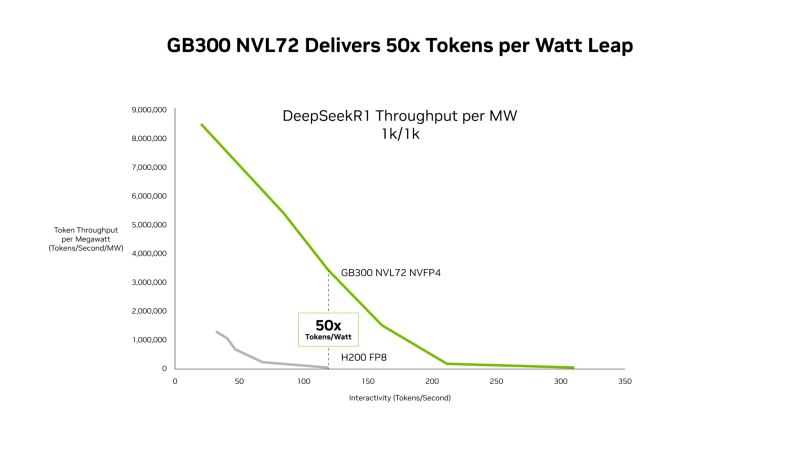
Qualcomm's Dragonfly roadmap says AI hardware competition is becoming a tokens-per-watt race
Qualcomm's June 24 Dragonfly data center push, plus Meta and Hugging Face agreements, shows the AI infrastructure market widening beyond GPU training clusters into efficient inference, CPUs, and developer deployment pipelines.

Xbox's June updates say gaming platform wars are shifting from showcase moments to everyday utility
Xbox's June 2026 insider updates and platform messaging suggest the next console battle is being fought not only with exclusives and event hype but with cloud continuity, identity features, and sticky service-layer convenience.

AMD and Rackspace are selling governed AI cloud as a product category, not just raw compute capacity
AMD's June 16 Rackspace agreement shows the hardware race shifting toward managed sovereign and regulated AI infrastructure, where governance and operations matter as much as accelerator supply.
OpenAI's Daybreak launch says frontier AI is becoming patch infrastructure, not just vulnerability radar
OpenAI's June 22 Daybreak expansion shows the next valuable AI security layer is not finding more flaws, but helping defenders validate, patch, and deploy fixes faster than attackers can move.
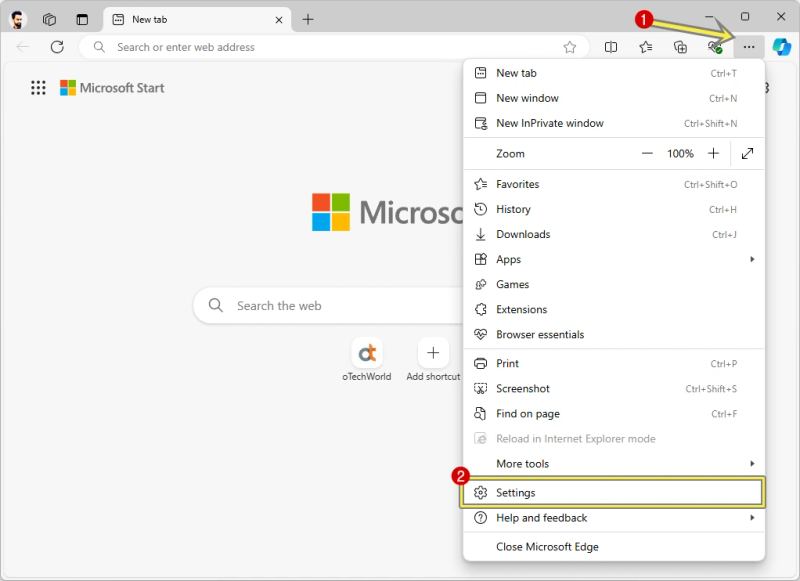
Stripe and AWS are building agent paywalls at the network edge, and that could reset how publishers charge machines
Stripe's June 15 partnership with AWS on AI traffic monetization shows fintech infrastructure moving into a new role: pricing, authorizing, and settling machine-to-machine payments before requests even hit the application.