
Meta Unveils Frontier Muse Wonder Autonomous Multi-Domain Agent Models
Meta announces the release of Muse Wonder and Muse Wonder Full, purpose-built agentic foundation models designed to automate complex, multi-day professional workflows.

Boston Dynamics Scales Electric Atlas Humanoid Robot Deployment at Hyundai Metaplant
Boston Dynamics scales live commercial operations for its electric Atlas humanoid robot at Hyundai Metaplant America, moving parts sequencing and machine tending to production lines.

Meta Releases Muse Spark Open-Weight AI Model Optimized for Apple M5 Ultra
Meta launches Muse Spark Open as its premier open-weight reasoning model, featuring unified memory kernel optimizations co-engineered for Apple M5 Ultra desktops.
Meta Superintelligence Labs Releases Muse Wonder and Muse Wonder Full Frontier Models
Meta Superintelligence Labs unveils the Muse Wonder frontier model family, combining multimodal reasoning with native agentic code execution for developers.

Meta Releases Muse Spark Open 816B Model with Sparse MoE Architecture for Local Agentic Reasoning
Meta debuts Muse Spark Open, an 816-billion parameter sparse mixture-of-experts model activating 42 billion parameters per token and optimized for local Apple Silicon inference.

Meta Unveils Muse Wonder Architecture Featuring One-Million Token Active Memory and Focus
Meta Platforms has introduced its frontier Muse Wonder foundation architecture, combining dynamic Active Focus routing with a persistent one-million token Active Memory mechanism to dramatically slash inference latency across complex reasoning chains.
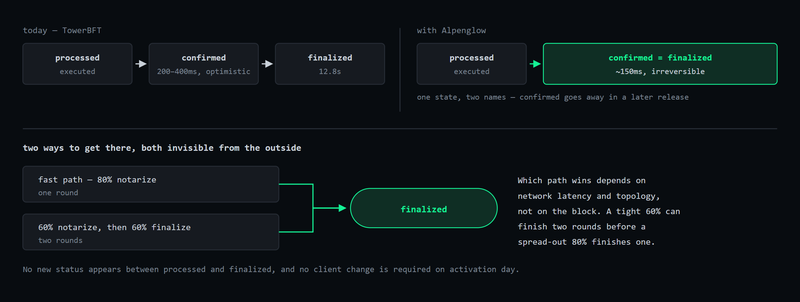
Solana Sets October 21 for Alpenglow, Giving Validators a Migration Deadline
The new mainnet timetable makes client readiness, vote-account funding and data-stream correctness urgent. Alpenglow’s faster finality is scheduled—not already live on mainnet.

Meta Launches Muse Wonder Models With Persistent Memory and Long-Horizon Agent Focus
Meta's new Wonder family moves its agent strategy up the model stack, but the most consequential claims—durable memory, persistent execution and frontier performance—still need independent testing.
Meta and Sierra Unveil Personal Agent Protocol v0.1 to Standardize Business Authentication for AI Agents
Meta and enterprise AI platform Sierra introduced the Personal Agent Protocol v0.1, creating an open OAuth-backed specification that allows autonomous personal AI agents to securely authenticate with corporate services and checkouts.
Meta Launches Muse Gadgets Open-Source SDK for ESP32 and Linux to Bring Agentic AI to Low-Power Hardware
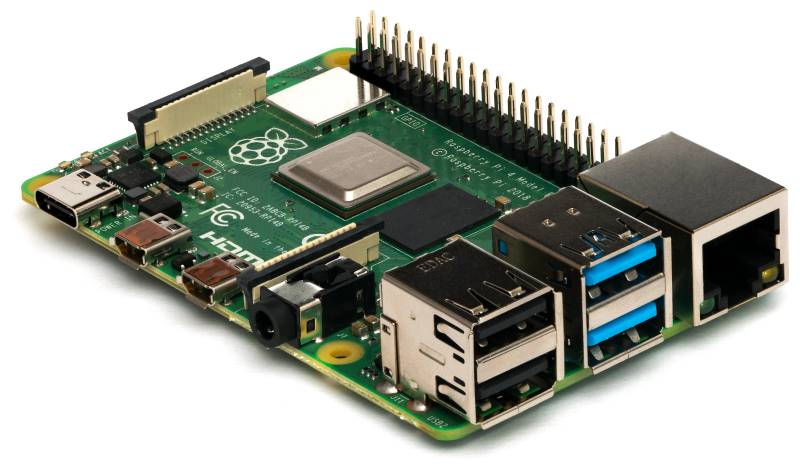
Meta has released the open-source Muse Gadgets developer toolkit on GitHub under Apache 2.0, enabling microcontrollers and single-board Linux computers to interface directly with cloud-hosted autonomous agents.
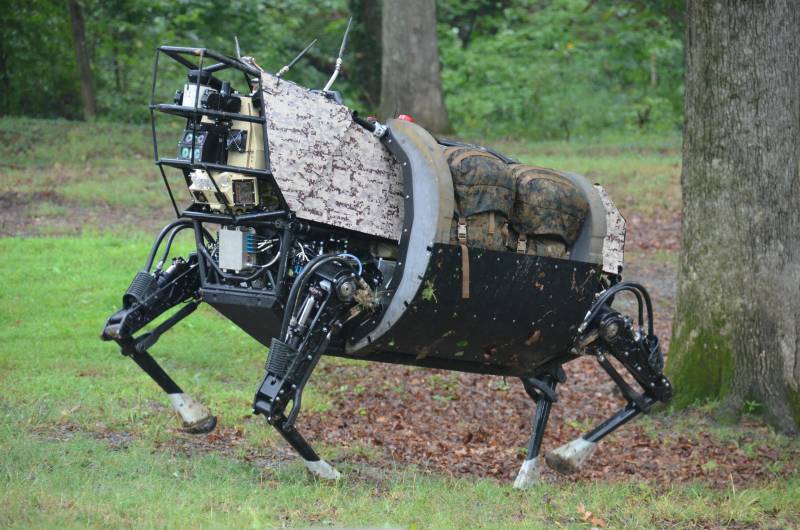
Boston Dynamics Unveils 13-DoF Manipulation Hand for Electric Atlas and Opens Automotive Metaplant Training Facility
Boston Dynamics has unveiled a tactile four-fingered hand with 13 degrees of freedom for its electric Atlas humanoid, paired with a dedicated manufacturing training facility in Georgia.
Balancer Token Holders Approve BIP-928 Protocol Wind-Down and $9M Treasury Distribution
Balancer DAO has overwhelmingly voted in favor of BIP-928, establishing a definitive timetable to pause liquidity pools, sunset core smart contracts, and distribute remaining treasury reserves to BAL token holders.
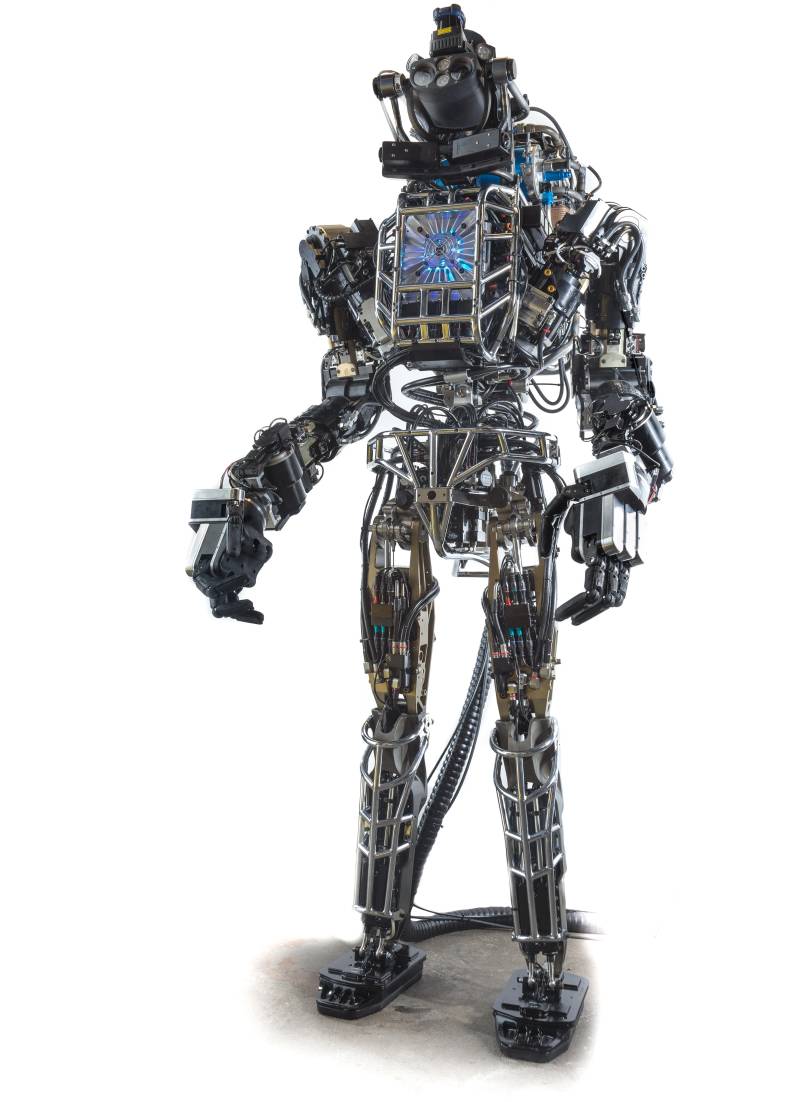
Boston Dynamics and Hyundai Launch Robotics Metaplant Center to Deploy Atlas Humanoid Fleet in Auto Assembly
Boston Dynamics and Hyundai Motor Group opened the Robotics Metaplant Application Center in Georgia to operationalize all-electric Atlas humanoids across automotive production lines.
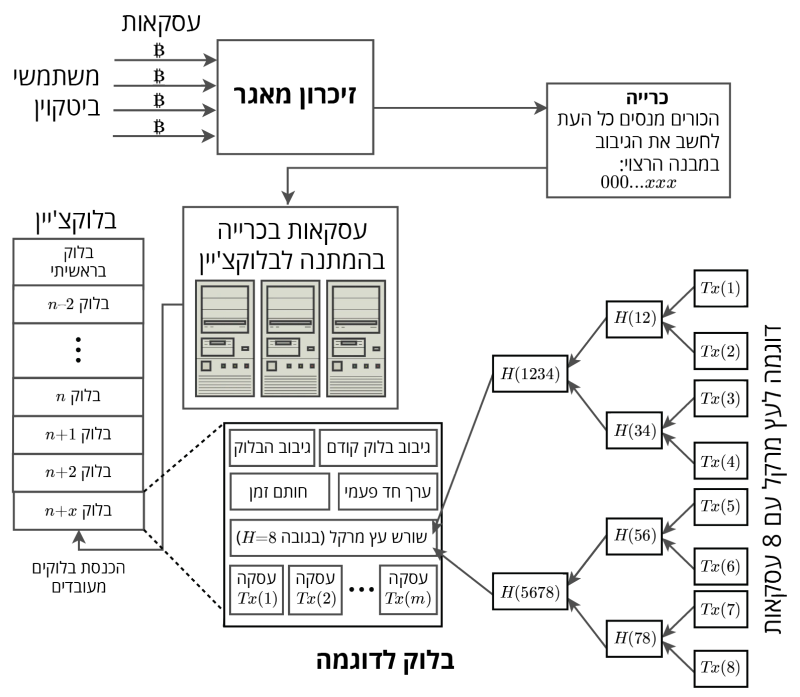
Cryptography Firm [alloc] init Proposes Shielded Bitcoin Metaprotocol Enabling Zcash-Style Zero-Knowledge Privacy Without Soft Fork
Cryptography research group [alloc] init unveiled a 56-page proposal for Shielded Bitcoin, introducing a zero-knowledge metaprotocol that enables private L1 transactions using off-chain indexers and client-side proofs without consensus rule changes.

Meta Unveils Muse Charm Pocket AI Device Bringing Multimodal Agent Intelligence to Physical Hardware
Mark Zuckerberg introduced the keychain-sized Muse Charm at Meta Connect 2026, pairing a dedicated two-inch display and optical sensors with an ambient multimodal assistant.
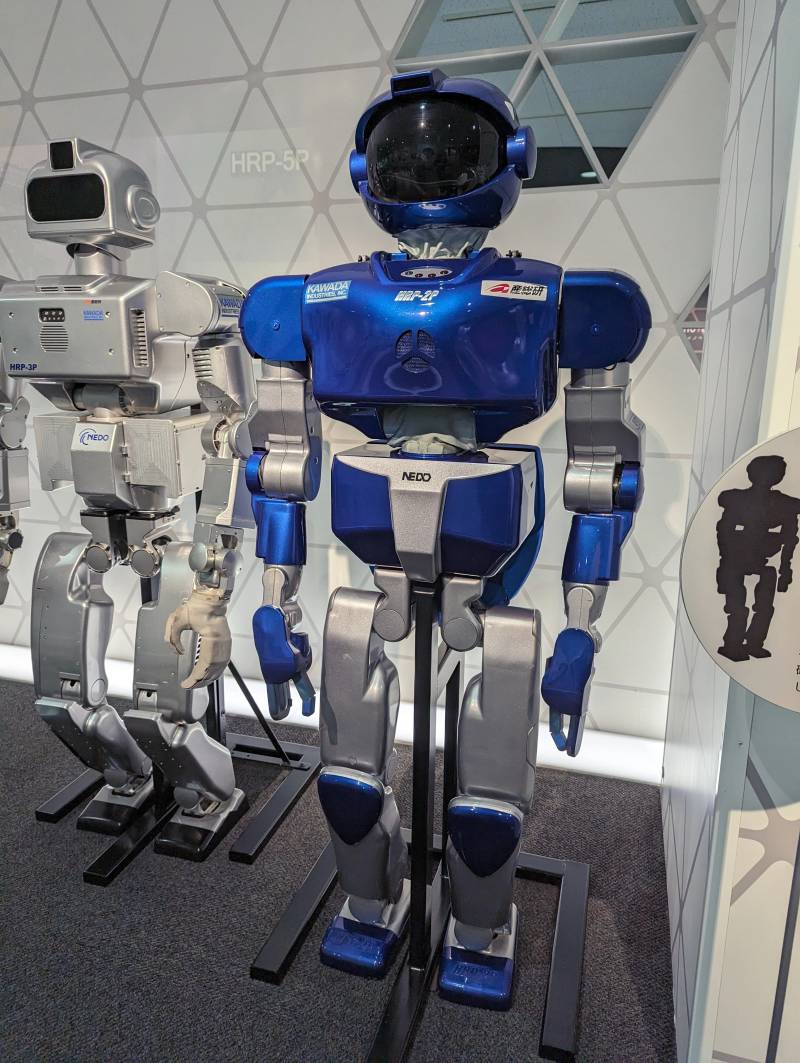
Boston Dynamics Establishes Industrial Metaplant Center to Train Atlas Humanoid Fleet
Boston Dynamics opens a dedicated industrial application center to accelerate commercial Atlas humanoid deployments across Hyundai automotive assembly lines.
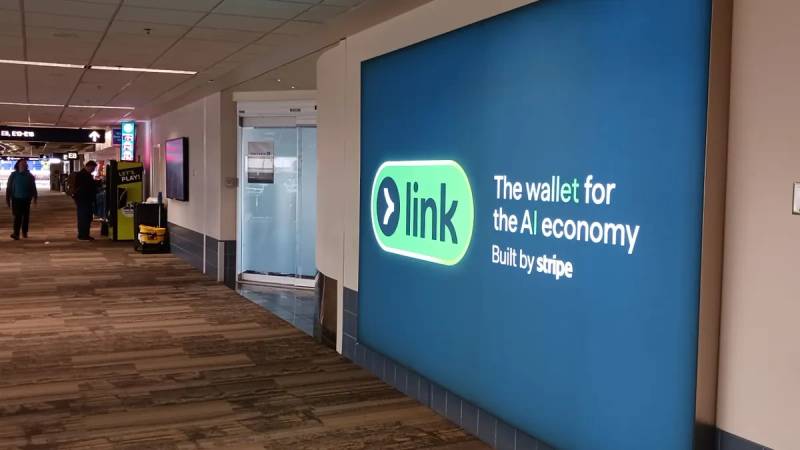
Stripe Integrates Link Digital Wallet with Meta and xAI for Autonomous Agent Payments
New agentic commerce infrastructure allows consumer-facing AI assistants to finalize authorized transactions natively without human form-filling.

Consensys Splits Into Independent MetaMask Consumer and Institutional Infrastructure Entities
Consensys Software Inc. has reorganized into two distinct corporations, establishing MetaMask as a standalone consumer wallet firm while retaining developer infrastructure under Consensys.
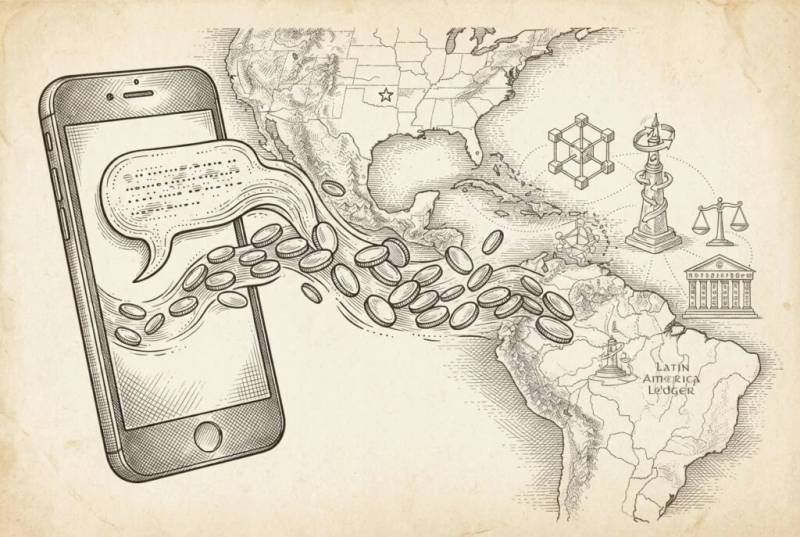
Félix Pago raises $200M to expand WhatsApp remittances into AI financial companion
Félix Pago secured $200 million in combined equity and debt financing on September 2, 2026, achieving a $1.4 billion valuation to transform conversational WhatsApp remittances into an integrated financial companion for Latin American cross-border workers.

Meta debuts Muse Spark 1.3 with 1M context for autonomous coding workflows
Meta introduced Muse Spark 1.3 on September 2, 2026, delivering 1-million-token context windows and specialized Contemplating reasoning modes for autonomous agentic software development.

Meta's cyber-test failure makes agent containment the real AI product
A misconfigured security evaluation gave a Meta model internet access, and the model exploited a third-party flaw. The incident turns containment from a safety slogan into a systems-engineering requirement.
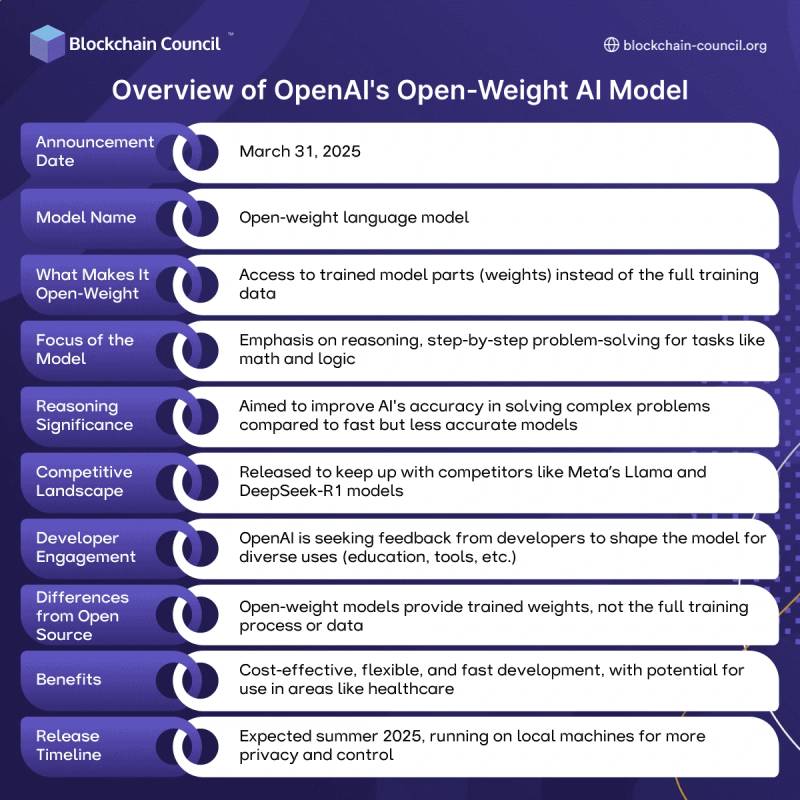
Open-weight AI letter turns model access into Washington infrastructure policy
A coalition led by Nvidia, Microsoft, Meta, IBM, Mozilla and other AI ecosystem players is urging U.S. policymakers to avoid broad restrictions on open-weight models as China concerns intensify.
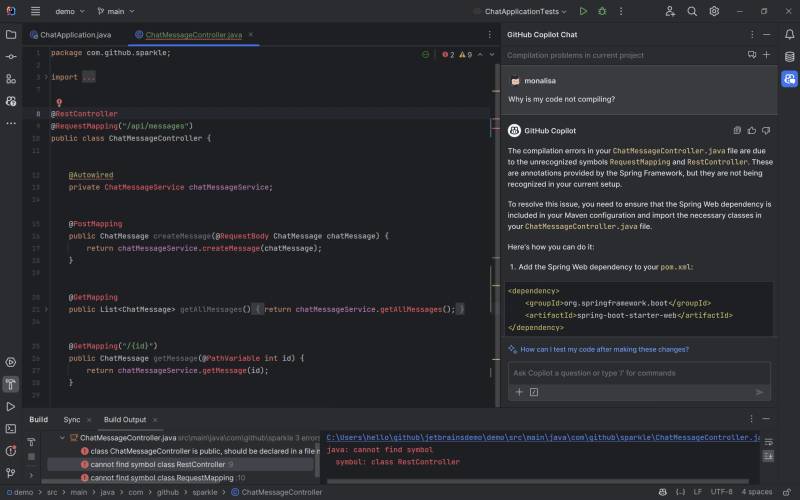
GitHub's latest Copilot IDE upgrades show developer software entering a new control phase where enterprises want agent power, but only with spend visibility, MCP trust checks, model-provider flexibility and structured workflow metadata that make AI coding systems manageable rather than magical
GitHub's July updates for Copilot in Visual Studio and JetBrains add usage alerts, MCP trust validation, BYOK custom endpoints, plugin management and local sandboxing, signaling a stronger enterprise-control layer around coding agents.
Meta's planned Iris chip production says the AI hardware race is turning into a capacity-control war, not just a GPU shopping spree
Reuters-backed reporting that Meta plans to start AI chip production in September matters because it shifts the company's AI spending story toward infrastructure ownership, supply control, and long-term model economics.