Circle's managed-payments push says stablecoins win the mainstream only when crypto disappears behind familiar fiat workflows
Circle's April and May product updates matter because they turn stablecoin settlement into a managed service for banks and PSPs instead of asking every institution to become a crypto operator.
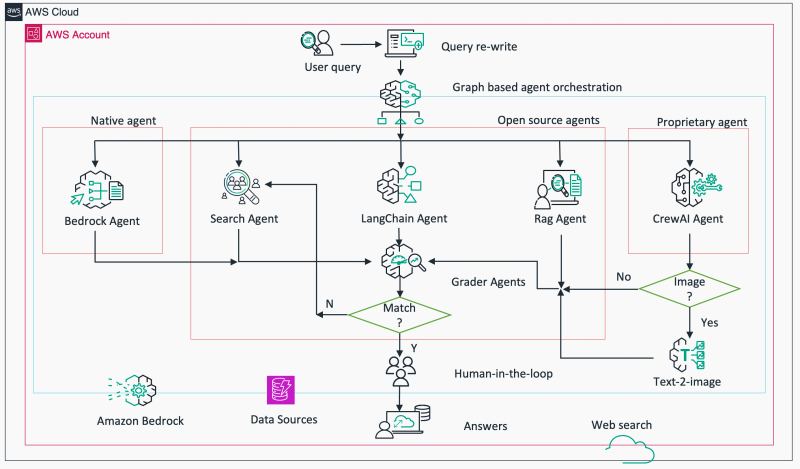
Stripe and AWS are turning agent payments into infrastructure instead of bespoke crypto plumbing
Stripe's May 7 partnership with AWS AgentCore matters because it packages wallets, spending controls, and stablecoin settlement into a managed payment layer for autonomous software agents.
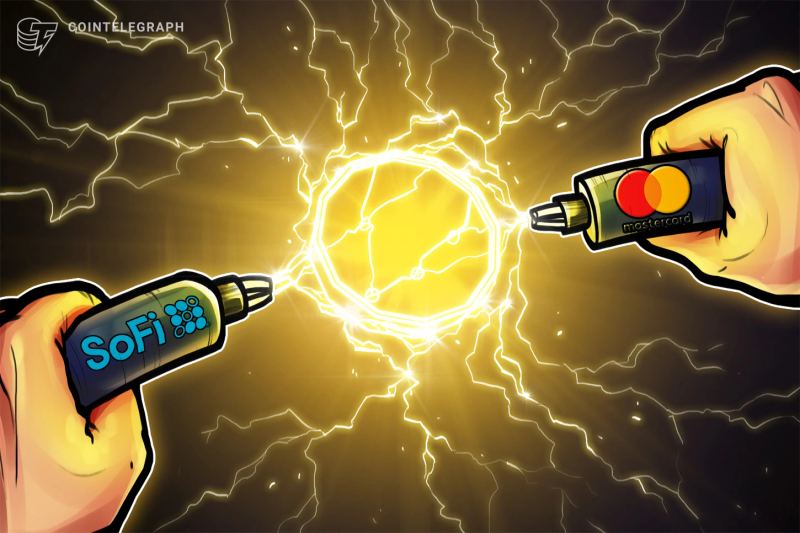
Coinbase wants branded stablecoins to become the default money rail for apps, platforms, and AI agents
Coinbase's custom stablecoin push matters because it shifts the market from trading tokens toward distributing programmable dollar rails that businesses and autonomous agents can actually use at scale.

Stripe is trying to make stablecoin treasury feel like a normal business finance primitive
Stripe's stablecoin financial accounts matter because they push crypto-linked money management into the mainstream fintech dashboard, where businesses already handle payments, balances, and spending.
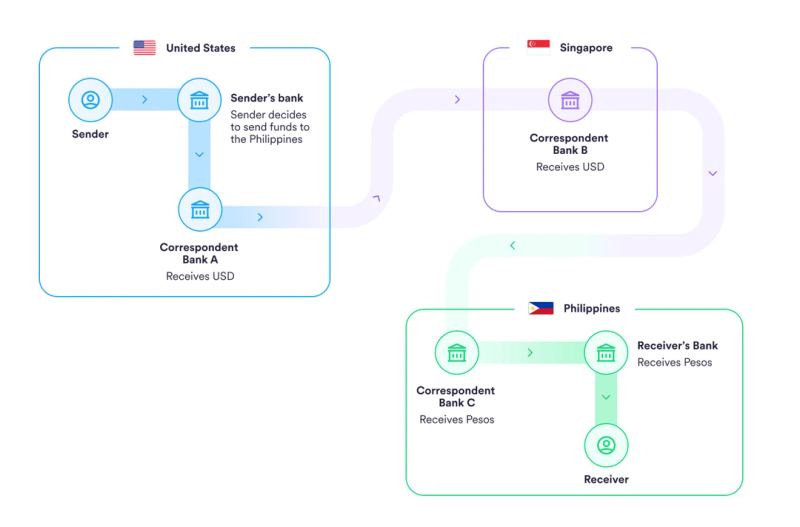
Circle wants CPN to turn stablecoins from crypto instruments into a real payments coordination layer
Circle's Payments Network push is notable because it treats stablecoins less like speculative assets and more like cross-border settlement plumbing for regulated financial institutions.
FIS Project Keystone shows banks want digital money without surrendering the issuance layer
FIS's new Project Keystone matters because it frames tokenized money as a bank-administered settlement upgrade rather than a stablecoin displacement story.

Visa's five-chain stablecoin expansion says crypto settlement is entering its multi-chain operating phase
Visa's latest stablecoin move is less about adding blockchains for marketing optics and more about admitting that mainstream crypto settlement will be negotiated across multiple chains, partners, and compliance models at once.

Skydio's $3.5 billion manufacturing push says drone competition is moving from clever autonomy to industrial scale
Skydio's latest manufacturing commitment shows the drone market maturing into a supply-chain and production-capacity contest, especially for national security, utilities, and public-safety buyers.

Mastercard and MoonPay are trying to turn stablecoins into everyday card-rail commerce
Mastercard's MoonPay partnership suggests the next stablecoin battleground is not token issuance alone, but whether crypto balances can move through familiar merchant rails at global scale.

Payward's Reap deal says stablecoin infrastructure is becoming a B2B payments stack
Payward's planned acquisition of Reap shows the crypto market's most serious commercial energy shifting from token speculation toward card issuing, treasury, and cross-border payment infrastructure.
Mesh and Stellar are betting that stablecoin payments win only when settlement rails look institutional
Mesh's May 7, 2026 integration with Stellar shows the crypto payments market shifting away from speculative token narratives and toward institution-grade settlement, regulated liquidity, and interoperable payment infrastructure.

Stripe's Sessions launch says fintech now needs agent wallets and streaming payments, not just better checkout
Stripe's April 29, 2026 Sessions announcements argue that AI is changing fintech from merchant tooling into economic infrastructure for agents, stablecoin micropayments, and programmable treasury flows.

Mastercard's crypto push says stablecoins are becoming payment-network business, not exchange side business
Mastercard's March 2026 crypto program, trust framework, and BVNK acquisition point to a market where stablecoin infrastructure is being folded into mainstream payment-network strategy rather than left to standalone crypto firms.

Western Union's USDPT launch says stablecoins are finally becoming remittance infrastructure, not just crypto liquidity
Western Union's May 4, 2026 USDPT launch on Solana turns the stablecoin story into a live test of whether regulated digital dollars can improve global remittance settlement.
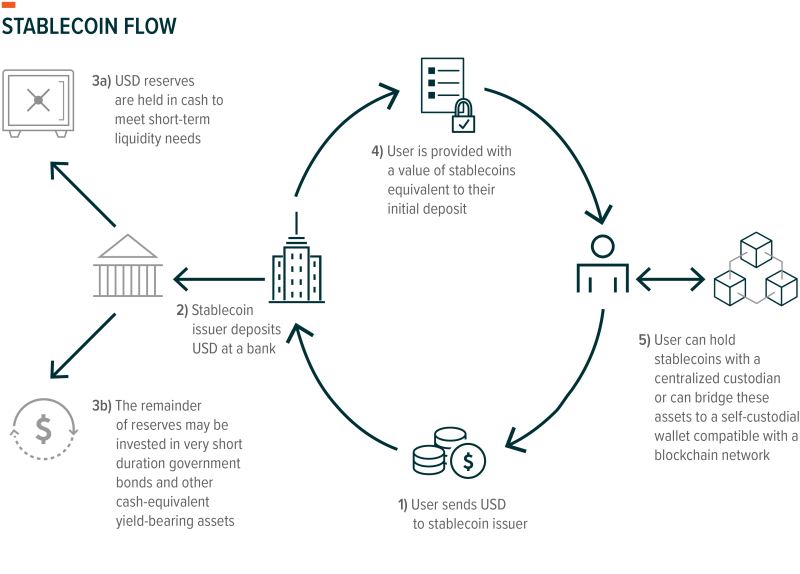
Circle's Agent Stack launch says stablecoins are becoming operating rails for software, not just assets for traders
Circle's May 11, 2026 Agent Stack rollout packages wallets, nanopayments, service discovery, and machine-speed settlement into an explicit stablecoin infrastructure play for autonomous software.

Mobilicom's SkyHopper Tactical launch shows drone autonomy now depends on trusted communications as much as airframes
Mobilicom's SkyHopper Tactical wearable SDR is a small but telling drone-market signal: as unmanned systems move into contested environments, the bottleneck is increasingly secure communications, electronic resilience, and trusted autonomy infrastructure.
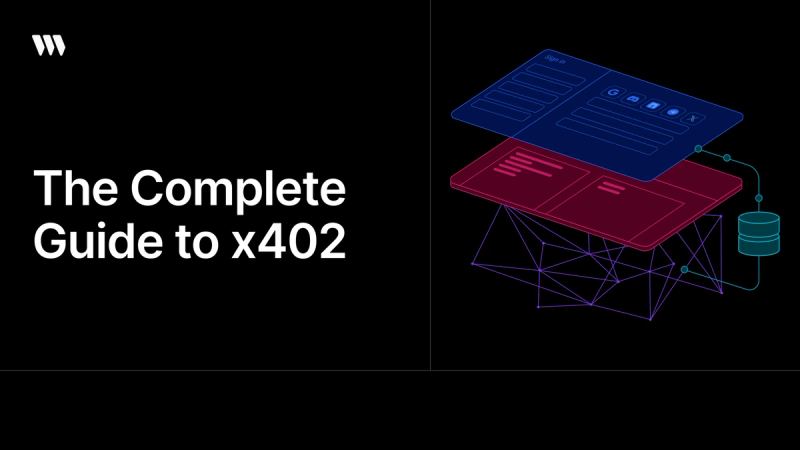
Cryptorefills' x402 checkout launch says DeFi's next useful interface may be an HTTP payment request
Cryptorefills enabling x402 checkout for AI agents is a practical DeFi signal: stablecoins are moving from trading liquidity into machine-readable commerce where agents can discover a price, settle in USDC, and complete a purchase without a card flow.
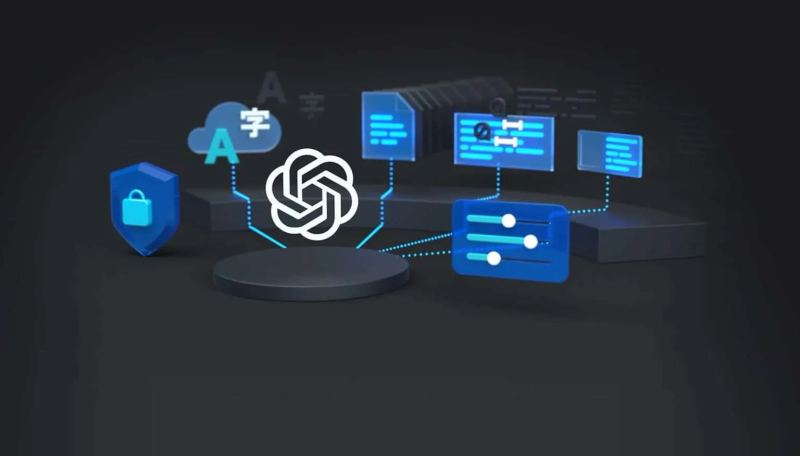
OpenAI's Daybreak launch turns frontier models into a managed operating surface for defenders, not just red teams
OpenAI's May 12 Daybreak release packages GPT-5.5-class cyber models, trusted-access controls, and operator workflows into a security product aimed at SOC teams that need faster analysis without exposing frontier capabilities as a free-for-all.

Coinbase's Q1 report says the next crypto cycle is being built on derivatives, stablecoins, and agent payments
Coinbase says Q1 2026 pushed its crypto trading market share to an all-time high while Base and USDC became larger parts of the exchange's thesis for payments, prediction markets, and agentic commerce.

Visa and Wealthsimple's Canada pilot makes stablecoin settlement look like fintech plumbing, not crypto theater
Visa's expanding stablecoin network and its new Canada pilot with Wealthsimple show how card-era payment companies are wrapping blockchain settlement inside familiar institutional controls instead of trying to replace them.

Circle's Q1 says stablecoins are graduating from crypto trade to AI-era financial plumbing
Circle's first-quarter results paired surging USDC usage with an ARC token presale and a new agent stack, making a clearer case that stablecoin infrastructure is expanding beyond trading into programmable payments and machine commerce.
Circle's nanopayments mainnet says agent commerce needs rails smaller than card payments
Circle's gas-free USDC nanopayments are live on mainnet, turning machine-scale transactions from a crypto demo into something builders can actually wire into agents, APIs, and usage-based software.

Kyriba and Circle bringing USDC into treasury software says stablecoins are moving from crypto strategy decks into operating finance
The April 28, 2026 Kyriba-Circle tie-up matters because it places stablecoin execution inside enterprise treasury workflows, where finance teams care less about token ideology and more about cash visibility, policy controls, and 24/7 liquidity.
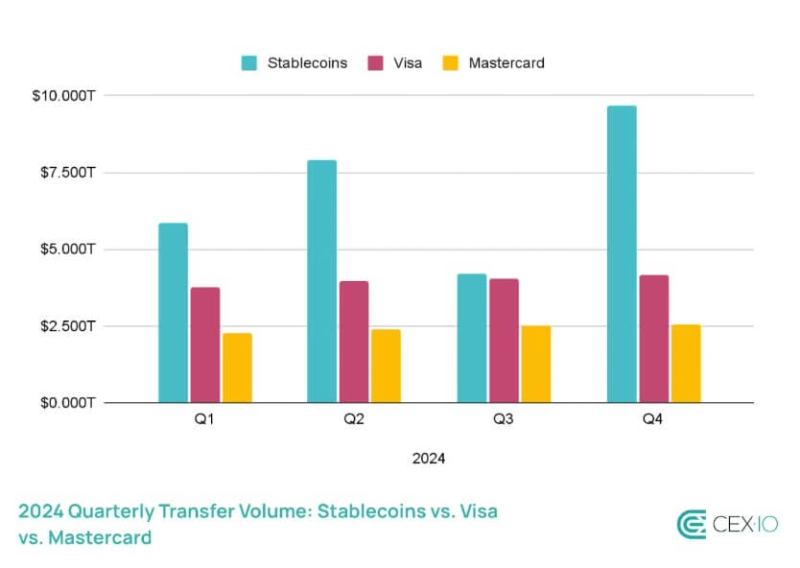
Visa's nine-chain stablecoin expansion says crypto infrastructure is being judged on settlement utility
Visa's expansion of its stablecoin settlement pilot to nine blockchains matters less as a crypto headline than as an infrastructure signal. The company is trying to make stablecoins useful where card networks and treasury teams care most: reliable settlement, partner optionality, and the ability to operate across multiple chains without betting the business on one of them.