Software Morning Briefing: AI Infrastructure, Enterprise Pivots, and Market Shifts
A roundup of today’s software landscape: Zyphra’s AMD-backed AI cloud, BlackBerry’s automotive cybersecurity pivot, Paycom’s earnings beat, and critical warnings on cracked software distribution.
Morning Briefing: Coinbase Cuts Staff, AI Citation Wars Intensify, and Geopolitical Shocks Hit Crypto
As Coinbase trims 14% of its workforce and doubles down on AI, major exchanges compete for citation dominance while South Korea deploys regulatory trackers and Digital Asset Holdings secures a $2B valuation.

Fintech Morning Briefing: Digital Shifts, Stablecoin Ties, and Branch Restructuring
A roundup of global banking updates, from Mastercard’s stablecoin partnership and Nigerian digital gains to UK branch closures and Indian transit payments.
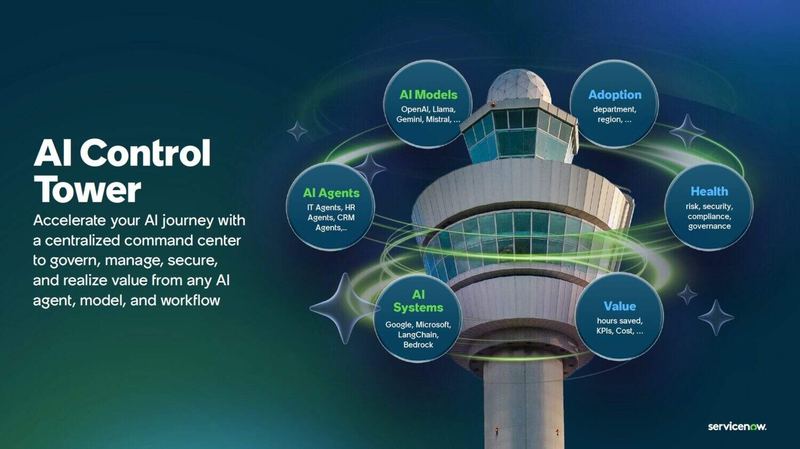
ServiceNow's AI Control Tower expansion says enterprise software is racing to become the operating layer above agents
ServiceNow expanded AI Control Tower on May 5, 2026 with broader discovery, runtime observability, governance, security, and ROI tracking across third-party AI systems. The move matters because enterprise software platforms are competing to become the layer that can see, govern, and shut down agents across fragmented model, cloud, and workflow environments.

Sysdig's headless cloud security launch says enterprise software is being rebuilt for agent-to-agent operation
Sysdig announced on May 6, 2026 that it introduced what it called the industry's first headless cloud security platform built for AI agents. The significance is not the branding alone. Software vendors are increasingly redesigning core products so security, policy, and telemetry can be consumed directly by autonomous systems and coding agents rather than by humans staring at dashboards.

Coinbase's Q1 results say the crypto battleground is shifting from trading fees to stablecoin and agent rails
Coinbase said on May 7, 2026 that it reached an all-time high in crypto trading volume market share while Base processed 62% of global onchain stablecoin transaction volume and more than 90% of onchain agentic stablecoin volume. The real signal is that exchange economics are increasingly being rebuilt around stablecoin distribution, payments infrastructure, and machine-to-machine commerce.

Western Union's USDPT buildout shows stablecoins are becoming consumer fintech infrastructure
Western Union said on May 4, 2026 that it selected Fireblocks to power the infrastructure behind its USDPT stablecoin. That matters because one of the largest remittance and money-movement brands in the world is treating stablecoins not as a side experiment, but as a new settlement and consumer-services layer for cross-border finance.

Corpay's JPMorgan and BVNK deal shows stablecoin settlement is moving into enterprise treasury plumbing
Corpay said on May 5, 2026 that it added blockchain-based settlement to its cross-border payments platform through JP Morgan's Kinexys private blockchain and BVNK's stablecoin interoperability rails. The significance is bigger than one partner stack: stablecoins and tokenized fiat are starting to slot into existing corporate payment workflows as another settlement rail rather than a separate crypto experiment.
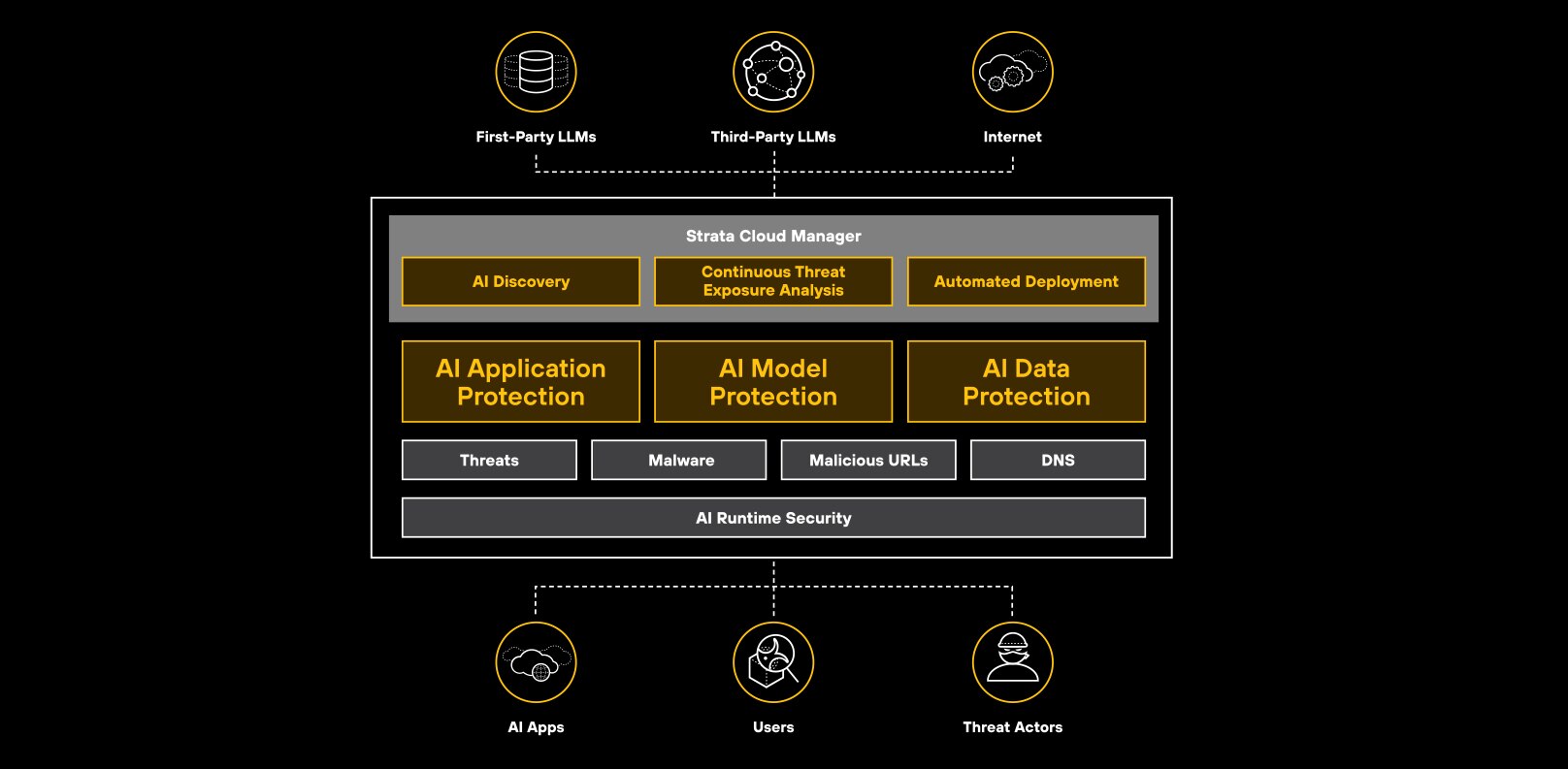
Cognizant's Secure AI Services launch says enterprise AI is becoming a runtime security market
Cognizant's May 7, 2026 launch of Secure AI Services matters because large enterprises are moving beyond pilots into agentic systems that touch live workflows, data, and identities. The commercial opening is no longer only about better models. It is about whether companies can secure and govern autonomous AI in production well enough to pass audit, compliance, and operational trust tests.

AeroVironment’s White Sands laser test shows U.S. counter-drone defense is moving toward domestic deployment
AeroVironment said on May 6, 2026 that its LOCUST laser system completed a landmark counter-drone test at White Sands in coordination with Joint Interagency Task Force 401 and the FAA. The result matters because directed-energy counter-UAS systems are moving from concept demonstrations toward domestic operational pilots tied to infrastructure protection and homeland airspace security.

Mesh makes Stellar a core settlement layer as stablecoin payments move closer to enterprise rails
Mesh said on May 7, 2026 that it has integrated the Stellar network as a core settlement layer for its payments ecosystem. The announcement is significant because it frames stablecoin infrastructure less as speculative crypto plumbing and more as production-grade settlement for enterprises that care about uptime, fiat connectivity, and compliance.
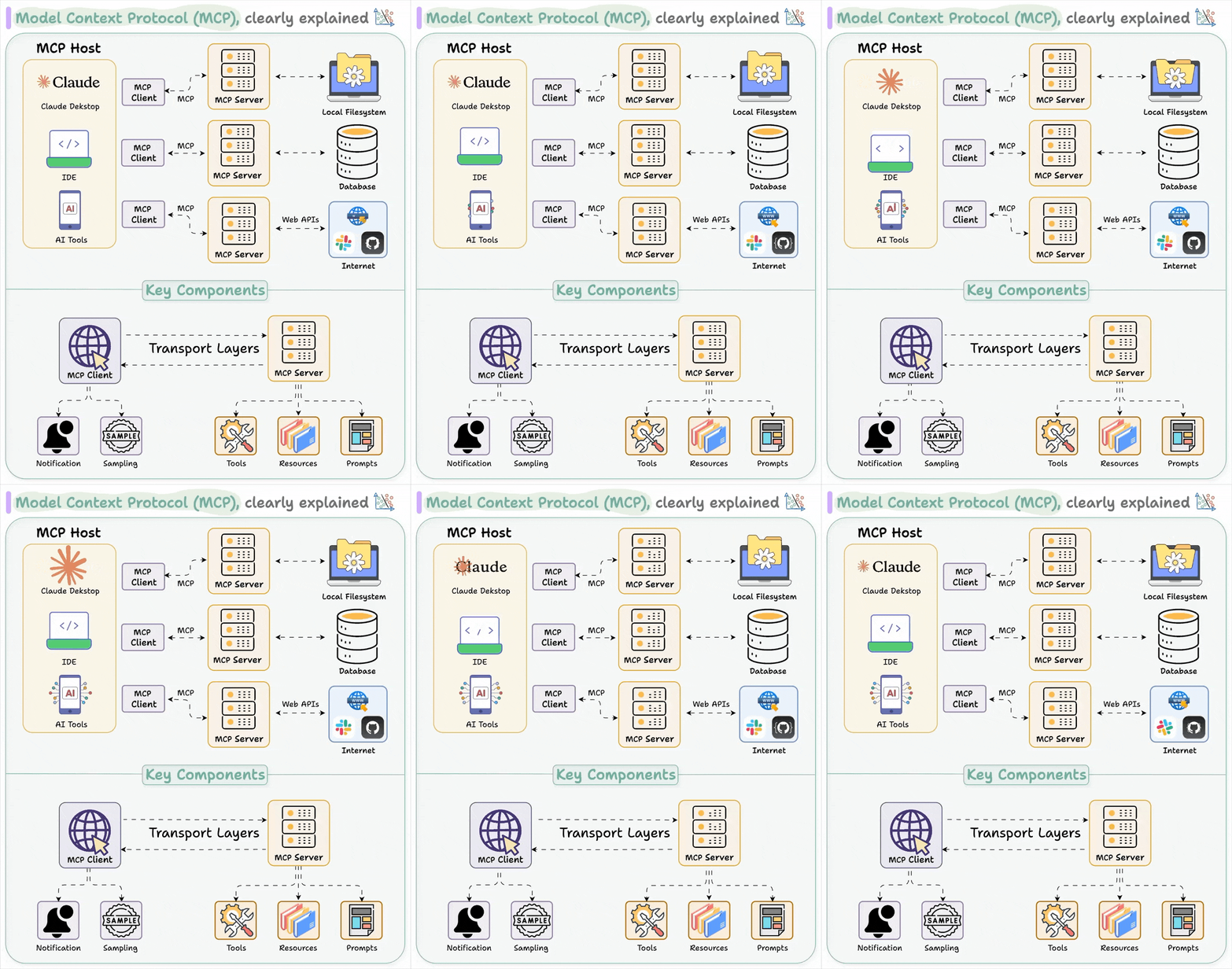
Jitterbit's MCP gateway says enterprise software now has to inspect what AI agents send and do
Jitterbit's May 6, 2026 MCP launch matters because it treats agent connectivity as a software-governance problem, not only an integration problem. If agents are going to call tools, move data, and trigger workflows across enterprise systems, software platforms increasingly need a secure message layer that can see and control those interactions in flight.

South Korea's bank-led KRW stablecoin pilot says post-quantum security is entering regulated crypto rails
BTQ's May 6, 2026 role in South Korea's first bank-led won stablecoin proof-of-concept matters because it moves post-quantum cryptography from theory into regulated digital money infrastructure. The bigger implication is that stablecoin design is starting to absorb longer-horizon security assumptions before mass retail adoption forces emergency retrofits later.
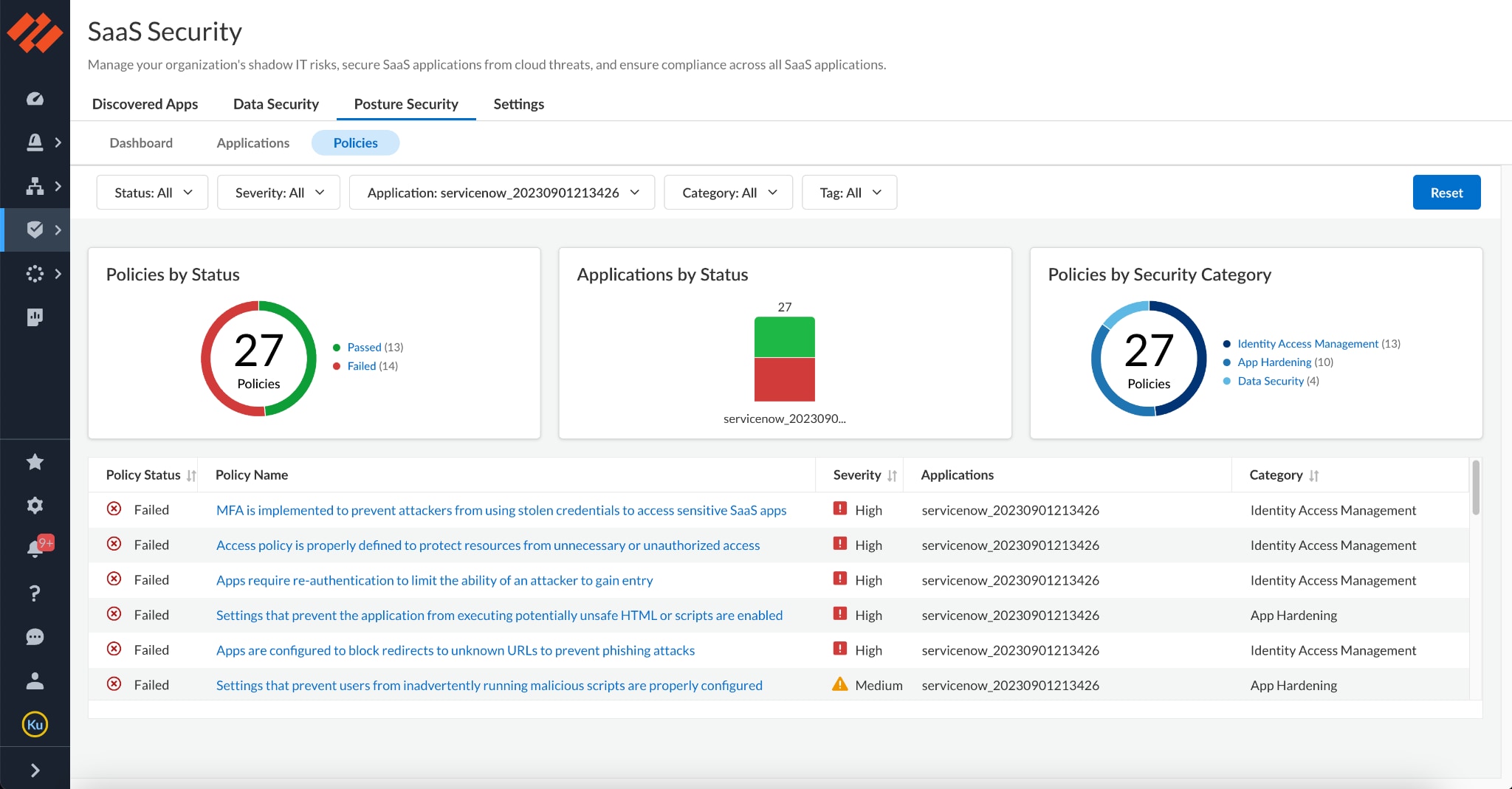
Palo Alto's latest SaaS warning says software teams still are not ready for employees with AI agents
Palo Alto Networks' May 6 warning about securing SaaS and enterprise data in the age of AI agents matters because it reframes software risk around machine-operated identity and delegated action. If every employee gains an agent that can browse, connect, retrieve, and act across SaaS tools, software security stops being a user-permission problem and becomes an orchestration problem.
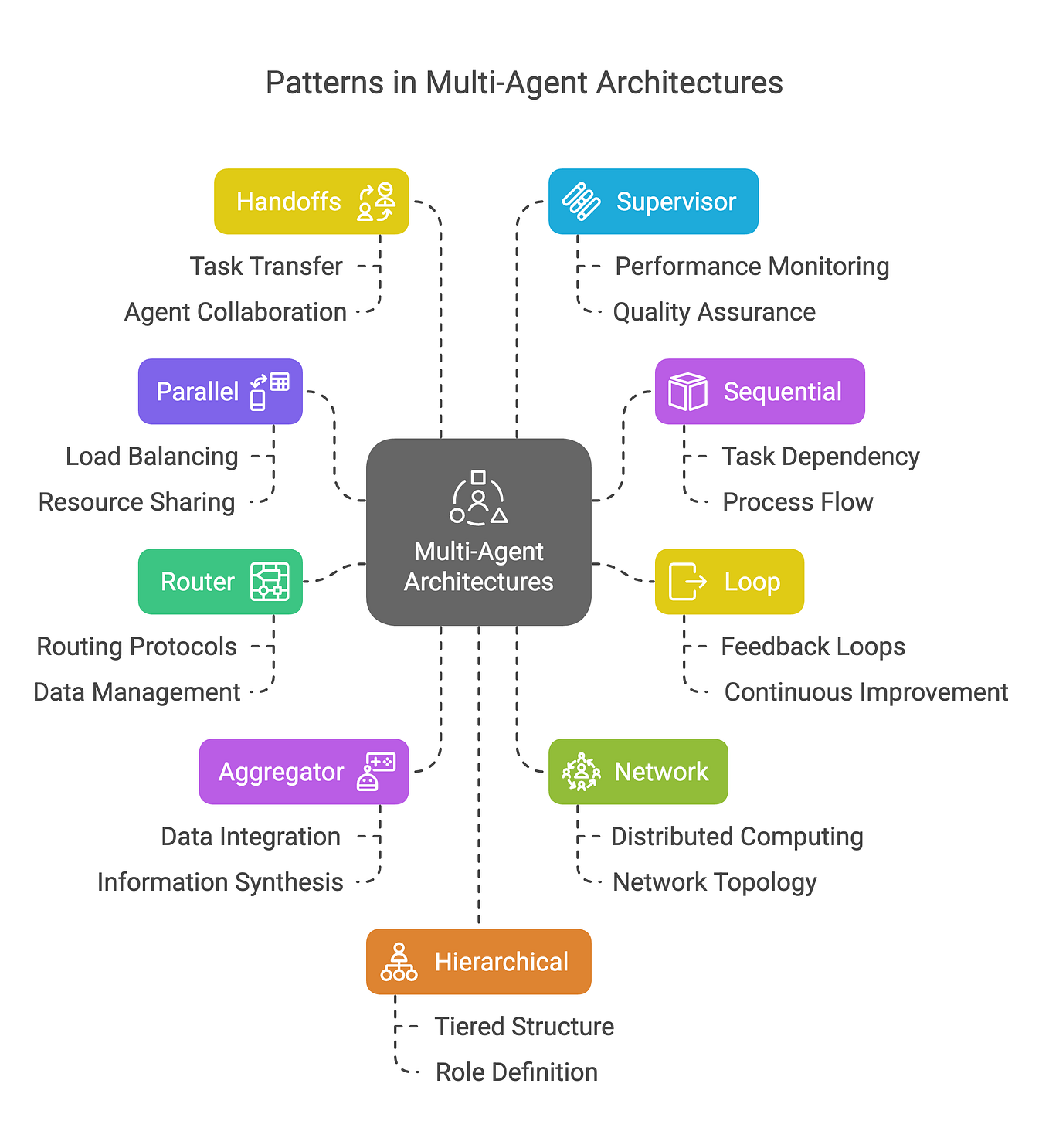
UiPath's public-sector release says agentic AI is moving on-prem before many governments trust the cloud
UiPath's May 5 and May 6 rollout of on-premises agentic AI capabilities for government buyers matters because it pushes the agent story into one of the most constrained enterprise environments. If public-sector teams want automation and agents without giving up data residency, air-gapped controls, and procurement discipline, the next AI battleground becomes deployment architecture rather than model novelty.

Visa's new nine-chain stablecoin pilot says crypto settlement is leaving the test lane
Visa's April 29 expansion of its stablecoin settlement pilot to nine blockchains is a stronger market signal than another crypto infrastructure launch. When a global card network says its annualized stablecoin settlement run rate has reached $7 billion and broadens support across Base, Polygon, Canton, Arc, and Tempo, the DeFi question changes from whether tokenized dollars work to where institutional settlement will actually standardize.

Lattice's AMI deal says the cloud control stack is becoming hardware's new choke point
Lattice's planned acquisition of AMI matters because it reveals where value is accumulating in AI hardware: not only in accelerators, but in the low-level control, firmware, and manageability layer that keeps complex cloud systems secure and operational. As datacenters grow more modular and AI-heavy, control-plane tooling is becoming a strategic silicon story.

Stablecoin rewards compromise puts Washington's crypto market-structure bill back in motion
The latest CLARITY Act breakthrough matters because it narrows the fight that has kept U.S. crypto legislation stuck between banks and digital-asset firms. If lawmakers can separate activity-based stablecoin incentives from bank-like deposit rewards, Washington may finally have a path to pass the first serious federal market-structure framework for crypto.

Tether's $1.04 billion quarter shows stablecoins are behaving more like shadow treasury utilities
Tether's May 1, 2026 reserve report matters because it makes the stablecoin market look less like a speculative sidecar and more like a fast-growing treasury-and-liquidity layer. With a reported $1.04 billion quarter, a larger reserve buffer, and heavy Treasury exposure, Tether is acting increasingly like a private monetary utility wrapped in crypto rails.
Circle and Kyriba are trying to move stablecoins from crypto ops into corporate treasury
Circle's new work with Kyriba is one of the clearest recent attempts to reposition stablecoins as ordinary treasury infrastructure rather than a crypto-native side tool. If the pairing works, USDC starts looking less like exchange plumbing and more like programmable working capital inside enterprise finance stacks.

OpenAI's new security tier shows AI accounts are becoming critical infrastructure identities
OpenAI's April 30 launch of Advanced Account Security is a small product change with a larger implication: frontier AI accounts are no longer casual logins. They are becoming high-value operational identities that can expose code, business context, and security-sensitive workflows if they are taken over.

Skydio's $3.5 billion plan says drone autonomy is becoming a manufacturing and supply-chain race
Skydio's late-April announcements make a bigger point than one company expansion story. In drones and robotics, the contest is moving from clever demos to secure supply chains, domestic manufacturing depth, and the ability to scale autonomous systems for public safety, utilities, and defense.
OpenAI's new compute push shows the AI race is turning into an infrastructure contest
OpenAI's April 29 infrastructure update and Microsoft's April 27 partnership reset point to the same strategic reality: frontier AI competition is no longer just about better models, but about who can finance, secure, and operate compute at multi-gigawatt scale.

Ethereum's 2026 roadmap is pushing the next DeFi cycle toward throughput, security, and UX
Ethereum Foundation updates from April and February show a quieter but more important crypto story than short-term token noise: the chain's next phase is about making DeFi more usable, more scalable, and less fragile at the protocol and ecosystem level.