
Kraken and Tempo say the next crypto race is over full-stack payment rails, not exchange speculation
Kraken's June 4 partnership with Tempo shows stablecoin infrastructure shifting toward institutional bundles that combine liquidity, custody, listings, and on-off ramps around real payment flows.

PayPal's Hey Savi launch says agentic commerce is moving from demos into native retail checkout
PayPal's June 2 UK launch with Hey Savi and Debenhams Group suggests the next fintech battleground is not just enabling AI shopping discovery, but converting that intent inside retailer-ready checkout flows.
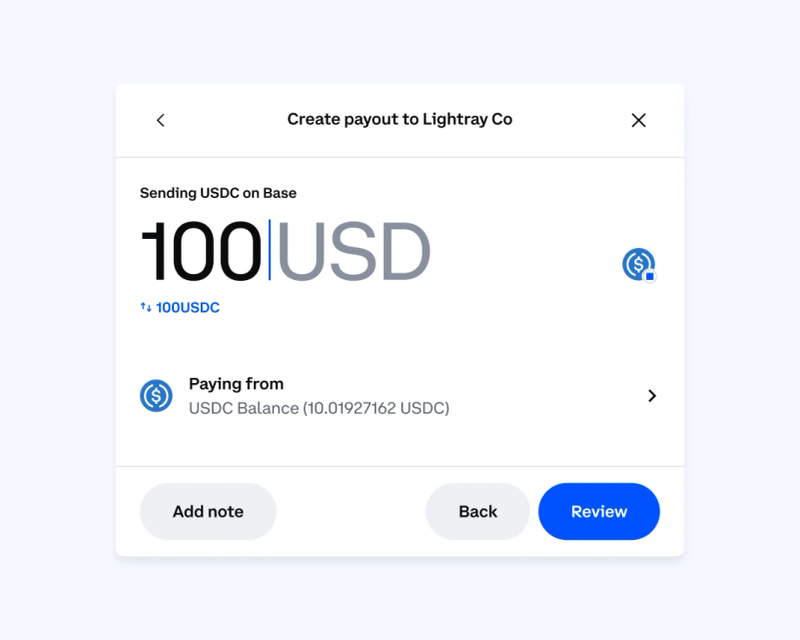
Coinbase and MassPay say stablecoin adoption is moving from crypto trading into enterprise payout plumbing
Coinbase's June 11 MassPay partnership and its earlier Checkout.com merchant rollout show that the next crypto payments fight is being won in enterprise treasury, payouts, and merchant infrastructure rather than on speculative exchanges.

Stripe's UK push says fintech is becoming the operating system for global and agentic commerce
Stripe's June 9 and June 10, 2026 announcements around Lloyds, global selling, and its Agentic Commerce Suite show that payment companies are racing to own the transaction layer inside AI interfaces and small-business banking tools at the same time.

Mastercard wants machine commerce to run on a permissioned payment fabric instead of human checkout flows
Mastercard's June 10 Agent Pay for Machines launch argues that agentic commerce needs credentialed identities, programmable controls, and multi-rail settlement so AI systems can buy services continuously without breaking trust.

Ripple and Bitso are pushing stablecoin settlement deeper into the U.S.-Mexico enterprise payments corridor
Ripple's June 11 expansion with Bitso moves MXNB onto XRPL's Permissioned DEX alongside RLUSD, signaling that stablecoin competition is shifting from token issuance toward corridor-specific enterprise settlement infrastructure.

Visa's OpenAI tie-up says fintech is moving from payment APIs to trust layers for autonomous checkout
Visa's June 10 announcements around OpenAI, agent scoring, registries, and intelligent commerce show that the next fintech battleground is not just moving money, but defining the trust, credential, and risk systems that let AI agents buy safely on behalf of users.

Coinbase for Agents says crypto wallets are becoming execution accounts for AI, not just storage
Coinbase's June 11 agent launch and its June 9 managed payments rollout point to a crypto market where the real prize is not token speculation, but programmable financial accounts that AI systems can use to trade, pay, and settle work directly.

Stripe and Lloyds say fintech advantage is moving from checkout tools to bank-distributed infrastructure
Stripe's June 9 Lloyds partnership and June 10 UK product push show fintech is entering a new phase where payment infrastructure wins by reaching businesses through trusted bank channels while bundling global selling, fraud control, and AI-era commerce into one stack.

Ripple and Bitso's MXNB move says crypto payments are shifting from dollar rails to local settlement infrastructure
Ripple and Bitso's June 11 expansion around MXNB on XRPL's permissioned infrastructure suggests the next crypto payments fight is not simply about stablecoin volume, but about regulated local-currency liquidity that enterprises can actually settle through.

Deel's Stripe wallet says global payroll is becoming a stablecoin product, not just a payout service
Stripe's June 3 Deel announcement shows the next fintech fight is shifting from moving money faster to giving global workers dollar-backed balances they can hold, earn on, and spend without leaving the platform.
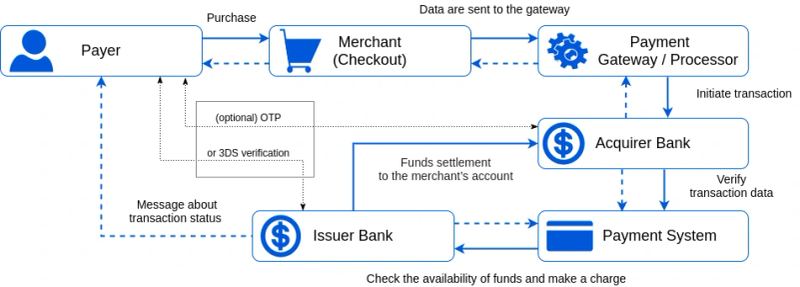
Mastercard, Worldline, and ING just showed agentic payments crossing from theory into production finance
A live production payment between Worldline, ING, and Mastercard suggests agentic commerce is starting to leave lab demos behind and enter regulated payment networks where authentication, acquiring, and issuer processing already have to work.

Visa's Brale experiment says stablecoin payments are moving from public-chain speed stories toward private institutional settlement design
Visa is testing private stablecoin settlement with Brale on Canton, pointing to a fintech market where privacy, programmability, and institutional controls matter as much as blockchain speed.

Visa's Enhanced Subscription Manager says the next fintech battleground is not just moving money but helping issuers become the control layer for recurring spending
Visa is packaging subscription visibility, card switching, and cancellation flows into issuer apps, turning payment credentials into a more active relationship product.

Circle's latest quarter says fintech is being rebuilt around managed stablecoin payments and agent-native money tools
Circle's May 11, 2026 first-quarter results matter because they show the company pushing beyond reserve income and token scale into packaged payment infrastructure, agent wallets, and merchant tooling built for AI-driven financial activity.

Worldline, ING, and Mastercard say agentic payments have crossed from demo theater into production payment infrastructure
The June 2, 2026 Worldline, ING, and Mastercard milestone matters because it moves AI-initiated commerce from controlled pilot rhetoric toward a live European production transaction with issuer visibility and explicit user approval.

Figure's YLDS launch on Stellar says stablecoins are moving from trading rails toward regulated dollar savings products for everyday users
Figure's May 5, 2026 YLDS launch on Stellar matters because it pushes the stablecoin conversation away from pure payments and speculation toward compliant yield-bearing dollar savings distributed through fintech apps.
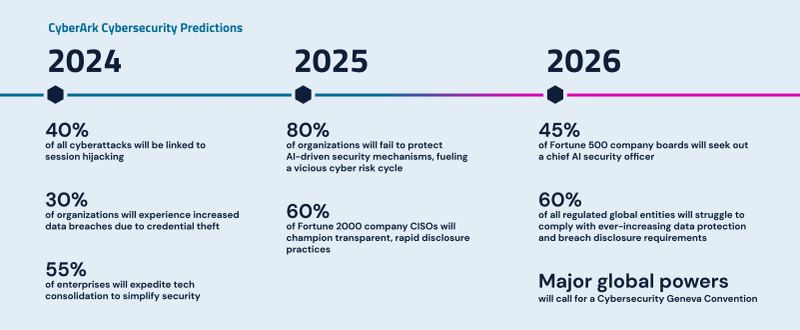
Visa's latest threat report says fintech risk is shifting from card breaches to AI-enabled social engineering
Visa's May 20, 2026 threats report matters because it shows payment-security gains at the network layer are pushing criminals toward AI-assisted scams that exploit consumer trust instead of payment rails directly.

Circle's Managed Payments launch says stablecoins are becoming packaged financial infrastructure, not DIY crypto plumbing
Circle's April 8, 2026 Managed Payments launch matters because it turns stablecoin settlement into a compliance-ready full stack that mainstream institutions can adopt without owning the crypto complexity themselves.

Mastercard's stablecoin settlement expansion says crypto's real breakthrough is back-office optionality, not retail hype
Mastercard's June 3, 2026 settlement update matters because it moves stablecoins deeper into the plumbing of global card payments, where liquidity timing and operating flexibility matter more than consumer spectacle.
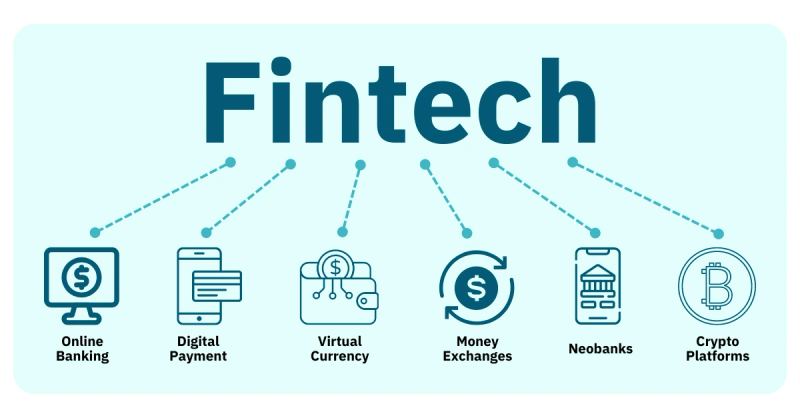
Stripe's AI payments push says fintech's next platform war is about giving agents wallets, not just APIs
Stripe's 2026 Sessions launch wave matters because it treats AI agents as real economic actors that need identity, wallets, treasury rails, and token-priced billing rather than just another software integration layer.

Mastercard's new settlement options say fintech is moving from checkout UX to programmable liquidity windows
Mastercard's June 3, 2026 settlement expansion matters because the next fintech contest is no longer just about front-end payment acceptance but about giving issuers and acquirers programmable control over when and how value actually settles.

Ripple's Türkiye expansion says the stablecoin fight is shifting from token hype to regulated local distribution
Ripple's June 2, 2026 RLUSD expansion into Türkiye matters because the next phase of crypto adoption looks less like speculative exchange trading and more like regulated local distribution, institutional access, and market-specific payment utility.

Stripe's latest global commerce push says fintech growth now depends on local fit, not borderless slogans
Stripe's June 4, 2026 global commerce update matters because it turns cross-border growth into a systems problem of localized checkout, AI-led authorization, FX handling, and compliance automation.