Coinbase's x402 push says crypto's real enterprise battle is machine payment rails for the open web
Coinbase's June machine-commerce announcements suggest the strongest near-term crypto moat may come from programmable payment rails for agents and publishers rather than exchange spectacle or token marketing.
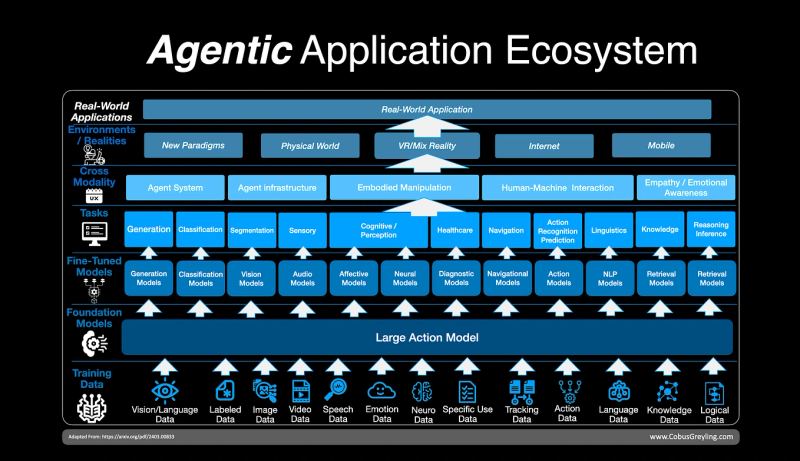
Visa's June launches say fintech's next moat is becoming the trust layer for agentic commerce
Visa's June 2026 OpenAI partnership and programmable commerce releases show payment networks trying to own the credentialing, scoring, and stablecoin logic needed when software agents become active buyers.
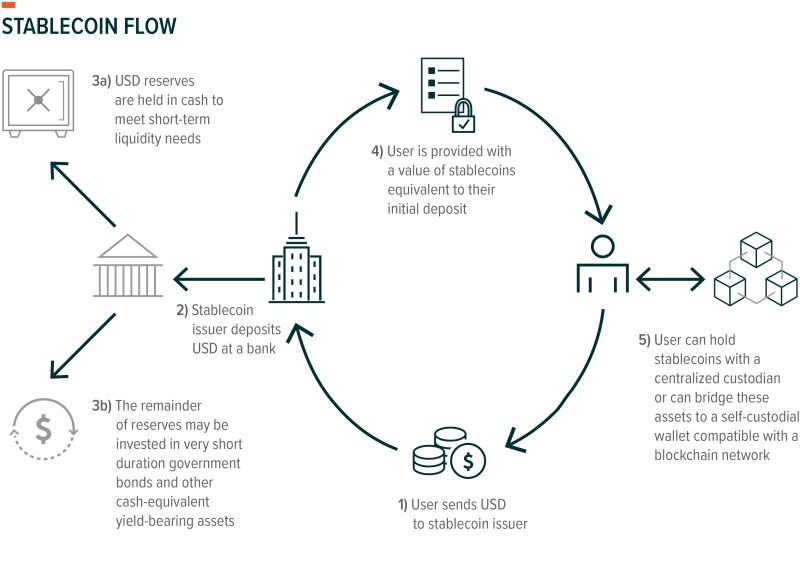
Ripple's June push says crypto's next durable role is machine-settlement infrastructure, not exchange spectacle
Ripple's June 2026 agentic-payments tooling and stablecoin infrastructure messaging suggest the strongest crypto value may come from predictable settlement, operational controls, and multi-asset payment plumbing for software agents.

Stripe's latest launches say fintech is moving toward programmable dollar balances for both workers and agents
Stripe's June 2026 announcements around AI agent payments, Deel's contractor wallet, and international business tooling suggest the next fintech layer is programmable money distribution rather than simple checkout.
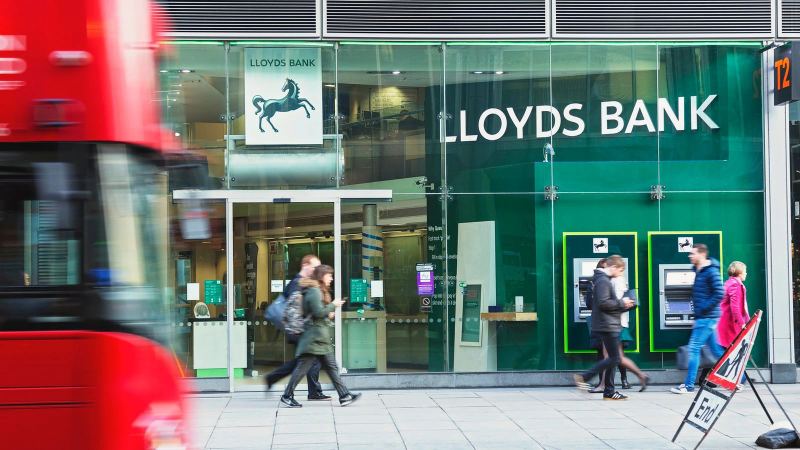
Stripe and Lloyds are productizing a bank-native payments stack for small businesses, and that changes who gets enterprise-grade fintech
Stripe's June 9 Lloyds partnership shows the next fintech expansion path is not only winning digital-native startups but embedding modern payments infrastructure directly inside incumbent bank accounts for small businesses.
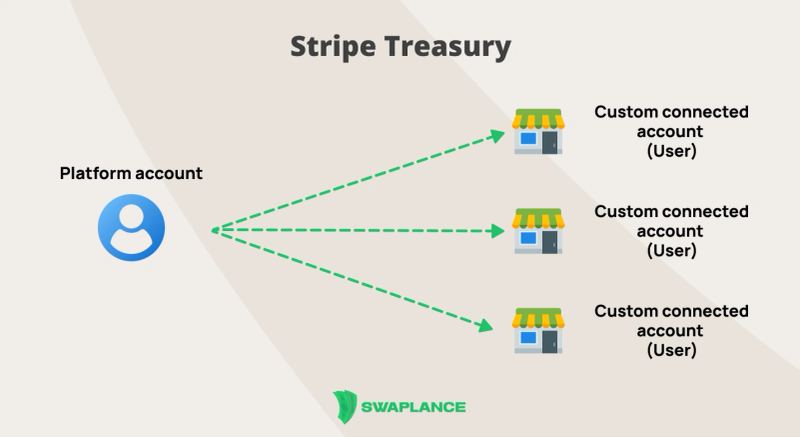
Stripe's global Treasury push says fintech competition is moving toward programmable cash management
Stripe's latest Treasury and stablecoin expansion shows that the next fintech fight is not just about payments acceptance but about giving global businesses a programmable operating account layer.

Stripe and AWS are building agent paywalls at the network edge, and that could reset how publishers charge machines
Stripe's June 15 partnership with AWS on AI traffic monetization shows fintech infrastructure moving into a new role: pricing, authorizing, and settling machine-to-machine payments before requests even hit the application.
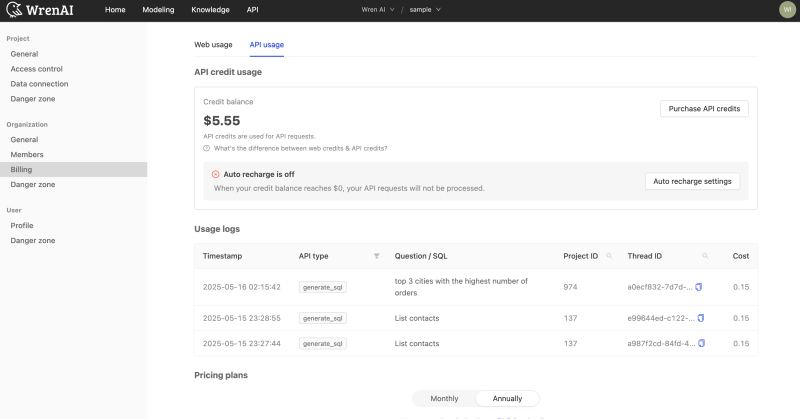
Adyen's Orb deal says the next fintech battleground is the line between usage billing and payment execution
Adyen's planned Orb acquisition is a bet that AI-era software companies need billing and payments to behave like one real-time monetization system instead of two disconnected stacks.

Stripe's latest launches say fintech wants to own AI-era monetization, not just checkout buttons
Stripe's June 2026 announcements across AWS, London, and Paris show the company extending beyond payment acceptance into the financial logic for AI agents, usage billing, fraud control, and global merchant expansion.

Coinbase's June product wave says crypto exchanges want to become full financial operating systems, not just trading venues
Coinbase's June 2026 launches show a widening ambition: bundle tokenized stocks, pre-IPO perpetuals, stablecoin payments, and agent-ready web payments into one account layer so crypto infrastructure becomes a broader financial interface.

Adyen's latest moves say fintech wants to be the translation layer between billing systems, AI commerce, and real-world payment execution
Adyen's June 11 and June 16, 2026 announcements show the company trying to solve a deeper merchant problem than checkout conversion: how to connect usage-based billing, catalog logic, checkout orchestration, and agent-led payments inside one financial operating stack.

Stripe's latest agent payments push says fintech's next moat is a permission layer for software buyers, not a prettier checkout page
Stripe's 2026 Sessions announcements and its 2025 annual update both point to the same thesis: payments in the agent era will be won by the company that can issue safe, revocable, scoped payment permissions to software, not just optimize conversion for humans.

Mastercard's Agent Pay for Machines says card networks want to price machine commerce before AI agents commoditize payments
Mastercard's June 10 launch of Agent Pay for Machines shows the payments industry moving quickly to define trusted rails for software that buys and sells automatically. The strategic goal is not just faster transactions. It is to make the card network relevant inside machine-native commerce before AI agents turn payment execution into a background utility.
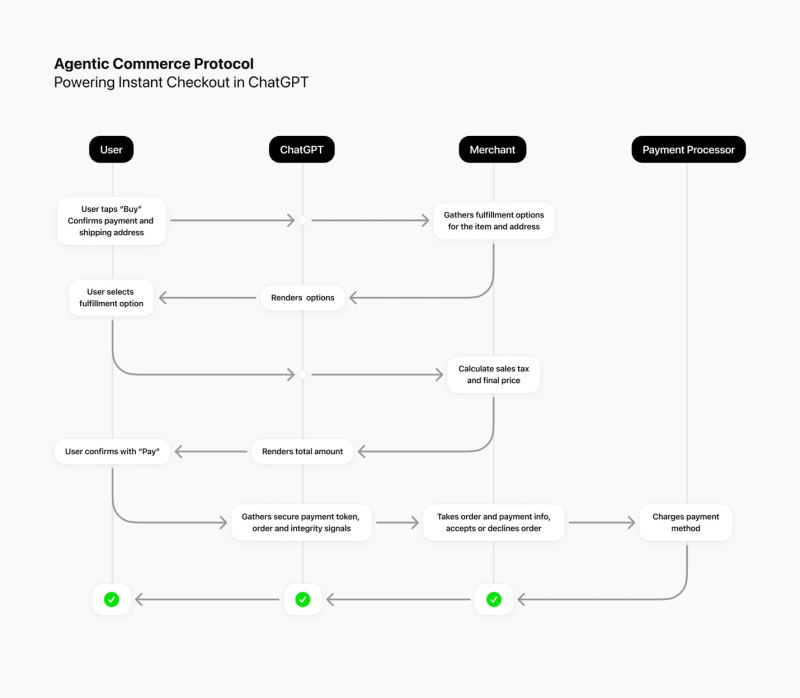
Visa's OpenAI partnership says agentic commerce will be won by payment networks that can verify and constrain AI, not just process cards
Visa's June 10, 2026 OpenAI partnership and Intelligent Commerce rollout argue that the next payments race is about giving AI agents trusted ways to discover, authorize, and complete transactions under real controls, not simply bolting chat onto checkout.

Stripe's latest Europe push says fintech is being rebuilt around helping merchants sell inside AI interfaces, not just optimizing card checkout pages
Stripe's June 10 and June 16, 2026 Europe announcements show mainstream fintech moving beyond payments plumbing toward the merchant infrastructure needed for AI-native commerce.
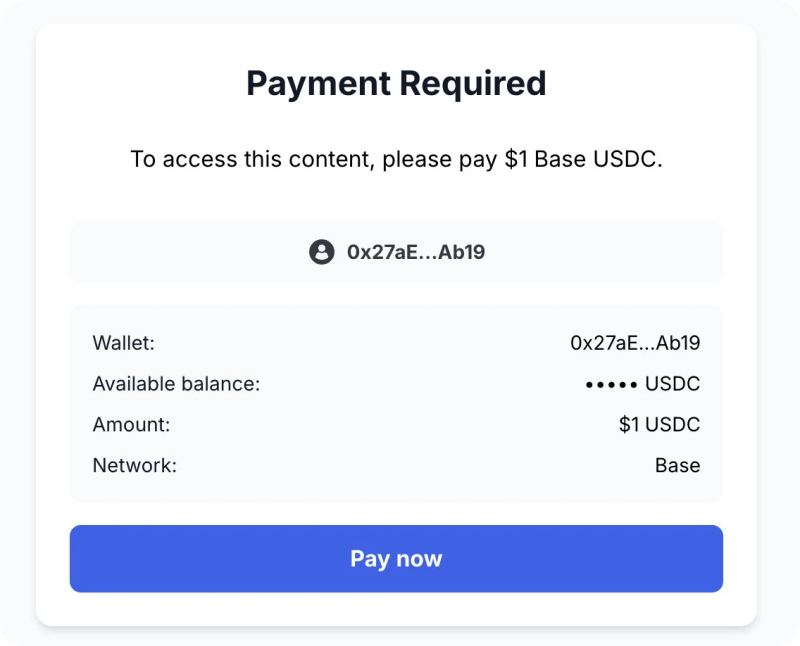
Coinbase's x402 push with AWS says crypto's clearest near-term product may be machine-payable web access, not another consumer wallet cycle
Coinbase's June 15, 2026 x402 work with AWS WAF reframes crypto utility around machine-to-machine payments for APIs, archives, and publisher content rather than consumer speculation alone.
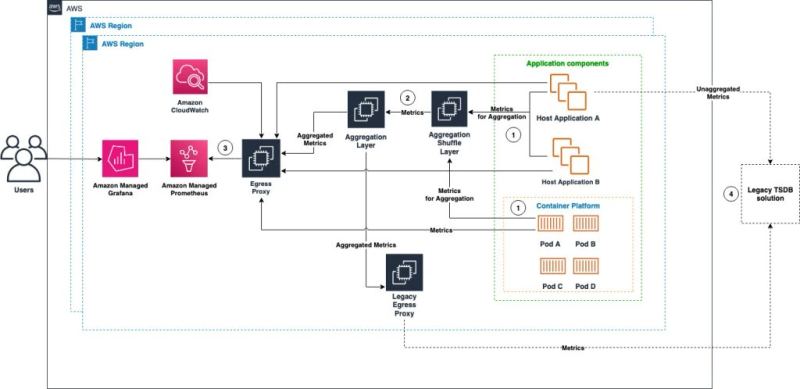
Stripe and AWS say the next fintech battleground is charging AI agents at the network edge, not just helping humans check out faster
Stripe's June 15, 2026 AWS WAF integration shows fintech infrastructure moving toward machine-readable paywalls, HTTP 402 flows, and direct monetization of AI-agent traffic instead of only consumer checkout optimization.
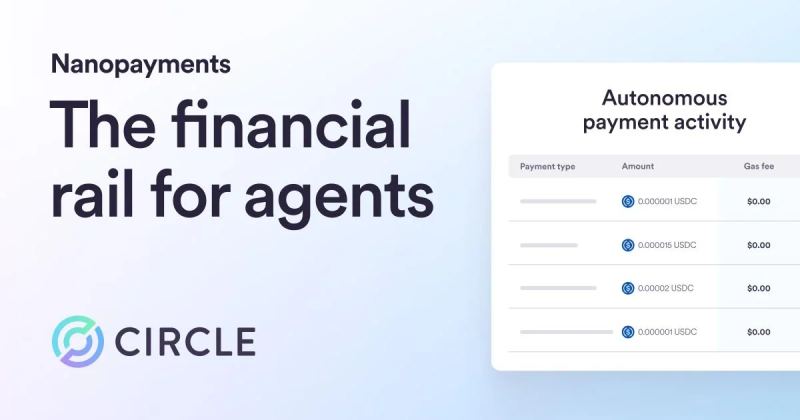
Circle's mainnet nanopayments push says crypto's next serious utility may be sub-cent machine commerce, not louder token narratives
Circle's May 2026 agentic-economy rollout and its move of Nanopayments to mainnet suggest the strongest crypto infrastructure story right now is programmable USDC settlement for agents and APIs rather than exchange-driven speculation.

Coinbase Payments says crypto's next serious growth layer is boring business payments, not trading excitement
Coinbase's June 9, 2026 push around Coinbase Payments suggests the strongest near-term crypto adoption story may be production-grade stablecoin payment rails for merchants, PSPs, and business operations rather than speculative market activity.

Visa's June commerce push says fintech's next moat is a programmable trust layer spanning AI agents and stablecoin settlement
Visa's June 10 product announcements and its April stablecoin expansion show the payments network race shifting toward programmable commerce, where AI authorization, token controls, and multi-chain settlement have to work together.

Coinbase's latest agent push says crypto's next real battle is becoming the payment and permission layer for autonomous software
Coinbase's June 9 to June 15 product sequence around Payments, Agents, and AWS-backed x402 support suggests crypto firms are trying to turn stablecoins and wallets into the default operating rails for machine-to-machine commerce.

Mastercard's Agent Pay for Machines says the next payments network battle is over always-on autonomous commerce
Mastercard's June 10 launch of Agent Pay for Machines shows the fintech race moving beyond checkout UX toward the credentialing, control, and settlement infrastructure needed for machine-to-machine commerce.

Ripple and Bitso say stablecoin competition in Latin America is moving from token access to enterprise settlement rails
Ripple's June 11 expansion with Bitso puts MXNB onto XRPL's Permissioned DEX and suggests the next crypto payments race in Latin America is about regulated peso-dollar settlement infrastructure for enterprises.
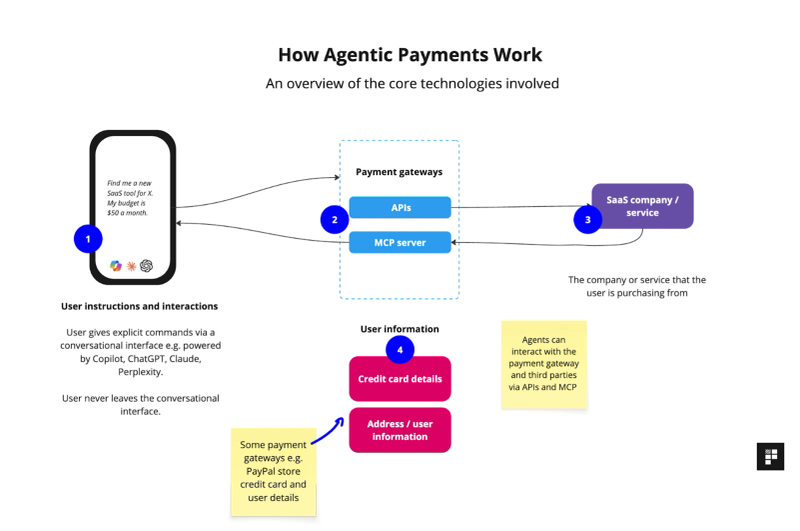
Mastercard's live European agentic payment says fintech has moved from AI checkout theory into production trust rails
Mastercard, ING, and Worldline's June 2 production transaction suggests agentic commerce will be won by payment networks and banks that can make AI-initiated purchases visible, governable, and reversible at scale.