
Corpay's JPMorgan and BVNK deal shows stablecoin settlement is moving into enterprise treasury plumbing
Corpay said on May 5, 2026 that it added blockchain-based settlement to its cross-border payments platform through JP Morgan's Kinexys private blockchain and BVNK's stablecoin interoperability rails. The significance is bigger than one partner stack: stablecoins and tokenized fiat are starting to slot into existing corporate payment workflows as another settlement rail rather than a separate crypto experiment.
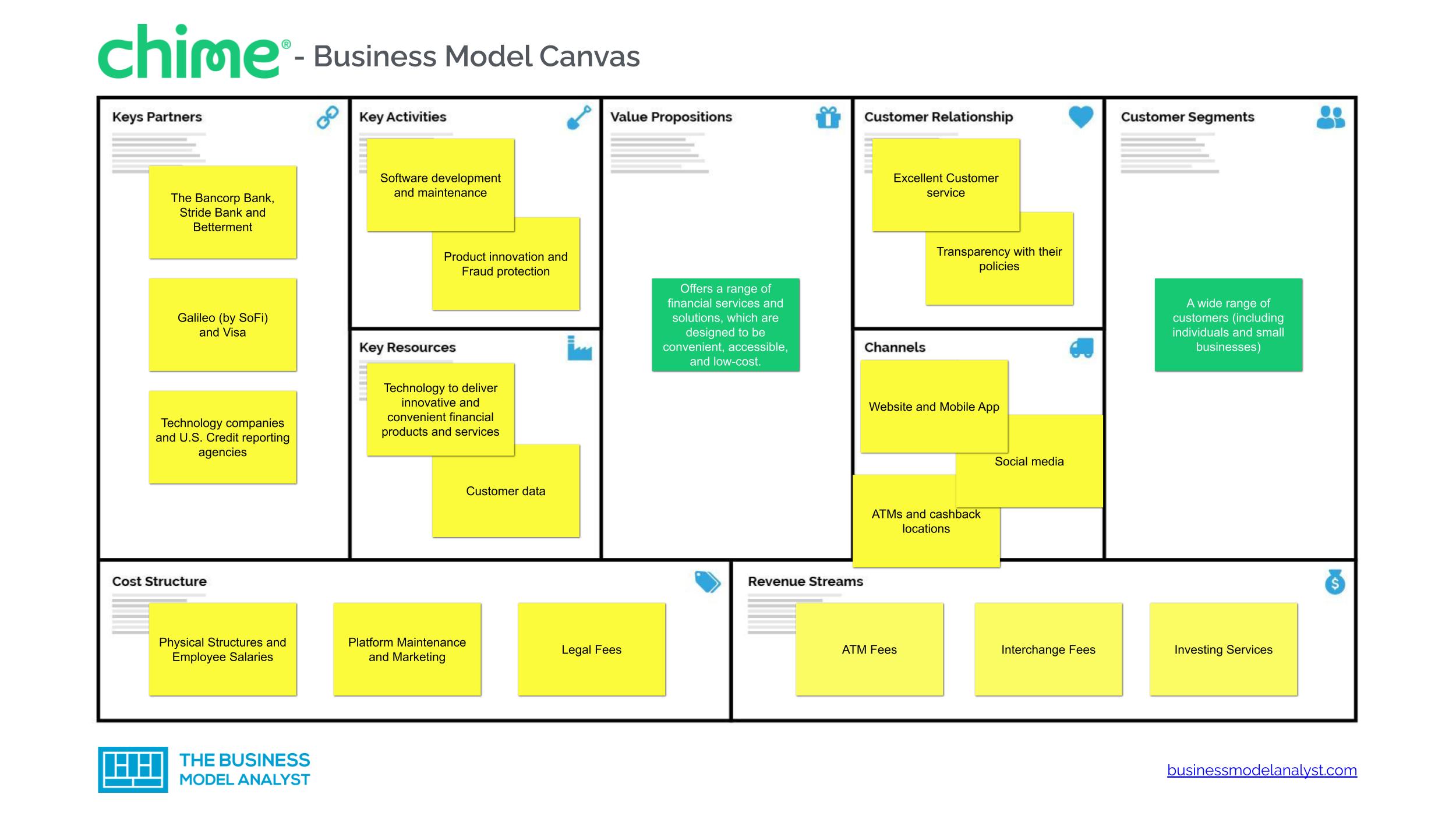
Chime’s first quarterly profit says consumer fintech is entering a tougher, more disciplined phase
Chime reported on May 6, 2026 that it delivered its first quarter of GAAP profitability as a public company, with revenue up 25% year over year. The result is more than an earnings beat: it suggests digital consumer finance is being repriced around durability, payment engagement, and platform leverage rather than pure user-growth narratives.

Mesh makes Stellar a core settlement layer as stablecoin payments move closer to enterprise rails
Mesh said on May 7, 2026 that it has integrated the Stellar network as a core settlement layer for its payments ecosystem. The announcement is significant because it frames stablecoin infrastructure less as speculative crypto plumbing and more as production-grade settlement for enterprises that care about uptime, fiat connectivity, and compliance.

Flywire's first quarter says complex cross-border payments still reward vertical fintech specialists
Flywire's May 5 first-quarter results matter because they suggest specialized payments infrastructure is still winning in education, travel, and healthcare despite broader fintech pressure. When a company built around difficult, high-context payment flows is still posting strong revenue growth, the signal is that complexity remains a defensible business model.
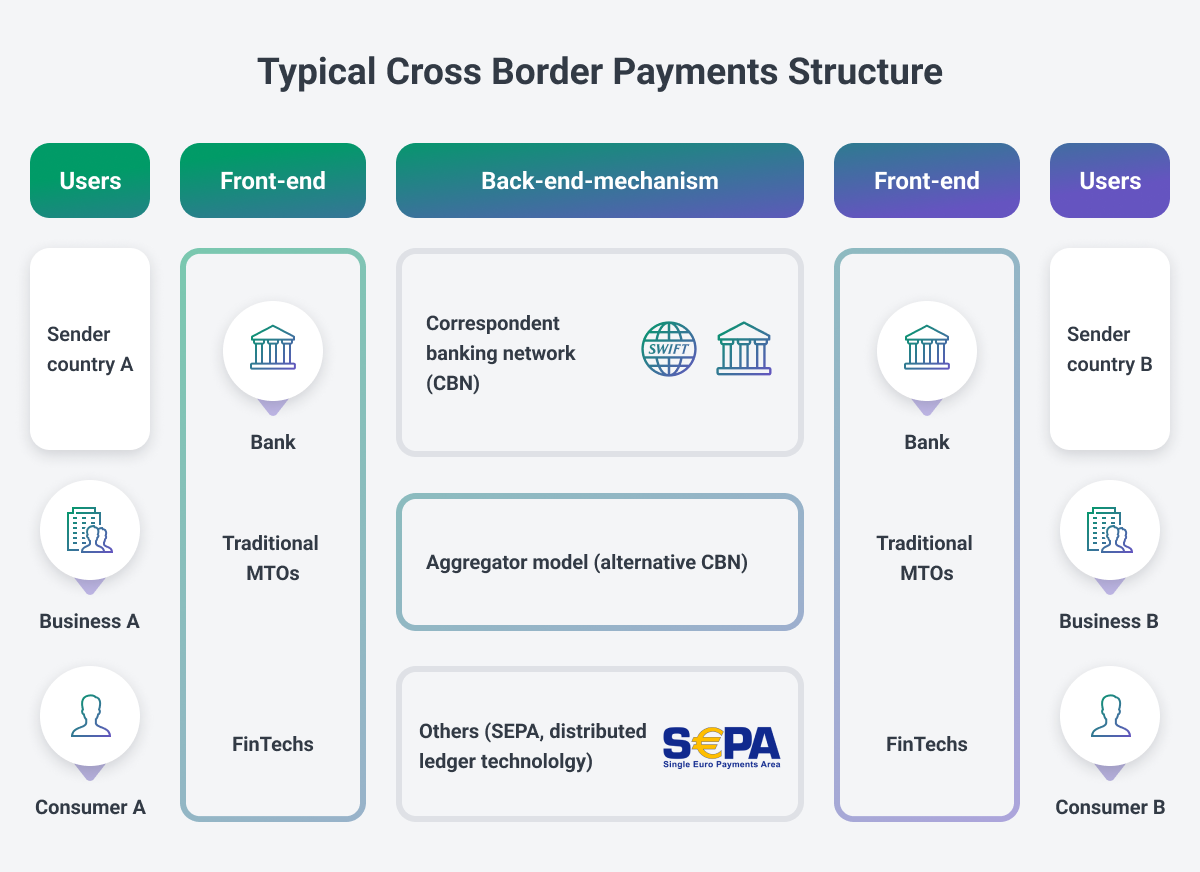
Wise and Capitec's South Africa deal says cross-border fintech is moving back into bank apps
Wise Platform's April 14 partnership with Capitec looks modest beside louder AI-payment headlines, but it points to a deeper fintech realignment. Cross-border money movement is increasingly being rebuilt as embedded infrastructure inside large banking apps instead of standing apart as a separate specialist experience, and Capitec's 25-million-customer scale makes South Africa a meaningful test case.

Visa's new nine-chain stablecoin pilot says crypto settlement is leaving the test lane
Visa's April 29 expansion of its stablecoin settlement pilot to nine blockchains is a stronger market signal than another crypto infrastructure launch. When a global card network says its annualized stablecoin settlement run rate has reached $7 billion and broadens support across Base, Polygon, Canton, Arc, and Tempo, the DeFi question changes from whether tokenized dollars work to where institutional settlement will actually standardize.

PayPal's latest quarter says agentic commerce is no longer a side bet inside fintech
PayPal's May 5 results matter less as a simple earnings print than as evidence that the company is still reorganizing around AI-mediated commerce. Between its recent Cymbio deal, AI checkout ties with Google, and a quarter that kept the commerce engine growing, PayPal looks increasingly like a payments network trying to make itself indispensable to the agent era.

Stripe's Sessions launch turns agent payments into mainstream fintech infrastructure
Stripe's April 29 Sessions 2026 launch package matters because it makes agentic commerce look less like an experiment and more like platform policy. By combining agent wallets, catalog ingestion, platform support, fraud tooling, and new payout and treasury primitives, Stripe is trying to become the default money layer for AI-driven buying behavior.

Visa and Mastercard results say the payments core is still outgrowing the macro noise
Fresh quarterly results from Visa and Mastercard matter for fintech because they show the underlying payments rails are still compounding across consumer spend, cross-border activity, and issuer demand even while headline markets stay fixated on tariffs, rates, and macro uncertainty. The implication is that the payments core remains structurally healthy enough to keep funding new fintech layers above it.

MoneyGram's Stripe rebuild shows remittance retail is becoming omnichannel fintech infrastructure
MoneyGram's April 29 retail rebuild is more consequential than a payments-terminal refresh. By modernizing its global retail footprint on Stripe, the company is trying to turn a cash-heavy remittance network into a connected omnichannel fintech system that can bridge in-person trust with digital payment flexibility.

Circle's nanopayments launch is a bet that DeFi infrastructure will power the agent economy
Circle's April 29 mainnet launch for Gateway-powered nanopayments and its April 28 Pharos expansion show where crypto infrastructure may actually find product-market fit in 2026: sub-cent machine payments, crosschain settlement, and programmable dollar liquidity for software agents.

Stripe's latest launches show fintech is being rebuilt for an agent-driven internet
Stripe's April 29 Sessions announcements are bigger than a conference feature dump. Agent wallets, issuing for agents, new Google distribution, and Treasury expansion suggest fintech is being redesigned for software that spends, sells, and settles on behalf of users.
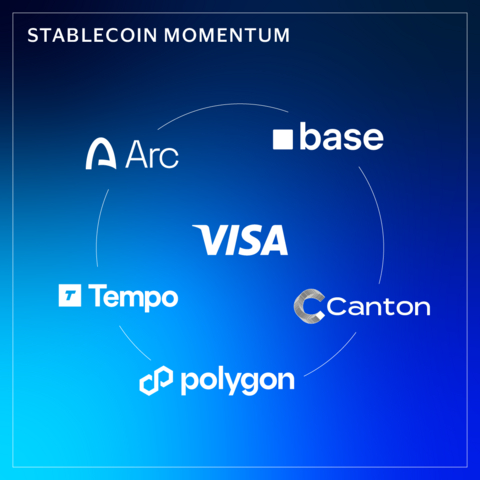
Visa's nine-chain stablecoin pilot is moving settlement from experiment to treasury rail
Visa's latest stablecoin expansion is less about crypto branding than about payment-network pragmatism: partners want settlement options across multiple chains, and the company is increasingly willing to behave like a routing layer for programmable money.

Payments are becoming the first real test of agentic commerce
J.P. Morgan, Visa, and Stripe are all pointing at the same 2026 fintech shift: payments are being rebuilt for AI agents, tokenized money, and always-on treasury.

Stablecoins are becoming DeFi infrastructure, not just trading chips
Fresh stablecoin data and compliance research show a market moving away from pure exchange liquidity and toward payments, settlement, and programmable finance.

Visa, Mastercard and Stripe are turning AI agents into payment actors
Agentic commerce is moving from demos to payment plumbing as Visa, Mastercard and Stripe define how AI systems can safely go from recommendation to purchase.