Microsoft study shows coding agents need rollout design, not just better models
A July arXiv study of Microsoft developers using Claude Code and GitHub Copilot CLI finds adoption spreads socially and correlates with more merged pull requests, reframing AI coding agents as an organizational rollout problem.
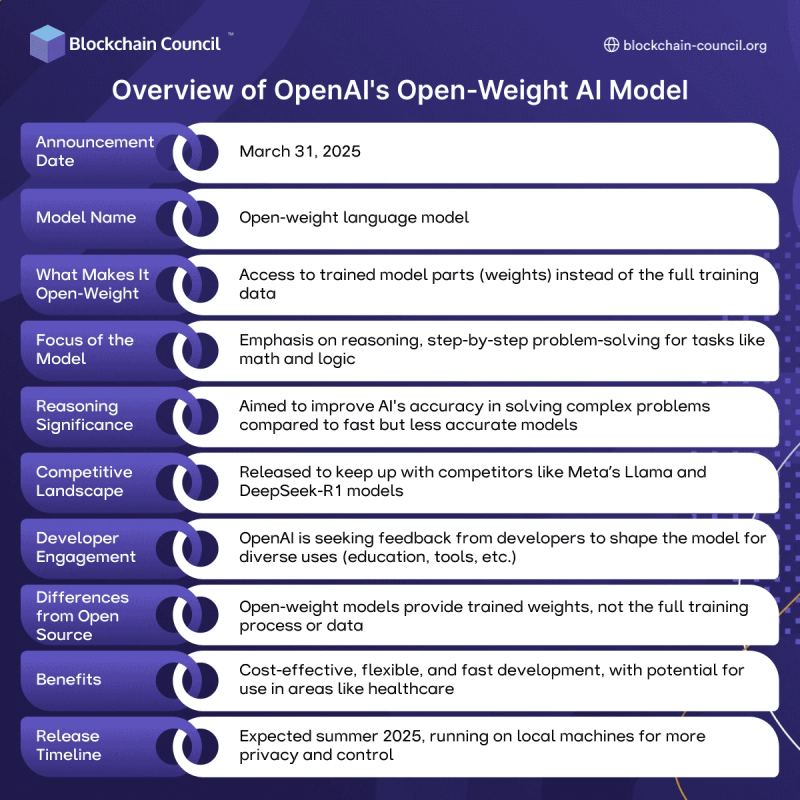
Open-weight AI letter turns model access into Washington infrastructure policy
A coalition led by Nvidia, Microsoft, Meta, IBM, Mozilla and other AI ecosystem players is urging U.S. policymakers to avoid broad restrictions on open-weight models as China concerns intensify.

Halo leads Xbox Game Pass into a post-restructuring retention test
Microsoft's late-July Game Pass wave, led by Halo: Campaign Evolved, tests whether franchise nostalgia, day-one access, and broader platform support can stabilize Xbox sentiment after restructuring.
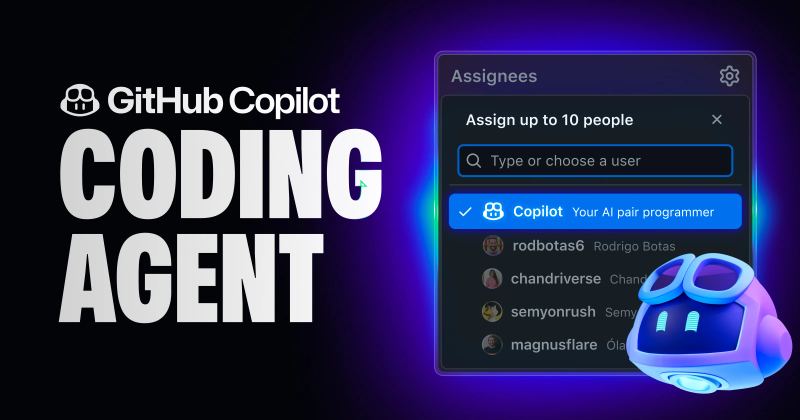
GitHub's Copilot app turns agentic coding into a desktop control plane
GitHub's Copilot app pushes AI coding beyond chat by giving developers a desktop surface for sessions, worktrees, pull requests, canvases, reviews, and background automations.
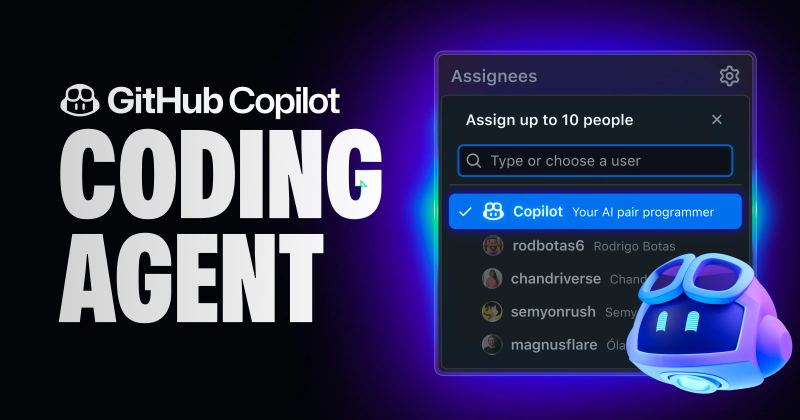
GitHub's Linear and MCP updates make coding agents easier to assign and govern
GitHub's July 23 Copilot updates bring the cloud agent into Linear and prepare its MCP server for the next stateless protocol release, tightening the operational loop around AI coding work.

Xbox tests ad-supported cloud gaming as the console price wall gets higher
Microsoft's Xbox Insider test of free, ad-supported cloud gaming shows the company experimenting with a lower-cost path into owned games while hardware and subscription prices keep rising.
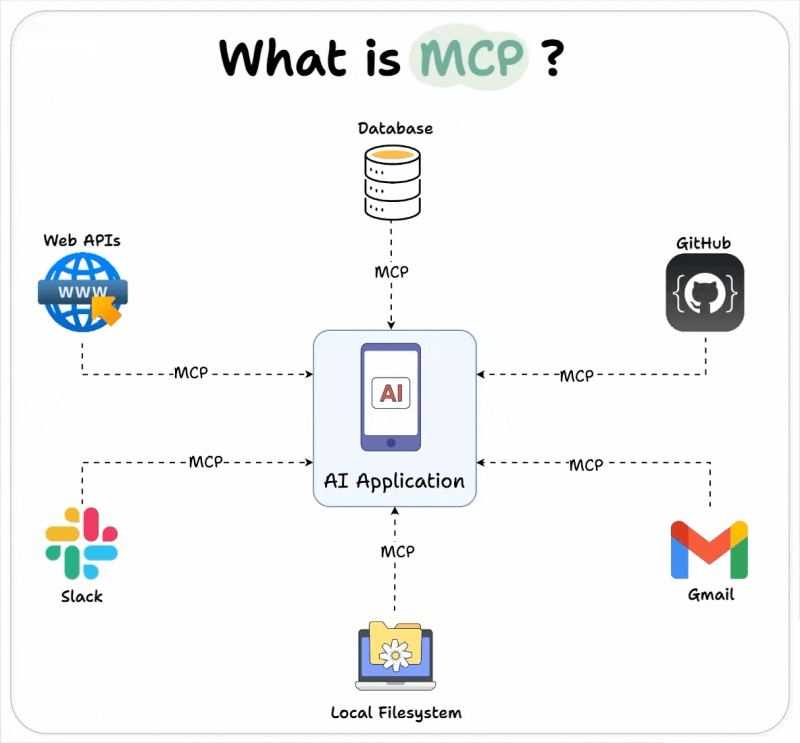
Billtrust's MCP server makes receivables data part of enterprise AI work
Billtrust is connecting live invoice-to-cash data to Claude and Microsoft Copilot through an MCP server, showing how enterprise software vendors are turning AI assistants into governed operational interfaces.
Xbox's ad-supported cloud test shows game subscriptions are borrowing the streaming-TV playbook
Microsoft is testing free ad-supported Xbox cloud sessions for Insiders, a sign that gaming subscriptions are searching for cheaper entry points after price pressure.

Microsoft bringing original Xbox games to PC turns backward compatibility into a preservation and Game Pass value test beyond the console box
The Verge reports that Microsoft is expanding Xbox backward compatibility to original Xbox games on PC, starting with four classics and Game Pass access.

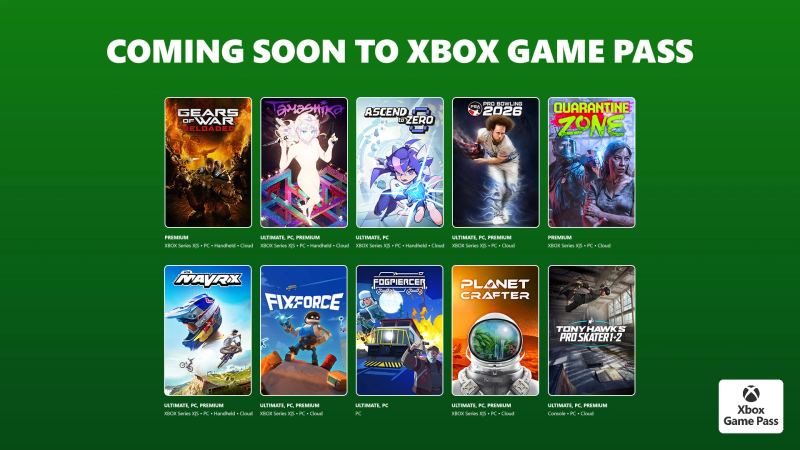
Xbox Game Pass uses Halo: Campaign Evolved to turn July's catalog wave into a platform signal
Microsoft's second July Game Pass wave puts Halo: Campaign Evolved day one across cloud, console, handheld and PC, alongside several genre-spanning additions.
GitHub's repository-level Copilot metrics turn AI coding into an accountable software platform
GitHub's Copilot usage metrics API now reports repository-level activity, giving enterprises a clearer view of agent-created and agent-reviewed pull requests.
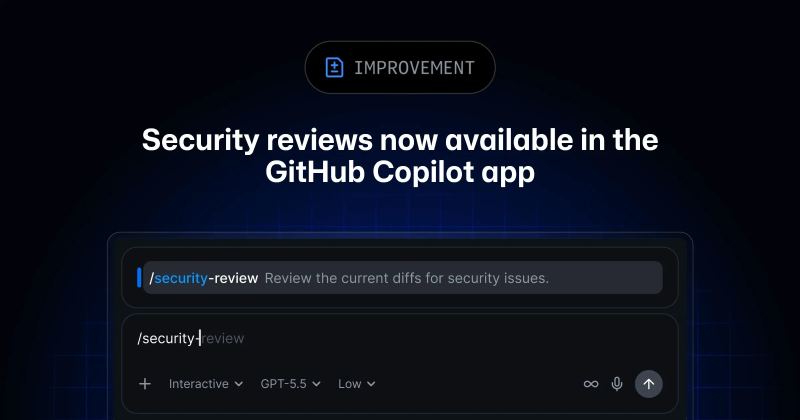
GitHub is bringing security review into the Copilot app before code reaches a pull request
GitHub's new Copilot app security review preview lets developers scan in-flight changes for vulnerabilities directly inside the agentic coding workflow.
GitHub making repository-level Copilot usage metrics generally available shows developer AI governance moving from seat-level adoption tracking into team-by-team operational measurement
GitHub's July 17 changelog says repository-level Copilot usage metrics are generally available, extending the platform's push toward clearer AI usage visibility across enterprise engineering work.
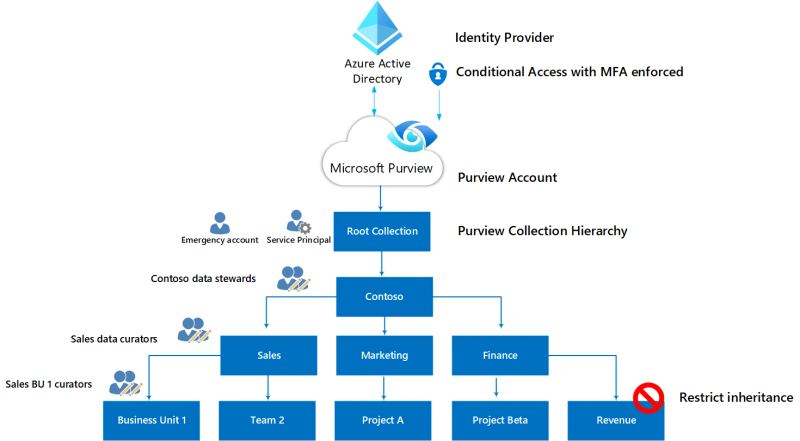
Microsoft's least-privilege guidance shows AI agents are becoming first-class software identities
Microsoft's July 16 security guidance argues that AI agents need dedicated identities, scoped roles, controlled tool access and auditability as they begin acting across enterprise systems.
GitHub's latest Copilot in Visual Studio update shows enterprise developer AI is maturing from autocomplete into governed workflow infrastructure where usage visibility, MCP trust controls, and language-specific modernization agents matter as much as raw model quality
GitHub says its June Visual Studio update adds clearer Copilot usage visibility, a trust layer for MCP servers, and early C++ modernization workflows, underscoring how enterprise AI coding tools are being shaped by governance and operational control.
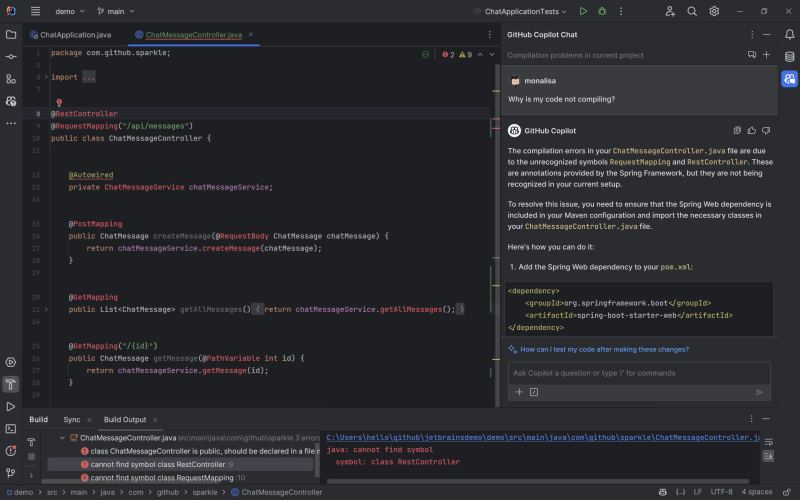
GitHub's latest Copilot IDE upgrades show developer software entering a new control phase where enterprises want agent power, but only with spend visibility, MCP trust checks, model-provider flexibility and structured workflow metadata that make AI coding systems manageable rather than magical
GitHub's July updates for Copilot in Visual Studio and JetBrains add usage alerts, MCP trust validation, BYOK custom endpoints, plugin management and local sandboxing, signaling a stronger enterprise-control layer around coding agents.
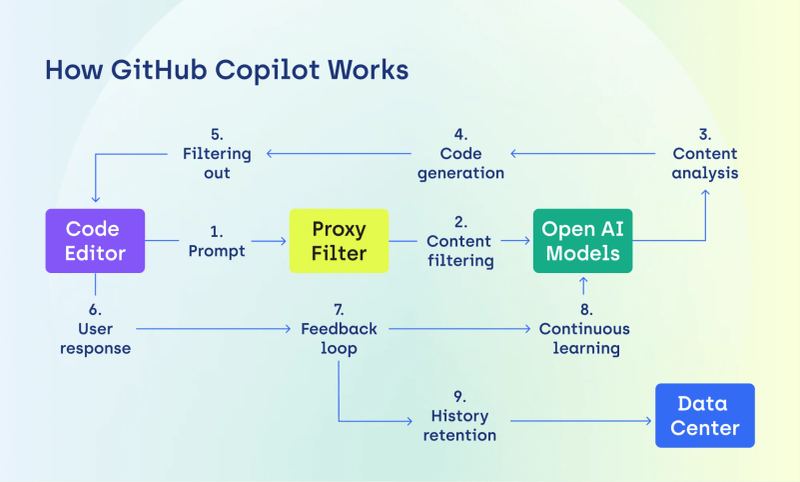
GitHub's new Copilot security-review flow shows software tooling shifting from passive code suggestions toward always-nearby application-security triage where the real product is not generation itself but how quickly developers can surface, prioritize and fix risk before merge
GitHub says a new `/security-review` command in the Copilot app can scan in-flight code changes for high-confidence issues and return actionable findings directly inside the developer workflow, while a separate code-scanning release adds AI security detections on pull requests.
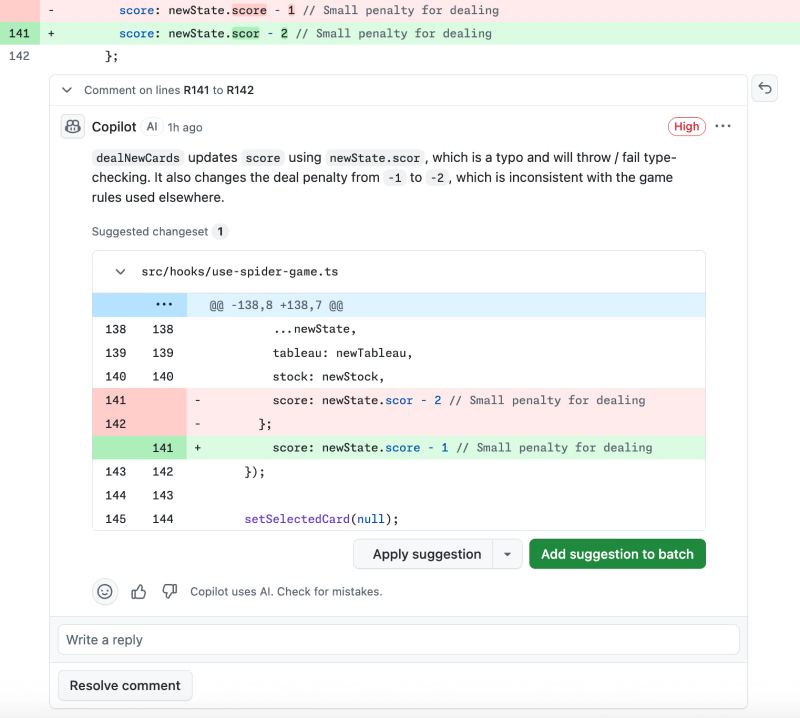
GitHub's new Copilot security review flow shows the software toolchain moving toward a world where vulnerability triage happens inside the coding session itself instead of waiting for a later pipeline stage to tell developers what they already shipped into review
GitHub has added a `/security-review` command to the GitHub Copilot app in public preview, bringing AI-driven vulnerability checks directly into in-flight local changes and tightening the loop between coding, review, and remediation.
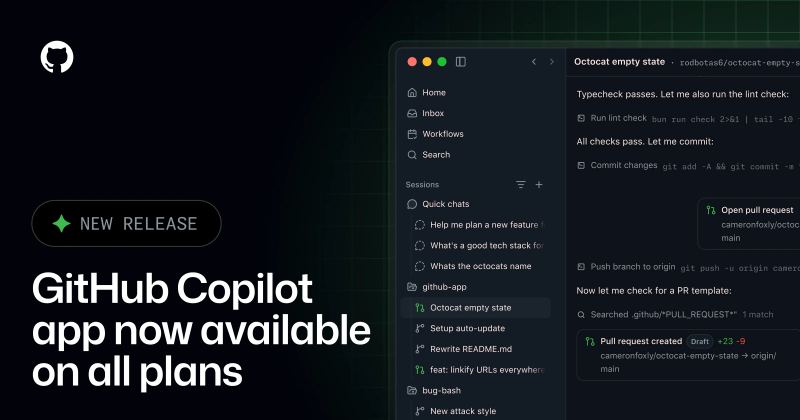
GitHub's move to put the Copilot app on every plan shows developer software is reorganizing around persistent desktop agent workflows instead of treating AI as a sidebar feature inside a single editor window
GitHub says the Copilot app is now available across all Copilot plans, while recent VS Code releases add parallel sessions, a smarter browser and clearer usage controls around agent work.

Alberta's decision to put Claude into frontline vulnerability work shows the AI market is shifting from chatbot novelty toward trusted operational systems that can hunt software risk inside real public infrastructure
The Alberta government says Claude is now helping find and fix vulnerabilities across government systems, giving one of the clearest public-sector signals yet that frontier models are moving into real cyber operations rather than staying confined to demos and copilots.

Microsoft is pushing Copilot deeper into CRM work, which means enterprise software's next fight is over who owns the flow of customer context
Microsoft's new agentic sales and service capabilities matter because they move AI from chat assistance into the operating layer of CRM, meeting prep, case handling, and record updates across Dynamics 365, Outlook, Teams, and Copilot.
Palworld 1.0 hitting Game Pass says subscription gaming still wins when breakout indies become platform moments
Palworld's full release arriving inside Xbox Game Pass matters because it turns a once-chaotic viral hit into a retention and catalog-strength event for Microsoft's subscription strategy, pairing a major 1.0 milestone with a service bundle that also leans on remasters and steady release cadence.

Microsoft's agentic CX push says enterprise AI is graduating from drafting help to governed frontline execution
Microsoft is moving sales and service AI deeper into the operating core of customer-facing work, turning Copilot and Dynamics 365 into an agentic layer that surfaces context, recommends actions, and updates CRM inside the flow of work rather than around it.

NVIDIA's RTX Spark push says the AI PC race is shifting from cloud copilots to agent-native local compute
NVIDIA's RTX Spark strategy matters because it reframes the next PC cycle around on-device agents, large local models, and unified memory rather than around thin client access to cloud AI, pushing hardware back into the center of the personal AI story.