
Microsoft details TerminalFix, a ClickFix campaign that turns fake CAPTCHAs into network pivots
Microsoft Threat Intelligence says TerminalFix uses fake Cloudflare verification pages, PowerShell, DLL sideloading, steganography, and a reverse tunnel to move from one click into internal network access.
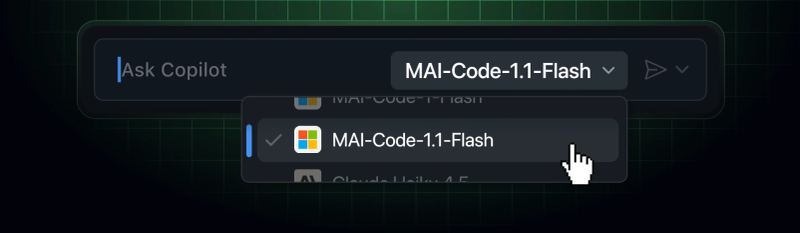
GitHub Copilot adds MAI-Code-1.1-Flash and doubles down on customization
GitHub says MAI-Code-1.1-Flash is rolling out across Copilot experiences with better vision support, lower pricing, and a broader push toward app-level customization.
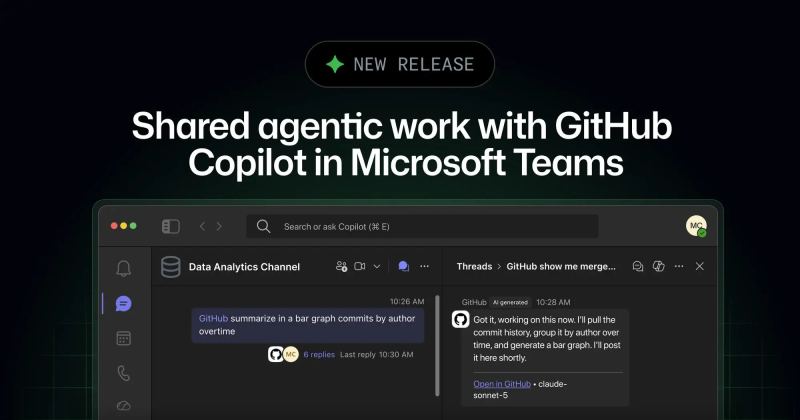
GitHub Copilot brings shared agentic work into Microsoft Teams
GitHub Copilot's new Teams integration turns conversations into visible agent sessions, pushing software development further into shared, collaborative workflow territory.

Xbox's late-August Game Pass wave keeps the service value story busy
Microsoft's late-August Game Pass lineup combines day-one access, a new Plague Tale prequel, and a steady reminder that subscriptions still win by feeding discovery.
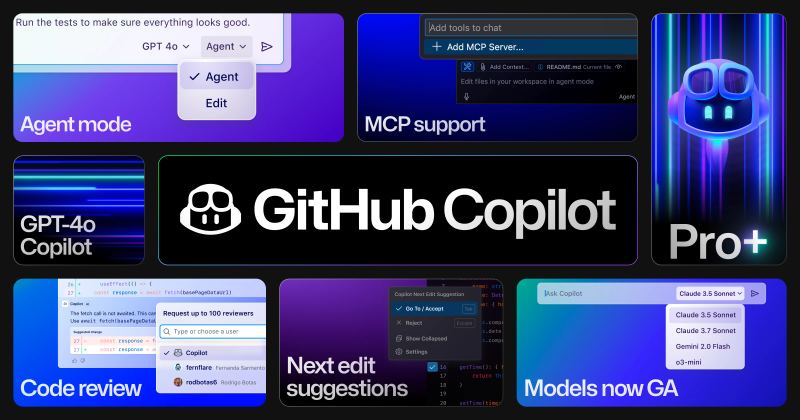
GitHub's Agent Plugins 1.0 makes agent tooling portable across clients
GitHub's latest Copilot release is less about another model picker and more about a shared package format for skills, MCP servers, and governed agent tooling.
GitHub Copilot expands from the IDE into Slack and Teams workflows
GitHub is moving Copilot into team chat, where Slack and Teams can now become the place work is planned, reviewed, and handed back as artifacts.

Surface RTX Spark Dev Box turns local AI into a desktop hardware category
Microsoft and NVIDIA are framing the Surface RTX Spark Dev Box as a local AI machine for personal agents, with petaflop-class compute, 128GB of unified memory, and a Windows-first developer story.
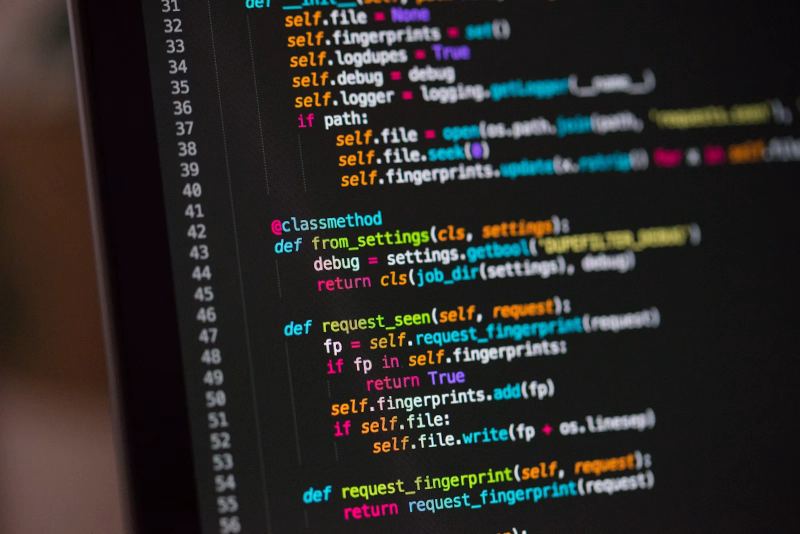
Microsoft's MAI-Code-1.1-Flash argues cheap coding models can still matter if they fit real developer loops
Microsoft's August 11, 2026 MAI-Code-1.1-Flash update matters because it pushes code-generation competition away from prestige benchmarks and toward the practical question developers actually care about: whether a smaller model can be fast, cheap, and useful inside the daily terminal-and-IDE workflow.
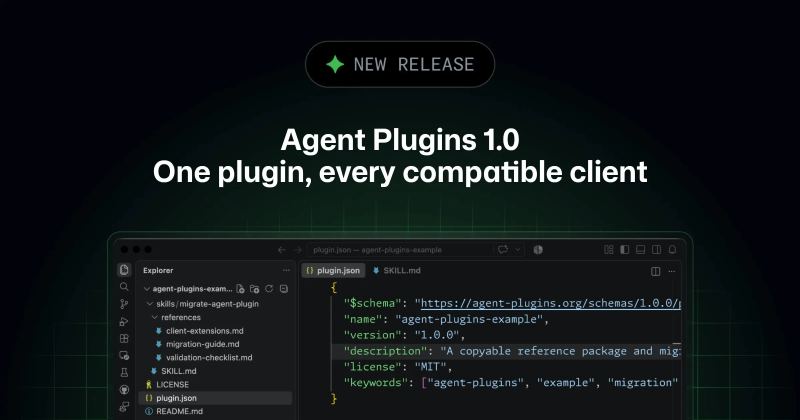
GitHub Copilot's August releases make agent tooling more portable
GitHub's August Copilot updates combine new models, Agent Plugins 1.0, CLI task controls, and IDE management features into a more portable agent workflow.

Visual Studio's August update makes AI part of the IDE contract
Visual Studio 2026 version 18.9.0 positions AI integration, performance, and developer fundamentals as the baseline for Microsoft's flagship IDE.
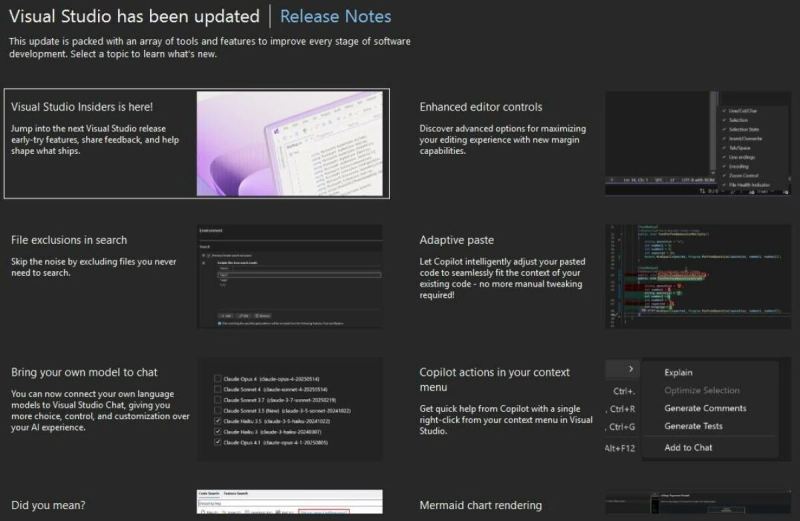
Visual Studio's built-in agent skills turn platform expertise into reusable software
Microsoft's July Visual Studio 2026 update adds built-in .NET and Azure agent skills, a small-looking feature that reflects a larger shift: development tools are packaging expert workflows for AI agents instead of leaving every team to write its own instructions.
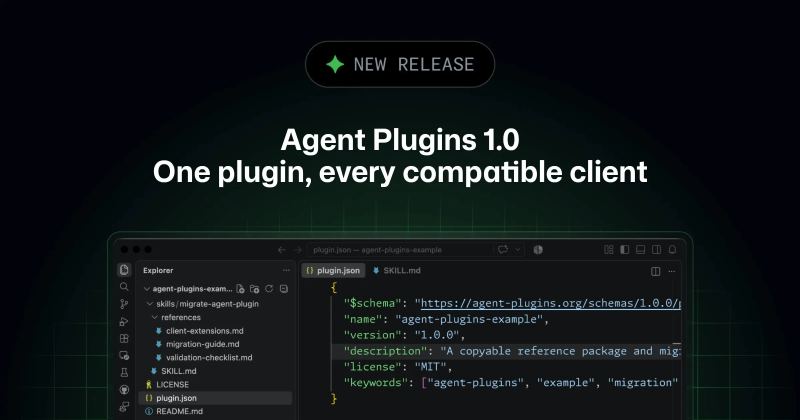
GitHub’s Agent Plugins 1.0 makes agent tooling portable across clients
GitHub says Agent Plugins 1.0 can package skills and MCP servers once for use across VS Code, Copilot CLI, the Copilot SDK, and the Copilot app.
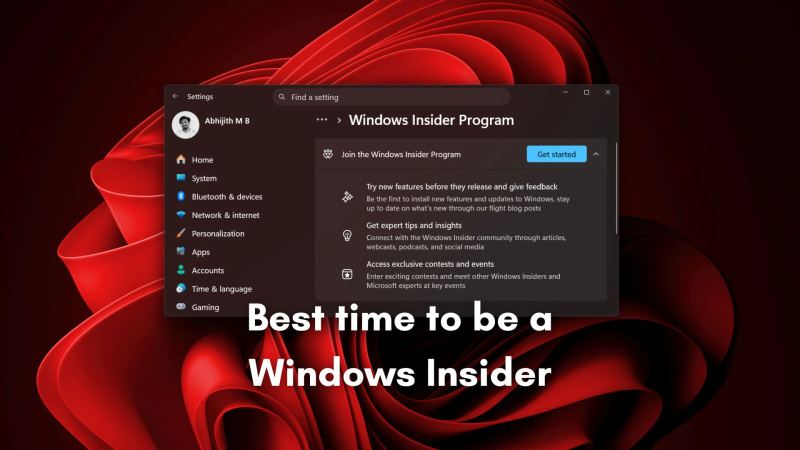
Windows Insider certificate deadline turns routine updating into a hard stop
Microsoft is warning Windows Insiders to install a build with a renewed flight certificate before August 11, a small maintenance detail that shows how preview software can stop receiving updates when its trust window expires.
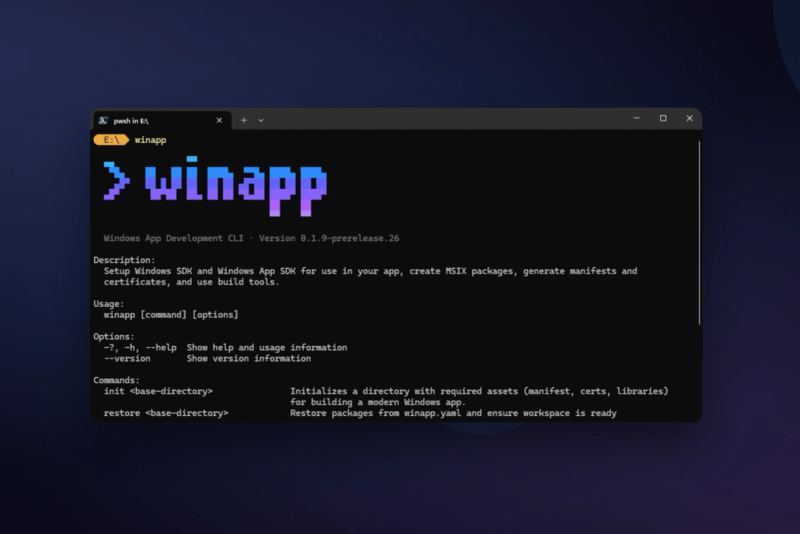
Microsoft's winapp CLI makes Windows packaging part of the developer loop
The Windows App Development CLI moves environment setup, package identity, certificates, and MSIX packaging into repeatable commands for developers working outside Visual Studio.
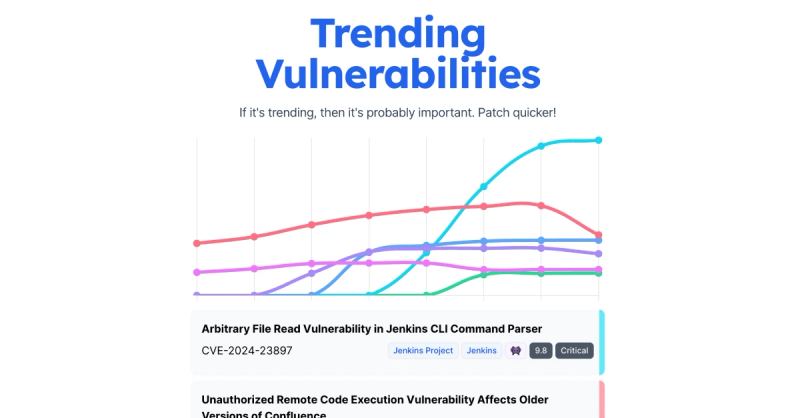
Zoom's critical Windows flaw makes routine patching an access-control issue
Zoom's CVE-2026-53412 bulletin rates a Windows input-validation flaw as critical, a reminder that collaboration software must be patched like privileged infrastructure rather than treated as harmless desktop plumbing.
Visual Studio 2026 makes agent skills a governed developer tool
The July Visual Studio 2026 update adds built-in .NET and Azure skills, usage alerts, and a clearer control surface for developers adopting agentic workflows inside the IDE.
Microsoft turns agentic security into a continuous defense loop
Project Perception and MAI-Cyber-1-Flash mark Microsoft's push to make AI security systems reason, prioritize, and act continuously while keeping enterprise controls in the loop.

Microsoft turns Project Perception into a closed-loop security system for the AI era
Microsoft is putting Project Perception into public preview with red, blue, and green agents that continuously find, investigate, and remediate security risk while leaving consequential decisions under human control.
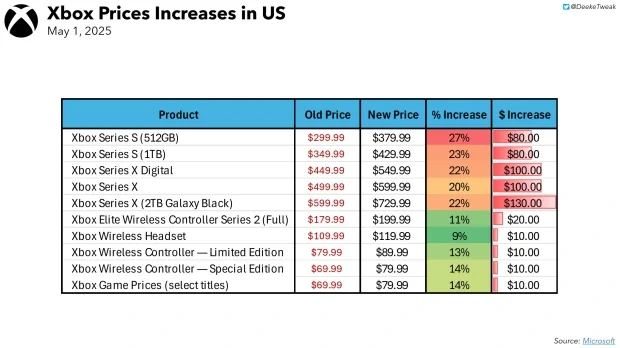
Xbox's August price hike turns console hardware into a platform-economics warning
Microsoft's reported August 1 Xbox Series price increases show how memory costs, hardware margins and subscription strategy are colliding in gaming.
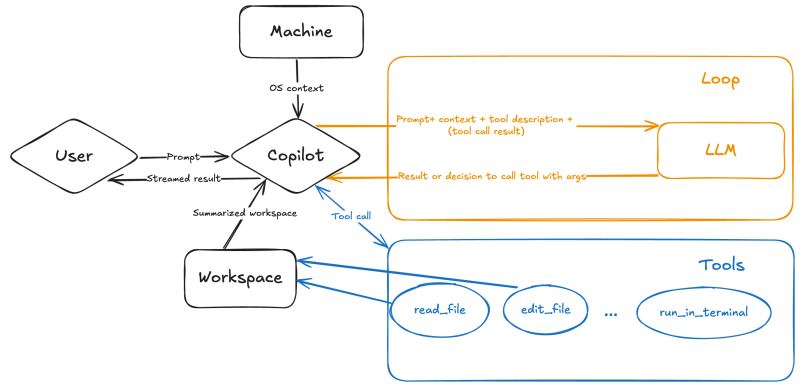
GitHub and Cloudflare push agent software from demos into workflow plumbing
Late-July GitHub Copilot and Cloudflare agent updates show the software layer around AI agents becoming more operational, reviewable and connected.

Perplexity Windows agent raises the desktop control-plane fight
Perplexity's Personal Computer for Windows pushes AI agents into local files, Office workflows and web tasks, making desktop permissions the next software battleground.

Halo's PS5 launch turns Xbox exclusivity into a distribution experiment
Halo: Campaign Evolved launches July 28 across Xbox, PC, Game Pass and PlayStation 5, making Microsoft's flagship shooter a test of multiplatform reach.
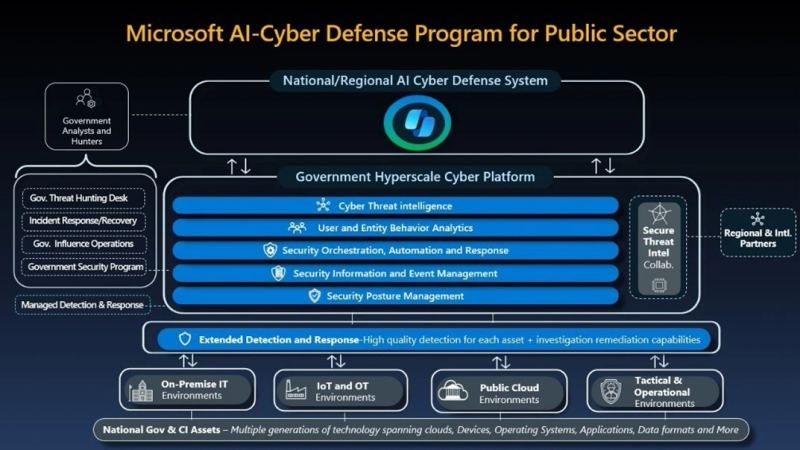
Microsoft cyber model turns AI defense into a cost-routing problem
Project Perception and MAI-Cyber-1-Flash show Microsoft trying to make AI security agents practical by routing common vulnerability work to a smaller specialized model.

Open Secure AI Alliance turns model openness into a security tooling race
NVIDIA, the Linux Foundation, Microsoft, IBM, Hugging Face and other members are framing open AI as a defensive security layer while Anthropic argues for targeted controls instead of blanket bans.