Google Gemini.
Google's Gemini models, DeepMind and AI search.
Google's Gemini computer-use rollout turns agentic AI into a product stack
Google's late-June Gemini releases show the AI race moving from model demos toward deployable agent stacks that combine action, safety controls, and product distribution.

Google DeepMind's AI control roadmap says the next enterprise AI fight is securing agents like insiders, not treating them like harmless assistants
Google DeepMind's June 18, 2026 AI control push reframes agent safety as an operational security problem, arguing that increasingly capable internal agents need layered monitoring, least-privilege access, and response infrastructure before they become deeply embedded in company systems.
Google's Gemini 3.5 Live Translate says the next AI platform fight is real-time speech infrastructure, not just better chat replies
Google's June 9, 2026 launch of Gemini 3.5 Live Translate suggests frontier AI competition is shifting toward low-latency multilingual voice systems that can sit inside meetings, calls, classes, and live media instead of only inside text prompts.
Chrome's I/O update says the browser is turning from a page renderer into an agent work surface
Google's May 19, 2026 Chrome I/O update matters because it ties developer tooling, browser automation, and user-facing Gemini features into a broader attempt to make the browser the default runtime for agentic software.

Google's May AI recap says the Gemini race is shifting from model launches to a full product layer of agents, surfaces, and actions
Google's June 5, 2026 recap of its May AI releases matters because it frames the company less as a model vendor and more as a builder of an agentic product stack that spans search, creation, commerce, and daily workflows.
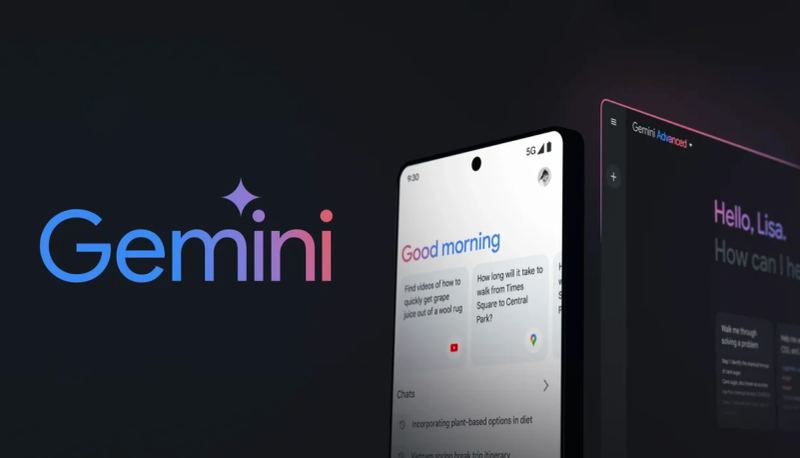
Google's Gemini 3.5 push says the AI race is shifting from chat responses to always-on agent execution
Google's June 5, 2026 recap of its May launches matters because it reframes frontier AI competition around agents that can act across apps, create outputs, and keep working in the background instead of just answering prompts one turn at a time.
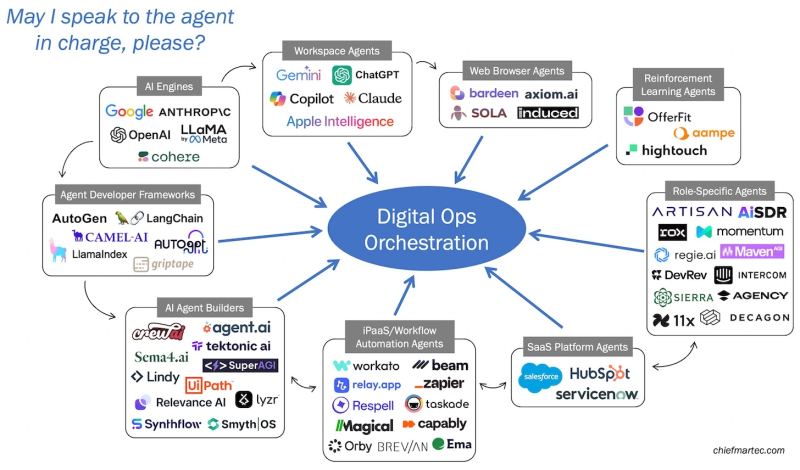
Google's I/O agent push says software platforms now compete on orchestration and deployment flow, not just code completion
Google's May 19, 2026 I/O developer announcements matter because they turn AI software tooling into a coordinated agent platform story, linking Antigravity, Gemini API managed agents, and AI Studio so developers can move from prompt to deployed workflow with less infrastructure friction.

Google's Antigravity stack says the next AI race is about shipping agentic software, not just chatting with models
Google's May 19-20, 2026 I/O announcements matter because Gemini 3.5 Flash, Antigravity 2.0, and managed agents turn model capability into a coordinated software-delivery stack for teams that want agents to build real products.
Google wants Gemini Enterprise Agent Platform to become the operating system for companies that run on agents
Google's Gemini Enterprise Agent Platform matters because it packages model access, governance, integration, and no-code orchestration into a software control plane for agent-heavy organizations.
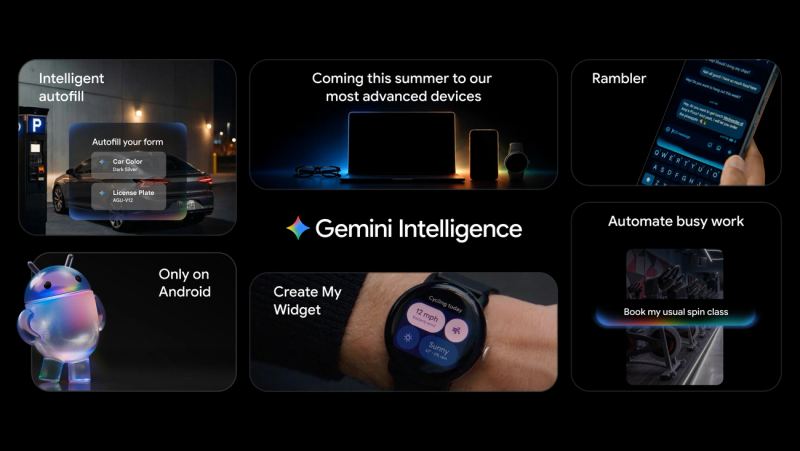
Google is turning Android into a proactive AI operating layer instead of a phone OS you manage by hand
Google's Gemini Intelligence push matters because it reframes Android as an AI system that can complete multi-step work across apps, not just a mobile platform that waits for taps.

Google's Gemini Intelligence push turns Android from an app platform into a software layer that tries to act for you
Google's Android Show announcements on May 12, 2026 reposition Android as an intelligence system, extending Gemini from an assistant app into a software layer that can automate tasks, fill forms, and mediate app behavior.

CAISI's new frontier model deals put pre-release AI testing closer to deployment
NIST's Center for AI Standards and Innovation signed expanded agreements with Google DeepMind, Microsoft and xAI, turning government model evaluation into a more routine pre-deployment checkpoint for frontier systems.

Washington's new CAISI deals turn frontier AI testing into pre-release infrastructure
The May 5 CAISI agreements matter because they shift frontier-model evaluation from an ad hoc safety ritual into something closer to critical infrastructure. When Microsoft, Google DeepMind, and xAI agree to let government testers examine unreleased systems, the AI race stops being only about launch speed and starts becoming a contest over who can prove operational trust before deployment.