
Solana's onchain perps push says crypto's next derivatives fight is about market structure moving fully onchain
Solana Foundation's June 1 push for fully onchain perpetuals matters because it argues that performance, delegation tools, and capital-market depth have reached the point where derivatives no longer need hybrid offchain crutches.
Anthropic's Fable 5 return shows frontier AI launches are now being judged as much by safeguard recovery as by raw model power
Anthropic's July 1 redeploy of Claude Fable 5 matters because it turns a frontier-model outage into a live test of whether leading labs can restore access, tighten safeguards, and keep enterprise confidence intact at the same time.

Sony's PS3 and Vita store sunset says gaming's preservation problem is becoming a commerce-platform decision, not just a nostalgia debate
Sony's July 1 update matters because it sets a multi-market timetable for closing PS3 and Vita store purchases while exposing how legacy game access now depends on whether old commerce systems still justify platform support.

Meta Glasses make the hardware race around AI feel more serious because the real product bet is not style alone but whether all-day wearable assistants can become normal
Meta's June 23 launch with EssilorLuxottica matters because it combines consumer eyewear design with Muse Spark-powered AI, longer battery life, and broader retail positioning.

Mistral OCR 4 shows the next AI battleground is not chat polish but whether models can reliably turn messy enterprise documents into agent-ready workflows
Mistral's June 23 OCR 4 launch matters because it treats document AI as structured infrastructure for retrieval, verification, and automation, not just text extraction.
Anthropic is putting Fable 5 back into global hands, but with a harder safety and security story attached
Anthropic's July 1 global return for Fable 5 matters because it turns a politically disrupted frontier model launch into a test of whether export controls, cyber safeguards, and enterprise trust can coexist in a commercial AI rollout.
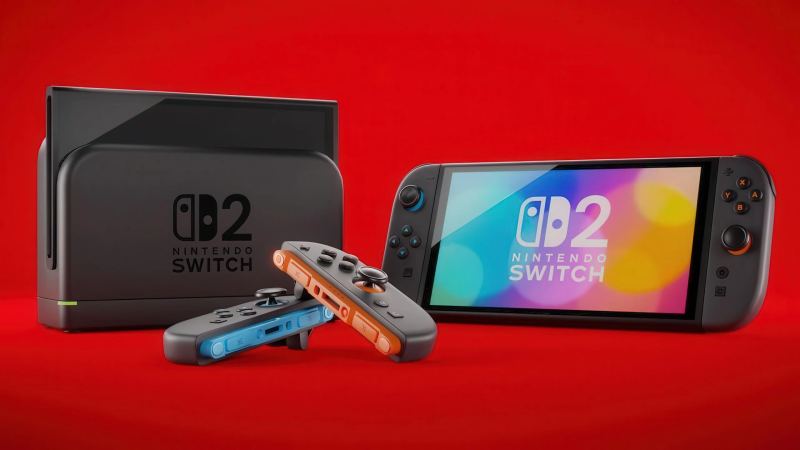
Bethesda's Switch 2 move shows Nintendo is becoming part of the serious remaster economy again
Bethesda's July 1, 2026 Oblivion Remastered Switch 2 announcement matters because it brings a heavyweight western RPG remaster to Nintendo's new hardware and signals that major catalog titles increasingly expect portable premium releases, not just cloud or cut-down ports.
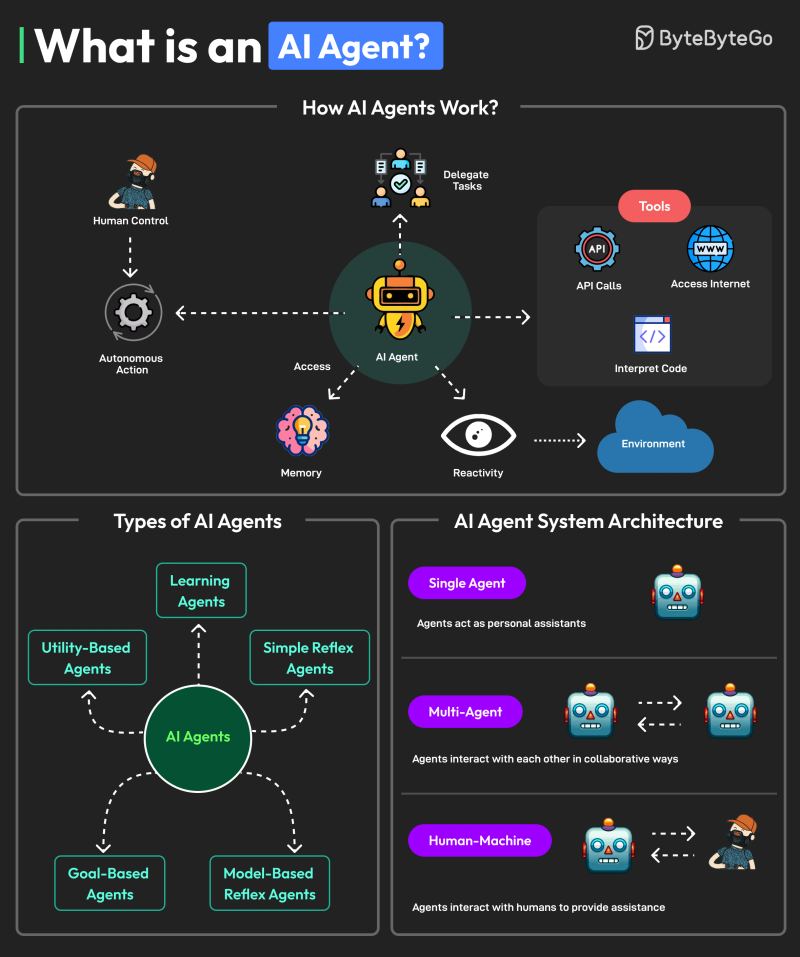
Stripe is turning Germany into a test bed for selling to AI agents as well as people
Stripe's June 30, 2026 Germany launch package matters because it combines more global payment methods with agent-ready commerce tooling, treating AI buyers as a real payments surface instead of a future concept.

Flex and Teradyne Robotics say physical AI only matters if robot manufacturing and deployment can scale together
Flex and Teradyne Robotics are expanding their partnership around global manufacturing and warehouse automation, turning the robotics race toward scalable production and deployment discipline instead of isolated demos.

Solana's native allowances say crypto may finally have a practical wallet pattern for AI agents
Solana's new Subscriptions & Allowances program gives developers native recurring billing and delegated spending, pushing crypto toward budget-bounded agent wallets instead of ad hoc signatures.

Anthropic's Claude Tag turns workplace AI from a chat window into an operating teammate
Anthropic's new Slack-native Claude Tag suggests the next AI battleground is not just model quality, but whether agents can hold context, work asynchronously, and operate as scoped teammates inside real teams.

Xbox's price reset says gaming platforms are leaning on hardware margin and exclusives at once
Xbox's June 25 global console price increase, combined with its June 10 promise of renewed exclusives, suggests platform gaming is entering a tougher cycle where hardware economics and content differentiation have to work together.
Anthropic's Claude Tag says workplace AI is shifting from side chat to shared workflow memory
Anthropic's new Claude Tag for Slack suggests the next AI battleground is not individual chat quality alone but whether a model can hold team context, take delegated work, and operate as shared workflow infrastructure.
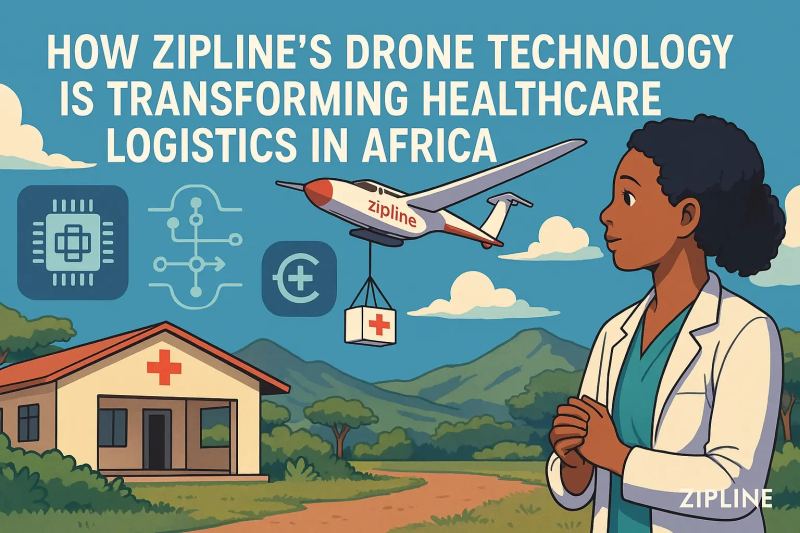
Zipline's new Africa research says drone logistics become real infrastructure only when they lift health and household income together
Zipline's June 10 research update argues that autonomous delivery matters less as an aviation novelty and more as infrastructure that can improve nutrition, farm returns, and local income in parallel.
Kraken's built-in onchain trading says crypto platforms want DeFi reach without DeFi friction
Kraken's June 18 rollout of app-native onchain trading for thousands of Solana tokens shows centralized exchanges are racing to absorb early DeFi access instead of ceding it to separate wallets and DEX interfaces.
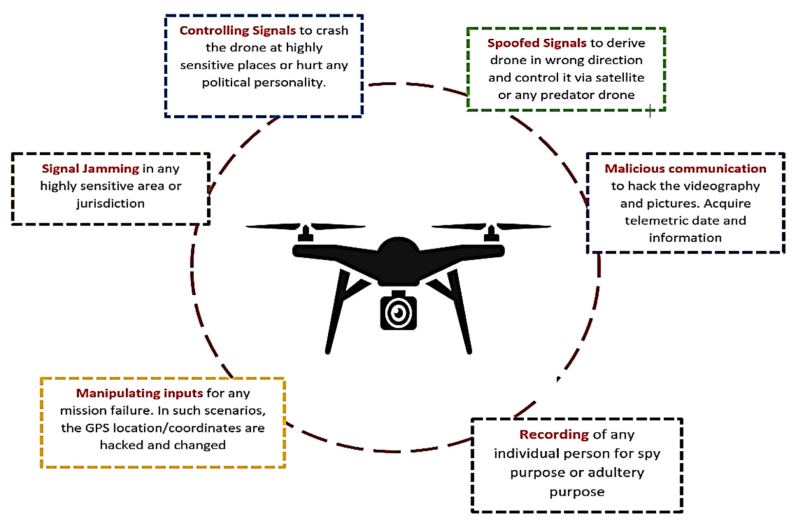
Vancouver's new Skydio deployment says drone operations scale when autonomy, cloud sovereignty, and public-safety workflow fit together
The Vancouver Police Department's June 2026 dock-based Drone as First Responder launch shows that the real commercial and civic challenge in drones is not flight alone but how autonomy, approvals, cloud control, and response workflows integrate into one operational system.
OpenAI's latest health push says frontier AI is becoming a mass-market care interface, not just a chatbot feature
OpenAI's June 18, 2026 health updates suggest the next AI battleground is not only raw model intelligence but whether millions of people can safely use that intelligence as a first-stop interface for everyday care questions and rare-disease discovery.

OpenAI's health intelligence push says general-purpose AI is moving closer to a care interface, not just a search box
OpenAI's June 18, 2026 health updates show a two-track strategy: make ChatGPT more useful for everyday health questions while proving frontier models can assist physicians on harder cases. Together, that suggests the next AI healthcare battle will be fought at the interface between consumer guidance, clinical workflow, and trust.

OpenAI's AI chemist result says frontier models are starting to matter when science becomes a closed-loop workflow, not just a literature shortcut
OpenAI's June 17, 2026 medicinal-chemistry result with Molecule.one suggests the next serious AI benchmark is not a cleaner test score, but whether a model can move from literature review to validated experimental improvement inside a real lab loop.

Visa's June commerce push says fintech's next moat is a programmable trust layer spanning AI agents and stablecoin settlement
Visa's June 10 product announcements and its April stablecoin expansion show the payments network race shifting toward programmable commerce, where AI authorization, token controls, and multi-chain settlement have to work together.

Figure's Catalyst Brands deal is a test of whether humanoid robots can move from demos into repeatable retail logistics work
Figure's May 26 agreement with Catalyst Brands puts humanoids into a real Reno distribution center and links that deployment to a broader production ramp, making commercial logistics one of the clearest proving grounds for physical AI in 2026.
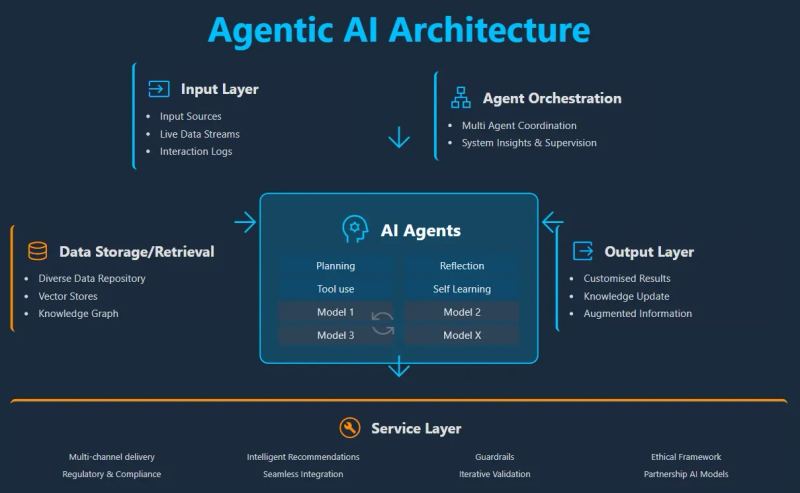
Google's AI Search push is turning trust and agent orchestration into the new front page of the web
Google's May 19 I/O reset and its May 27 credibility upgrades show that the next AI battleground is not only model quality, but whether Search can blend agents, multimodal reasoning, and visible trust signals without breaking the open web.

Circle's cirBTC launch says Bitcoin's next DeFi phase is about neutral collateral, not wrapped speculation
Circle's June 8 cirBTC launch on Ethereum shows the next crypto infrastructure fight is moving from token hype toward institution-grade bitcoin collateral that can travel across lending, treasury, and settlement workflows.
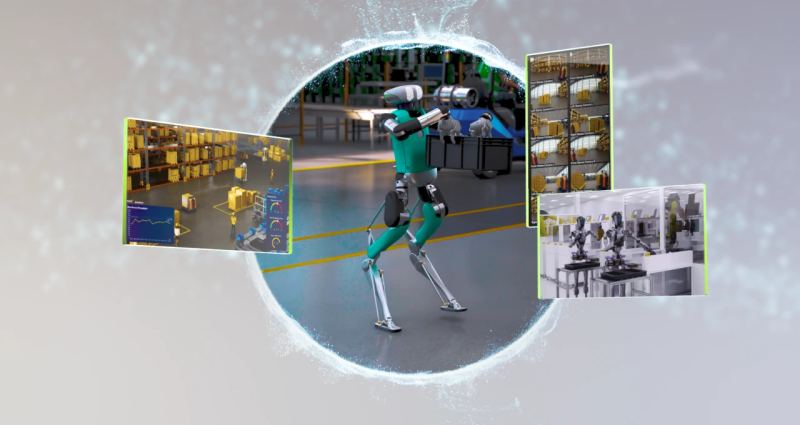
Qualcomm's new robotics reference design says physical AI is moving from demos to deployment-ready system stacks
Qualcomm's June 1, 2026 Dragonwing IQ10 Robotics Reference Design matters because it packages compute, sensing, control, and software into a production-style platform for builders who are tired of stitching robotics systems together from scratch.