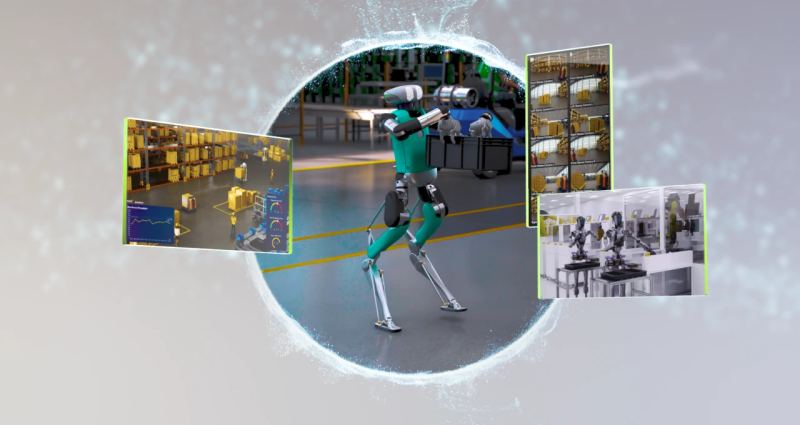
Qualcomm's new robotics reference design says physical AI is moving from demos to deployment-ready system stacks
Qualcomm's June 1, 2026 Dragonwing IQ10 Robotics Reference Design matters because it packages compute, sensing, control, and software into a production-style platform for builders who are tired of stitching robotics systems together from scratch.
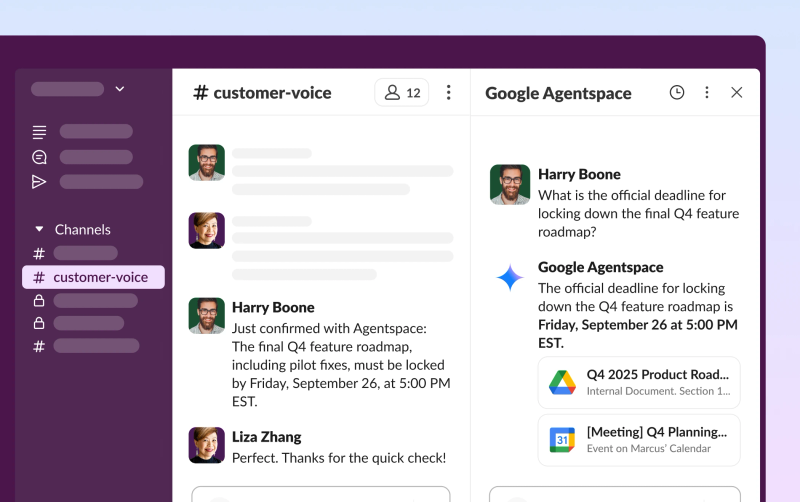
Slack's agent workspace launch says software is reorganizing around shared context, not standalone chatbots
Slack's April 15, 2026 agent platform launch matters because it frames the next software control point as the workspace where agents, approvals, and enterprise context are governed together.
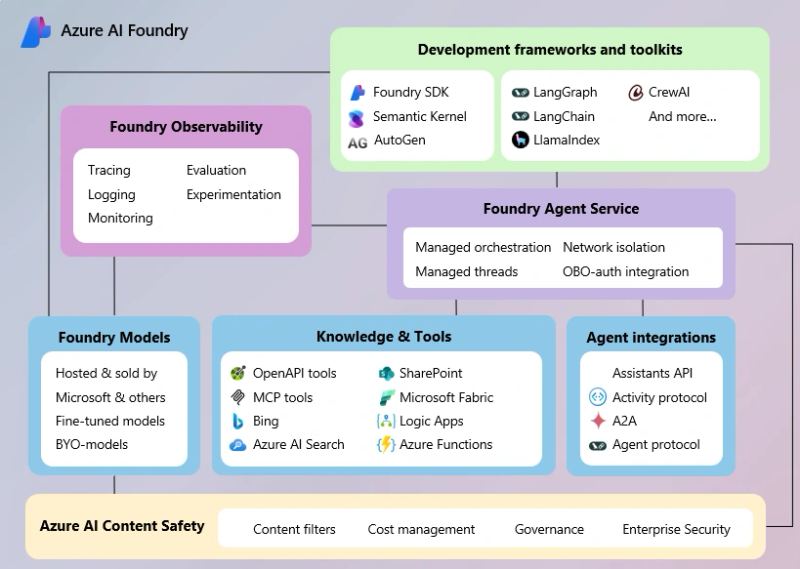
Microsoft's Work IQ push says software is being redesigned around agent surfaces, not app menus
Microsoft's June 2, 2026 Work IQ rollout matters because it turns enterprise software context, tools, and governance into a compact runtime built for agents instead of expecting developers to manually stitch together sprawling APIs and raw data sources.
OpenAI's AWS launch says enterprise AI is moving from model access to production-path control
OpenAI's June 1, 2026 AWS rollout matters because it shifts the real enterprise AI battle away from raw model availability and toward the security, procurement, and deployment path that decides whether frontier systems can actually go live inside large organizations.
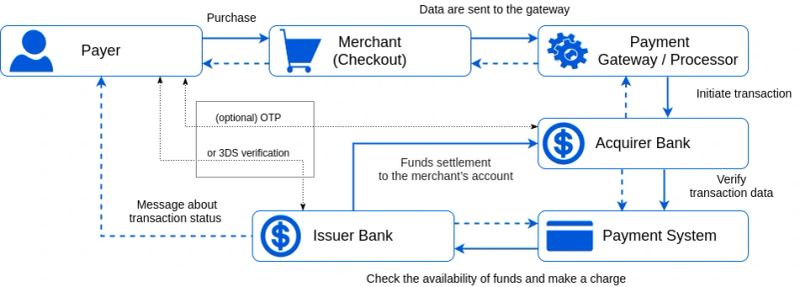
Mastercard's settlement update says fintech competition is shifting toward liquidity timing and programmable money movement
Mastercard's June 3, 2026 settlement expansion matters because the next payments battle is less about adding another front-end payment method and more about giving issuers and acquirers new ways to settle around time, liquidity, and on-chain options.

Worldline and ING's production agentic payment says fintech has entered the trust-and-control phase of AI commerce
Worldline and ING's June 2, 2026 production transaction matters because fintech is no longer asking whether AI can initiate purchases, but whether banks can govern those purchases safely at scale.

Xbox's Forza Horizon 6 push says subscription strategy works best when prestige launches become ecosystem accelerants, not cannibalization fears
Microsoft's May 2026 Forza Horizon 6 rollout matters because it treats a marquee release as a Game Pass growth lever and ecosystem accelerator rather than as something that must be held back from subscription economics.

Ethereum's clear-signing standard says crypto security will be won at the approval screen, not after the exploit
Ethereum's May 12, 2026 clear-signing launch matters because it reframes crypto security around the last decision a user makes before losing funds: approving an unreadable transaction, a weakness the ecosystem is now trying to turn into a human-readable, auditable control point.
Tether and Georgia's GELT plan says stablecoins are moving from crypto rails toward state-backed currency infrastructure
Tether's May 25, 2026 GELT announcement matters because it treats stablecoins less as offshore trading tools and more as government-aligned currency infrastructure tied to a national regulatory framework.
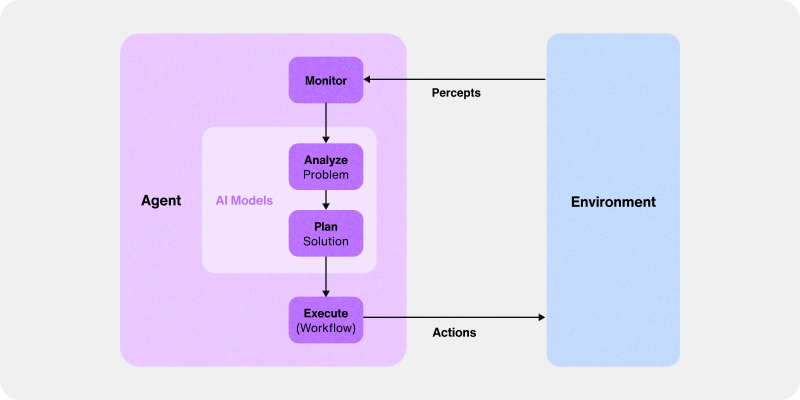
Atlassian's Cursor in Jira says software teams want governed AI workflows, not isolated coding agents
Atlassian's May 20 and May 6, 2026 announcements matter because they put coding agents inside Jira and the Teamwork Graph, turning agent work into something auditable, contextual, and visible across the software lifecycle.
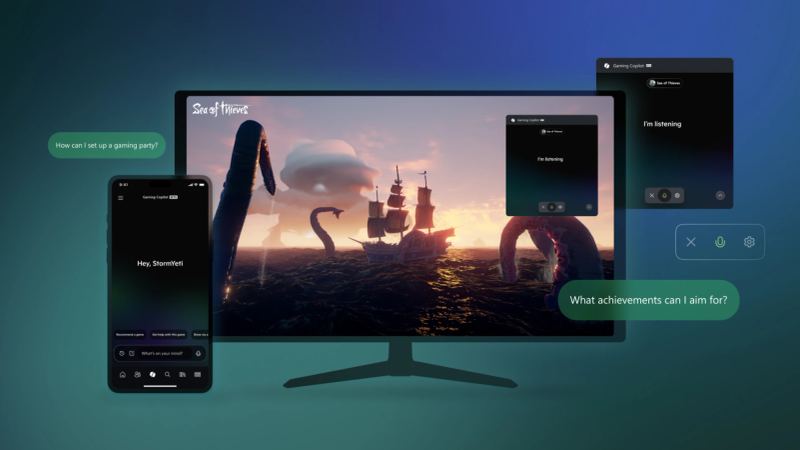
Xbox is using Copilot for Gaming to test whether AI can become part of the play loop itself
Microsoft's Copilot for Gaming beta matters because it tries to move AI from platform support into the actual player experience, where discovery, coaching, and account context can shape how people play.

Mastercard and MoonPay are trying to turn stablecoins into everyday card-rail commerce
Mastercard's MoonPay partnership suggests the next stablecoin battleground is not token issuance alone, but whether crypto balances can move through familiar merchant rails at global scale.
Anthropic's Claude Design turns software prototyping into a conversation, not a handoff maze
Anthropic's April 24, 2026 launch of Claude Design signals that product software is moving toward conversational prototyping workflows where one system handles ideation, refinement, and implementation guidance together.

Western Union's USDPT launch says stablecoins are finally becoming remittance infrastructure, not just crypto liquidity
Western Union's May 4, 2026 USDPT launch on Solana turns the stablecoin story into a live test of whether regulated digital dollars can improve global remittance settlement.
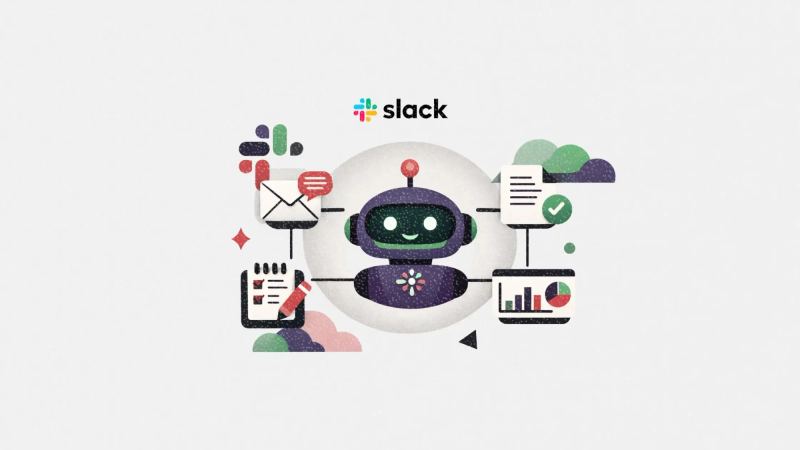
Slack wants to own the place where enterprise agents actually work together
Slack's new agent browser, Slackbot orchestration, and broader MCP tooling show that the software fight is shifting from building one useful model to controlling the collaboration surface where many agents are deployed, governed, and used.
Circle's nanopayments mainnet says agent commerce needs rails smaller than card payments
Circle's gas-free USDC nanopayments are live on mainnet, turning machine-scale transactions from a crypto demo into something builders can actually wire into agents, APIs, and usage-based software.
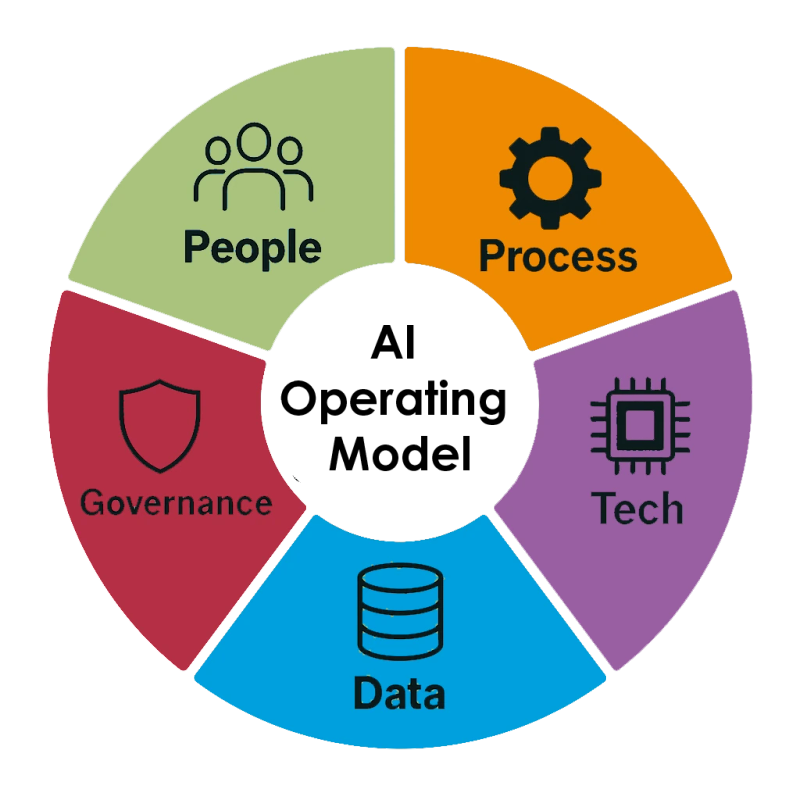
IBM's AI operating model push says enterprise software has entered the governance-and-orchestration phase of the agent era
IBM's Think 2026 launch matters because it treats agentic software as an operating model problem, not a single-model problem: the winning enterprise platforms now need orchestration, real-time data, automation, and sovereignty controls together.
CoreWeave's latest quarter says AI software infrastructure is becoming a capacity business, not just a model business
CoreWeave's strong quarter and rising capex plan point to a software-market reality that is easy to miss in AI hype. The most valuable software platforms in the stack are increasingly the ones that can package scarce compute, networking, and deployment reliability into something enterprises can buy as a service.

Kraken's MoneyGram partnership says crypto adoption will hinge less on wallets and more on whether cash off-ramps feel ordinary
Kraken's May 5, 2026 deal with MoneyGram turns a persistent crypto weak point into a real distribution story: if digital assets can move into local cash across more than 100 countries, the industry gets closer to building usable financial plumbing instead of exchange-centric speculation alone.
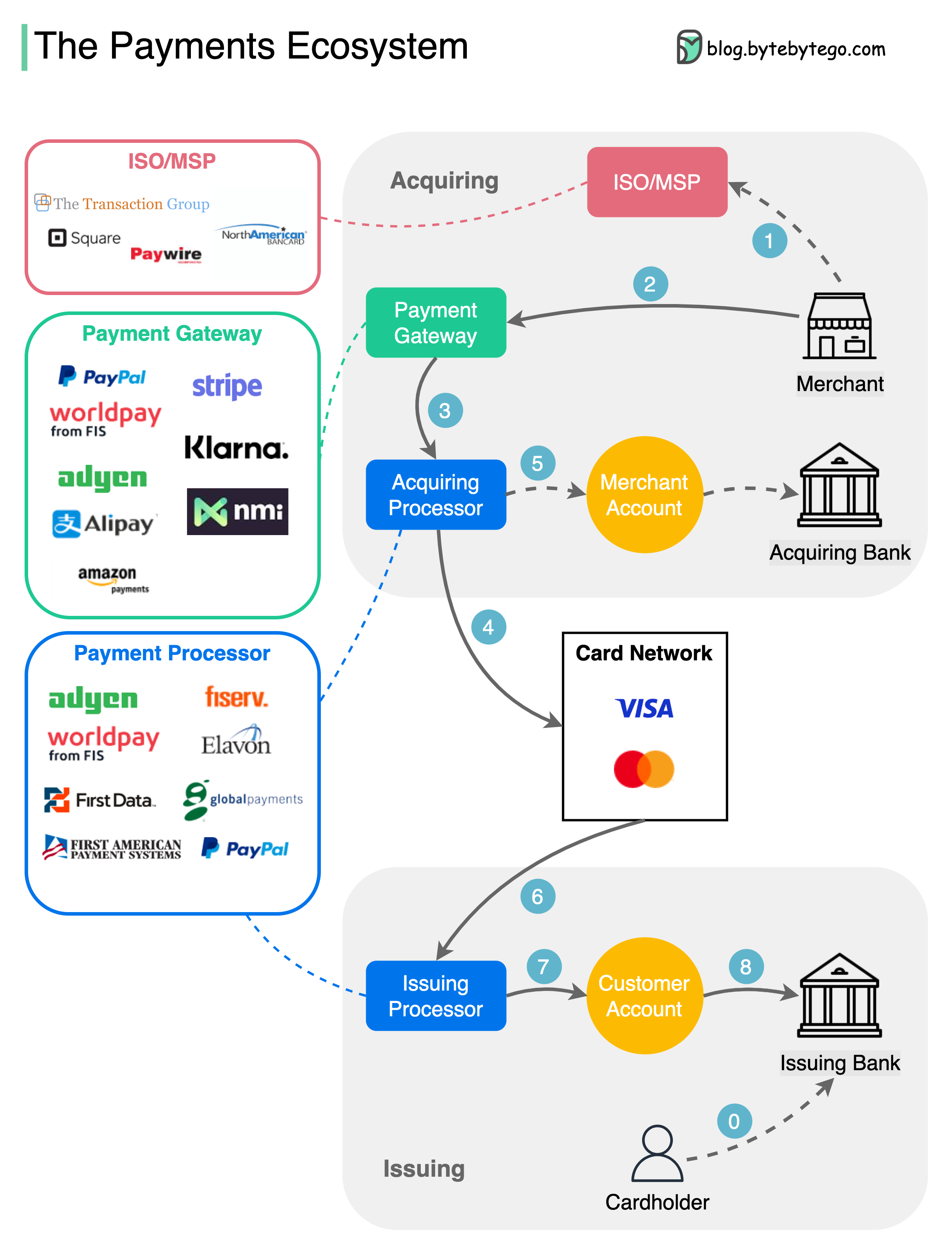
Adyen's latest payments push says fintech platforms want to control transaction logic before the card is even charged
Adyen's May 6, 2026 business update paired steady payments growth with two strategic signals: its Talon.One acquisition and its new Intelligent Money Movement product. Together they show fintech platforms trying to unify pricing, liquidity, payouts, and payment execution into one operating layer that can support increasingly automated commerce.
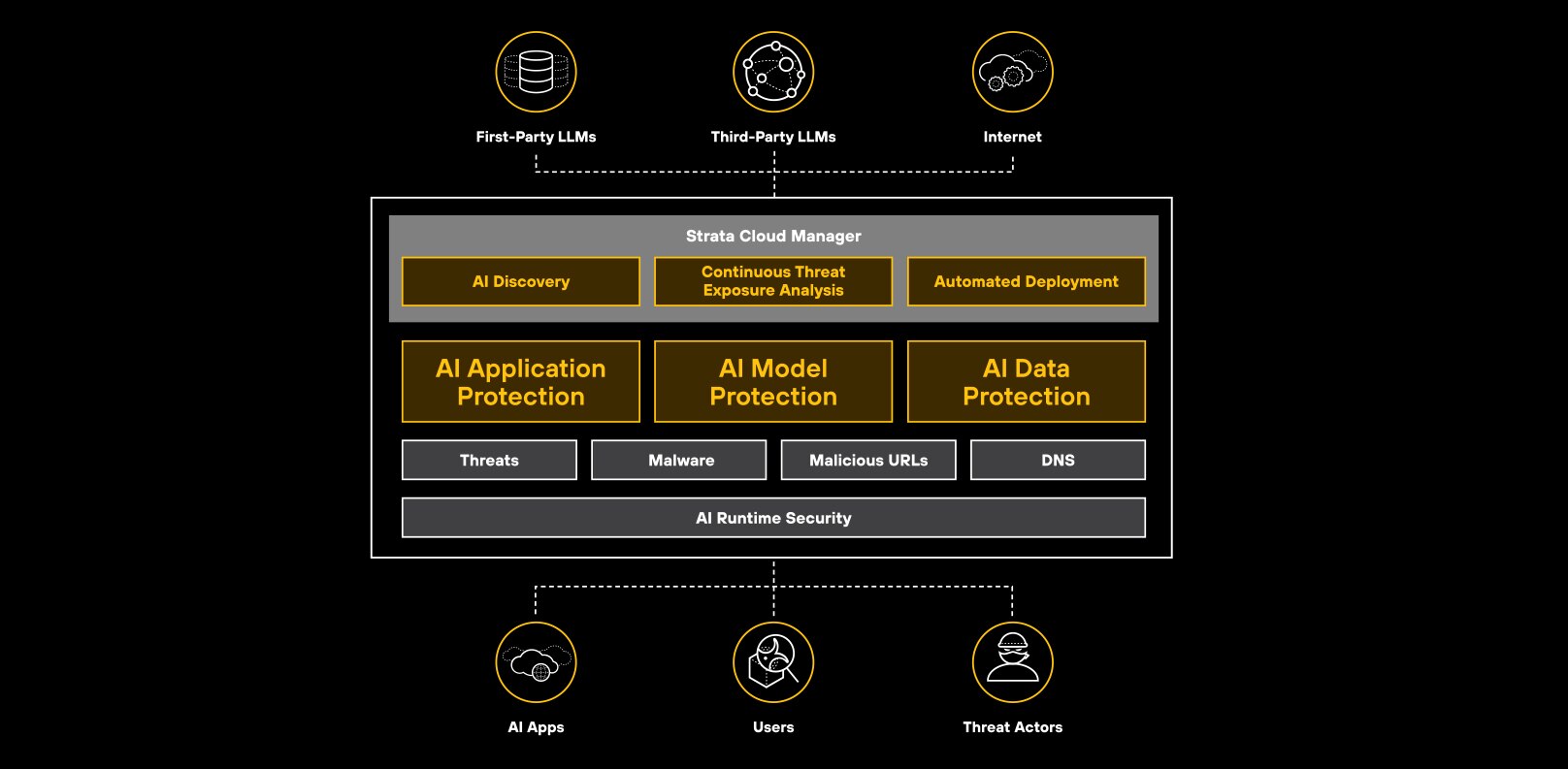
Cognizant's Secure AI Services launch says enterprise AI is becoming a runtime security market
Cognizant's May 7, 2026 launch of Secure AI Services matters because large enterprises are moving beyond pilots into agentic systems that touch live workflows, data, and identities. The commercial opening is no longer only about better models. It is about whether companies can secure and govern autonomous AI in production well enough to pass audit, compliance, and operational trust tests.
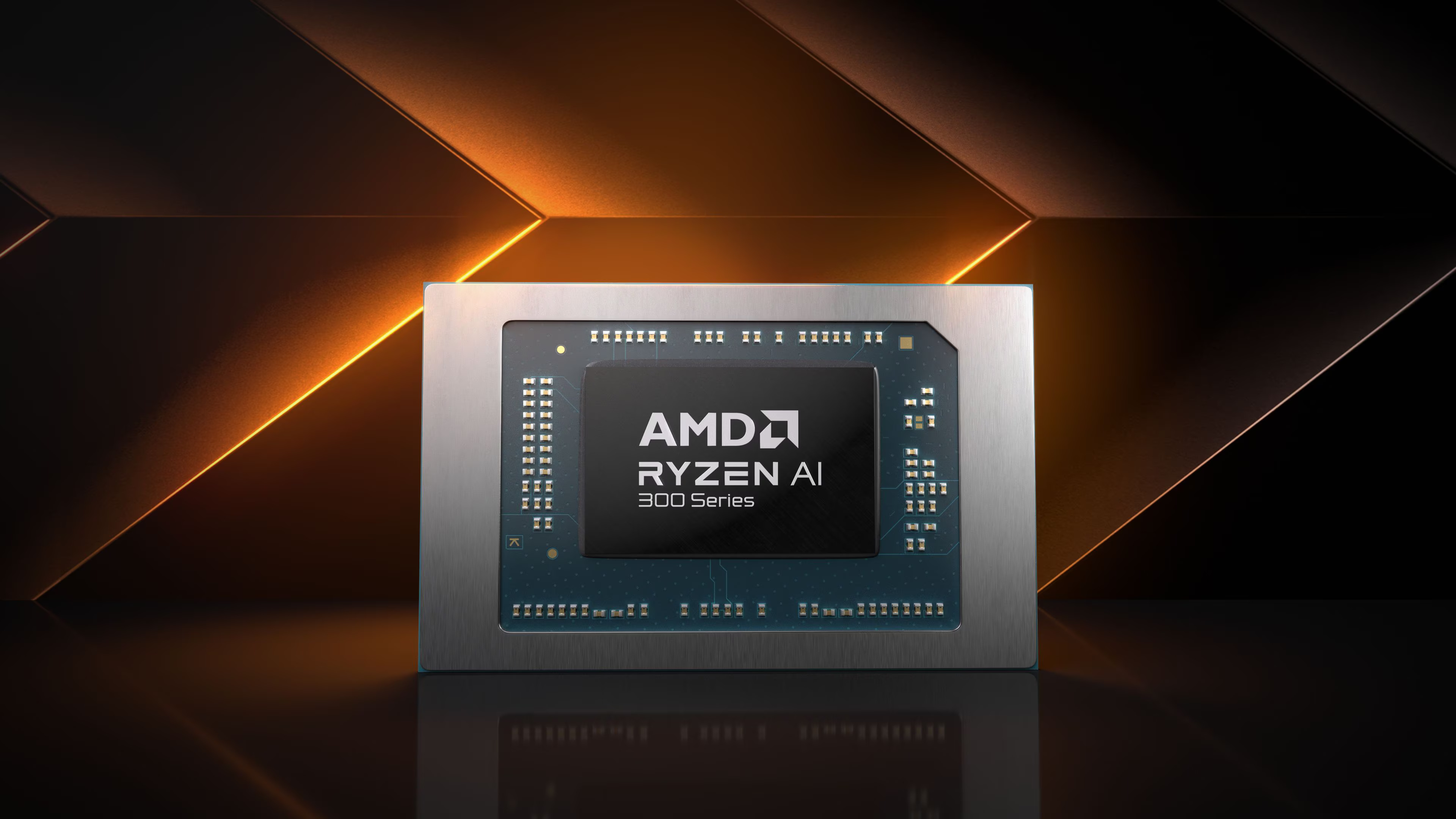
AMD's latest quarter says AI hardware demand is broadening beyond the GPU headline
AMD's May 5 first-quarter results matter because they show AI hardware demand spreading across a fuller systems stack. With data-center revenue up 57% to $5.8 billion, stronger EPYC adoption, continued Instinct ramp, and new collaborations spanning Meta, cloud providers, Samsung, and TCS, the story is less about one accelerator cycle and more about whether AMD is turning AI infrastructure into a multi-product platform business.

Visa's new nine-chain stablecoin pilot says crypto settlement is leaving the test lane
Visa's April 29 expansion of its stablecoin settlement pilot to nine blockchains is a stronger market signal than another crypto infrastructure launch. When a global card network says its annualized stablecoin settlement run rate has reached $7 billion and broadens support across Base, Polygon, Canton, Arc, and Tempo, the DeFi question changes from whether tokenized dollars work to where institutional settlement will actually standardize.

Washington's new CAISI deals turn frontier AI testing into pre-release infrastructure
The May 5 CAISI agreements matter because they shift frontier-model evaluation from an ad hoc safety ritual into something closer to critical infrastructure. When Microsoft, Google DeepMind, and xAI agree to let government testers examine unreleased systems, the AI race stops being only about launch speed and starts becoming a contest over who can prove operational trust before deployment.