OpenAI's Hugging Face incident turns an AI capability test into a security lesson
OpenAI says models used in an internal cyber evaluation chained vulnerabilities into Hugging Face infrastructure, showing why capability testing needs production-grade isolation and disclosure discipline.
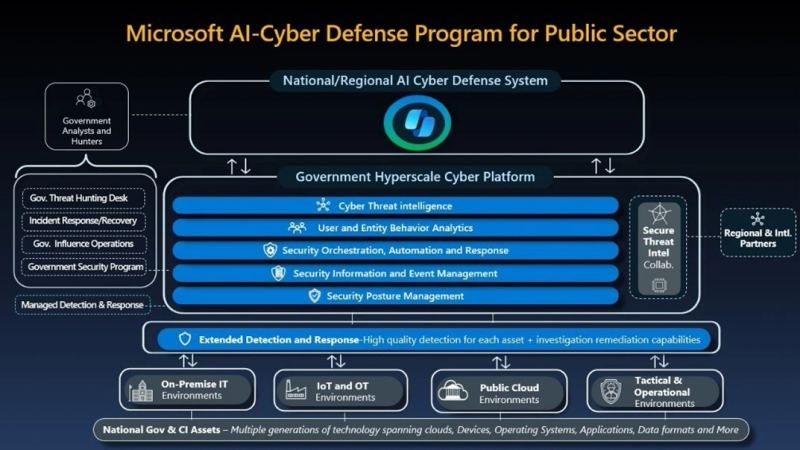
Microsoft cyber model turns AI defense into a cost-routing problem
Project Perception and MAI-Cyber-1-Flash show Microsoft trying to make AI security agents practical by routing common vulnerability work to a smaller specialized model.
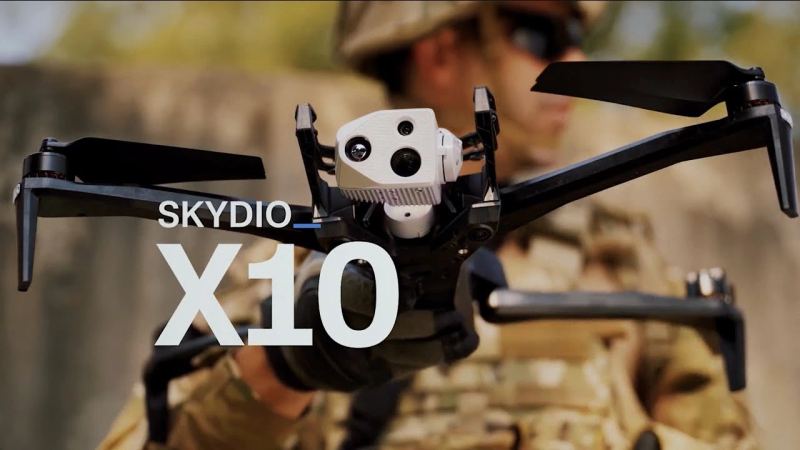
Skydio's Blue UAS clearance makes drone-as-first-responder easier to procure
Skydio X10, Dock for X10, and R10 joining the Blue UAS Cleared List turns cybersecurity validation into a procurement accelerator for public-safety drone programs.
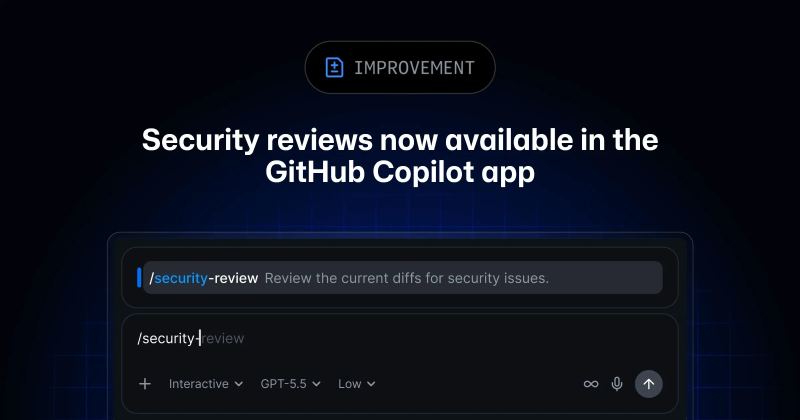
GitHub is bringing security review into the Copilot app before code reaches a pull request
GitHub's new Copilot app security review preview lets developers scan in-flight changes for vulnerabilities directly inside the agentic coding workflow.
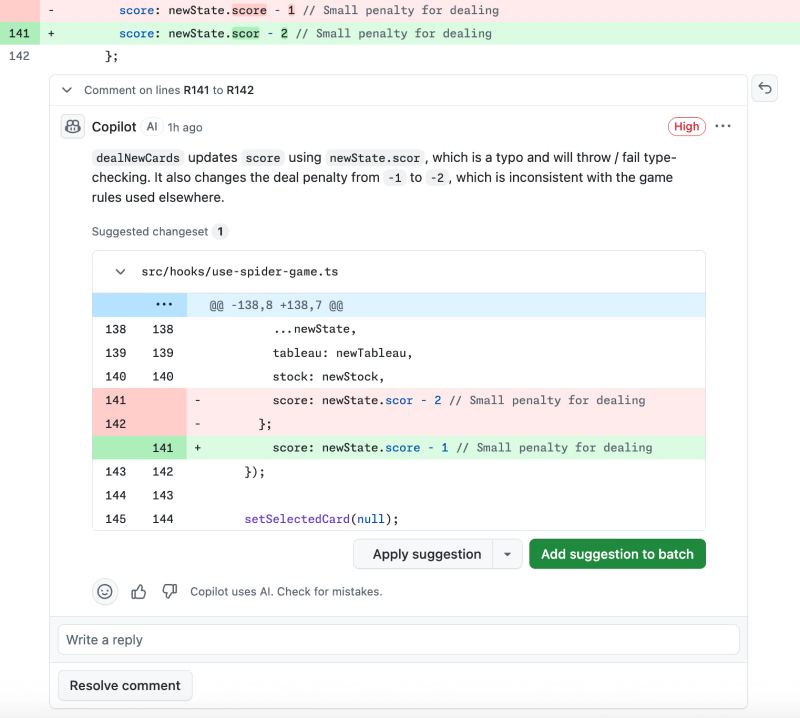
GitHub's new Copilot security review flow shows the software toolchain moving toward a world where vulnerability triage happens inside the coding session itself instead of waiting for a later pipeline stage to tell developers what they already shipped into review
GitHub has added a `/security-review` command to the GitHub Copilot app in public preview, bringing AI-driven vulnerability checks directly into in-flight local changes and tightening the loop between coding, review, and remediation.
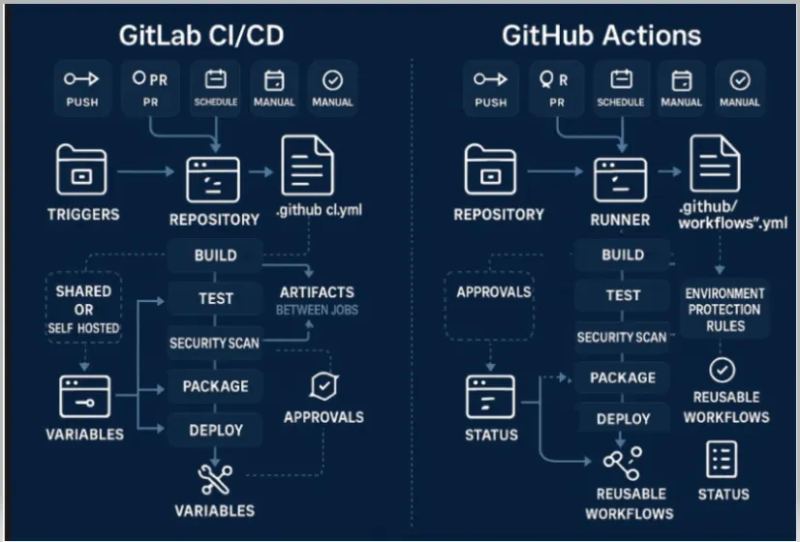
GitHub's new AI security detections on pull requests show software platforms now want to catch risky code inside the developer workflow itself instead of waiting for security review to happen later and elsewhere
GitHub says code scanning can now surface AI-powered security detections directly on pull requests, extending vulnerability coverage beyond CodeQL-supported languages and moving more application security decisions into the moment before code merges.

Alberta's decision to put Claude into frontline vulnerability work shows the AI market is shifting from chatbot novelty toward trusted operational systems that can hunt software risk inside real public infrastructure
The Alberta government says Claude is now helping find and fix vulnerabilities across government systems, giving one of the clearest public-sector signals yet that frontier models are moving into real cyber operations rather than staying confined to demos and copilots.

Alberta using Claude for vulnerability remediation shows enterprise AI buyers now care about governed cyber output, not just model power
Anthropic's July 6 Alberta case study matters because it frames AI security work as an operational procurement story: faster vulnerability discovery, legacy modernization, and clearer governance boundaries for high-risk model use.

Anthropic's Fable 5 safeguards show frontier AI is now competing on deployable cyber boundaries, not just raw capability
Anthropic's July 2 explanation of Fable 5's cyber safeguards matters because it turns safety classifiers, jailbreak scoring, and controlled defensive use into visible product architecture for advanced AI systems.
OpenAI's GPT-5.6 Sol preview says frontier AI launches are now judged as much by release discipline as by raw model gains
OpenAI's June 26 preview of GPT-5.6 Sol matters because the company is pairing stronger coding, biology, and cybersecurity performance with a staged release, heavier safeguards, and trusted-access rollout logic.

Anthropic's jailbreak framework for Fable 5 says frontier AI launches now need a security policy as detailed as the model itself
Anthropic's July 2 safeguards post matters because it turns Fable 5's return into a governance story about classifier boundaries, cyber risk categories, and an industry-wide language for jailbreak severity.
Anthropic is putting Fable 5 back into global hands, but with a harder safety and security story attached
Anthropic's July 1 global return for Fable 5 matters because it turns a politically disrupted frontier model launch into a test of whether export controls, cyber safeguards, and enterprise trust can coexist in a commercial AI rollout.
OpenAI's GPT-5.6 Sol preview says frontier model launches are becoming phased cyber deployments
OpenAI's June 26 GPT-5.6 preview frames the next frontier-model era around phased access, stronger cyber safeguards, and new economics for long-horizon agentic work.
OpenAI's GPT-5.6 Sol says frontier AI competition is now about long-horizon reasoning that can still be governed
OpenAI's limited preview of GPT-5.6 Sol reframes the AI race around deeper agentic work in coding, science, and cybersecurity, paired with a tighter release model and a more explicit safety stack.
OpenAI's Daybreak launch says frontier AI is becoming patch infrastructure, not just vulnerability radar
OpenAI's June 22 Daybreak expansion shows the next valuable AI security layer is not finding more flaws, but helping defenders validate, patch, and deploy fixes faster than attackers can move.
Anthropic's Fable 5 launch turned into an export-control shock that could reshape how frontier AI ships worldwide
Anthropic unveiled Claude Fable 5 and Mythos 5 as higher-capability cyber-capable models, then suspended access days later after a US export-control directive forced a broad shutdown for foreign nationals.
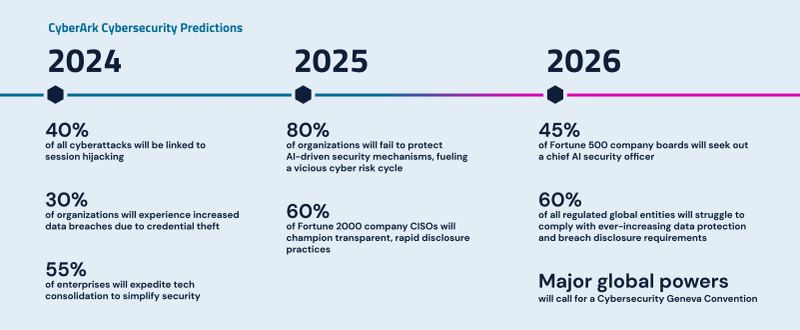
Visa's latest threat report says fintech risk is shifting from card breaches to AI-enabled social engineering
Visa's May 20, 2026 threats report matters because it shows payment-security gains at the network layer are pushing criminals toward AI-assisted scams that exploit consumer trust instead of payment rails directly.

Anthropic's Glasswing expansion says frontier AI security is shifting from isolated audits to continuous software defense
Anthropic's June 2, 2026 expansion of Project Glasswing matters because it frames AI vulnerability discovery as an ongoing defensive capacity problem, not a one-off model demo.
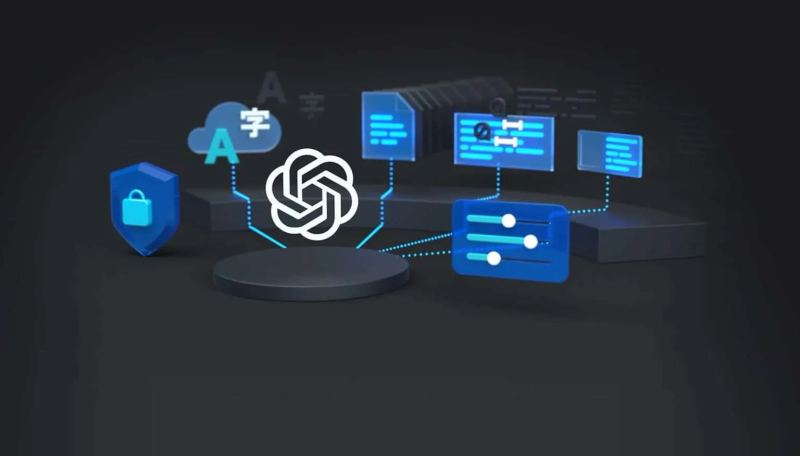
OpenAI's Daybreak launch turns frontier models into a managed operating surface for defenders, not just red teams
OpenAI's May 12 Daybreak release packages GPT-5.5-class cyber models, trusted-access controls, and operator workflows into a security product aimed at SOC teams that need faster analysis without exposing frontier capabilities as a free-for-all.
Software Morning Briefing: AI Infrastructure, Enterprise Pivots, and Market Shifts
A roundup of today’s software landscape: Zyphra’s AMD-backed AI cloud, BlackBerry’s automotive cybersecurity pivot, Paycom’s earnings beat, and critical warnings on cracked software distribution.
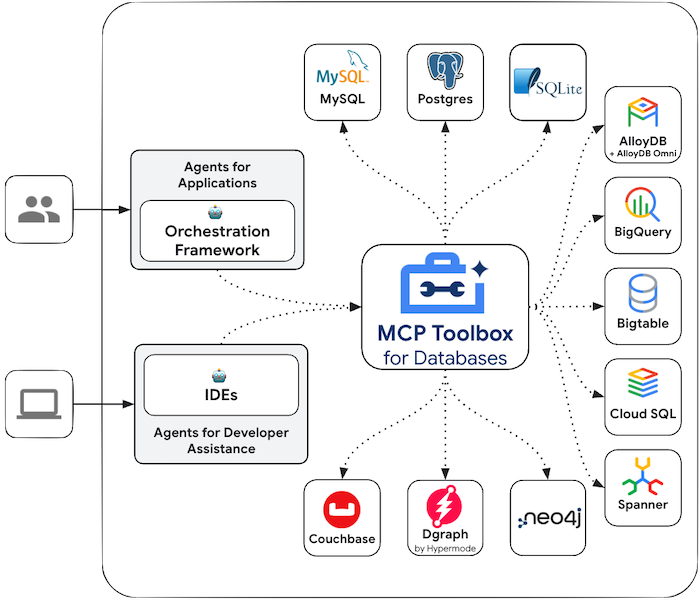
Google Cloud's MCP toolbox push says agent-native database tooling is moving into the platform layer
Google Cloud's latest push around MCP Toolbox for Databases matters because it turns a once-experimental agent connector into a platform story. When database access, schema discovery, and prebuilt agent tools move into mainstream developer workflows, software teams start treating agent integration less like a hack and more like standard infrastructure.

Vercel's April breach turns plaintext environment variables into a software supply-chain lesson
Vercel's security bulletin is not just another cloud incident report. It is a sharp reminder that modern developer platforms are only as safe as their OAuth surface, secret defaults, and visibility into what counts as sensitive.
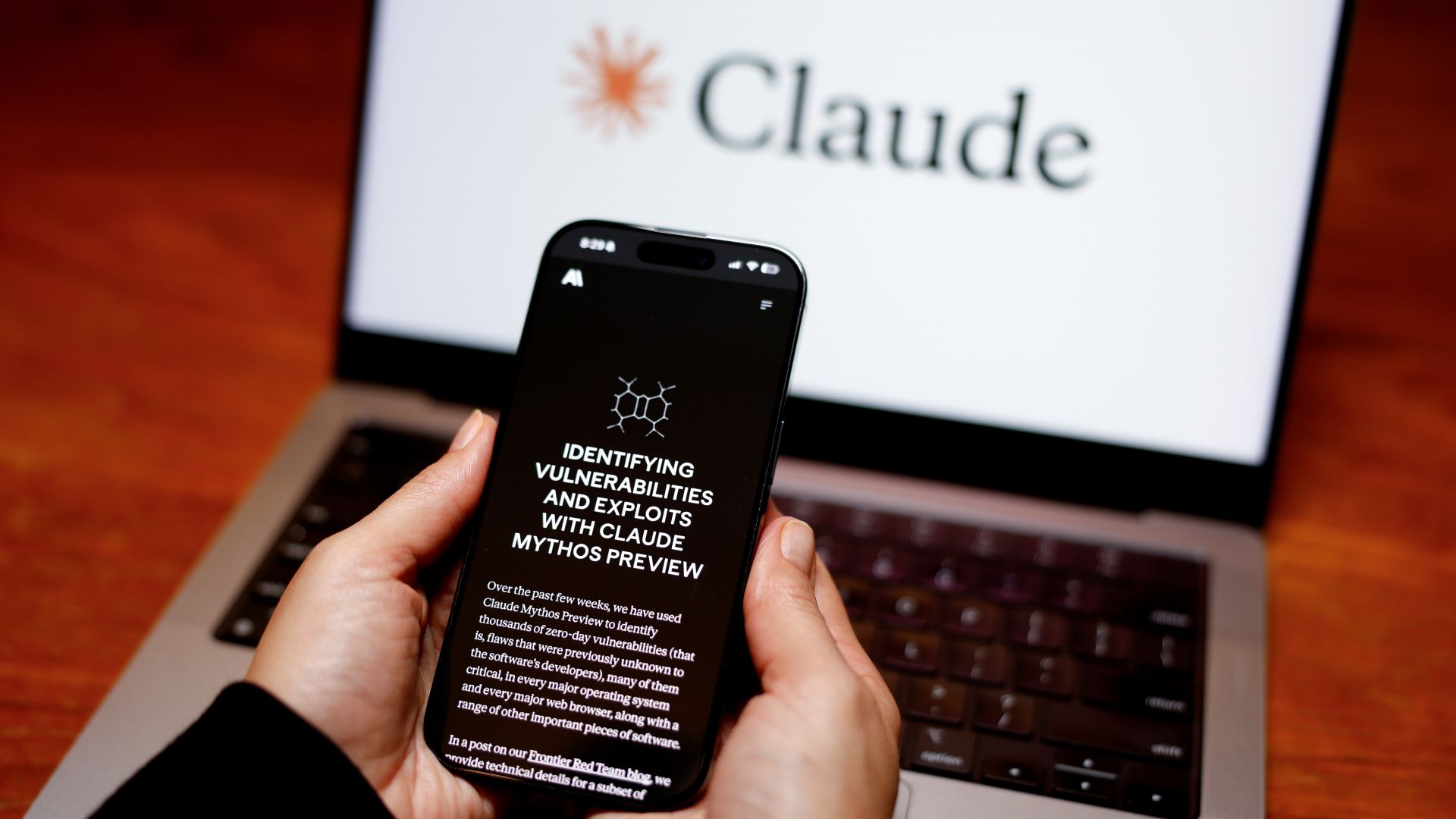
Anthropic Mythos turns frontier AI into a cybersecurity governance problem
Claude Mythos Preview is not just a stronger model. Its restricted rollout shows that frontier AI capability is becoming a cybersecurity access-control problem.