
Microsoft is pushing Copilot deeper into CRM work, which means enterprise software's next fight is over who owns the flow of customer context
Microsoft's new agentic sales and service capabilities matter because they move AI from chat assistance into the operating layer of CRM, meeting prep, case handling, and record updates across Dynamics 365, Outlook, Teams, and Copilot.

Microsoft's agentic CX push says enterprise AI is graduating from drafting help to governed frontline execution
Microsoft is moving sales and service AI deeper into the operating core of customer-facing work, turning Copilot and Dynamics 365 into an agentic layer that surfaces context, recommends actions, and updates CRM inside the flow of work rather than around it.

NVIDIA's RTX Spark push says the AI PC race is shifting from cloud copilots to agent-native local compute
NVIDIA's RTX Spark strategy matters because it reframes the next PC cycle around on-device agents, large local models, and unified memory rather than around thin client access to cloud AI, pushing hardware back into the center of the personal AI story.
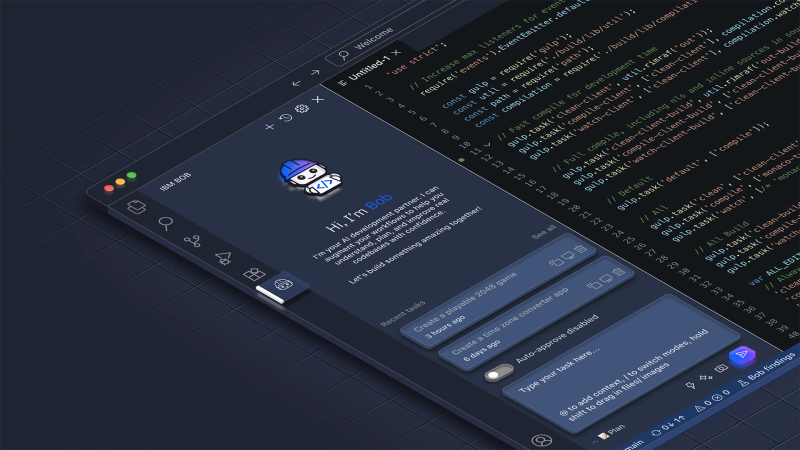
IBM's Bob upgrades say enterprise AI is moving from code autocomplete to governed multi-agent delivery systems
IBM's July 9 Bob release matters because it treats AI software development as an orchestration, audit, and cost-control problem rather than a single-chat coding problem, pushing enterprise buyers toward agent systems that can manage real modernization work across legacy estates.
Cloudflare's Monetization Gateway says the agent web needs usage billing baked into the request path, not bolted onto it later
Cloudflare's new Monetization Gateway and x402 waitlist turn stablecoin micropayments into an application-layer primitive for APIs, pages, datasets, and MCP tools, suggesting the software stack for AI agents will need native metering and payment validation.

Microsoft Build 2026 shows software platforms now want to own the full agent workflow from laptop shell to enterprise context
Microsoft's Build 2026 announcements matter because they connect Work IQ, local agent tooling, Windows developer features, and cloud orchestration into a single platform thesis: the next software winners will package agents as an operating layer, not as isolated copilots.

Qualcomm's Dragonfly roadmap says AI hardware buyers are now shopping for inference systems, not just accelerators
Qualcomm's June data-center push matters because it reframes hardware competition around rack-scale token economics, power efficiency, and always-on agent workloads rather than around a single chip announcement.
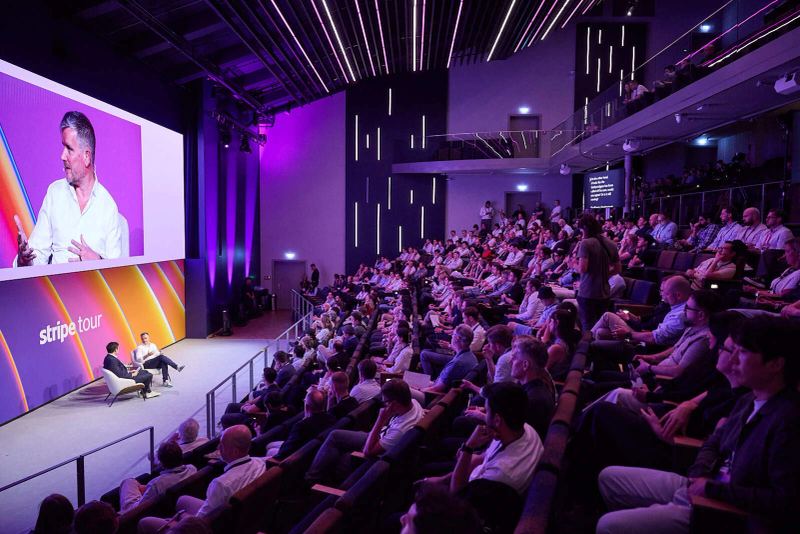
Stripe's Germany push shows fintech now wants to own AI-era commerce rails, not just checkout forms
Stripe's Berlin announcements matter because they extend payments infrastructure into agentic product discovery, treasury, and cross-border operating tools, turning the company from a checkout provider into a fuller commerce control plane for the AI economy.

Meta's Muse launch shows the next AI media fight is about agentic creation pipelines, not just prettier outputs
Meta's July 7 Muse launch matters because it turns image generation into a tool-using product surface tied to Meta's wider multimodal stack, making the competition less about isolated models and more about who can own the full creation workflow.
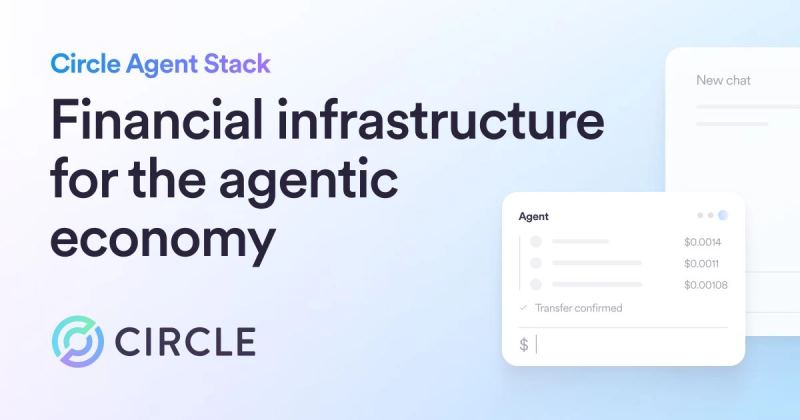
Circle's Agent Stack shows crypto rails are chasing agent-to-agent commerce now, not just another speculative token cycle
Circle's Agent Stack matters because it packages wallets, payments, service discovery, and programmable USDC flows into a practical toolkit for autonomous software, which is a more concrete crypto narrative than broad claims about onchain finance changing everything.
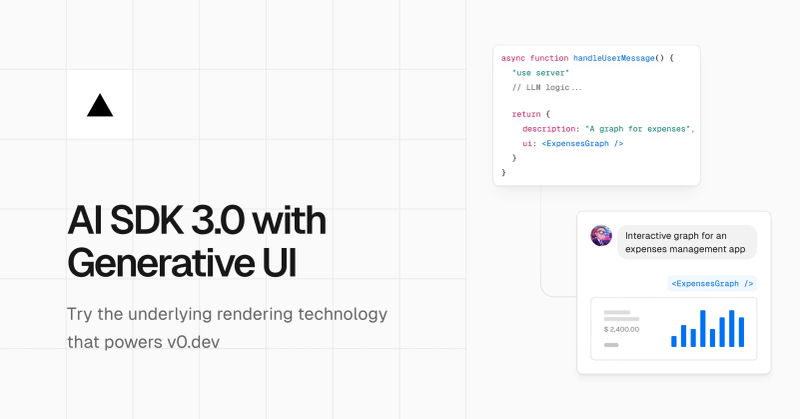
Vercel adding Dial support to Chat SDK shows software platforms are racing to own real-world agent channels, not just web chat surfaces
Vercel's July 8 Chat SDK update matters because it extends agent conversations beyond browser tabs into SMS, MMS, iMessage, and voice-call transcripts, turning phone-native messaging into a first-class AI application surface.

BBVA and Visa's live agent payment test says fintech's next moat may be permissioned AI checkout, not a prettier wallet
BBVA's July 2 agent-initiated Visa payment matters because it shifts the AI-commerce debate toward bank-grade permissions, merchant trust, and delegated spending controls instead of pure shopping interface novelty.

Vercel's Agent Runs tools say software teams now need observability for AI work itself, not only for apps
Vercel's July 2 Agent Runs release matters because it gives teams a way to inspect reasoning traces, tool calls, token usage, and run lifecycles, turning agent debugging into a first-class software platform concern.
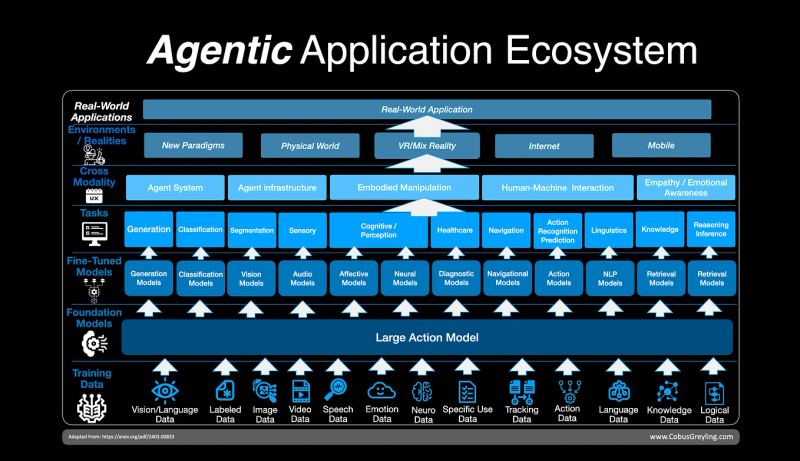
Qualcomm's Dragonfly roadmap says the next hardware fight is over efficient agentic AI infrastructure, not only giant GPU clusters
Qualcomm's June 24 Dragonfly launch matters because it reframes data-center AI competition around power efficiency, tokens-per-watt, and rack-level inference economics instead of only the biggest training stacks.
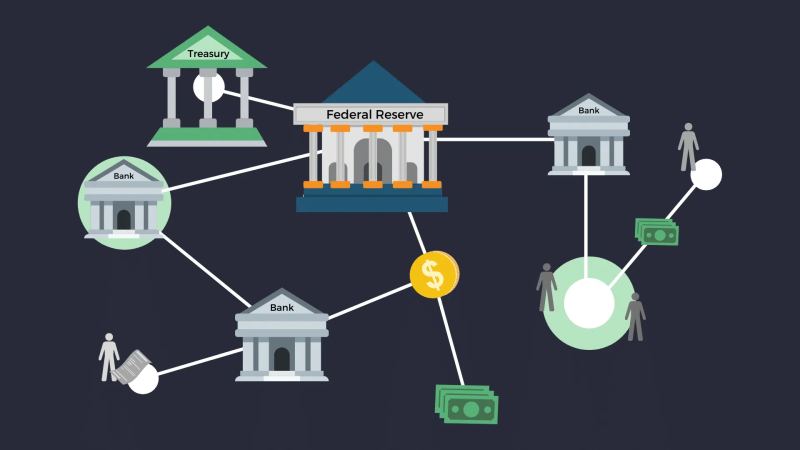
BBVA and Visa are turning agentic commerce from a concept deck into a bank-controlled payment flow
BBVA's July 2 test of what it calls the first AI agent-initiated transaction on Visa's Intelligent Commerce platform matters because it shows banks want delegated machine payments to stay inside regulated card and identity rails, not drift into a separate AI checkout stack.
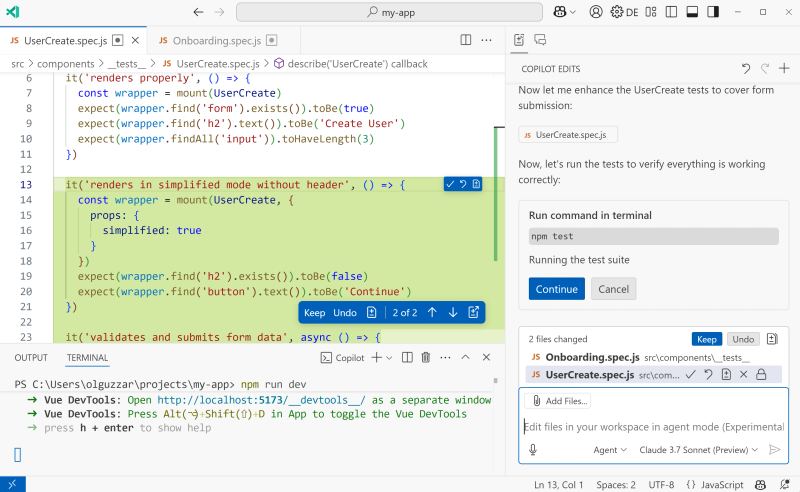
GitHub making browser tools generally available says coding agents are graduating from autocomplete to full-stack software verification
GitHub's July 1 general availability release for browser tools in VS Code matters because it gives Copilot agents a real browser, screenshots, console access, and policy controls that push agentic development from code generation toward end-to-end testing loops.
PayPal joining the EPC shows Europe's payments fight is increasingly about who gets influence over the rails beneath wallets and agentic commerce
PayPal's entry into the European Payments Council matters because it puts one of the world's largest digital-wallet operators closer to the rule-making layer for SEPA, instant payments, fraud controls, and interoperability just as AI-driven commerce starts to reshape checkout behavior.

Visa's OpenAI partnership says the next fintech platform fight is over which payment rails AI agents are allowed to trust
Visa's June 10 OpenAI partnership matters because agentic commerce stops being a concept slide once a global payment network starts binding identity, tokenization, and fraud controls to AI-driven transactions.

NVIDIA and Microsoft are turning AI hardware into a local agent workstation category with RTX Spark
The RTX Spark and Surface RTX Spark Dev Box launches matter because they reposition AI PCs from light inference gadgets into developer-grade machines meant to keep more models, data, and agent workflows on the desk instead of in the cloud.
Anthropic's Claude Sonnet 5 shows the new AI middle tier is being judged by agentic reliability, not just benchmark size
Anthropic's June 30 Sonnet 5 launch matters because the practical center of the AI market is shifting toward cheaper models that can plan, use tools, and behave predictably enough to run longer supervised workflows.
GitHub making browser tools generally available says software agents are graduating from code suggestion to environment interaction
GitHub's July 1 general availability release matters because Copilot agents can now work against live web applications from inside VS Code, pushing software tooling toward supervised action rather than text-only assistance.
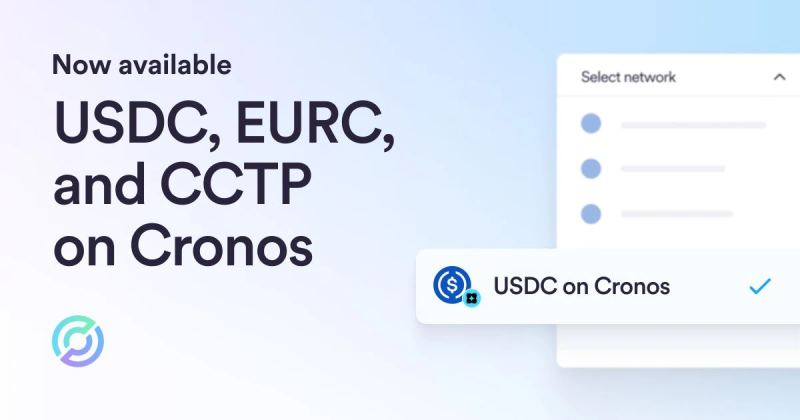
Circle bringing USDC, EURC, and CCTP live on Cronos shows the next crypto land grab is about making stablecoins usable across trading, payments, and agent software at once
Circle's July 1 Cronos rollout matters because it combines native USDC, EURC, and CCTP into a single interoperability package for trading, payments, DeFi, and agent-driven applications.
Stripe's AWS WAF integration turns fintech into machine-payments plumbing, because the web is starting to charge AI agents directly for access
Stripe's June 15 AWS integration matters because it brings structured machine payments to protected content and APIs, pushing fintech deeper into agent-to-service traffic.

Mistral OCR 4 shows the next AI battleground is not chat polish but whether models can reliably turn messy enterprise documents into agent-ready workflows
Mistral's June 23 OCR 4 launch matters because it treats document AI as structured infrastructure for retrieval, verification, and automation, not just text extraction.