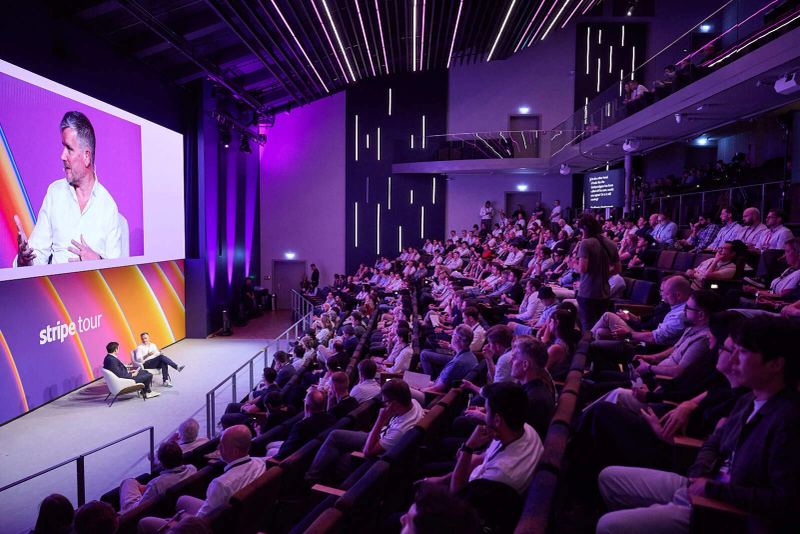
Stripe is turning German commerce into an AI-agent test bed, and that says a lot about where payments infrastructure is heading next
Stripe's Berlin announcement pitches new tools that let German businesses sell to and through AI agents, signaling that agentic commerce is shifting from demo language into payments product design.
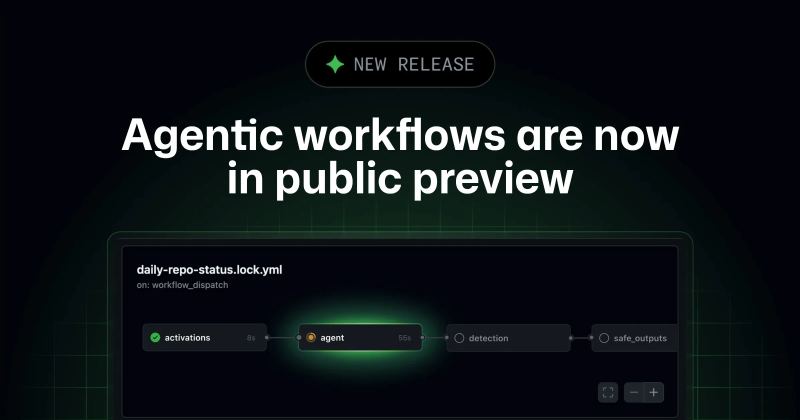
GitHub wants agentic automation to look like ordinary Actions, and that could be one of the most important software workflow shifts of the year
GitHub's Agentic Workflows public preview turns natural-language automation into standard Actions YAML, pushing coding agents out of isolated chat sessions and into routine repository operations.

Anthropic is pushing Claude Sonnet 5 into the mainstream, and the real story is how fast agentic coding is becoming a default expectation
Anthropic's June 30 launch positions Claude Sonnet 5 as a more agentic mid-tier model, and the follow-on GitHub rollout shows how quickly frontier model releases are being absorbed into production developer workflows.

Doosan wants its robots to graduate from programmable arms into AI-first industrial workers, and NVIDIA is supplying the nervous system
Doosan's June 7 expansion with NVIDIA matters because it combines Isaac Sim, Isaac Lab, Cosmos, Newton, and Jetson Thor inside an Agentic Robot OS aimed at making industrial robots more adaptive, mobile, and economically scalable.
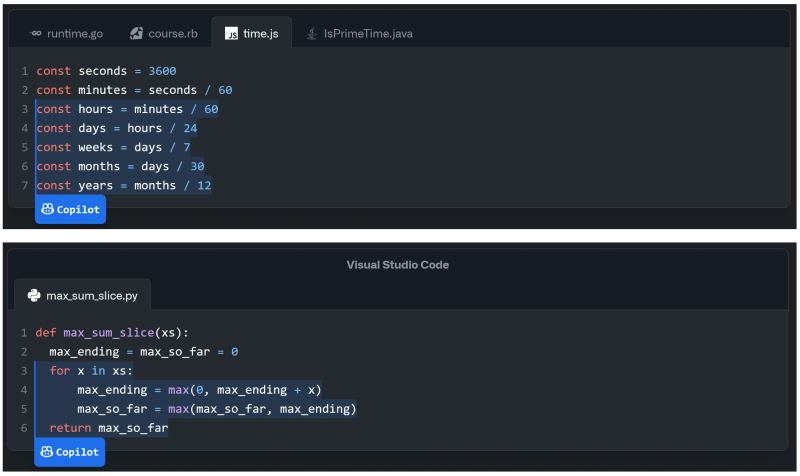
GitHub has pushed Copilot past code generation and into live browser execution, but it is trying to keep the leash visible
GitHub's July 1 general availability release matters because Copilot agents in VS Code can now operate a real browser by default while preserving tab isolation, permission prompts, and enterprise domain controls.

Visa is rebuilding the checkout stack for a world where AI agents shop, score risk, and move money without waiting for people
Visa's June 10 product drop matters because it bundles agent scoring, merchant and agent verification, token upgrades, and stablecoin settlement expansion into one strategy for programmable commerce.
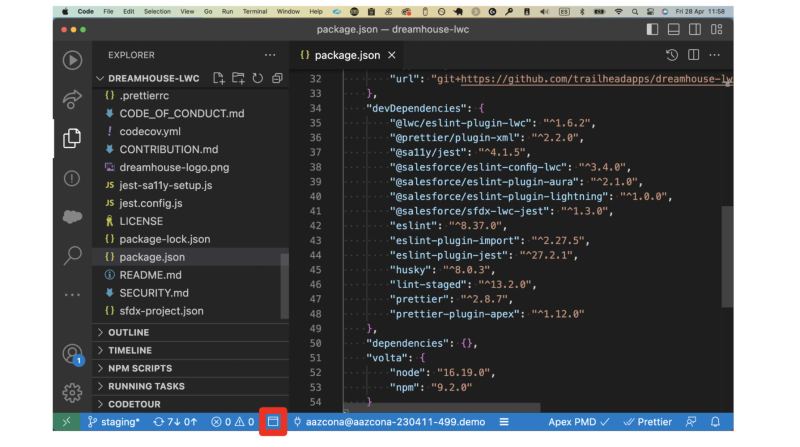
GitHub and VS Code just made browser-driving agents part of everyday developer tooling
GitHub's July 1, 2026 browser-tools release matters because it moves web navigation and testing from preview novelty into standard Copilot workflow, making real browser interaction a normal part of software development agents.
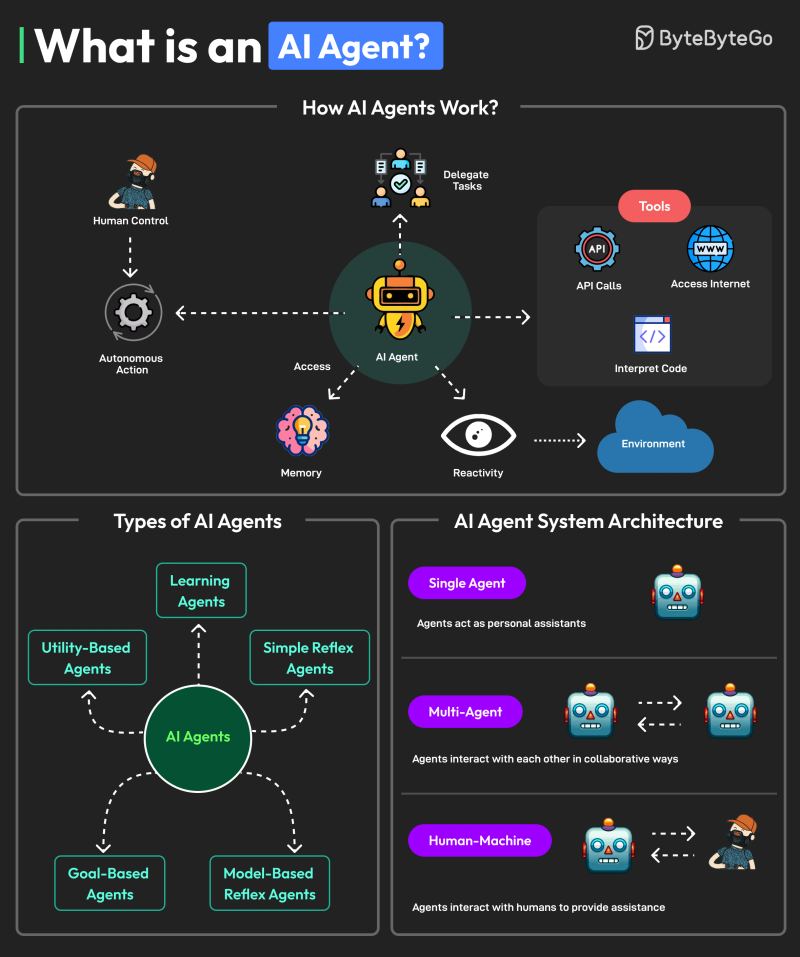
Stripe is turning Germany into a test bed for selling to AI agents as well as people
Stripe's June 30, 2026 Germany launch package matters because it combines more global payment methods with agent-ready commerce tooling, treating AI buyers as a real payments surface instead of a future concept.
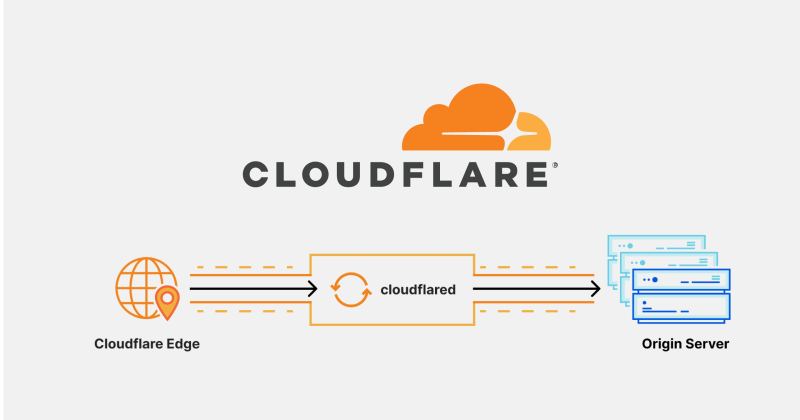
Cloudflare wants software to charge AI agents directly for every useful request
Cloudflare's July 1, 2026 Monetization Gateway launch matters because it tries to turn agent traffic, APIs, datasets, and MCP tools into metered software businesses without forcing every developer to build payments infrastructure from scratch.
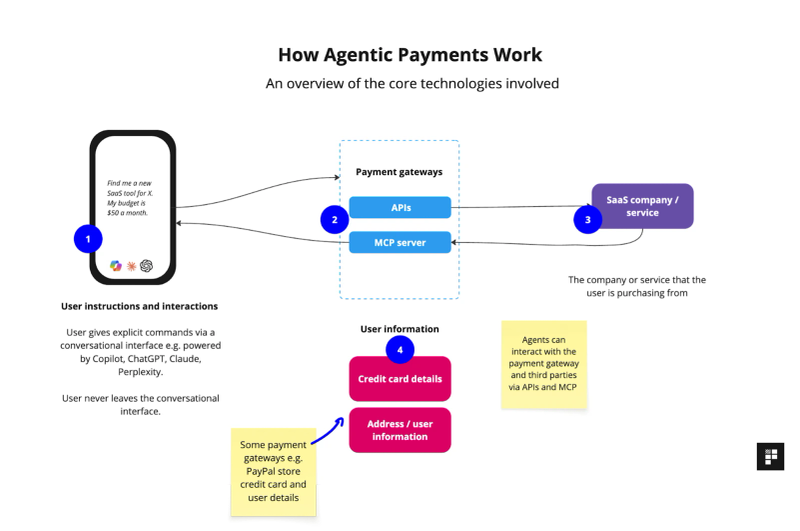
Mastercard is trying to make machine-speed payments a normal part of commerce
Mastercard's June 10, 2026 Agent Pay for Machines launch matters because it treats agentic commerce as a payments-infrastructure problem, not just a chatbot feature or demo checkout flow.
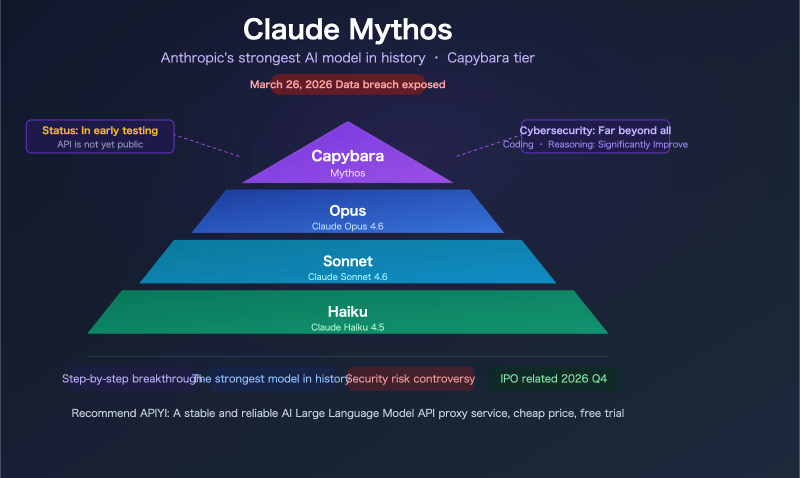
Anthropic's Claude Science turns frontier AI from a lab copilot into a full scientific workbench
Anthropic's June 30 launch matters because Claude Science is not just another model demo. It packages agents, domain connectors, reproducible artifacts, and elastic compute into a scientific workflow product researchers can actually run.
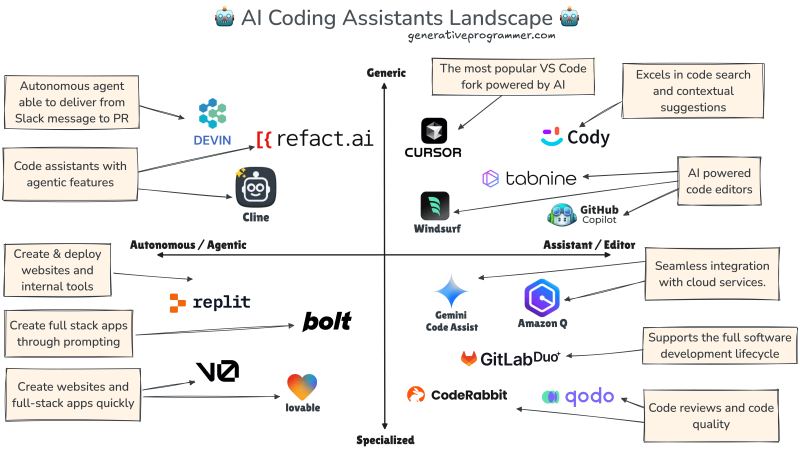
GitHub and JetBrains are turning AI coding agents into a first-class IDE workflow instead of a side plugin
The June 30 GitHub-JetBrains integration matters because it moves Copilot from being just another assistant surface inside JetBrains tools to a native agent choice for multistep coding work, model selection, and iterative execution.
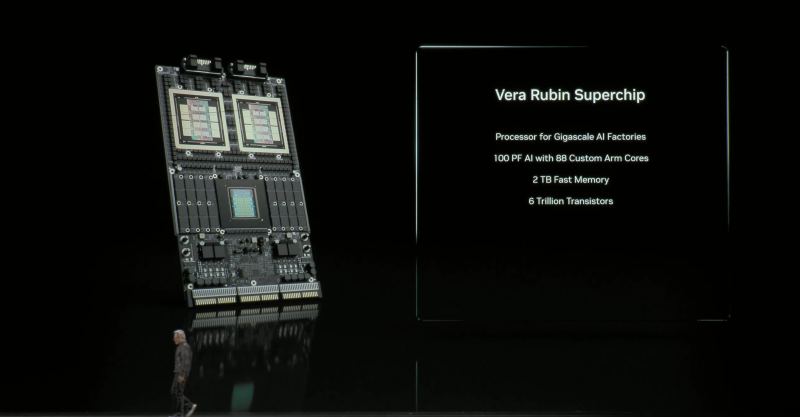
NVIDIA's Vera Rubin pitch says AI hardware is being sold as a scientific instrument now, not just a model engine
NVIDIA's June 22 Vera Rubin science launch matters because it packages high-precision simulation, AI, networking, and rack-scale density into one platform aimed at labs and industrial researchers who want fewer boundaries between HPC and agentic AI.
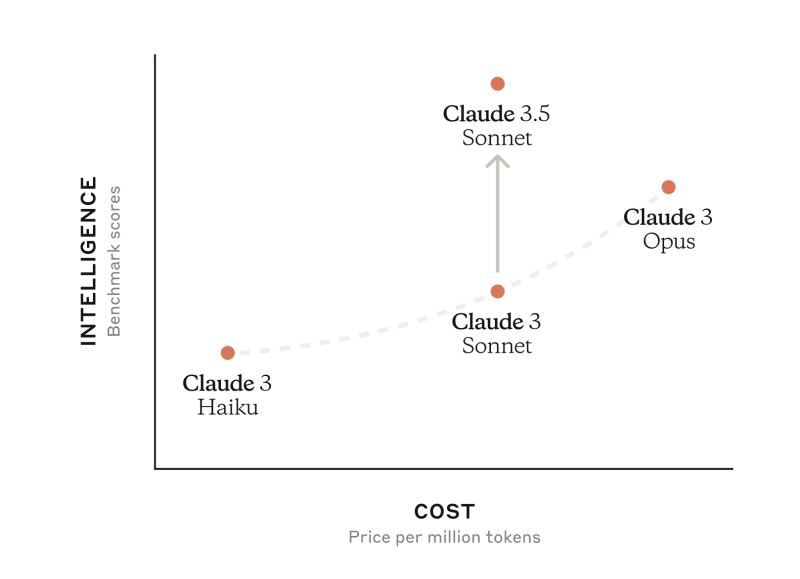
Anthropic's Claude Sonnet 5 turns the mid-tier model battle into an agent economics fight
Anthropic's June 30 launch of Claude Sonnet 5 matters because it reframes the model race around agent completion rates, safer default behavior, and price-performance discipline instead of simply chasing a bigger flagship benchmark score.

Solana's native allowances say crypto may finally have a practical wallet pattern for AI agents
Solana's new Subscriptions & Allowances program gives developers native recurring billing and delegated spending, pushing crypto toward budget-bounded agent wallets instead of ad hoc signatures.

Anthropic's Claude Sonnet 5 says mainstream AI competition is shifting toward agent workhorses, not prestige models alone
Anthropic's June 30 Claude Sonnet 5 launch turns the center of the AI market toward lower-cost models that can browse, code, plan, and operate reliably for everyday agent workflows.
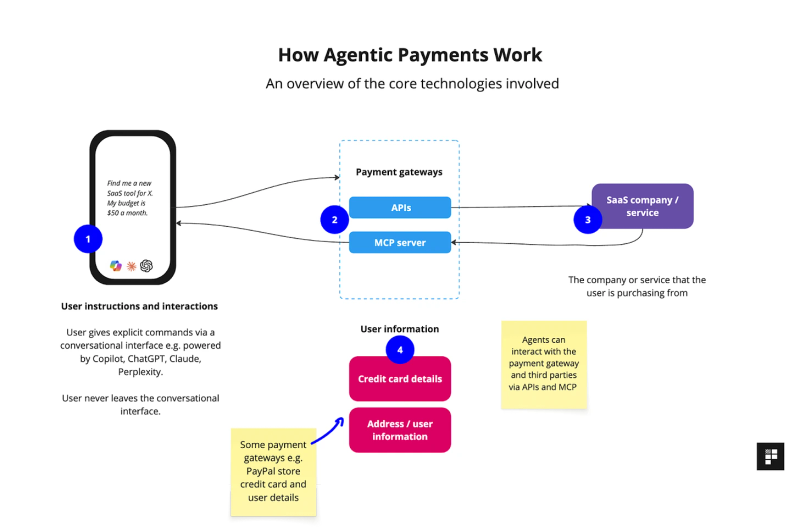
Mastercard's Agent Pay for Machines shows fintech is preparing for software that buys, settles, and reconciles on its own
Mastercard's new machine-payment stack and broader settlement changes suggest the next fintech infrastructure race is about giving AI agents trusted ways to transact at network scale.

OpenAI's GPT-5.6 Sol preview says frontier model launches are becoming phased cyber deployments
OpenAI's June 26 GPT-5.6 preview frames the next frontier-model era around phased access, stronger cyber safeguards, and new economics for long-horizon agentic work.
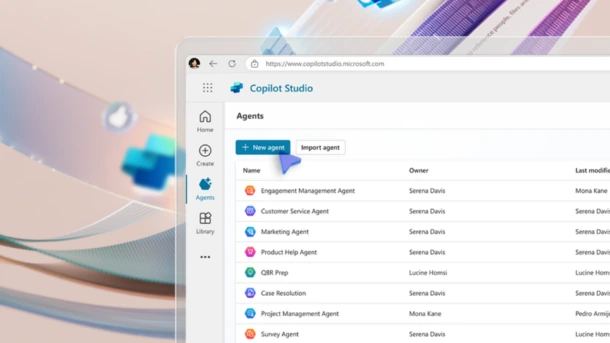
GitHub is turning Copilot into a desktop control plane for enterprise agents, not just an IDE autocomplete layer
GitHub's June Copilot app releases move the product toward an agent operations surface with parallel sessions, worktrees, cloud automations, and BYOK model routing, signaling a broader software shift from assistant features to managed agent workstations.
Visa's OpenAI tie-up says agentic commerce will be won by payment networks that can score trust in real time
Visa's June 10 product launch and OpenAI partnership show fintech's next AI battleground is not chat checkout demos, but the network layer that can identify agents, score risk, and authorize programmable payments at global scale.
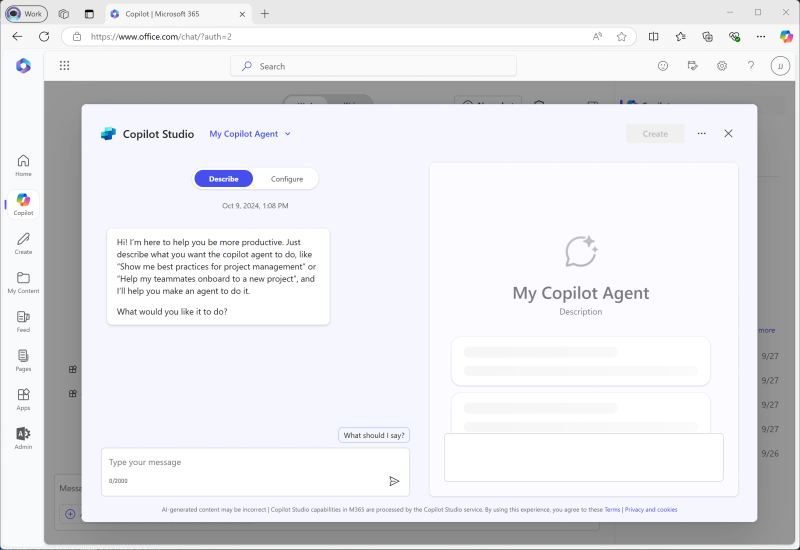
GitHub's Copilot app says developer AI is becoming a desktop control plane for agents, not just an editor sidebar
GitHub's June Copilot app updates show the company turning agentic coding into a desktop-native control surface where model choice, repository context, and third-party providers can be managed more like infrastructure than like an extension.
OpenAI's GPT-5.6 Sol says frontier AI competition is now about long-horizon reasoning that can still be governed
OpenAI's limited preview of GPT-5.6 Sol reframes the AI race around deeper agentic work in coding, science, and cybersecurity, paired with a tighter release model and a more explicit safety stack.
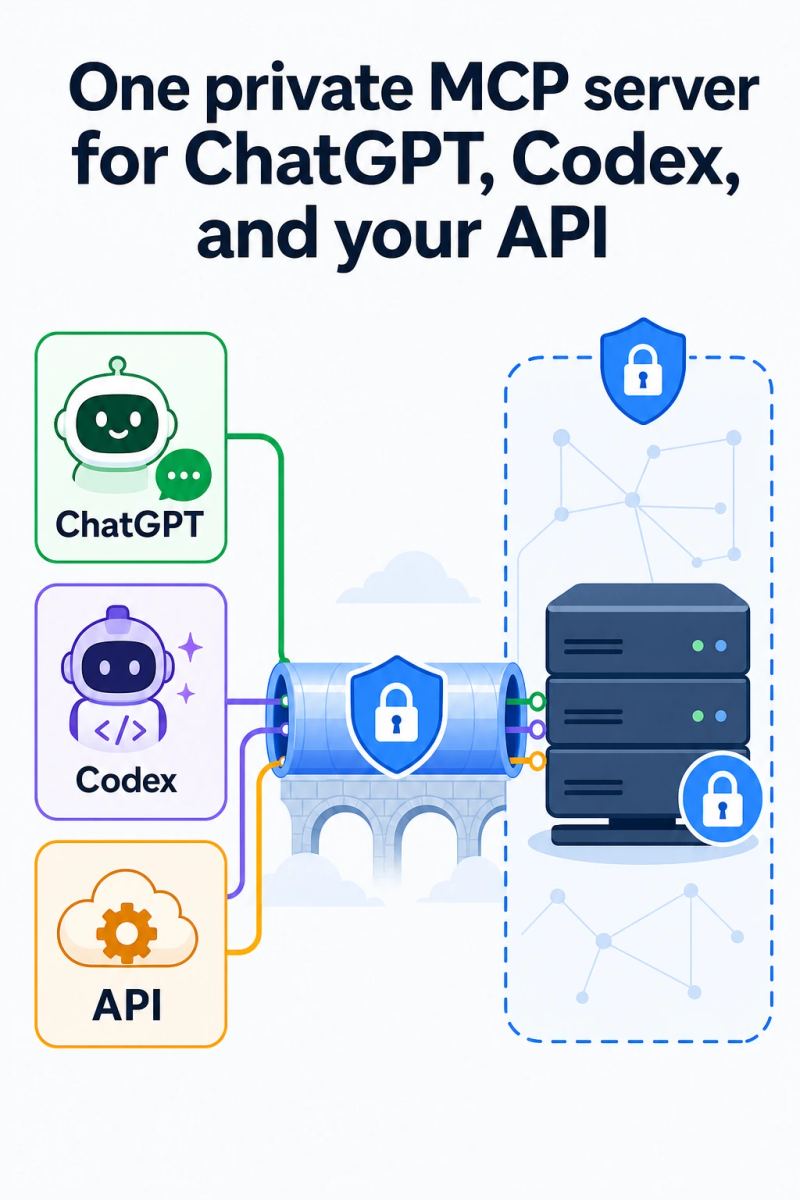
OpenAI's Secure MCP Tunnel turns enterprise agent adoption into a network design problem companies can actually ship
OpenAI's Secure MCP Tunnel is a software infrastructure release, not just a tooling update: it gives private MCP servers an outbound-only bridge into ChatGPT, Codex, and the Responses API without forcing enterprises to expose internal systems to the public internet.

NVIDIA's RTX Spark says the next hardware race is the computer built for local agents
NVIDIA's RTX Spark push reframes the AI PC from a marketing category into a concrete hardware design for local agent workloads, pairing Blackwell compute, large unified memory, and Windows security primitives around on-device autonomy.