GitHub's repository-level Copilot metrics turn AI coding into an accountable software platform
GitHub's Copilot usage metrics API now reports repository-level activity, giving enterprises a clearer view of agent-created and agent-reviewed pull requests.

Mastercard's Moldova agent-pay pilot moves AI commerce from demo to bank rails
Mastercard, maib and Moldindconbank completed Moldova's first payments executed by an AI agent, testing consent, authentication and consumer control in agentic commerce.

Nvidia's RTX Spark and DLSS 4.5 push keep the PC hardware refresh tied to local AI, ray tracing, and creator workloads instead of raw GPU speed alone
Nvidia's Computex hardware wave and July gaming updates show how the RTX 50 ecosystem is being sold as a platform for personal AI agents, neural rendering, and high-end creator PCs.

Visa and Stripe's agent-payments push shows fintech is preparing for software that shops, subscribes, and settles without a human checkout flow
The Machine Payments Protocol effort gives banks, card networks, and payment processors a shared language for AI-agent transactions, moving agentic commerce from demo scripts toward payment infrastructure.
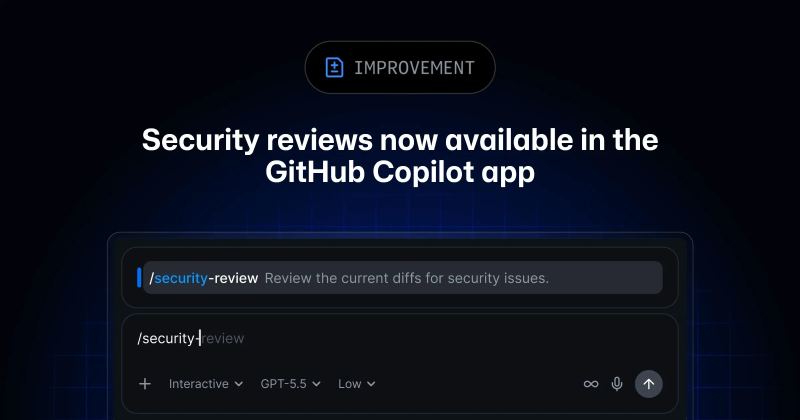
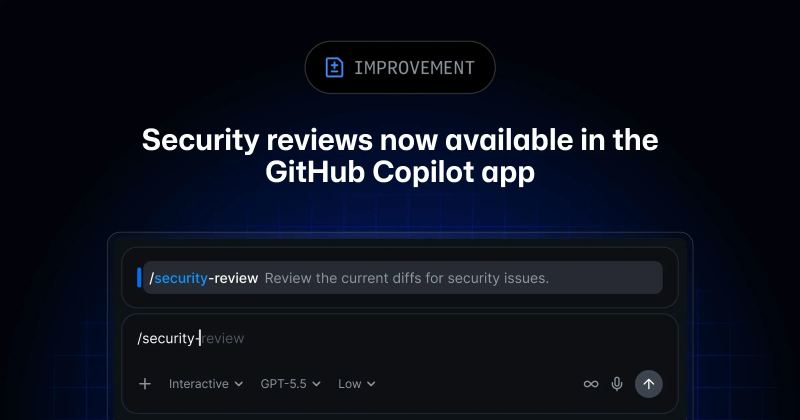
GitHub is bringing security review into the Copilot app before code reaches a pull request
GitHub's new Copilot app security review preview lets developers scan in-flight changes for vulnerabilities directly inside the agentic coding workflow.
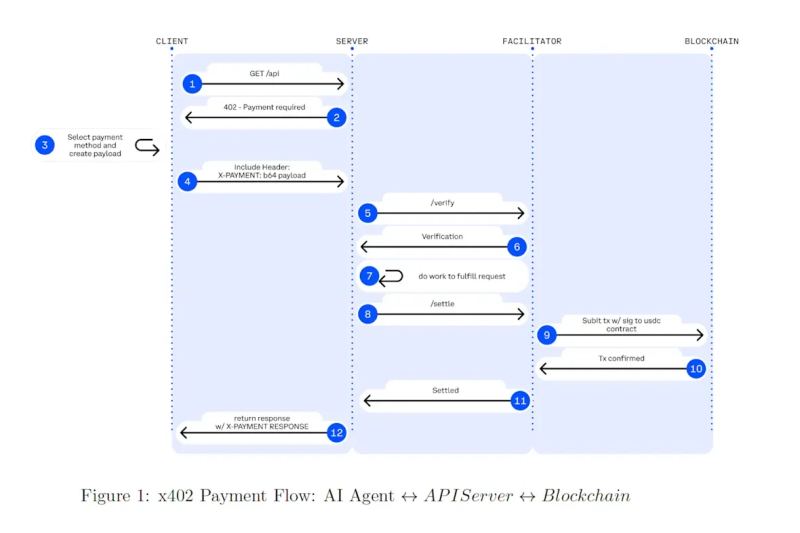
The Linux Foundation's x402 launch gives Coinbase's agent-payment protocol a neutral home as stablecoins, cards, and APIs move toward one programmable internet payment layer
The Linux Foundation says the x402 Foundation is now operational with 40 members, including Coinbase, Circle, Solana Foundation, Stripe, Visa, Mastercard, and major cloud providers.
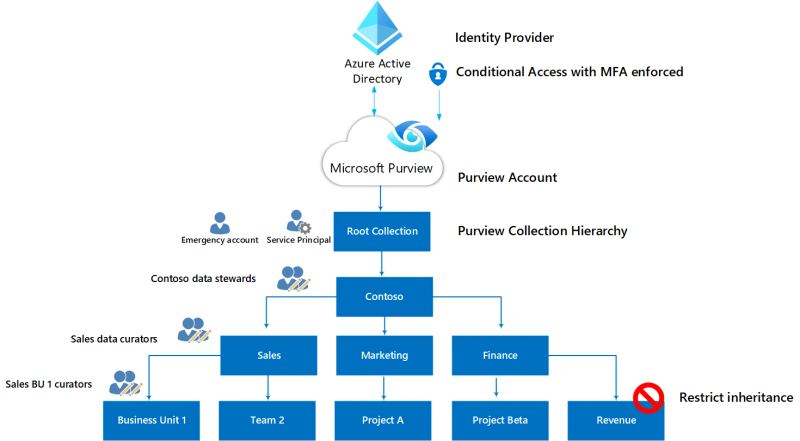
Microsoft's least-privilege guidance shows AI agents are becoming first-class software identities
Microsoft's July 16 security guidance argues that AI agents need dedicated identities, scoped roles, controlled tool access and auditability as they begin acting across enterprise systems.
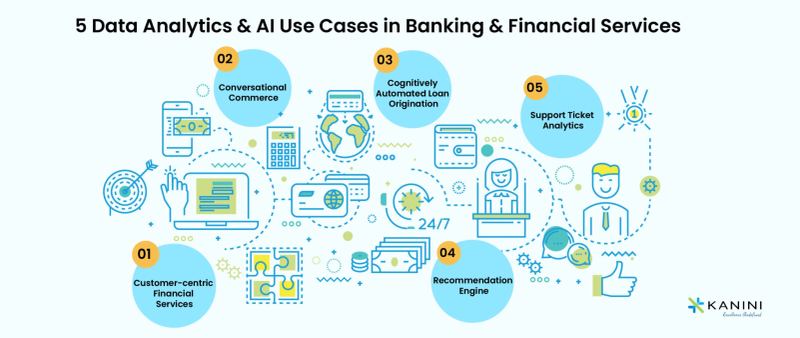
Visa's AI financial assistant push shows banks are turning payment data into guided action layers
Visa's latest investor news points to an AI financial assistant for banks, while Adyen's agentic commerce stack shows payments firms racing to make AI interfaces transactional.

OpenAI's AI scorecard shifts enterprise adoption from seat counts to useful work per dollar
OpenAI's July 17 scorecard argues that companies should judge AI by successful work completed, not token prices or license adoption, tightening the enterprise case for agentic systems.

GitHub's latest Copilot in Visual Studio update shows enterprise developer AI is maturing from autocomplete into governed workflow infrastructure where usage visibility, MCP trust controls, and language-specific modernization agents matter as much as raw model quality
GitHub says its June Visual Studio update adds clearer Copilot usage visibility, a trust layer for MCP servers, and early C++ modernization workflows, underscoring how enterprise AI coding tools are being shaped by governance and operational control.

NVIDIA's new Jetson Thor T3000 and T2000 modules show the hardware race is moving from flagship humanoid demos toward scalable edge-compute building blocks that let mainstream robotics and visual AI vendors ship more agentic systems in smaller power envelopes
NVIDIA says its new Blackwell-powered Jetson Thor computers pair higher robotics performance with software memory optimization and agent skills aimed at moving advanced edge AI into more compact, production-friendly systems.
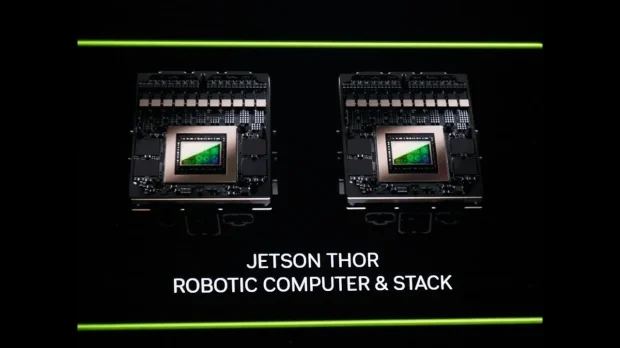
NVIDIA's new Jetson Thor rollout suggests robotics is entering a deployment era where the winners will be the platforms that compress world models, edge inference and safety tooling into smaller systems cheap enough to leave the lab and scale into ordinary machines
NVIDIA introduced new Jetson Thor T3000 and T2000 modules, agent skills for memory optimization and Cosmos 3 Edge support, aiming to make humanoid robots, autonomous machines and visual AI systems more deployable at the edge.
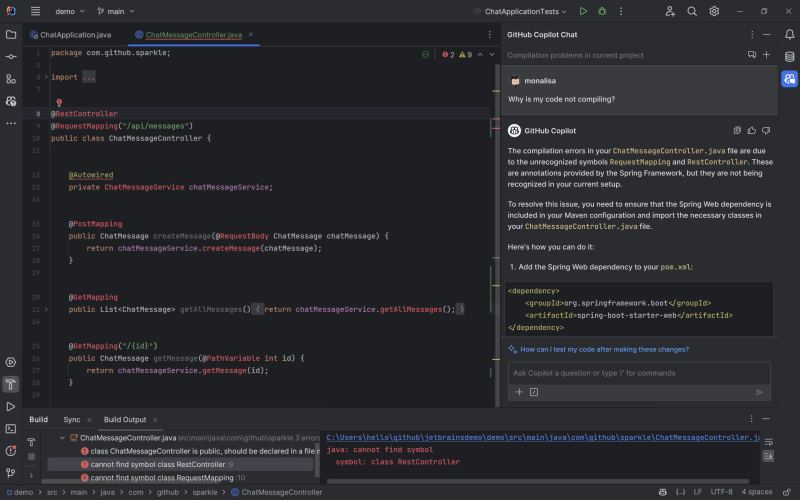
GitHub's latest Copilot IDE upgrades show developer software entering a new control phase where enterprises want agent power, but only with spend visibility, MCP trust checks, model-provider flexibility and structured workflow metadata that make AI coding systems manageable rather than magical
GitHub's July updates for Copilot in Visual Studio and JetBrains add usage alerts, MCP trust validation, BYOK custom endpoints, plugin management and local sandboxing, signaling a stronger enterprise-control layer around coding agents.

Stripe's Berlin product push shows fintech competition widening from payment acceptance alone to full commercial operating systems that help merchants sell through AI agents, localize cross-border checkout and turn software platforms into embedded-finance distribution channels
At Stripe Tour Berlin, Stripe introduced tools for German businesses to sell to and via AI agents, expand into 195 markets through merchant-of-record services, and offer treasury and capital features through platforms.
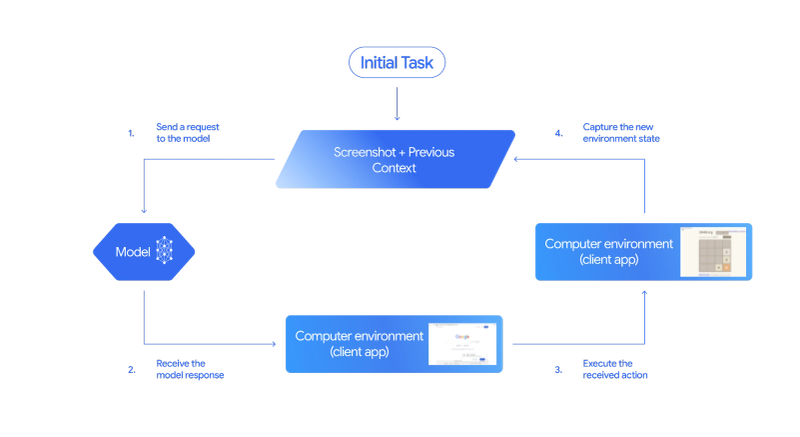
Google folding computer use directly into Gemini 3.5 Flash signals that the AI agent race is moving away from isolated demos and toward one mainstream model that can see interfaces, reason across long tasks and actually operate software inside enterprise workflows
Google has made computer use a built-in tool in Gemini 3.5 Flash, positioning the model for browser, mobile and desktop automation while adding enterprise safeguards such as explicit confirmation and prompt-injection stops.

Coinbase's x402 push with AWS says the next crypto payments opportunity may not be consumer checkout at all but machine-to-machine commerce where AI agents pay for content and APIs directly over HTTP
Coinbase says publishers on AWS CloudFront and WAF can now monetize AI agent traffic through x402, reviving HTTP 402 as a programmable payment layer and pushing stablecoin settlement deeper into the web's application plumbing.

Cloudflare's new Precursor system shows the next big software security shift is not just blocking bots at the door but scoring behavior across an entire session as agents get good enough to look human in short bursts
Cloudflare has introduced Precursor, a session-based verification layer that continuously feeds behavioral signals into bot protection, reflecting a broader software reality: modern automation is no longer easiest to catch at login, but across the full flow of how an agent behaves after it gets in.
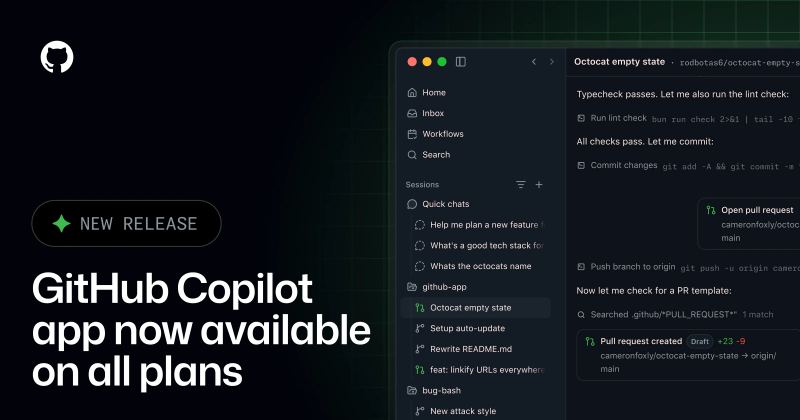
GitHub's move to put the Copilot app on every plan shows developer software is reorganizing around persistent desktop agent workflows instead of treating AI as a sidebar feature inside a single editor window
GitHub says the Copilot app is now available across all Copilot plans, while recent VS Code releases add parallel sessions, a smarter browser and clearer usage controls around agent work.
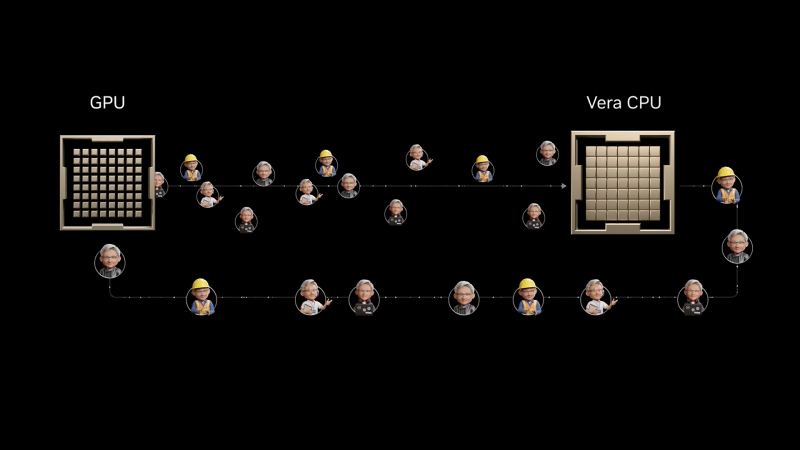
NVIDIA's Vera messaging shows the hardware race is shifting from raw accelerator bragging rights toward the less glamorous but more decisive question of how much CPU orchestration agentic AI systems need at scale
NVIDIA says new AI systems need a new class of maximum single-threaded CPUs at scale, while the broader Vera Rubin platform is entering full production for agentic AI factories.

Visa's OpenAI partnership shows agentic commerce is moving from demo theater into real payment infrastructure with token controls, fraud checks and merchant acceptance rails
Visa's June 10 partnership with OpenAI matters because it brings payment credentialing, tokenization and policy controls directly into the emerging agentic-commerce stack.

Anthropic's Claude Science workbench shows the next AI battleground is not chat quality, but whether a model can carry serious research work with traceability intact
Anthropic's June 30 launch of Claude Science matters because it packages agentic research, scientific connectors, auditable artifacts, and elastic compute into one environment built to fit how labs already work.

Cloudflare's new AI traffic controls show software platforms are becoming governors of the agentic web, not just hosts on it
Cloudflare's new controls for search, agent, and training crawlers matter because they turn AI traffic classification into a programmable platform feature for every site owner, including the free tier.

Qualcomm's Dragonfly AI300 push says the next inference hardware battle is about memory architecture and power economics, not just raw accelerator bragging rights
Qualcomm's June data-center roadmap matters because it is building a hardware story around near-memory compute, rack-scale inference, and tokens-per-watt for agentic AI workloads.

Cloudflare is trying to turn stablecoin payments into default internet plumbing for APIs, agents, and MCP tools
Cloudflare's Monetization Gateway matters because it treats stablecoin settlement and x402 not as a crypto side project, but as infrastructure for charging machines and agents by the request.