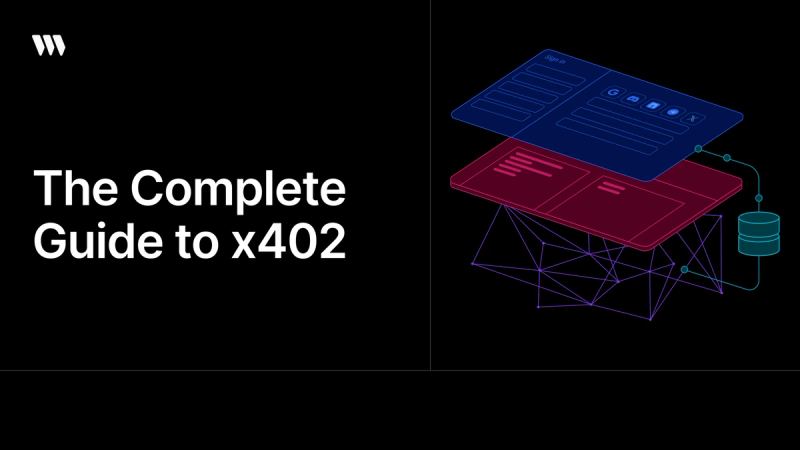
Cryptorefills' x402 checkout launch says DeFi's next useful interface may be an HTTP payment request
Cryptorefills enabling x402 checkout for AI agents is a practical DeFi signal: stablecoins are moving from trading liquidity into machine-readable commerce where agents can discover a price, settle in USDC, and complete a purchase without a card flow.
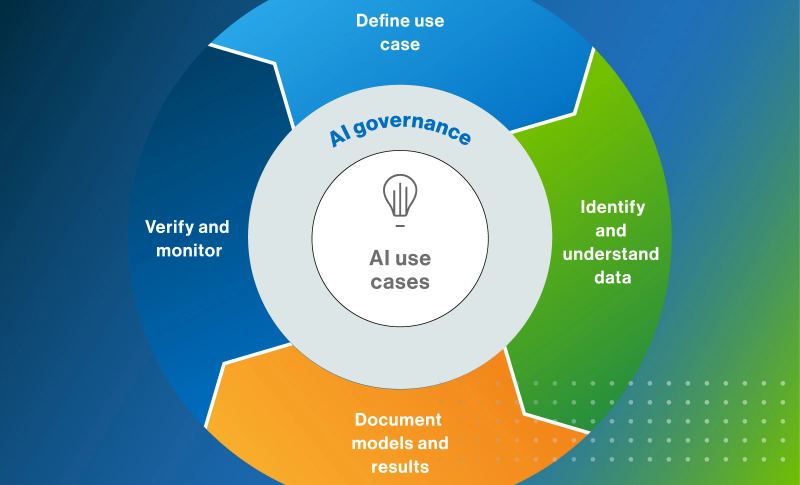
Microsoft Agent 365 makes AI governance feel less like policy theater and more like identity infrastructure
Microsoft's Agent 365 general availability shifts the enterprise AI conversation from building agents to controlling them: discovery, identity, policy, alerts, and runtime blocking for the messy reality of sanctioned and shadow AI agents.
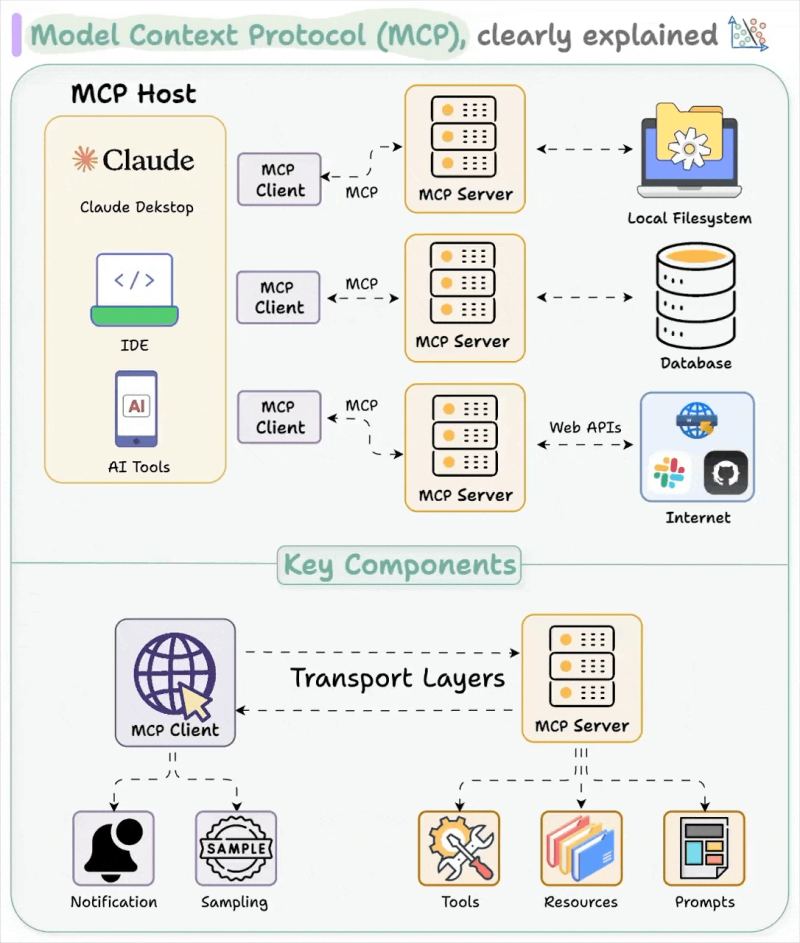
AWS turns MCP from an agent demo tool into enterprise cloud control surface with general availability
AWS says its MCP Server is now generally available, giving coding agents auditable access to AWS APIs, file uploads, long-running tasks, and sandboxed scripts under IAM and CloudTrail controls.

Coinbase's Q1 report says the next crypto cycle is being built on derivatives, stablecoins, and agent payments
Coinbase says Q1 2026 pushed its crypto trading market share to an all-time high while Base and USDC became larger parts of the exchange's thesis for payments, prediction markets, and agentic commerce.
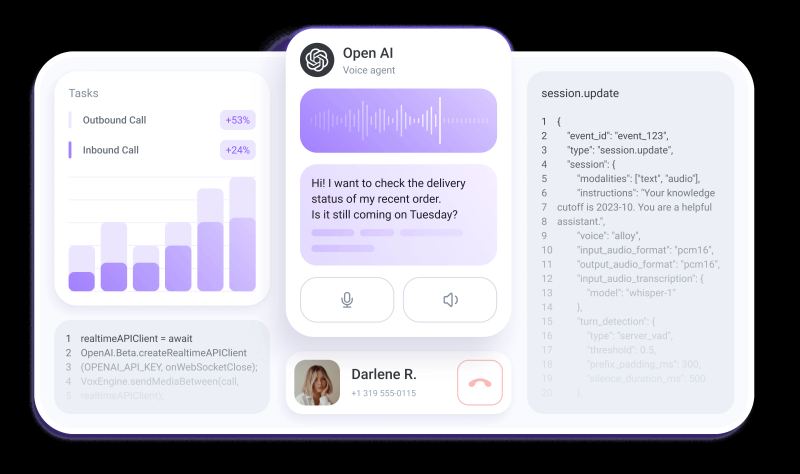
OpenAI's new realtime voice stack pushes voice agents from demo mode toward production systems
OpenAI's May 7 voice release adds GPT-Realtime-2, live translation, and streaming transcription, turning the Realtime API into a more serious platform for multilingual customer service, travel, and tool-using voice agents.
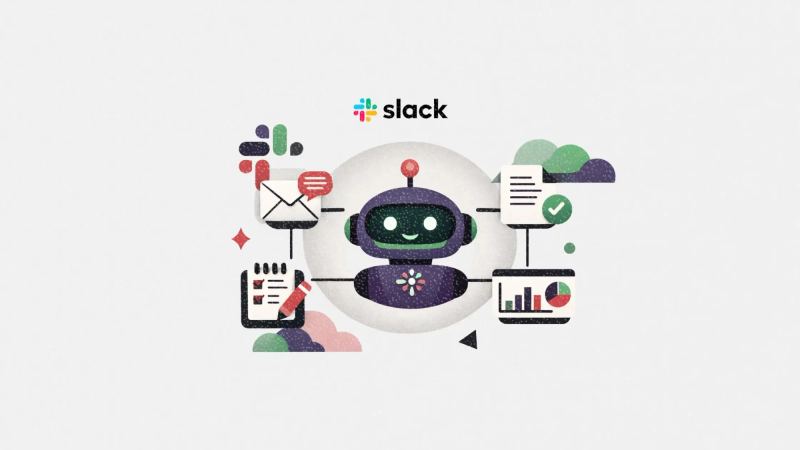
Slack wants to own the place where enterprise agents actually work together
Slack's new agent browser, Slackbot orchestration, and broader MCP tooling show that the software fight is shifting from building one useful model to controlling the collaboration surface where many agents are deployed, governed, and used.

Circle's Q1 says stablecoins are graduating from crypto trade to AI-era financial plumbing
Circle's first-quarter results paired surging USDC usage with an ARC token presale and a new agent stack, making a clearer case that stablecoin infrastructure is expanding beyond trading into programmable payments and machine commerce.
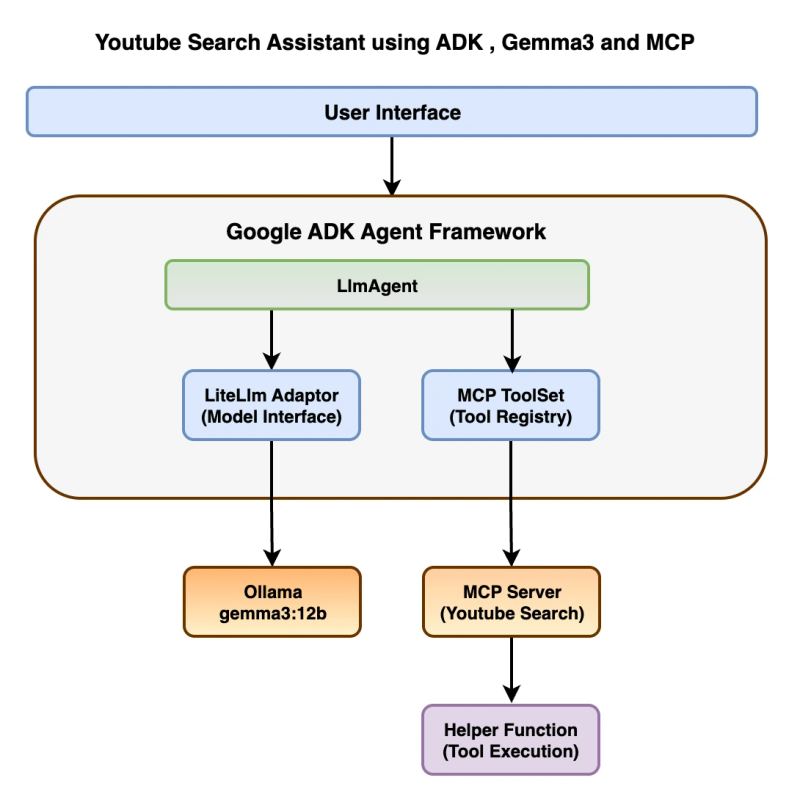
Google Cloud's MCP Toolbox push says enterprise software is becoming agent-readable infrastructure
Google Cloud's MCP Toolbox work points to a bigger enterprise software shift: agents are no longer useful if they only chat; they need governed, auditable access to the systems where company data actually lives.
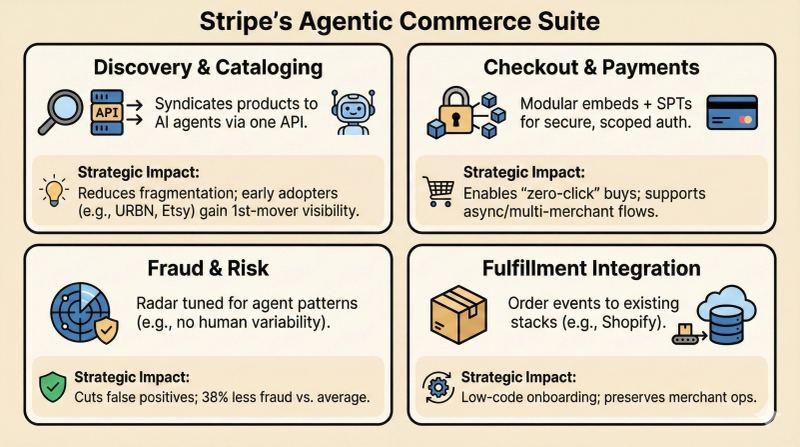
Stripe's Sessions launch turns agent payments into mainstream fintech infrastructure
Stripe's Sessions 2026 package is less about one flashy AI feature and more about making agent-driven buying, wallets, usage billing, and fraud controls feel like ordinary payment infrastructure.

Circle's nanopayments mainnet says agent commerce needs rails smaller than card payments
Circle's gas-free USDC nanopayments are live on mainnet, turning machine-scale transactions from a crypto demo into something builders can actually wire into agents, APIs, and usage-based software.
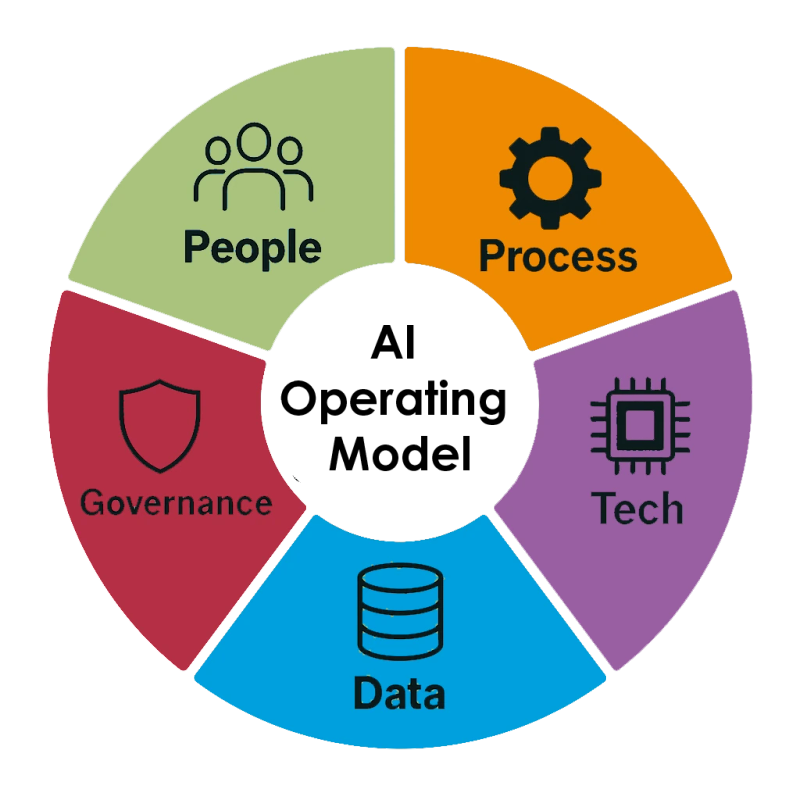
IBM's AI operating model push says enterprise software has entered the governance-and-orchestration phase of the agent era
IBM's Think 2026 launch matters because it treats agentic software as an operating model problem, not a single-model problem: the winning enterprise platforms now need orchestration, real-time data, automation, and sovereignty controls together.

Alibaba's Taobao integration says agentic AI is moving from chatbot novelty into transaction control
Alibaba's latest move to embed Qwen directly into Taobao points to a more commercially important AI shift than another model benchmark war. The company is trying to make agentic AI the operating layer of shopping itself, where the model does not just recommend products but helps complete the transaction path from discovery to purchase.
Teradata's Autonomous Knowledge Platform says enterprise software is being rebuilt for always-on agents, not dashboard users
Teradata unveiled its Autonomous Knowledge Platform on May 7, 2026 as a unified environment for AI, analytics, and enterprise data across cloud, on-premises, and hybrid deployments. The deeper software signal is that vendors now believe always-on agents need a different product shape than the dashboard-and-query systems built for human operators.
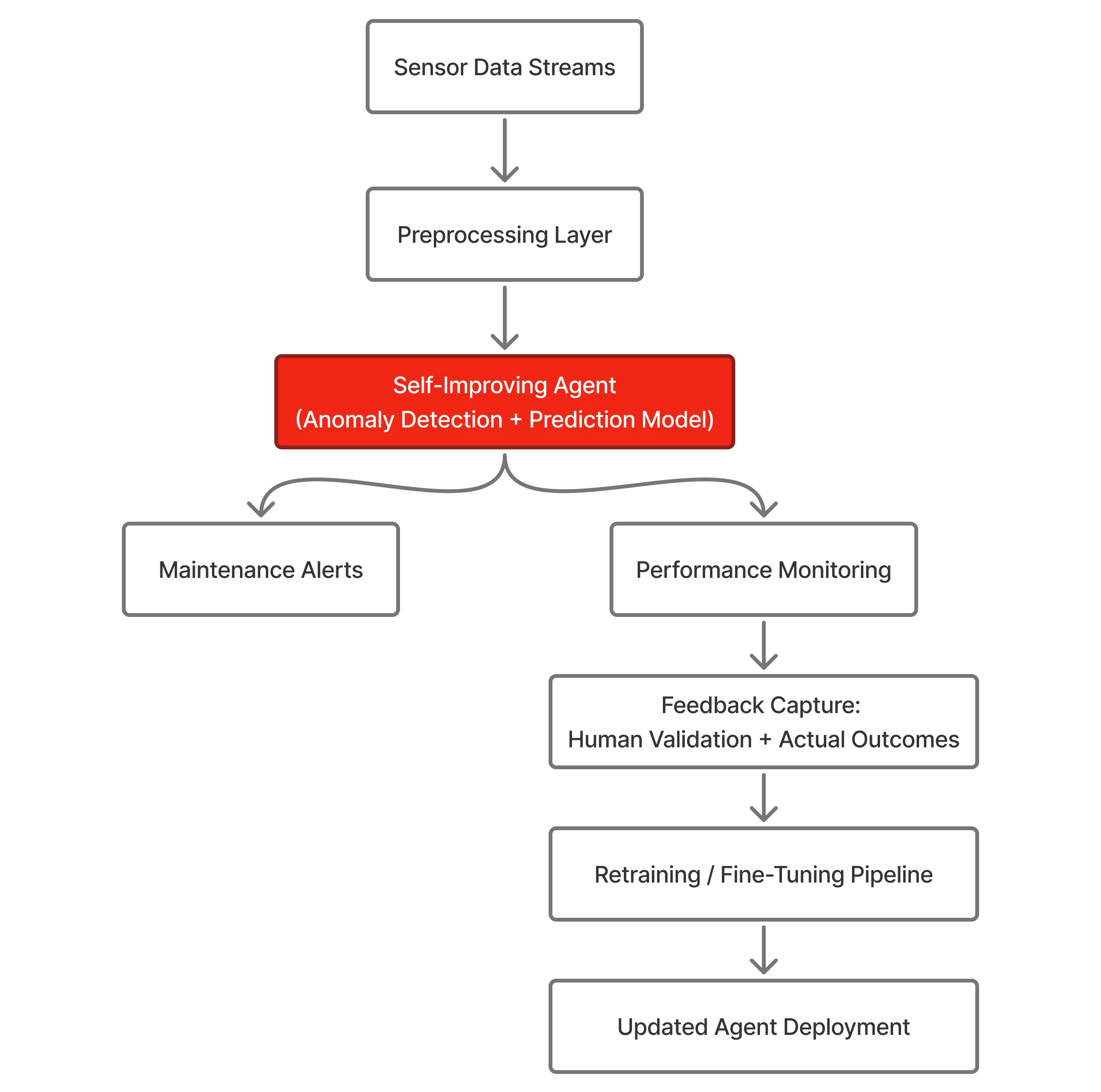
SoundHound's OASYS launch says enterprise AI is moving from prompt tools to self-improving agent operations
SoundHound AI announced OASYS on May 5, 2026 as a self-learning orchestrated agent platform that can create, evaluate, and improve conversational AI agents over time. The larger significance is that enterprise AI vendors are now competing on lifecycle automation and operational upkeep, not only on model quality or chatbot polish.

Bullish's Equiniti deal says crypto infrastructure is moving upstream into the record-keeping core of capital markets
Bullish said on May 5, 2026 that it agreed to acquire Equiniti in a $4.2 billion transaction. The strategic importance is not simply consolidation inside crypto. It is a move to combine tokenization rails with the regulated transfer-agent function that sits at the heart of how ownership records, shareholder communications, and listed-company servicing actually work.
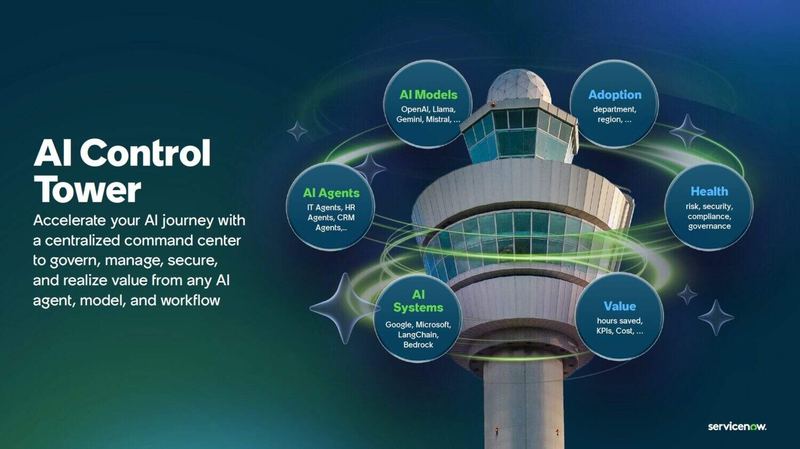
ServiceNow's AI Control Tower expansion says enterprise software is racing to become the operating layer above agents
ServiceNow expanded AI Control Tower on May 5, 2026 with broader discovery, runtime observability, governance, security, and ROI tracking across third-party AI systems. The move matters because enterprise software platforms are competing to become the layer that can see, govern, and shut down agents across fragmented model, cloud, and workflow environments.
Sysdig's headless cloud security launch says enterprise software is being rebuilt for agent-to-agent operation
Sysdig announced on May 6, 2026 that it introduced what it called the industry's first headless cloud security platform built for AI agents. The significance is not the branding alone. Software vendors are increasingly redesigning core products so security, policy, and telemetry can be consumed directly by autonomous systems and coding agents rather than by humans staring at dashboards.

Coinbase's Q1 results say the crypto battleground is shifting from trading fees to stablecoin and agent rails
Coinbase said on May 7, 2026 that it reached an all-time high in crypto trading volume market share while Base processed 62% of global onchain stablecoin transaction volume and more than 90% of onchain agentic stablecoin volume. The real signal is that exchange economics are increasingly being rebuilt around stablecoin distribution, payments infrastructure, and machine-to-machine commerce.
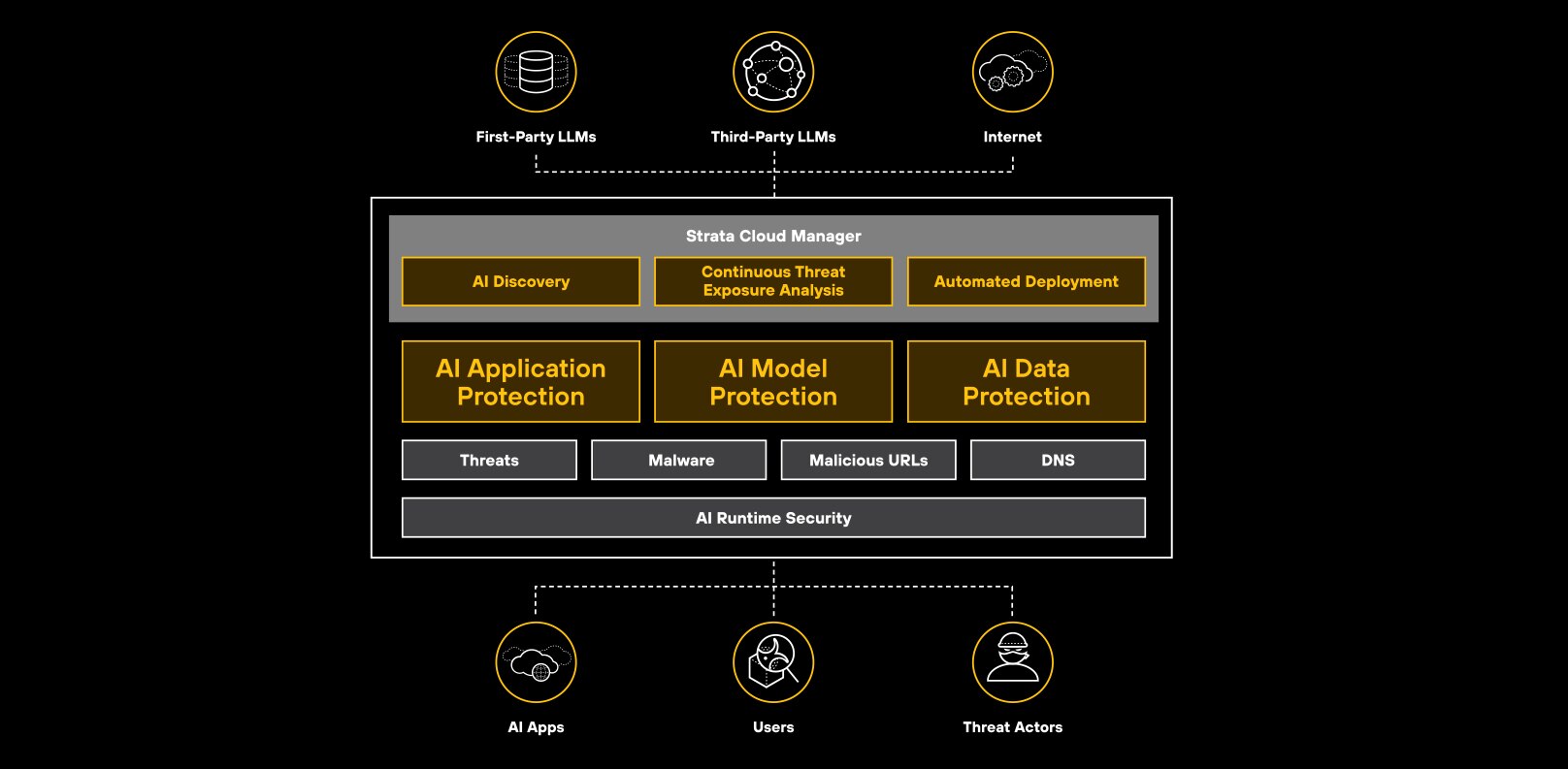
Cognizant's Secure AI Services launch says enterprise AI is becoming a runtime security market
Cognizant's May 7, 2026 launch of Secure AI Services matters because large enterprises are moving beyond pilots into agentic systems that touch live workflows, data, and identities. The commercial opening is no longer only about better models. It is about whether companies can secure and govern autonomous AI in production well enough to pass audit, compliance, and operational trust tests.

MongoDB’s latest release argues the real enterprise AI bottleneck is memory, retrieval, and context
MongoDB unveiled a new bundle of agent-focused capabilities on May 7, 2026, including automated embeddings, persistent agent memory, and faster operational performance in MongoDB 8.3. The launch matters because enterprise AI is increasingly being limited by data orchestration and context management rather than by the model layer alone.
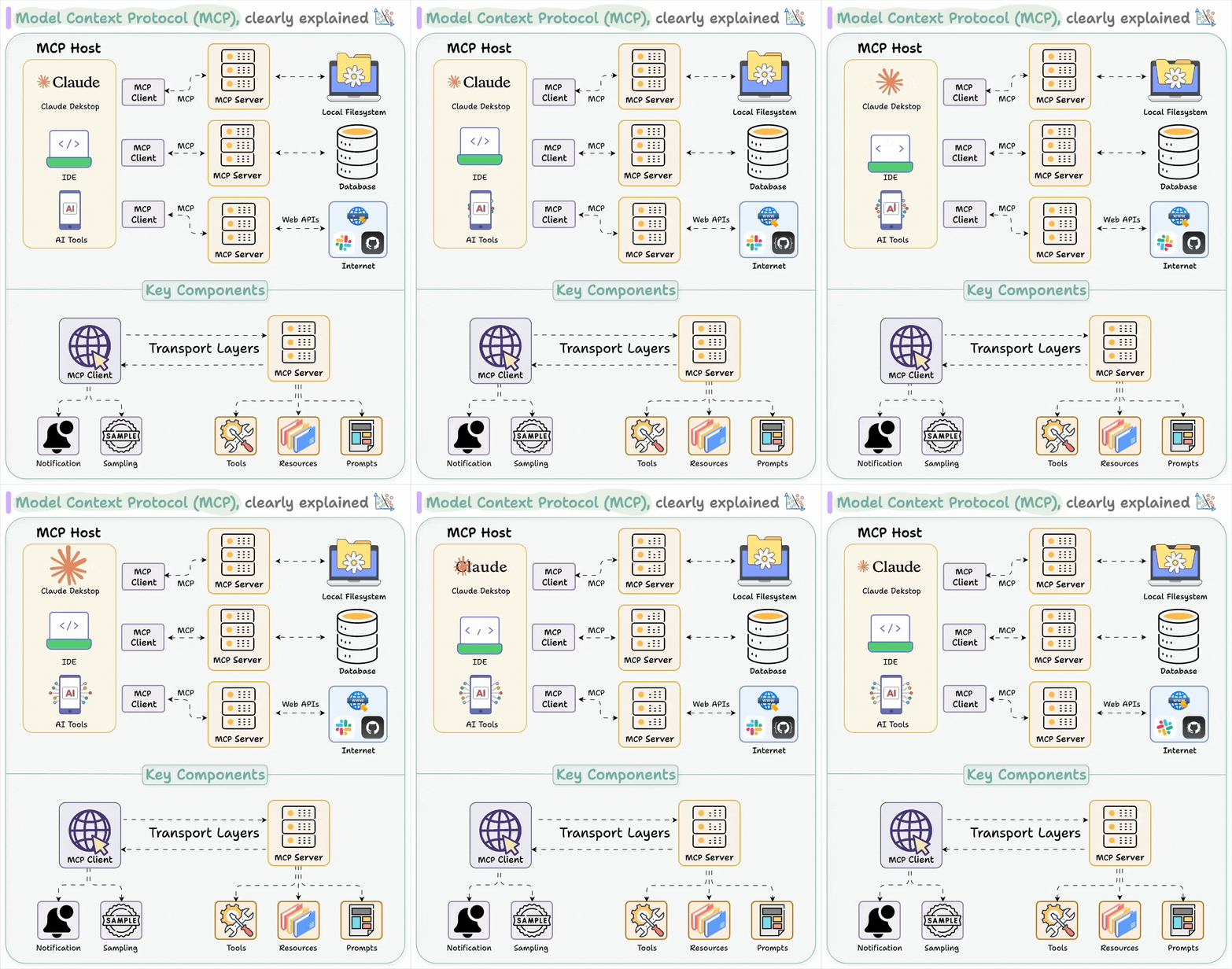
Jitterbit's MCP gateway says enterprise software now has to inspect what AI agents send and do
Jitterbit's May 6, 2026 MCP launch matters because it treats agent connectivity as a software-governance problem, not only an integration problem. If agents are going to call tools, move data, and trigger workflows across enterprise systems, software platforms increasingly need a secure message layer that can see and control those interactions in flight.
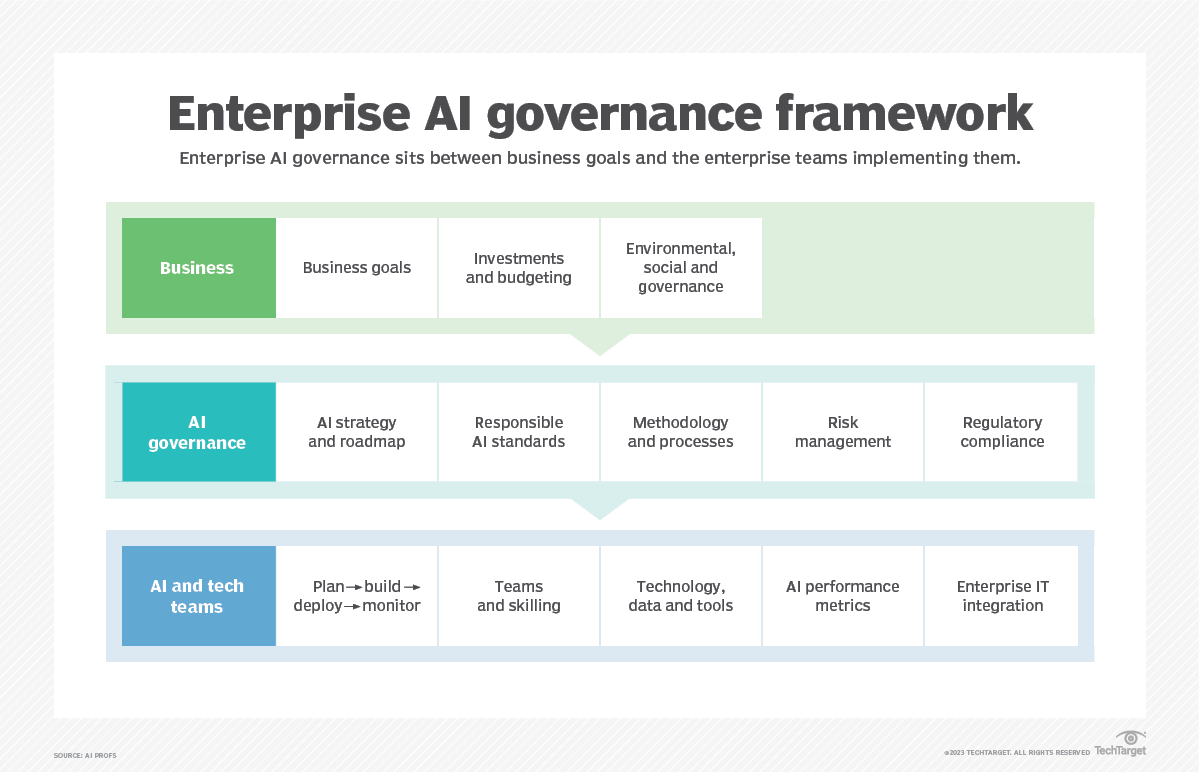
Collibra's AI Command Center says enterprise AI is moving from model governance to live agent control
Collibra's May 6, 2026 launch of AI Command Center matters because it treats agentic AI as an operations problem, not just a model problem. As AI systems start taking actions across enterprise workflows, the winning control layer may be the one that can watch live behavior, enforce policy continuously, and step in before an agent mistake becomes a business incident.
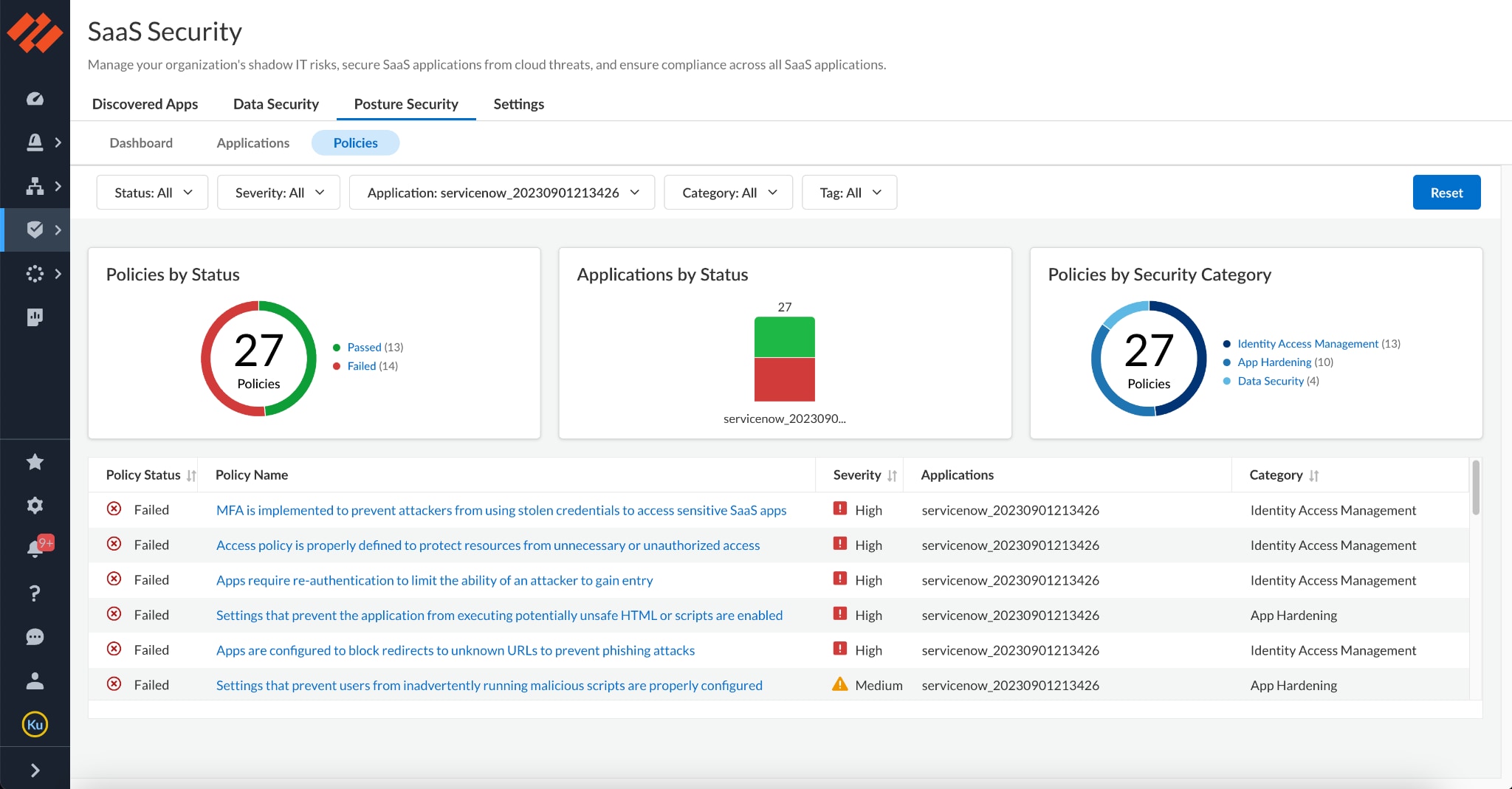
Palo Alto's latest SaaS warning says software teams still are not ready for employees with AI agents
Palo Alto Networks' May 6 warning about securing SaaS and enterprise data in the age of AI agents matters because it reframes software risk around machine-operated identity and delegated action. If every employee gains an agent that can browse, connect, retrieve, and act across SaaS tools, software security stops being a user-permission problem and becomes an orchestration problem.
UiPath's public-sector release says agentic AI is moving on-prem before many governments trust the cloud
UiPath's May 5 and May 6 rollout of on-premises agentic AI capabilities for government buyers matters because it pushes the agent story into one of the most constrained enterprise environments. If public-sector teams want automation and agents without giving up data residency, air-gapped controls, and procurement discipline, the next AI battleground becomes deployment architecture rather than model novelty.