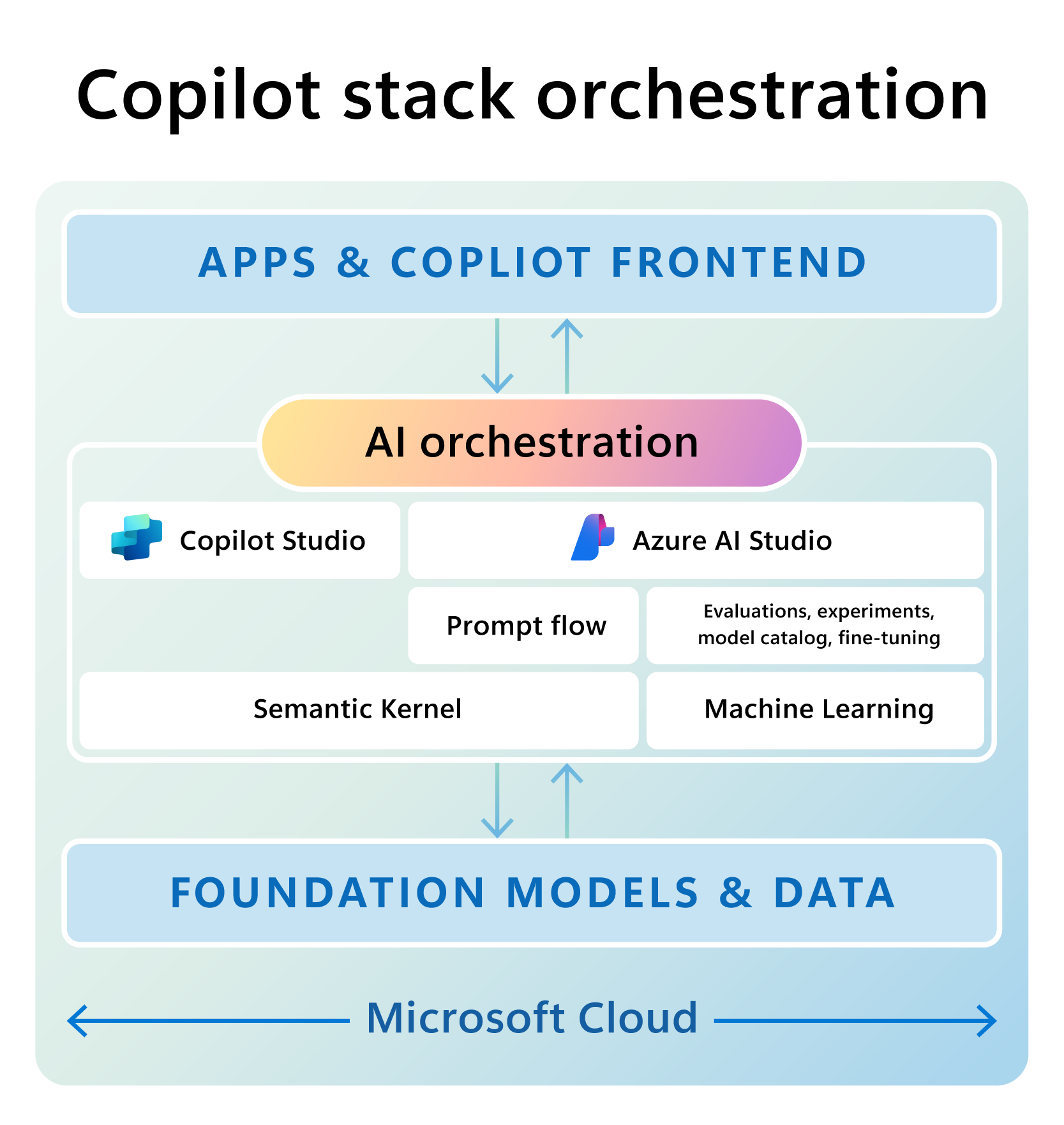
Microsoft's latest Copilot Cowork update says software is becoming an orchestration layer for agents
Microsoft's May 5 Copilot Cowork update looks at first like a routine product expansion, but the underlying bet is larger. The company is trying to turn enterprise software from a place where humans click through tasks into a governed orchestration surface where people define outcomes, agents execute across plugins and connectors, and Agent 365 handles control, visibility, and scale.
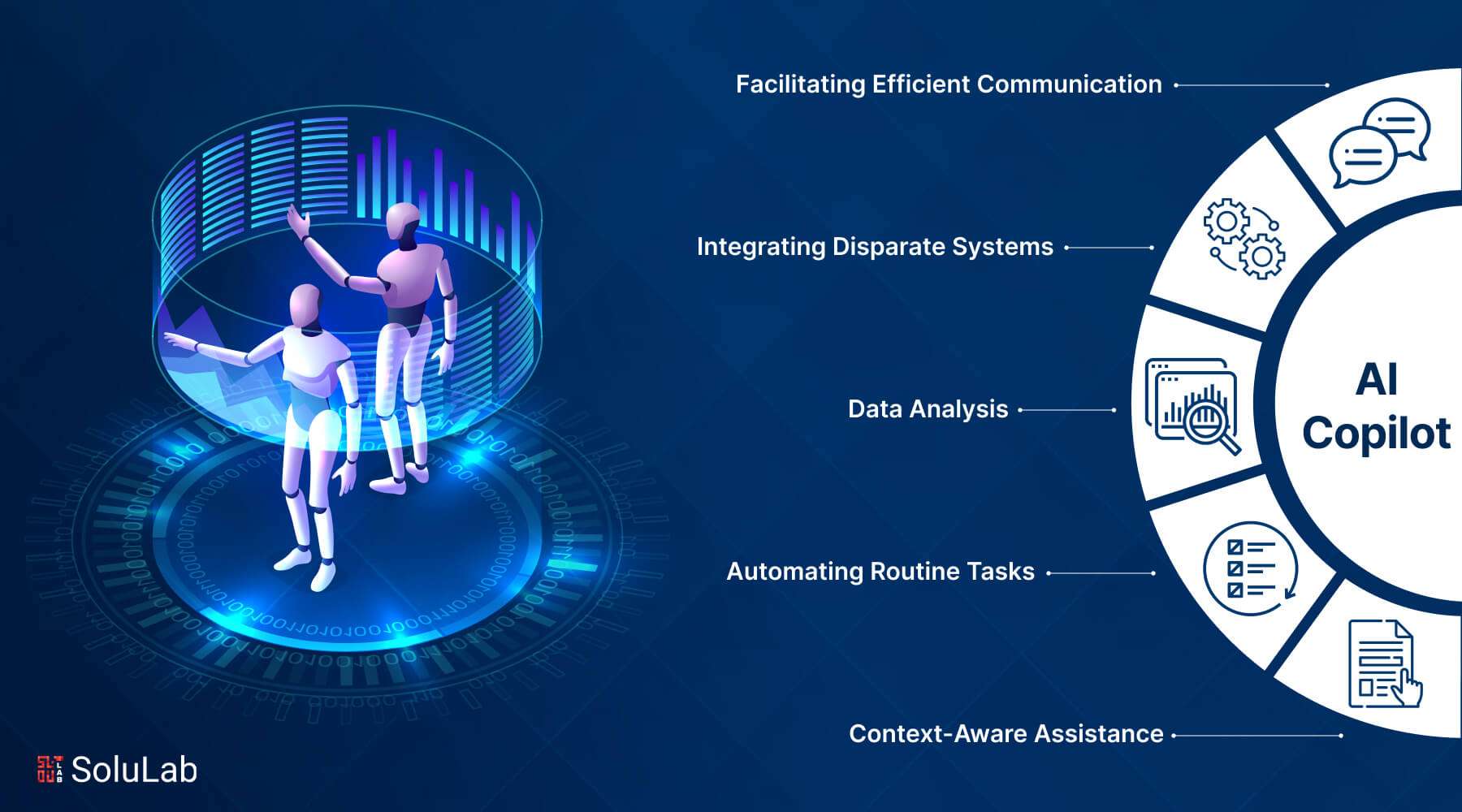
OpenAI and PwC's new CFO push says agentic AI is moving from copilots into finance operations
OpenAI's May 4 collaboration with PwC and PwC's May 5 expansion notes point to a more consequential enterprise AI shift than another generic assistant rollout. The real signal is that finance, one of the most controlled and judgment-heavy functions inside large companies, is being used as a proving ground for human-governed agentic workflows across procurement, treasury, reporting, tax, and the close.

PayPal's latest quarter says agentic commerce is no longer a side bet inside fintech
PayPal's May 5 results matter less as a simple earnings print than as evidence that the company is still reorganizing around AI-mediated commerce. Between its recent Cymbio deal, AI checkout ties with Google, and a quarter that kept the commerce engine growing, PayPal looks increasingly like a payments network trying to make itself indispensable to the agent era.
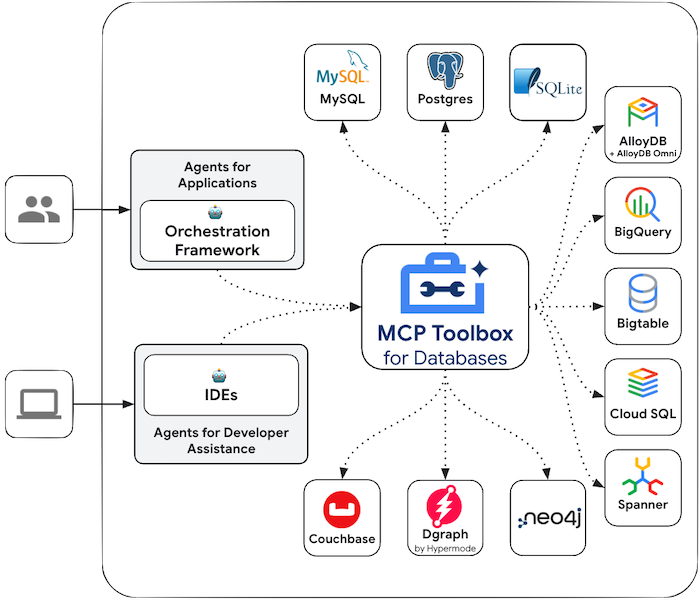
Google Cloud's MCP toolbox push says agent-native database tooling is moving into the platform layer
Google Cloud's latest push around MCP Toolbox for Databases matters because it turns a once-experimental agent connector into a platform story. When database access, schema discovery, and prebuilt agent tools move into mainstream developer workflows, software teams start treating agent integration less like a hack and more like standard infrastructure.

Stripe's Sessions launch turns agent payments into mainstream fintech infrastructure
Stripe's April 29 Sessions 2026 launch package matters because it makes agentic commerce look less like an experiment and more like platform policy. By combining agent wallets, catalog ingestion, platform support, fraud tooling, and new payout and treasury primitives, Stripe is trying to become the default money layer for AI-driven buying behavior.
IBM's Think 2026 launch says the AI race is shifting from models to operating systems
IBM's May 5, 2026 Think announcements matter because they frame enterprise AI as an operating-model problem, not a demo problem. The center of gravity is moving toward agent orchestration, real-time data plumbing, governance, and sovereign control for workloads that have to survive audits, outages, and board-level scrutiny.
Box Automate is a bet that enterprise software wins by governing AI workflows, not just generating answers
Box's late-April launch of Box Automate pushes enterprise software beyond the copilot phase. Instead of offering another chat surface, Box is trying to turn documents, agents, approvals, extraction, and third-party systems into one governed operating loop for content-heavy work.

Circle's nanopayments launch is a bet that DeFi infrastructure will power the agent economy
Circle's April 29 mainnet launch for Gateway-powered nanopayments and its April 28 Pharos expansion show where crypto infrastructure may actually find product-market fit in 2026: sub-cent machine payments, crosschain settlement, and programmable dollar liquidity for software agents.

Stripe's latest launches show fintech is being rebuilt for an agent-driven internet
Stripe's April 29 Sessions announcements are bigger than a conference feature dump. Agent wallets, issuing for agents, new Google distribution, and Treasury expansion suggest fintech is being redesigned for software that spends, sells, and settles on behalf of users.

Oracle's agentic applications are a bet that enterprise software survives by executing, not displaying
Oracle's March and April AI announcements show a clear software strategy: old enterprise suites do not stay valuable by showing data faster, but by letting governed AI systems act on that data inside real business workflows.
DeepSeek V4 is turning Huawei's AI stack into a demand signal, not a workaround
DeepSeek's V4 launch has moved China's AI conversation from model hype to stack validation, with Huawei chips, cloud rollouts, and agent tooling all tightening into one commercial proof point.

GPT-5.5 turns the AI race toward agents and compute economics
The next frontier-model competition is less about a single benchmark and more about agent reliability, tool use, memory, latency, and the cost of running useful work.

Payments are becoming the first real test of agentic commerce
J.P. Morgan, Visa, and Stripe are all pointing at the same 2026 fintech shift: payments are being rebuilt for AI agents, tokenized money, and always-on treasury.

GitHub Copilot usage billing exposes the real cost of AI coding agents
GitHub is replacing premium requests with AI Credits, a pricing shift that makes long-running coding agents look more like cloud compute than ordinary SaaS.
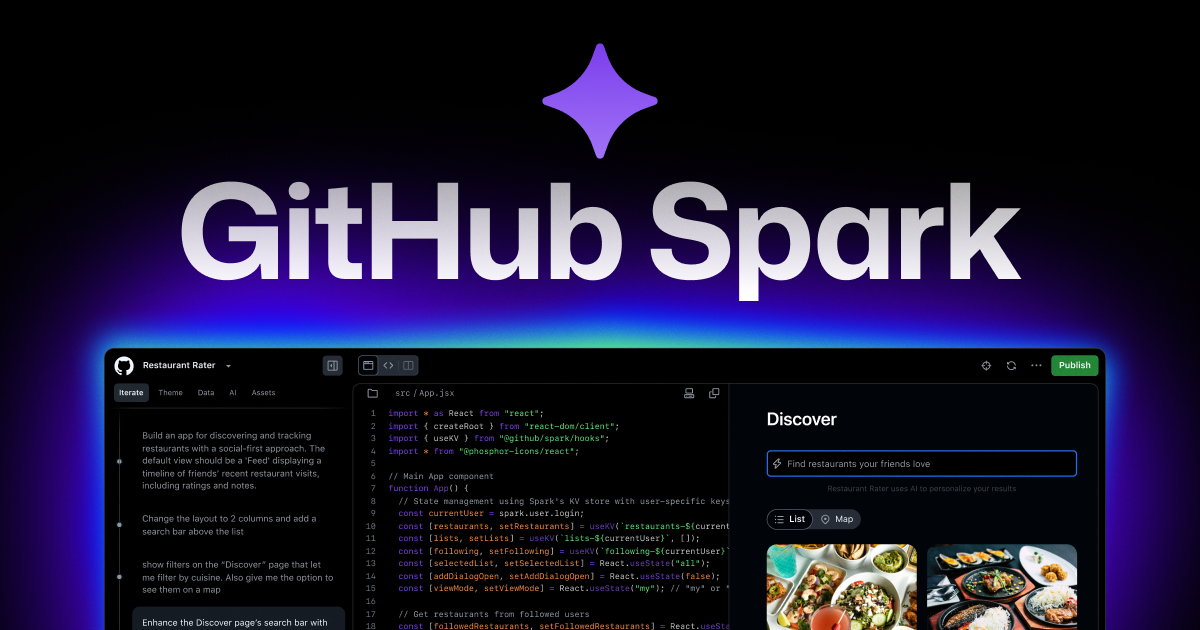
Software teams are moving from coding copilots to managed agent workspaces
The software stack is shifting from single-prompt code completion toward managed AI workspaces where agents build, test, review and ship under human supervision.

Visa, Mastercard and Stripe are turning AI agents into payment actors
Agentic commerce is moving from demos to payment plumbing as Visa, Mastercard and Stripe define how AI systems can safely go from recommendation to purchase.