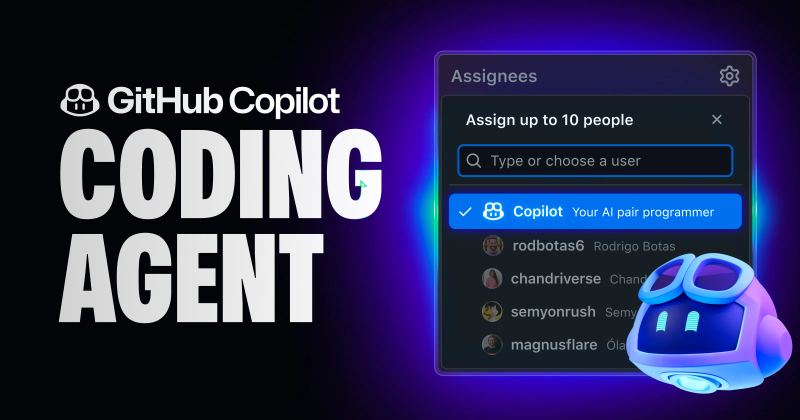
GitHub's new Copilot app says agentic software work needs a control center, not just a chatbot
GitHub's June 2 Copilot app launch reframes AI coding around session orchestration, isolated worktrees, canvases, and sandboxes, suggesting the next software platform fight is about managing fleets of agents safely inside real development workflows.

Mastercard wants machine commerce to run on a permissioned payment fabric instead of human checkout flows
Mastercard's June 10 Agent Pay for Machines launch argues that agentic commerce needs credentialed identities, programmable controls, and multi-rail settlement so AI systems can buy services continuously without breaking trust.
Google's AI Search push is turning trust and agent orchestration into the new front page of the web
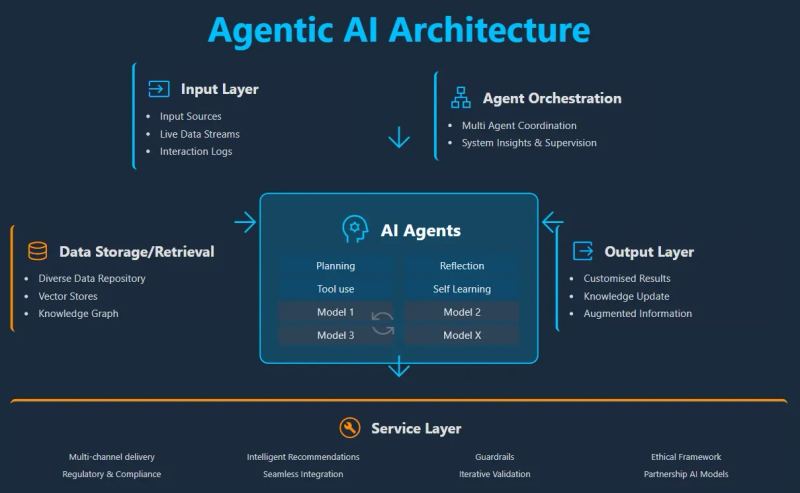
Google's May 19 I/O reset and its May 27 credibility upgrades show that the next AI battleground is not only model quality, but whether Search can blend agents, multimodal reasoning, and visible trust signals without breaking the open web.
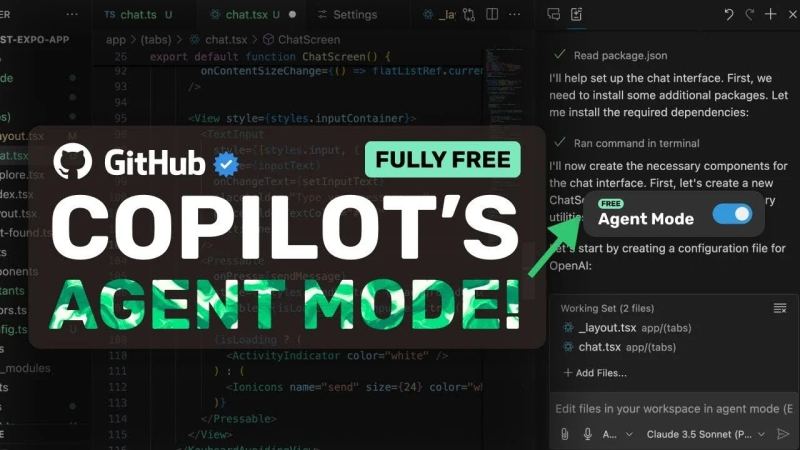
GitHub's Copilot SDK and app say software tools are becoming agent workspaces, not just editor features
GitHub's June 2 releases around the Copilot app and the Copilot SDK suggest developer software is being rebuilt around session management, tool invocation, and visible agent work rather than around static IDE assistance alone.
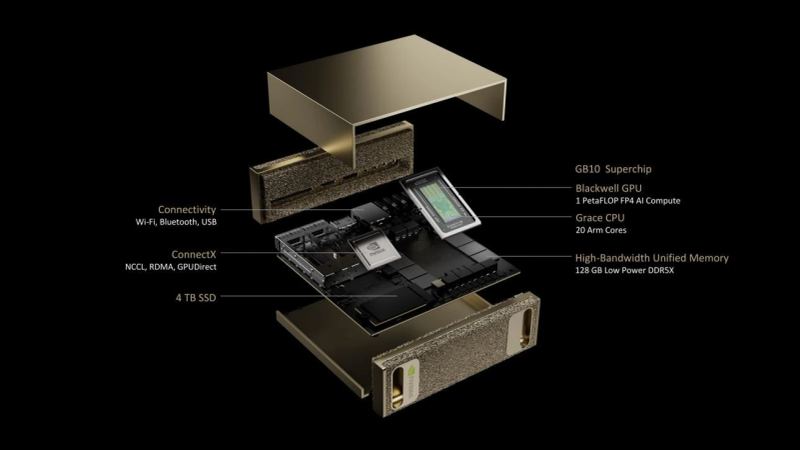
NVIDIA's RTX Spark says the premium PC is becoming a personal agent machine, not just a laptop
NVIDIA and Microsoft are reframing the Windows hardware stack around long-running local agents, using RTX Spark, DGX Station for Windows, and secure runtimes to turn PCs into always-available AI execution devices rather than traditional endpoint clients.
Visa's OpenAI tie-up says fintech is moving from payment APIs to trust layers for autonomous checkout
Visa's June 10 announcements around OpenAI, agent scoring, registries, and intelligent commerce show that the next fintech battleground is not just moving money, but defining the trust, credential, and risk systems that let AI agents buy safely on behalf of users.

Coinbase for Agents says crypto wallets are becoming execution accounts for AI, not just storage
Coinbase's June 11 agent launch and its June 9 managed payments rollout point to a crypto market where the real prize is not token speculation, but programmable financial accounts that AI systems can use to trade, pay, and settle work directly.

Microsoft's Work IQ APIs say software now competes on agent context, not just user interfaces
Microsoft's June 2 Work IQ rollout suggests enterprise software is being rebuilt around context-rich agents that can retrieve, reason, and act inside Microsoft 365, pushing the competitive battle from front-end apps toward the intelligence layer underneath them.
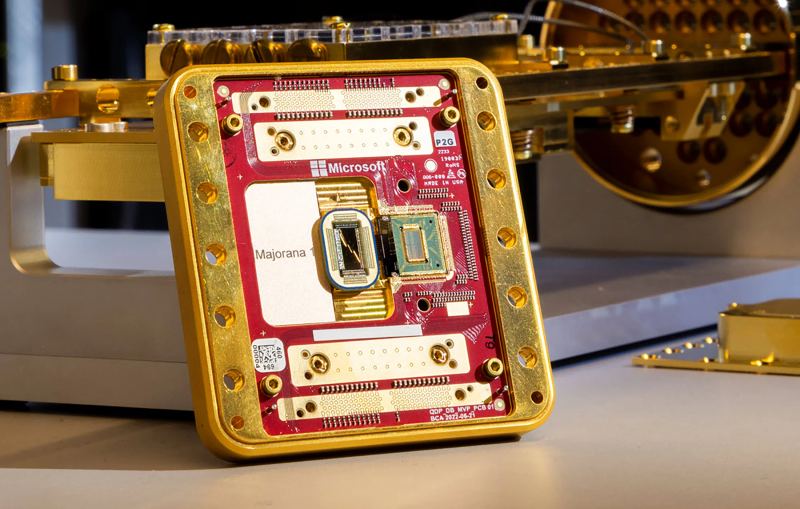
Microsoft's Majorana 2 says the hardware race now includes AI-built scientific infrastructure
Microsoft's June 2 Majorana 2 update matters because it turns quantum hardware progress into an AI-assisted engineering story, where materials discovery, fabrication, and reliability gains increasingly depend on agentic software as much as on chip design itself.
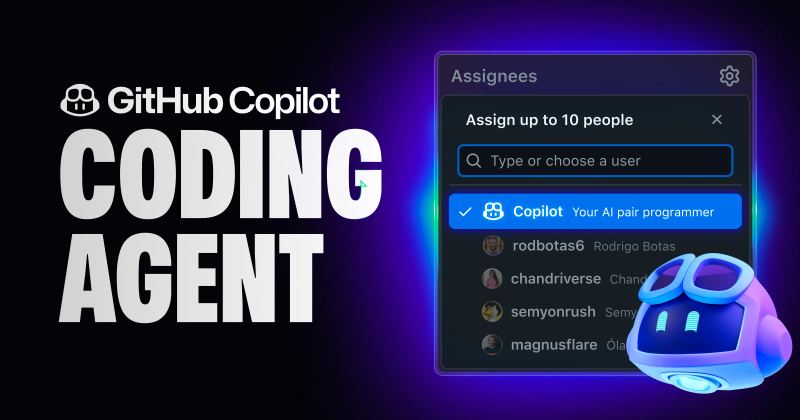
GitHub's new Copilot billing model says coding agents are becoming budgeted infrastructure, not flat-fee perks
GitHub's switch to AI credit billing and its GPT-4.1 deprecation push Copilot toward a model where software teams manage agent usage like cloud spend, with costs, models, and reliability all becoming operational concerns.
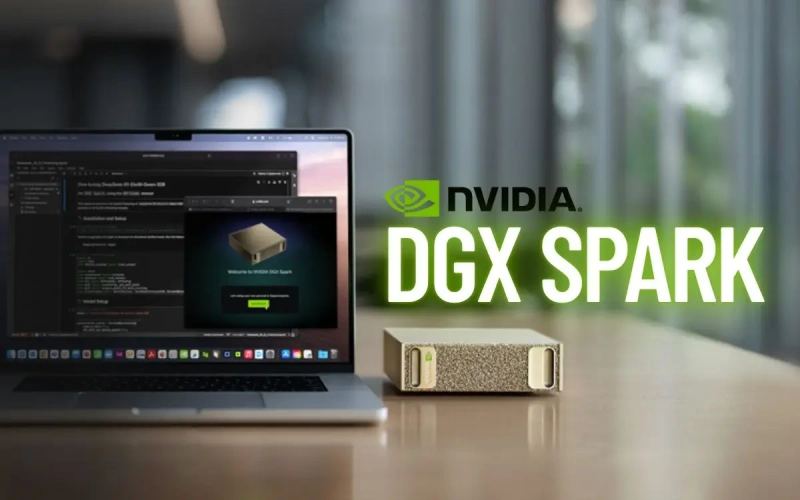
NVIDIA's RTX Spark push says the next PC battle is about local agents, not just faster laptops
NVIDIA and Arm are reframing the premium PC market around local agent workloads, large on-device models, and unified memory architectures that blur the line between workstation, gaming rig, and AI appliance.
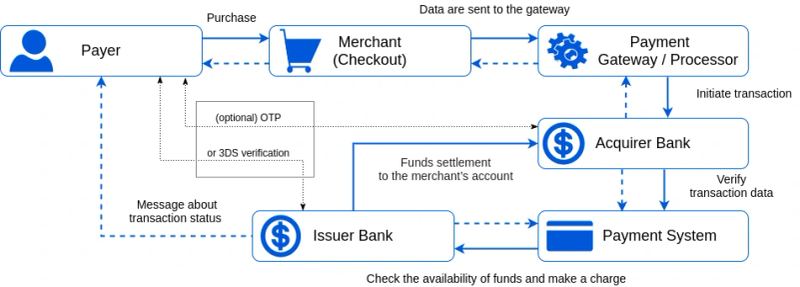
Mastercard, Worldline, and ING just showed agentic payments crossing from theory into production finance
A live production payment between Worldline, ING, and Mastercard suggests agentic commerce is starting to leave lab demos behind and enter regulated payment networks where authentication, acquiring, and issuer processing already have to work.
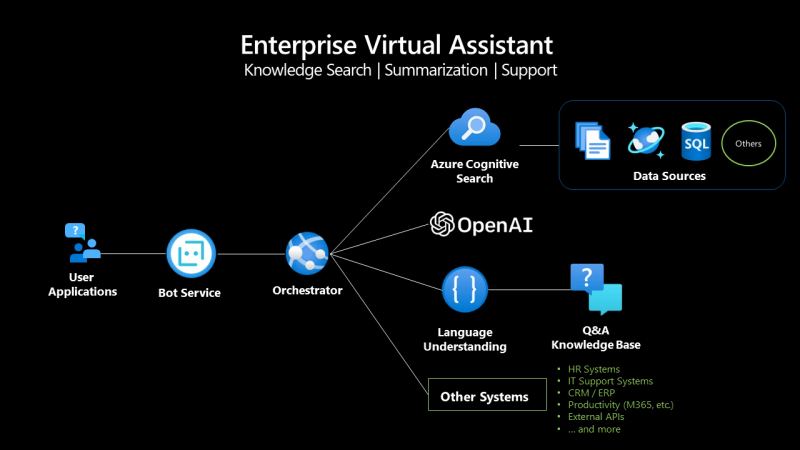
OpenAI's Ona deal turns Codex from a smart assistant into an operating layer for long-running agents
OpenAI's planned acquisition of Ona shows the next AI platform fight is moving beyond model quality and into secure, customer-controlled execution for agents that need to keep working after the prompt ends.
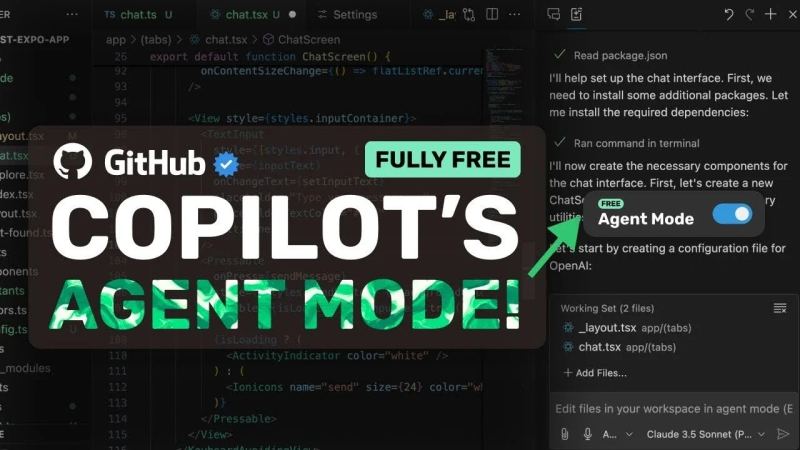
GitHub's Copilot app says software teams want a control plane for parallel coding agents, not just chat in the editor
GitHub is turning Copilot into a desktop control center for multi-agent development, signaling that the software stack around coding agents is becoming about orchestration, inspection, and governance rather than autocomplete alone.

Arm's OCI expansion says the next AI hardware bottleneck is rack-scale orchestration efficiency, not accelerators alone
Arm says Oracle Cloud Infrastructure is joining its AGI CPU ecosystem, reinforcing the idea that AI hardware competition is broadening from GPUs toward the CPU-heavy control layers that feed agentic systems.
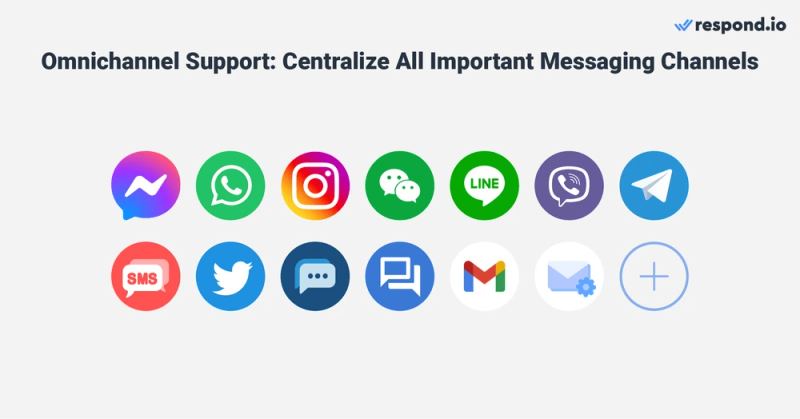
Microsoft's CoreAI reorg and Build messaging say software platforms are being rebuilt around agent runtimes, not just copilots bolted onto existing apps
Microsoft is aligning platform, tools, and developer messaging around a world where applications increasingly become agentic systems with memory, workflows, and open web coordination.

Intel's latest Xeon and infrastructure push says the AI hardware race is broadening from accelerator bragging rights toward the control-plane systems that keep agentic workloads fed, connected, and affordable
Intel is pitching CPUs, networking, and future accelerators as one coordinated stack for agentic AI, arguing that orchestration and data movement are becoming the real infrastructure bottlenecks.
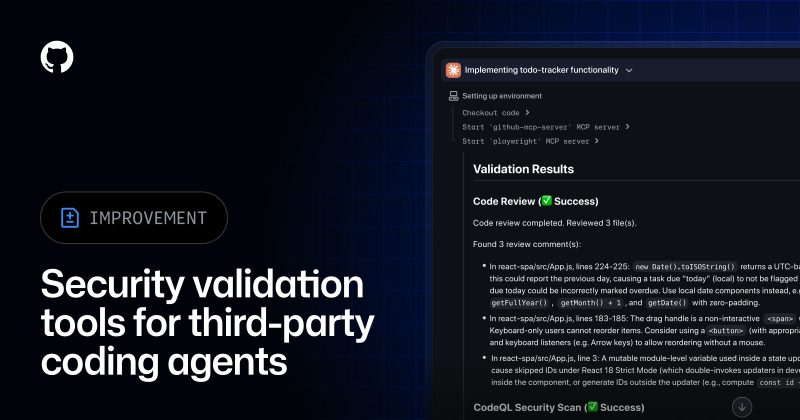
GitHub's new validation layer says software teams will only trust coding agents if security review becomes automatic infrastructure
GitHub's June 9, 2026 update matters because it extends automatic CodeQL, dependency, and secret-scanning review to third-party coding agents, making safety checks part of the default agent workflow rather than an afterthought.

Arm's AGI CPU push with Red Hat says AI hardware competition is moving from accelerators alone toward full production stacks
Arm's May 11, 2026 infrastructure update matters because it packages the AGI CPU with Red Hat's enterprise software into a deployable agentic AI stack aimed at real inference, orchestration, and hybrid-cloud operations.

Circle's latest quarter says fintech is being rebuilt around managed stablecoin payments and agent-native money tools
Circle's May 11, 2026 first-quarter results matter because they show the company pushing beyond reserve income and token scale into packaged payment infrastructure, agent wallets, and merchant tooling built for AI-driven financial activity.
Chrome's I/O update says the browser is turning from a page renderer into an agent work surface
Google's May 19, 2026 Chrome I/O update matters because it ties developer tooling, browser automation, and user-facing Gemini features into a broader attempt to make the browser the default runtime for agentic software.
NVIDIA's RTX Spark launch with Microsoft says the next AI hardware fight is moving from cloud racks back onto the personal computer
NVIDIA's June 1, 2026 RTX Spark launch matters because it reframes the Windows PC as a local agent machine with unified memory, security, and enough on-device AI performance to act as a teammate instead of a thin client.

Worldline, ING, and Mastercard say agentic payments have crossed from demo theater into production payment infrastructure
The June 2, 2026 Worldline, ING, and Mastercard milestone matters because it moves AI-initiated commerce from controlled pilot rhetoric toward a live European production transaction with issuer visibility and explicit user approval.

Google's May AI recap says the Gemini race is shifting from model launches to a full product layer of agents, surfaces, and actions
Google's June 5, 2026 recap of its May AI releases matters because it frames the company less as a model vendor and more as a builder of an agentic product stack that spans search, creation, commerce, and daily workflows.