
NVIDIA's Vera Rubin ramp says agentic AI is forcing hardware buyers to think in factory systems, not isolated chips
NVIDIA's late-May and June 2026 Rubin updates show the hardware race shifting from faster accelerators alone toward integrated multi-rack systems purpose-built for agentic workloads.

GitHub's Copilot app going generally available says developer software is becoming an agent control surface, not just an editor assistant
GitHub's June 17, 2026 general availability move for the Copilot app, combined with its agent-app rollout, signals that software tooling is reorganizing around supervising many agents, workflows, and worktrees instead of chatting with one assistant at a time.

Intel's Xeon 6 plus push says AI hardware is becoming a control-plane and data-movement race, not just an accelerator race
Intel's early-June 2026 Xeon 6+ and networking push argues that agentic AI shifts infrastructure value toward orchestration, concurrency, and data movement, making the CPU and network fabric more strategically important again.
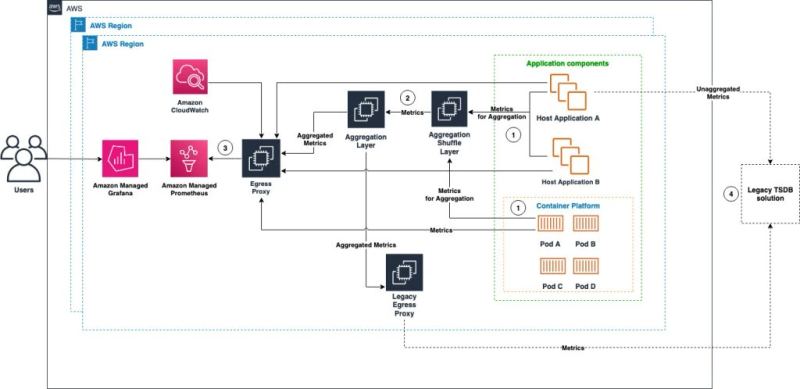
Stripe and AWS say the next fintech battleground is charging AI agents at the network edge, not just helping humans check out faster
Stripe's June 15, 2026 AWS WAF integration shows fintech infrastructure moving toward machine-readable paywalls, HTTP 402 flows, and direct monetization of AI-agent traffic instead of only consumer checkout optimization.
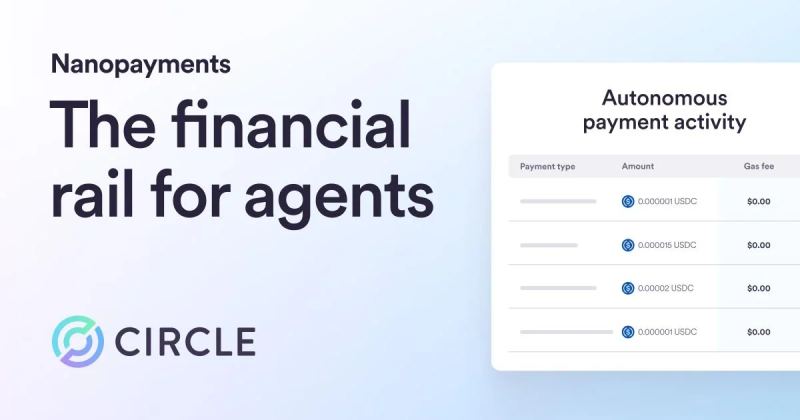
Circle's mainnet nanopayments push says crypto's next serious utility may be sub-cent machine commerce, not louder token narratives
Circle's May 2026 agentic-economy rollout and its move of Nanopayments to mainnet suggest the strongest crypto infrastructure story right now is programmable USDC settlement for agents and APIs rather than exchange-driven speculation.
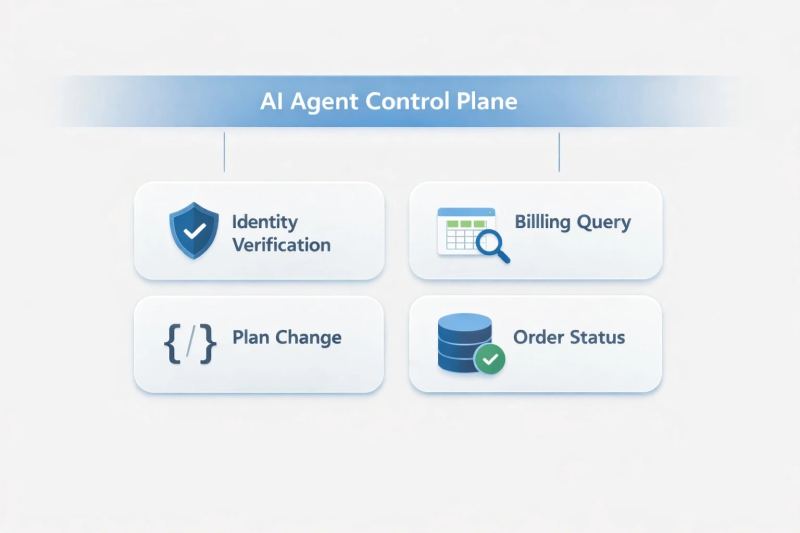
GitHub's newest Copilot surfaces say software development is becoming an agent control-plane business, not an editor extension business
GitHub's June Copilot app preview and its new agent apps framework suggest developer software is reorganizing around orchestrating, inspecting, and governing many agents across repos instead of chatting with one assistant at a time.

Visa's June commerce push says fintech's next moat is a programmable trust layer spanning AI agents and stablecoin settlement
Visa's June 10 product announcements and its April stablecoin expansion show the payments network race shifting toward programmable commerce, where AI authorization, token controls, and multi-chain settlement have to work together.

Coinbase's latest agent push says crypto's next real battle is becoming the payment and permission layer for autonomous software
Coinbase's June 9 to June 15 product sequence around Payments, Agents, and AWS-backed x402 support suggests crypto firms are trying to turn stablecoins and wallets into the default operating rails for machine-to-machine commerce.

OpenAI's deployment simulation push says the next AI race is about realistic safety forecasting, not cleaner benchmark theater
OpenAI's June 16 deployment-simulation research suggests frontier labs now need production-like safety forecasting that can predict real behavior before release, especially as agentic systems get harder to evaluate with static tests.

GitHub's Copilot app says agent software is escaping the IDE and becoming a desktop control plane
GitHub's June preview expansion for the Copilot app suggests software development is reorganizing around multi-session agent orchestration, persistent task state, and pull-request-native control instead of isolated chat panes.

NVIDIA's RTX Spark push says personal AI hardware is becoming a local agent platform, not just another PC refresh
NVIDIA and its OEM partners are turning RTX Spark into a new class of Windows hardware built for secure local agents, high memory footprints, and workstation-grade AI workflows outside the data center.

Mastercard's Agent Pay for Machines says the next payments network battle is over always-on autonomous commerce
Mastercard's June 10 launch of Agent Pay for Machines shows the fintech race moving beyond checkout UX toward the credentialing, control, and settlement infrastructure needed for machine-to-machine commerce.

OpenAI's new Academy courses say the next AI race is practical workforce execution, not prompt tourism
OpenAI's June 12 Academy launch reframes the commercial AI battle around repeatable workplace skills, shared operating habits, and agent workflow design instead of one-off experimentation.
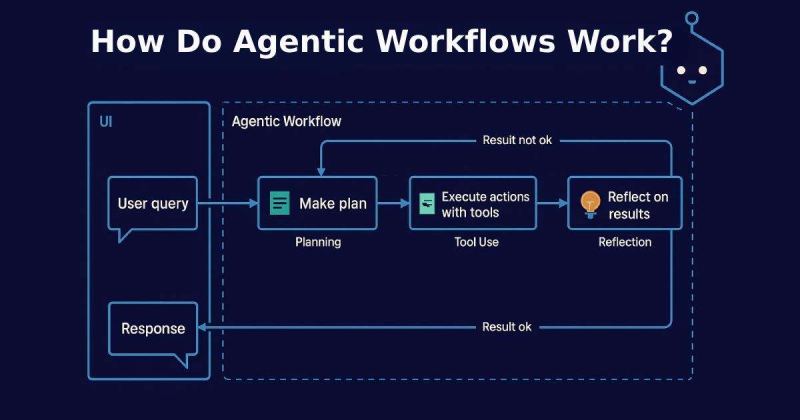
GitHub's Agentic Workflows preview says software teams want governed autonomous work, not just smarter coding chats
GitHub's June 11 public preview of Agentic Workflows, combined with new context-window and reasoning controls, shows enterprise software moving toward managed fleets of coding agents inside existing CI policy boundaries.
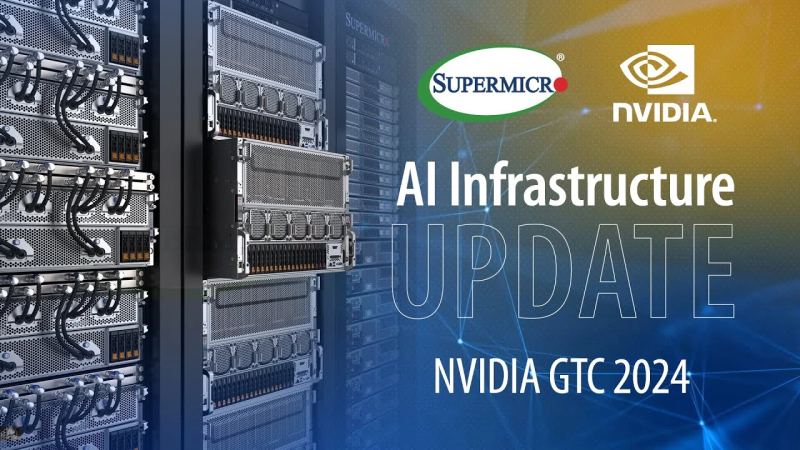
Arm and Supermicro say AI infrastructure is entering a CPU-dense inference era, not a GPU-only arms race
Arm's June 10 and June 2 infrastructure push with Supermicro and Oracle Cloud suggests agentic AI is changing hardware competition from accelerator bragging rights to balanced rack-scale system economics.
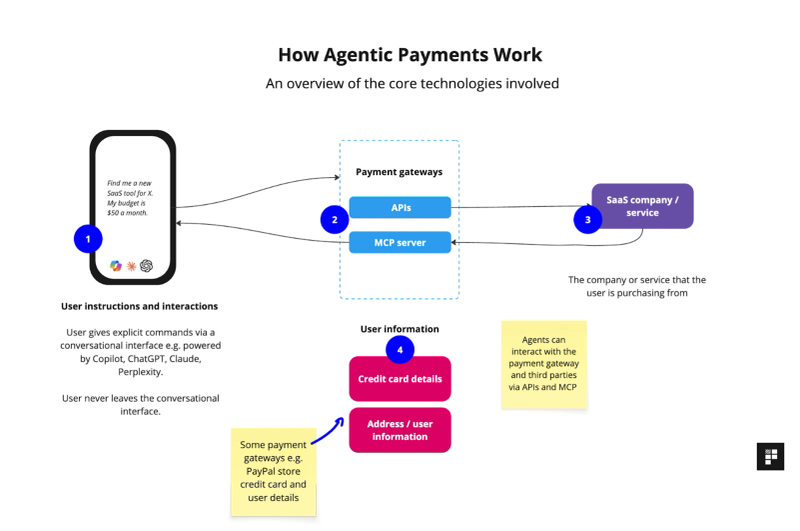
Mastercard's live European agentic payment says fintech has moved from AI checkout theory into production trust rails
Mastercard, ING, and Worldline's June 2 production transaction suggests agentic commerce will be won by payment networks and banks that can make AI-initiated purchases visible, governable, and reversible at scale.

Qualcomm's Dragonwing robotics kit says the next robot race is about deployable stacks, not isolated hardware
Qualcomm's June 1 Dragonwing IQ10 robotics reference design, paired with its Computex 2026 agent-first messaging, shows robotics vendors pushing toward packaged full-stack deployment platforms rather than disconnected components.

PayPal's Hey Savi launch says agentic commerce is moving from demos into native retail checkout
PayPal's June 2 UK launch with Hey Savi and Debenhams Group suggests the next fintech battleground is not just enabling AI shopping discovery, but converting that intent inside retailer-ready checkout flows.
GitHub's Copilot changes say agent software is becoming a metered utility, not an unlimited developer perk
GitHub's move to usage-based billing, new budget controls, and model-level churn across June 2026 show that agentic software tooling is being rebuilt around cost governance and reliability rather than flat-fee abundance.

NVIDIA's Rubin push says the next hardware war will be fought on agentic AI economics, not just raw speed
NVIDIA's Rubin platform claims, paired with CoreWeave's June 1, 2026 bring-up and Spectrum-X photonics messaging, show the hardware race is being reframed around inference cost, networking efficiency, and production-scale agent workloads.

Stripe's UK push says fintech is becoming the operating system for global and agentic commerce
Stripe's June 9 and June 10, 2026 announcements around Lloyds, global selling, and its Agentic Commerce Suite show that payment companies are racing to own the transaction layer inside AI interfaces and small-business banking tools at the same time.

OpenAI's Ona deal says enterprise AI agents need a secure cloud workspace, not just a smarter model
OpenAI's June 11, 2026 agreement to acquire Ona, paired with its new Oracle distribution path and its June 8 strategy memo, shows the next AI race is shifting from model demos to persistent, governed agent workspaces.
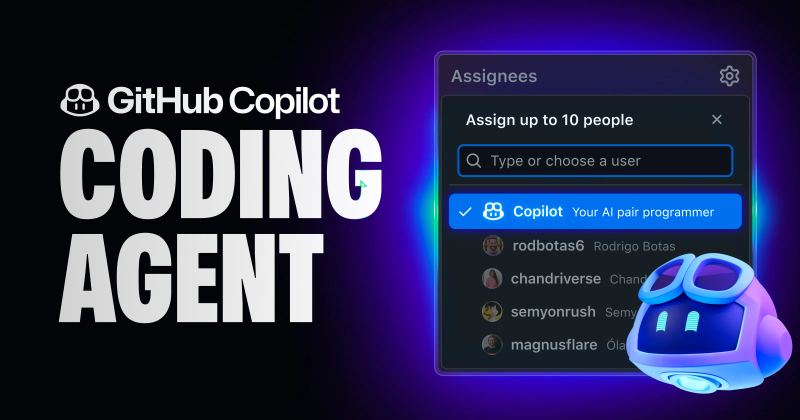
GitHub's new Copilot app says agentic software work needs a control center, not just a chatbot
GitHub's June 2 Copilot app launch reframes AI coding around session orchestration, isolated worktrees, canvases, and sandboxes, suggesting the next software platform fight is about managing fleets of agents safely inside real development workflows.

Mastercard wants machine commerce to run on a permissioned payment fabric instead of human checkout flows
Mastercard's June 10 Agent Pay for Machines launch argues that agentic commerce needs credentialed identities, programmable controls, and multi-rail settlement so AI systems can buy services continuously without breaking trust.